 Fixated on Home
Introduction to Appliance Choices in Kitchen Renovations
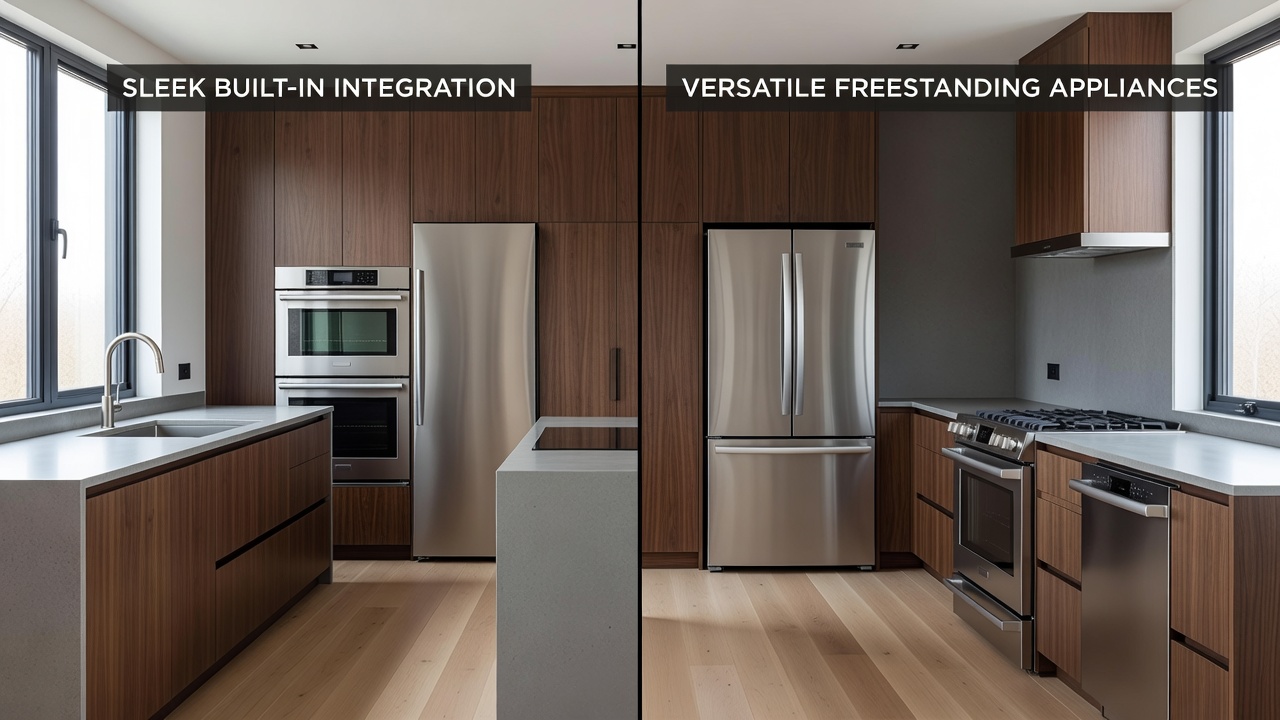
Choosing between built-in and freestanding appliances is a pivotal decision during kitchen renovations. Homeowners must weigh aesthetics, functionality, space utilization, and future-proofing with modern upgrades. This guide provides an in-depth comparison to help you make an informed choice that aligns with your renovation goals. Kitchen renovations often involve balancing visual appeal with practical needs, and the right appliance style can transform how the space functions daily while enhancing its overall value. Built-in appliances integrate seamlessly into cabinetry for a streamlined look, while freestanding models offer flexibility and easier installation. Understanding these differences ensures your kitchen meets both current and long-term requirements, including considerations for family size, cooking habits, and potential resale.
Many homeowners start their research by touring showrooms or browsing design magazines, but real-world performance depends on factors like your home's layout and local building codes. This article dives deep into each option with practical examples drawn from contemporary renovations across urban and suburban settings.
Understanding Built-In Appliances
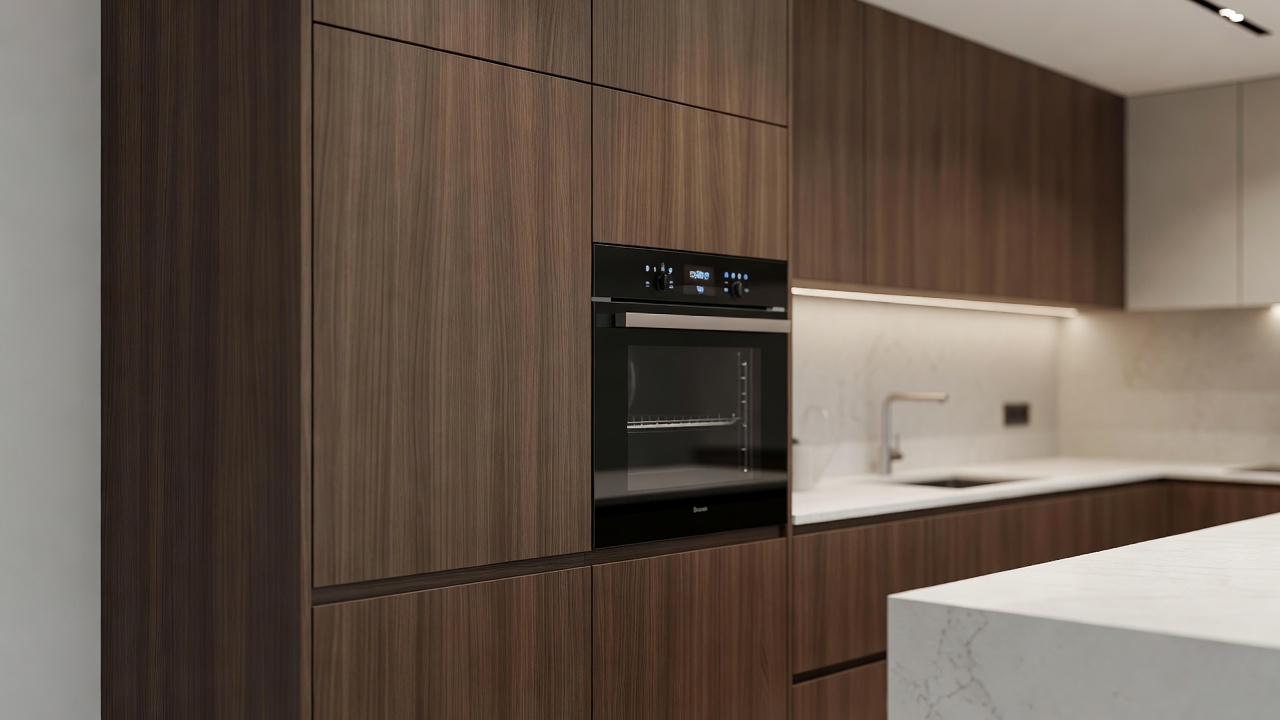
Built-in appliances are designed to fit within custom cabinetry, creating a cohesive appearance. Common examples include integrated refrigerators, dishwashers, and ovens that hide behind matching panels. They excel in contemporary designs where minimalism is key. These units often feature customizable fronts that match your cabinetry exactly, allowing the kitchen to appear as one continuous unit rather than a collection of separate machines. Professional installers typically handle alignment with surrounding woodwork, ensuring no gaps or visible seams.
These appliances require precise measurements and professional installation to align perfectly with surrounding cabinetry. They often demand modifications to electrical and plumbing systems for optimal performance. In practice, this means early coordination with your contractor during the planning phase to avoid costly retrofits later.
Understanding Freestanding Appliances
Freestanding appliances stand independently and can be placed anywhere with access to utilities. Refrigerators, ranges, and dishwashers in this category are popular for their mobility and straightforward setup. They suit traditional kitchens or renovations where cabinet integration is not feasible. Their finished exteriors mean they do not rely on surrounding cabinetry for support, giving you freedom to rearrange the kitchen layout years down the road if needed.
These models typically feature finished sides and tops, allowing them to function without additional cabinetry support. Their versatility makes them ideal for renters or those planning future layout changes, such as adding an island or expanding dining space.
Pros and Cons of Each Style
Built-in appliances provide superior aesthetics and can increase home value through their custom appearance. They create a high-end, hotel-like feel that appeals to buyers seeking modern homes. However, they often involve higher initial investment and less flexibility for repairs or replacements because components are tucked away behind panels.
Freestanding options are generally more affordable upfront and easier to maintain or upgrade. On the downside, they may disrupt the visual flow in modern kitchens and take up more visible floor space. Homeowners in open-concept spaces sometimes find that freestanding units break the clean lines they desire, while built-in models preserve them.
Installation Requirements and Space Efficiency
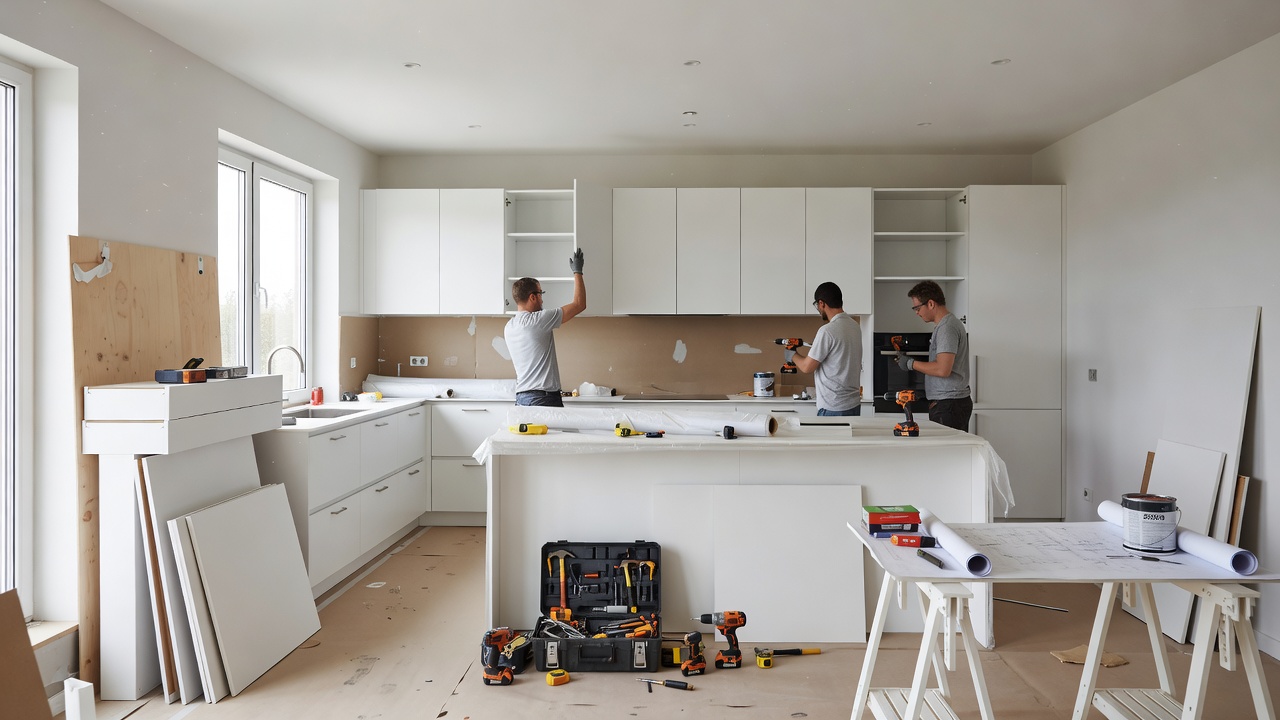
Installation for built-in appliances usually requires custom cabinetry work and may involve structural adjustments. This can extend renovation timelines but results in efficient use of space, especially in smaller kitchens where every inch counts. For instance, a built-in refrigerator can be positioned to maximize adjacent counter space that would otherwise be lost to a protruding freestanding model.
Freestanding appliances need minimal preparation beyond standard utility connections. They offer quick installation but can reduce available counter or storage space due to their standalone nature. Practical steps include measuring clearances for doors to swing fully open and confirming that floor leveling is adequate before delivery.
Maintenance Differences
Maintenance for built-in units often involves accessing components through cabinetry, which can complicate routine cleaning or repairs. Professionals may be needed more frequently for these integrated systems, particularly when filters or coils are located in hard-to-reach areas. Over time, this can translate to longer service calls.
Freestanding appliances allow easier access to all sides, simplifying tasks like dusting coils or replacing parts. This accessibility can lead to lower long-term maintenance efforts and empowers homeowners to handle minor issues themselves using basic tools.
Integration with Smart Home Features
Both styles support smart integrations, but built-in models often pair better with home automation systems for a unified control experience. Features like app-based monitoring work seamlessly when appliances are part of the cabinetry design. For example, a built-in oven can sync with lighting and security systems through a central hub.
Freestanding smart appliances from brands like Samsung or LG connect via Wi-Fi and offer similar functionalities. They provide flexibility to add or remove devices without renovation disruptions. For more on energy-efficient options, visit Energy Star. Additional guidance on ventilation standards appears on the ASHRAE website, while broader product testing insights are available from Consumer Reports.
Real-World Examples in Contemporary Homes
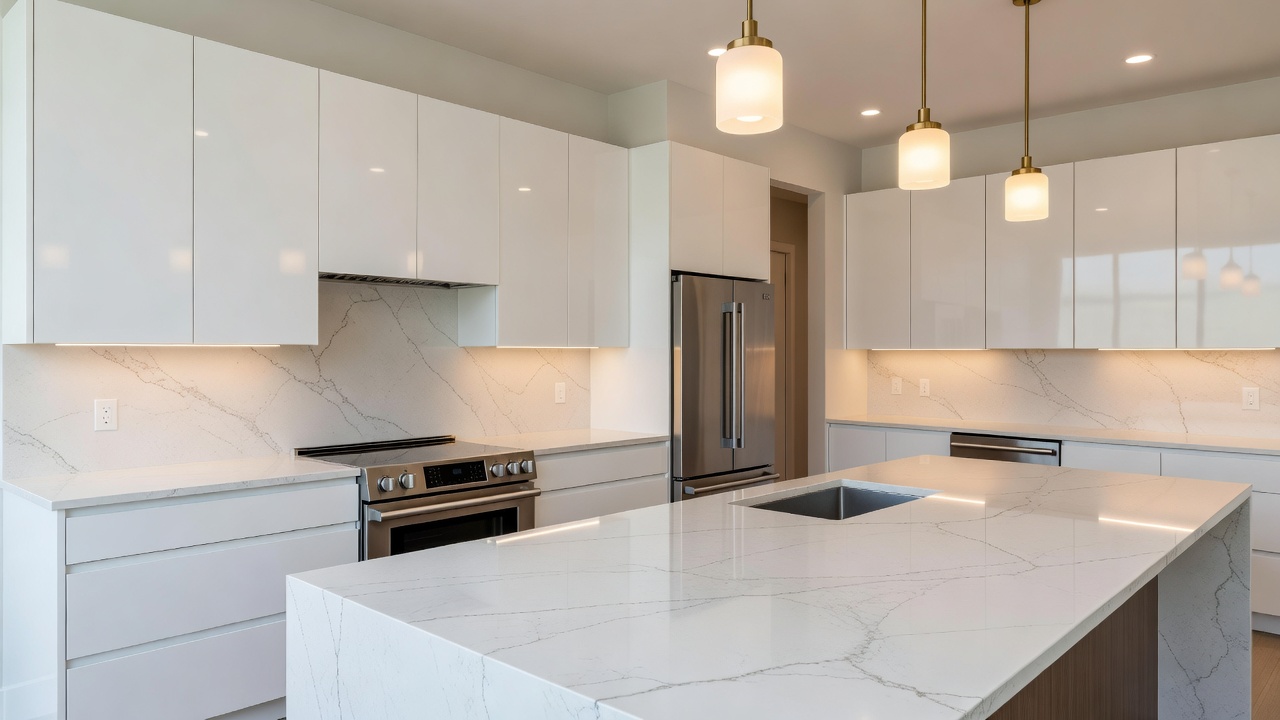
In urban apartments, built-in appliances create a high-end, space-saving kitchen that blends with open-plan living areas. A recent renovation in a loft-style home used integrated dishwashers and refrigerators to maximize counter space while maintaining a minimalist aesthetic that matched the industrial-chic decor. The result was a kitchen that felt twice as large despite its modest footprint.
Suburban family kitchens often favor freestanding ranges and refrigerators for easy access during busy meal prep. These setups allow quick swaps when upgrading to newer models with advanced features. One family in a two-story home replaced their aging freestanding range with a smart model in under an afternoon, avoiding any cabinet modifications.
Cost Considerations
| Aspect | Built-In | Freestanding |
|---|---|---|
| Upfront Investment | Higher due to customization | Lower with standard models |
| Installation Costs | More involved, professional required | Simpler, DIY possible |
| Long-Term Value | Enhanced resale appeal | Good flexibility for changes |
| Repair Expenses | Potentially higher access fees | Generally more affordable |
Qualitative factors like durability and energy savings should guide decisions alongside these comparisons. Homeowners should also factor in potential cabinet modifications and utility upgrades when budgeting for built-in installations.
Decision Checklist for Homeowners
- Assess your kitchen layout and available space by creating a scaled floor plan before selecting styles.
- Determine budget priorities for aesthetics versus flexibility, including allowances for future upgrades.
- Evaluate cabinet compatibility and ventilation needs with your contractor early in the design phase.
- Consider future smart home expansions and whether wiring or hubs will be required.
- Review maintenance access and local installer availability to avoid long wait times for service.
- Check warranty terms for both appliance types and confirm coverage for integrated versus standalone units.
Frequently Asked Questions
How does ventilation differ between the two?
Built-in appliances often require dedicated ventilation systems integrated into cabinetry, while freestanding models use standard range hoods that are easier to install independently. Proper airflow prevents moisture buildup and extends appliance lifespan in both cases.
Are built-in appliances compatible with existing cabinets?
Compatibility depends on precise measurements; many renovations involve new cabinetry to ensure a perfect fit, whereas freestanding units work with most standard setups without alterations.
Which option supports easier smart feature upgrades?
Freestanding appliances allow simpler additions or replacements, though built-in versions can offer more seamless integration when planned from the start of the renovation.
What common remodeling concerns should I address first?
Focus on cabinet compatibility, electrical load capacity, and ventilation pathways during initial planning to prevent delays once construction begins.
Conclusion
Selecting between built-in and freestanding appliances shapes the success of your kitchen renovation. By evaluating installation, maintenance, smart capabilities, and personal needs through the checklist, you can achieve a functional and stylish space. Explore options thoroughly with your design team to ensure lasting satisfaction with your updated kitchen. Whether you prioritize seamless aesthetics or practical flexibility, the right choice will enhance daily life and support your home's long-term value.
No comments yet. Be the first!