 Fixated on Home

Choosing the Right Contractor for Kitchen Renovations in 2026
Planning a kitchen renovation in 2026 requires more than just picking trendy cabinets or smart appliances. The success of your project hinges on selecting a contractor who understands modern design integration, delivers quality workmanship, and operates transparently. Homeowners searching for reliable professionals often focus on finding experts who can handle everything from sustainable materials to integrated technology without surprises. This guide walks you through a thorough vetting process to ensure your investment yields beautiful, functional results that enhance both daily living and long-term home value. A well-chosen contractor becomes a partner in navigating complex decisions around layout changes, material selections, and technology installations that define contemporary kitchens.
Why the Right Contractor Matters for Modern Kitchen Upgrades
Kitchen renovations blend aesthetics with practicality. In 2026, trends emphasize open layouts, energy-efficient appliances, and smart home features that connect seamlessly with the rest of your living space. A skilled contractor ensures these elements work together while complying with local codes. Poor contractor choices can lead to delays, budget overruns, or designs that clash with your home's overall style. Beyond aesthetics, the right professional brings knowledge of building codes, permitting processes, and supply chain realities that affect timelines. They also coordinate with architects, designers, and inspectors to create cohesive outcomes. Homeowners who invest time upfront in selection often report higher satisfaction and fewer post-project issues, as the contractor anticipates challenges like integrating new plumbing with existing structures or optimizing for natural light in smaller spaces.
Step 1: Verify Licensing, Insurance, and Credentials
Begin by confirming the contractor holds current state and local licenses for kitchen remodeling work. Request proof of general liability insurance and workers' compensation coverage to protect against accidents on your property. Check reviews on trusted platforms and confirm membership in professional organizations. Reliable contractors willingly provide references from recent projects completed within the last year. Start your verification by searching official state licensing boards, which often maintain online databases searchable by name or license number. Cross-reference insurance certificates directly with the issuing company to avoid forged documents. Additionally, review any certifications in specialized areas such as green building practices or smart home installations. This foundational step filters out unqualified candidates early and establishes a baseline of professionalism and accountability that carries through the entire project.
Step 2: Assess Experience with 2026 Kitchen Trends
Modern renovations often incorporate sustainable cabinetry, induction cooking, and voice-activated lighting systems. Ask candidates about specific projects involving these features. Experienced contractors stay updated on evolving building standards and material innovations, ensuring your kitchen feels current rather than dated after completion. Discuss how they approach trends like mixed-material countertops, hidden appliance garages, and wellness-focused elements such as improved ventilation and non-toxic finishes. Inquire about their familiarity with energy-efficient certifications and how they source materials that reduce environmental impact without sacrificing durability. This conversation reveals whether the contractor merely follows trends or truly understands how to adapt them to your home's architecture and lifestyle needs, leading to more personalized and enduring designs.
Step 3: Review Portfolios and Real Project Examples
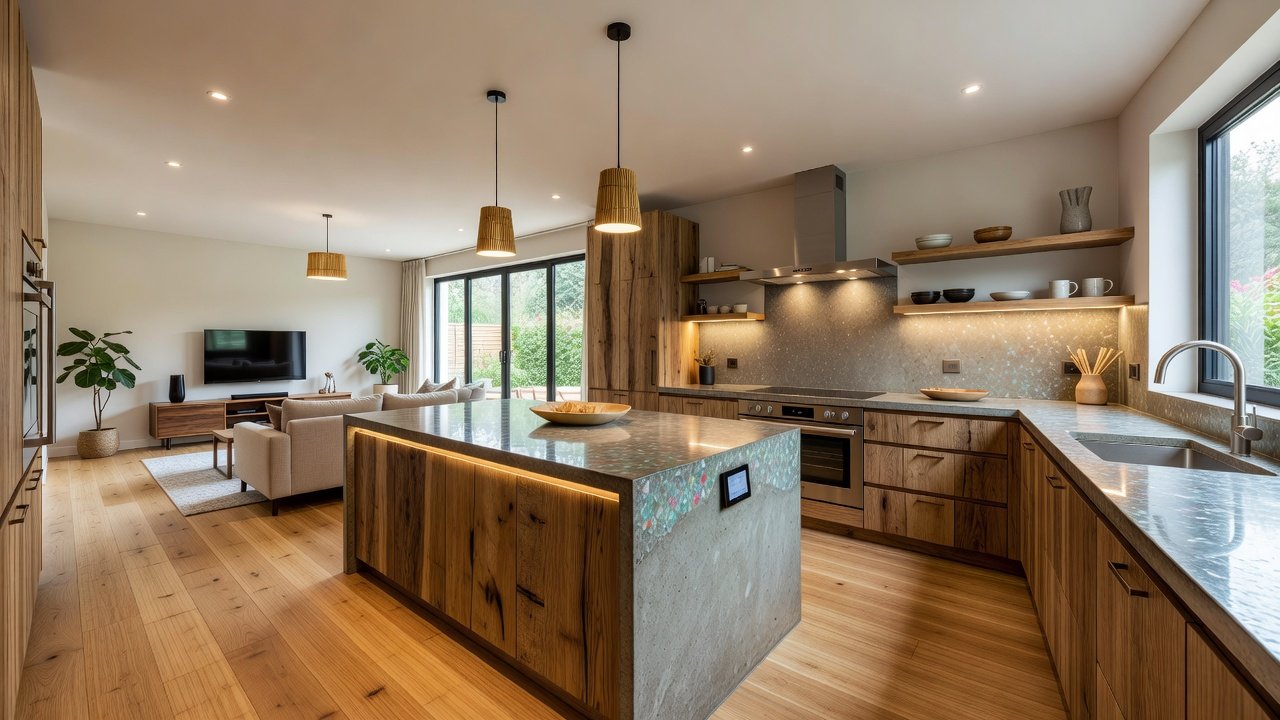
Examine detailed portfolios showcasing before-and-after photos of completed kitchens. Look for diversity in styles, from minimalist to transitional designs that integrate well with adjacent living areas. Request case studies highlighting how they solved challenges like awkward layouts or outdated plumbing. Pay close attention to details such as cabinet hardware selection, backsplash patterns, and lighting layering that demonstrate attention to both function and visual harmony. Ask for contact information from past clients so you can inquire about communication styles, adherence to timelines, and overall satisfaction. Strong portfolios will include technical drawings, material specifications, and explanations of design choices that addressed unique homeowner requirements, giving you concrete evidence of the contractor's problem-solving abilities.
Step 4: Prepare Targeted Interview Questions
Schedule in-person or video meetings with at least three contractors. Use these questions to gauge expertise:
- How do you incorporate current trends like smart storage solutions while maintaining timeless appeal?
- Can you provide examples of projects completed on schedule in the past 12 months?
- What is your process for managing subcontractors and material deliveries?
- How do you handle unexpected issues such as structural surprises during demolition?
- Describe your approach to integrating smart home technology with traditional kitchen elements.
- How do you ensure sustainable practices in material selection and waste management?
- What ongoing training do you and your team pursue to stay current with 2026 design and building innovations?
These questions help uncover not only technical skills but also project management strengths and commitment to client education throughout the renovation process.
Red Flags to Avoid During Selection
Steer clear of contractors who pressure for immediate decisions, lack detailed written estimates, or refuse to provide references. Vague answers about timelines or unwillingness to discuss warranties signal potential problems. Watch for signs such as reluctance to visit your site for a thorough assessment, heavy reliance on subcontractors without clear oversight plans, or negative online reviews mentioning poor communication and unfinished work. Another warning indicator is contractors who cannot explain their permitting process or who suggest bypassing local regulations. Always verify insurance details directly with providers rather than relying solely on paperwork, and trust your instincts if interactions feel rushed or evasive.
Contract Essentials and Payment Structures
A solid contract outlines scope of work, materials, timelines, payment milestones, and change order procedures. Include clauses for warranties covering labor and products. Break payments into phases tied to progress, such as after demolition, rough-in, and final inspection. This approach protects both parties and maintains accountability. Ensure the document specifies exact products by brand and model number to prevent substitutions. Detail responsibilities for site cleanup, debris removal, and final walkthrough inspections. Add provisions for dispute resolution and extensions due to unforeseen delays like supply shortages. Reviewing the contract with a trusted advisor before signing helps catch ambiguities that could lead to misunderstandings later.
Practical Cost Comparisons and Budget Planning
Kitchen renovation expenses vary based on scope, materials, and location. Focus on value rather than lowest bids by comparing detailed line-item proposals. Factor in allowances for high-quality finishes that align with 2026 design preferences. Obtain multiple bids and review them side-by-side to identify realistic pricing without hidden fees. Consider how each contractor proposes allocating resources toward high-impact areas like cabinetry and lighting versus lower-priority elements. This comparative analysis reveals which professionals prioritize quality and efficiency, helping you select a partner who maximizes your investment through thoughtful planning rather than cutting corners.
Real-World Success Stories
One homeowner in a suburban neighborhood transformed a cramped 1990s kitchen into an open-concept space with integrated smart appliances. Their chosen contractor coordinated with designers to blend the new layout with the home's existing architecture, resulting in increased property value and daily usability. Another project successfully merged sustainable bamboo cabinetry with energy-efficient lighting, completed without disrupting family routines. A third example involved a historic home where the contractor preserved original character while introducing modern functionality, using custom millwork and hidden technology to honor the property's heritage. These cases illustrate how experienced professionals adapt solutions to specific contexts, delivering results that exceed basic expectations through creativity and precision.
FAQ: Timelines, Warranties, and Next Steps
How long does a typical kitchen renovation take?
Most projects span 6 to 12 weeks depending on complexity and material availability. Clear communication during planning helps set accurate expectations and accounts for variables like custom orders or permitting timelines.
What warranties should I expect?
Look for at least one year on labor and manufacturer warranties on appliances and fixtures. Some contractors offer extended coverage for structural elements, and discussing these terms upfront clarifies long-term protection.
When should I start the hiring process?
Begin vetting contractors 3 to 6 months before your desired start date to allow time for design finalization and permitting. Early engagement also provides opportunities to refine ideas based on contractor input.
How can I ensure ongoing communication during the project?
Establish weekly check-in meetings and designate a single point of contact. Written progress reports and shared project management tools help keep everyone aligned on milestones and any adjustments needed.
Conclusion
Selecting the right contractor transforms your kitchen renovation vision into reality. By methodically checking credentials, evaluating trend expertise, analyzing portfolios, and asking the right questions, you minimize risks and maximize satisfaction. Take time to compare options thoroughly and prioritize professionals who demonstrate reliability and clear communication. Your 2026 kitchen upgrade deserves nothing less than expert execution that results in a space tailored perfectly to your needs.

No comments yet. Be the first!