 Fixated on Home
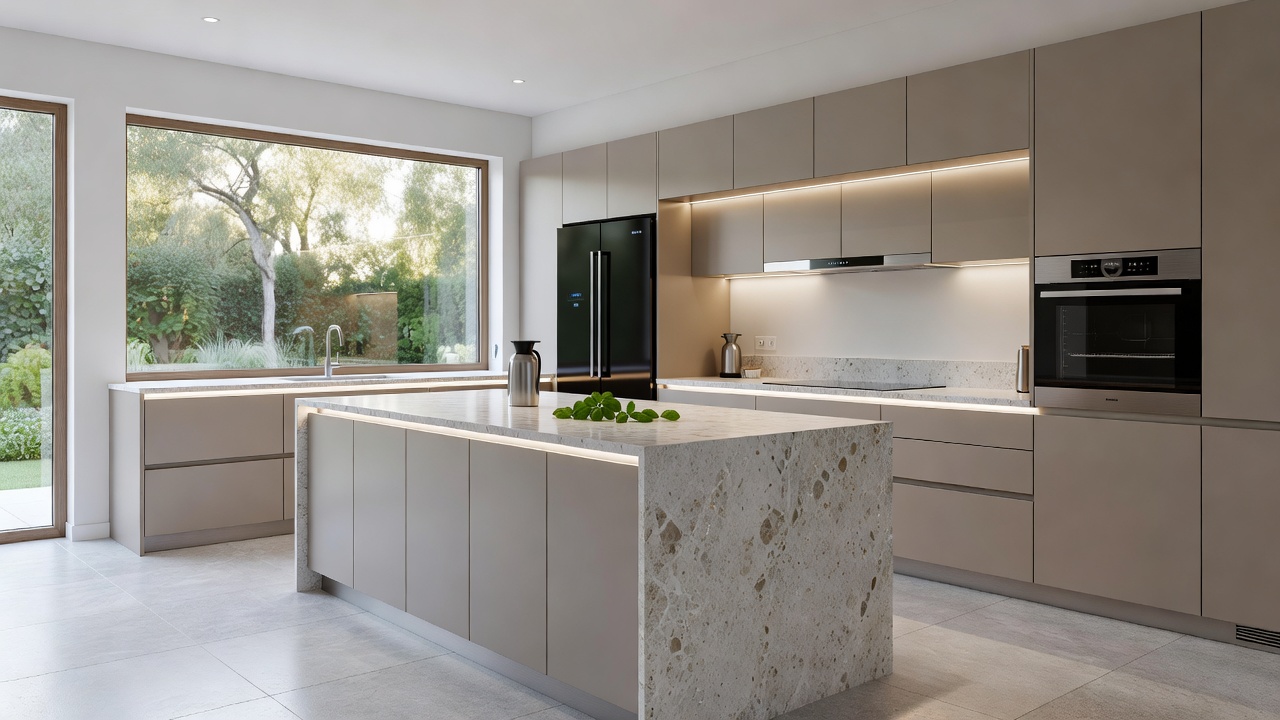
Introduction to Energy-Efficient Kitchen Renovations in 2026
Homeowners today are increasingly focused on creating kitchens that combine modern aesthetics with sustainability. An energy-efficient kitchen renovation not only lowers utility bills but also supports environmental goals aligned with 2026 home design trends. This guide walks through every stage, from assessing your current setup to selecting materials that minimize waste, helping you achieve long-term savings and a healthier living space. By prioritizing efficiency, you contribute to reduced carbon footprints while enhancing daily comfort and home value over time.
Evaluating Your Current Kitchen Energy Use
Before starting any renovation, assess how your kitchen consumes energy. Begin by reviewing utility bills over the past year to identify peak usage periods. Tools like home energy monitors can reveal which appliances draw the most power. Focus on refrigeration, cooking, and lighting as primary culprits. Professional energy audits provide detailed reports and recommendations tailored to your home's layout. Consider tracking usage patterns during different seasons to pinpoint inefficiencies, such as older appliances running continuously or poor insulation allowing heat loss. This foundational step ensures your renovation targets the highest-impact areas for maximum returns.
Selecting High-Efficiency Appliances
Choosing appliances with superior energy performance is central to any upgrade. Look for models certified for efficiency that integrate seamlessly into contemporary designs. Compare features such as variable-speed compressors in refrigerators and induction cooktops that use less energy than traditional electric ranges. These selections contribute to reduced household emissions while delivering reliable performance. Dishwashers with soil sensors and ovens with convection modes further optimize energy use during operation. Homeowners should evaluate appliance size relative to household needs to avoid oversizing, which wastes resources. Integration with smart controls allows remote monitoring and scheduling, aligning with modern living patterns.
Comparing Energy Ratings for Smart Choices
Energy ratings help homeowners make informed decisions. Systems like ENERGY STAR provide standardized metrics for appliances, allowing direct comparisons of annual energy consumption. Higher-rated units often feature advanced insulation and smart controls. Review these ratings alongside your household size and usage patterns to select the best options for maximum efficiency gains. Understanding the differences between regional rating systems and international standards can also guide purchases, especially when sourcing from multiple suppliers. This comparison process prevents common pitfalls like selecting visually appealing but inefficient models that fail to deliver promised savings.
Smart Insulation and Ventilation Strategies
Effective insulation and ventilation prevent energy loss while maintaining indoor air quality. Install high-performance window films or upgraded seals around cabinets and doors. For ventilation, opt for range hoods with variable speeds and heat recovery systems that capture warmth before it escapes. These strategies align with 2026 trends emphasizing airtight yet breathable home environments. Additional measures include adding insulation to walls adjacent to the kitchen and using exhaust fans with timers to reduce unnecessary runtime. Proper ventilation also mitigates moisture buildup, protecting cabinetry and preventing mold growth in humid climates.
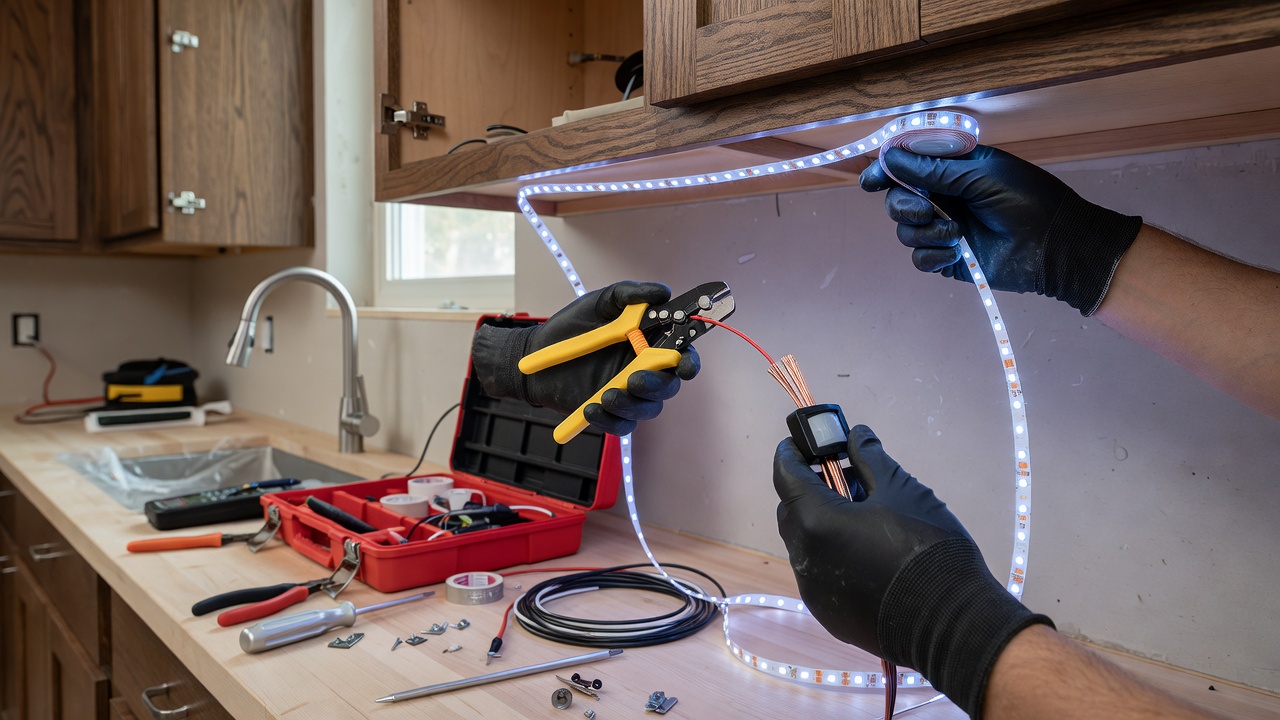
Step-by-Step LED and Sensor Lighting Installation
Lighting upgrades offer quick wins for efficiency. Follow these steps for LED and sensor integration: 1) Map existing circuits and remove old fixtures safely. 2) Install LED strips under cabinets with motion sensors for hands-free operation in high-traffic areas. 3) Connect to a smart hub for scheduling and dimming based on natural light levels. 4) Test for even illumination and adjust placement to eliminate shadows on countertops. 5) Incorporate task lighting over sinks and islands with occupancy sensors. This approach cuts lighting energy use significantly while enhancing usability. Real-world examples show families reducing their lighting-related consumption by replacing outdated fluorescents with LEDs that last longer and produce less heat.
Material Choices That Reduce Waste
Select sustainable materials such as recycled countertops, bamboo cabinetry, and low-VOC finishes. These options lower embodied carbon and promote circular economy principles. Avoid single-use plastics during installation by choosing reusable templates and offcuts for smaller projects. Such choices support both aesthetic appeal and environmental responsibility. Consider sourcing locally to minimize transportation emissions and opting for durable surfaces that require less frequent replacement. Examples include quartz composites made from recycled content or cabinet doors crafted from reclaimed wood, which add unique character while aligning with waste-reduction goals.
Incorporating Smart Home Technology for Energy Management
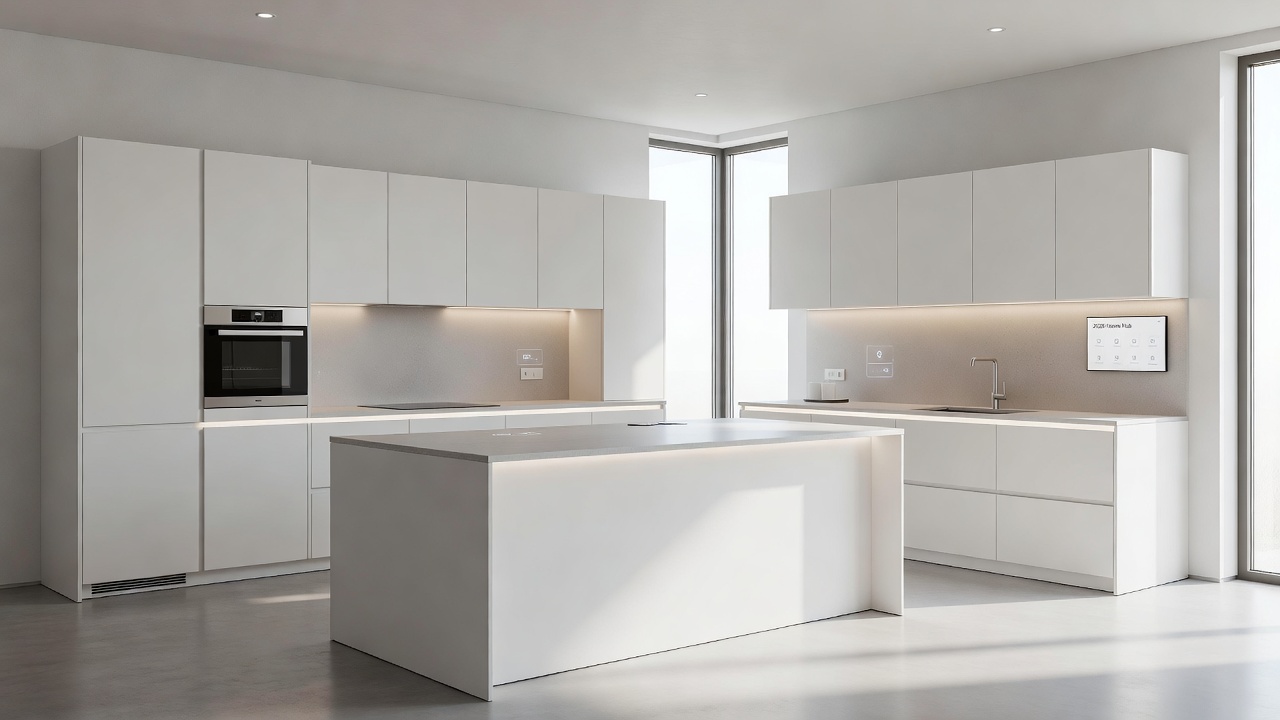
Modern renovations benefit from integrated smart systems that monitor and optimize energy use in real time. Install smart thermostats connected to kitchen zones, along with power strips that automatically shut off standby devices. Apps allow tracking of consumption trends and alerts for anomalies. These technologies complement physical upgrades by providing data-driven insights, enabling adjustments that further enhance efficiency. For instance, linking lighting and appliances to a central hub can synchronize operations with peak solar generation if paired with home renewable systems.
Real-World Case Studies and ROI Examples
Case studies from recent renovations demonstrate clear returns. One suburban home reported substantial drops in monthly energy costs after appliance and insulation upgrades, with payback achieved within several years through consistent monitoring. Another urban project highlighted improved indoor comfort and resale value after incorporating LED lighting and smart ventilation. A third example involved a family who replaced old materials with sustainable alternatives, noting reduced waste during construction and ongoing environmental benefits. These examples underscore how strategic investments deliver both financial and ecological benefits over time, often exceeding initial expectations when combined with behavioral changes like mindful appliance use.
Mistakes to Avoid in Energy-Efficient Renovations
Common errors include overlooking comprehensive energy audits before purchasing, which leads to mismatched upgrades. Another pitfall is prioritizing aesthetics over verified efficiency ratings, resulting in higher long-term costs. Failing to check local incentives or permits can also delay projects and reduce savings. Always verify contractor expertise in sustainable practices to ensure proper installation of insulation and smart features.
Practical Checklists for Your Project
- Inventory current appliances and note their ages and ratings.
- Prioritize insulation upgrades in high-traffic zones.
- Schedule lighting retrofits during off-peak contractor hours.
- Verify all materials meet local sustainability standards.
- Track progress with before-and-after photos for documentation.
- Research available rebates through official energy programs.
- Test new systems thoroughly before finalizing the project.
Before-and-After Metrics to Track Success
Measure success through quantifiable changes. Homeowners typically see reductions in annual energy consumption after comprehensive upgrades. Monitor metrics like kWh usage, indoor temperature stability, and waste diverted from landfills. These data points validate your renovation's impact and guide future improvements. Additional tracking of water usage in dishwashers or air quality improvements provides a holistic view of benefits, supporting decisions for ongoing maintenance.
FAQ: Budget and Permit Questions
How do I budget for an energy-efficient kitchen renovation?
Focus on phased implementation, starting with high-impact items like appliances and lighting. Research available incentives through government programs to offset initial outlays.
Do I need permits for insulation or appliance changes?
Check local building codes, as electrical and ventilation modifications often require permits. Consulting a licensed contractor early ensures compliance and avoids delays.
What are common mistakes to avoid?
Skipping energy audits or choosing the lowest-cost options without verifying ratings can limit long-term savings. Always cross-reference product specifications with authoritative sources.
How long does a typical project take?
Timelines vary but often span several weeks to a few months depending on scope, with efficiency installations integrated throughout the process.
Conclusion
Embracing energy-efficient practices in your 2026 kitchen renovation creates lasting value. By combining thoughtful evaluation, premium appliance selection, and sustainable materials, you achieve both cost savings and environmental stewardship. Start planning today to transform your space into a model of modern efficiency. For more guidance, explore resources from the U.S. Department of Energy and ENERGY STAR.
No comments yet. Be the first!