 Fixated on Home
Introduction to Global Kitchen Inspirations
Modern homeowners are moving beyond generic trends to incorporate cultural elements that add personality and efficiency to their kitchens. Blending international design influences allows for spaces that feel both timeless and contemporary. This approach draws from Japanese minimalism, Mediterranean vibrancy, and Scandinavian practicality to create functional upgrades tailored to diverse lifestyles and spatial constraints.
These styles emphasize thoughtful material choices and layouts that enhance daily use while reflecting personal heritage or travel inspirations. By integrating these elements, kitchens become more than cooking areas—they serve as cultural hubs within the home that promote organization, warmth, and usability. Homeowners seeking distinctive upgrades often find that global inspirations provide fresh perspectives on storage, color, and workflow that standard trends overlook.
Successful integration requires understanding each style's core principles before adapting them to local building codes and personal preferences. This comprehensive guide covers key subtopics in depth, offering actionable advice for renovations of any scale.
Japanese Minimalism for Storage Efficiency
Japanese design prioritizes simplicity and order, making it ideal for optimizing kitchen storage in both compact urban apartments and spacious suburban homes. Features like hidden cabinetry, vertical shelving, and multi-functional islands reduce clutter while maximizing space. This style uses clean lines and neutral palettes to create a serene environment that supports efficient meal preparation and reduces visual stress during busy routines.
Practical implementation involves assessing current storage needs through a detailed inventory of appliances, cookware, and pantry items. Incorporate elements such as pull-out drawers, wall-mounted magnetic knife strips, and modular shelving inspired by traditional Japanese homes. The focus remains on quality over quantity, selecting pieces that serve multiple purposes like a countertop that doubles as a prep station and dining surface. Homeowners report improved workflow after implementing these systems, with less time spent searching for items.
To maintain the minimalist aesthetic, choose hardware in matte finishes and avoid over-decorating open surfaces. This approach pairs well with smart storage solutions that hide small appliances behind seamless doors.
Mediterranean Tile Patterns for Backsplashes
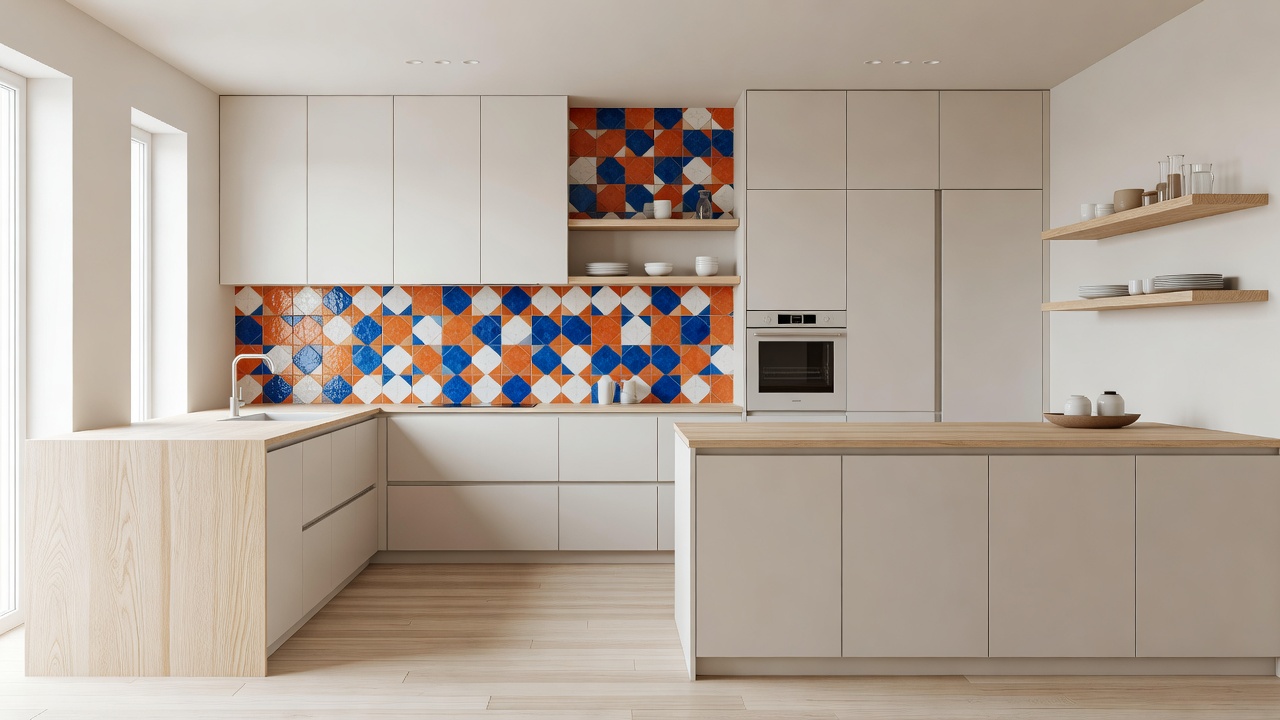
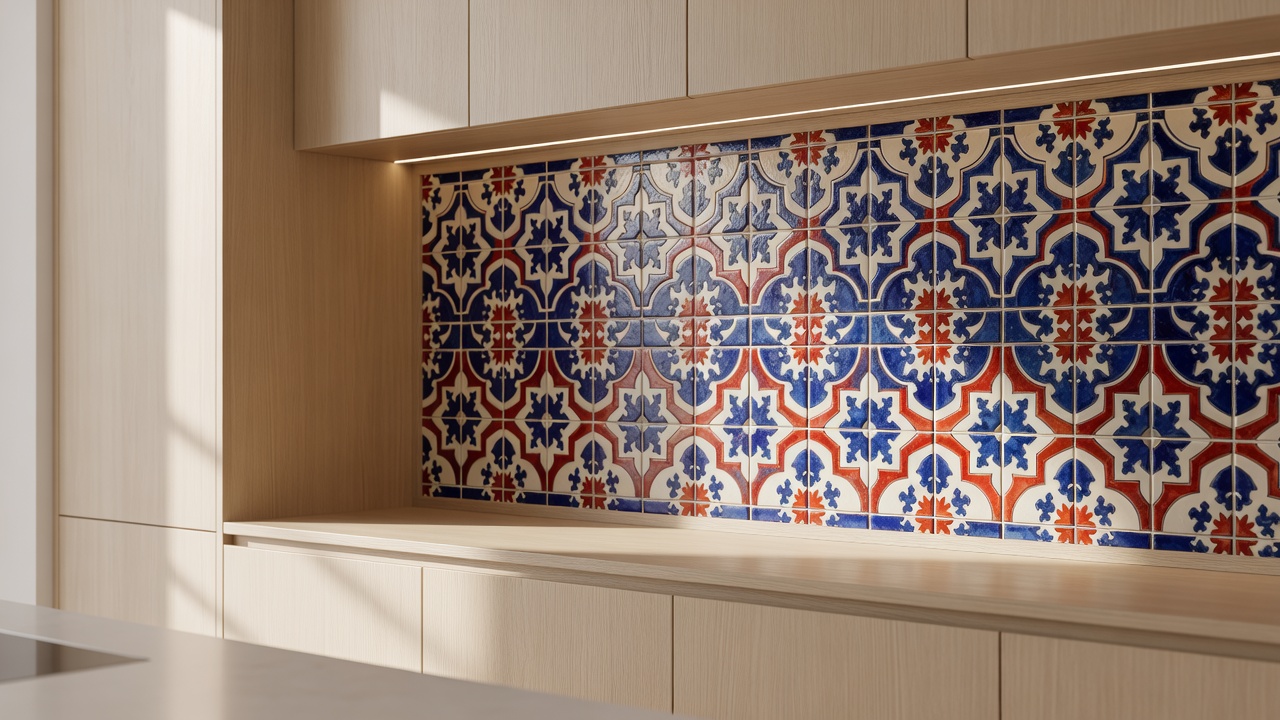
Mediterranean influences bring warmth through intricate tile work, particularly for backsplashes. Patterns featuring geometric motifs or hand-painted ceramics add texture and color without overwhelming modern aesthetics. These designs draw from regions like Spain and Italy, where tiles have long been used for both durability and artistic expression in everyday living spaces.
When adapting this style, pair bold tiles with sleek countertops to maintain balance. The result is a backsplash that acts as a focal point while protecting walls from spills and heat. Consider grout colors that complement the tile palette to enhance the overall pattern rather than distract from it. Many renovators combine these tiles with under-cabinet lighting to highlight the details during evening hours.
Scandinavian Functionality in Layouts
Scandinavian principles stress functionality and light, leading to open layouts with ample natural illumination. Kitchens often feature ergonomic work triangles, integrated appliances, and sustainable materials that promote ease of movement and maintenance. This approach ensures the space supports both cooking and social gatherings seamlessly, making it popular for family-oriented homes.
Layouts typically include ample counter space and strategic placement of sinks and stoves to minimize steps during use. Neutral tones and wood accents enhance the airy feel characteristic of this style. Incorporate elements like floating shelves and built-in seating to maximize every square foot without sacrificing accessibility.
Practical Steps for Sourcing Materials
To bring these inspirations to life, follow a structured sourcing process. First, research suppliers specializing in imported tiles and cabinetry through established design networks and trade shows. Second, visit showrooms to evaluate material samples in person for texture, color accuracy under different lighting, and overall quality. Third, consult local artisans or fabricators who can customize pieces to fit specific dimensions and comply with regional safety standards. Fourth, verify sustainability credentials such as FSC certification for wood products to align with modern eco-conscious preferences. Finally, create a timeline that accounts for shipping delays from international sources and obtain multiple quotes to manage expenses effectively.
Real-World Examples with Before-and-After Insights
One urban apartment transformed a cramped galley kitchen by applying Japanese storage solutions, resulting in doubled cabinet capacity and a more open feel after removing bulky upper cabinets in favor of vertical systems. Another suburban home incorporated Mediterranean tiles into a backsplash update, shifting from plain white subway tile to vibrant geometric patterns that increased visual interest and reflected the homeowners' travels. A third project blended Scandinavian layout principles in a family kitchen, improving workflow and creating better sightlines to the dining area through repositioned appliances and added natural light sources. A fourth example combined all three styles in a loft renovation, where minimal cabinetry, patterned tiles, and functional zoning created a cohesive international aesthetic that increased the property's appeal and usability for entertaining.
Material Comparisons for Durability
- Porcelain tiles versus ceramic: Porcelain offers superior water resistance and longevity in high-moisture environments, making it preferable for backsplashes near sinks and stoves.
- Engineered quartz countertops compared to natural stone: Quartz provides consistent durability with lower maintenance requirements, resisting stains better in daily cooking scenarios.
- Bamboo cabinetry against traditional hardwood: Bamboo resists warping better in humid climates while offering similar strength and a lighter environmental footprint.
- Stainless steel appliances versus matte black finishes: Stainless steel maintains its appearance longer under frequent cleaning and shows fewer fingerprints over time.
Common Mistakes to Avoid
One frequent error is mixing too many patterns without a unifying color scheme, which can make the space feel chaotic rather than curated. Another is neglecting proper ventilation when adding new tiles or cabinetry, leading to moisture issues. Homeowners should also avoid choosing materials solely for aesthetics without considering long-term maintenance needs in high-traffic kitchens.
FAQ on Adapting Styles to Budgets and Spaces
How can these designs fit small kitchens? Focus on vertical storage from Japanese influences and light-reflecting surfaces from Scandinavian styles to maximize perceived space without major structural changes.
Are Mediterranean tiles suitable for rental properties? Opt for removable adhesive tiles that deliver pattern without permanent changes, allowing easy restoration at lease end.
What if my budget is limited? Prioritize one focal element, such as a statement backsplash, and complement it with neutral base elements from other styles to achieve impact affordably.
Can these inspirations work in large open-plan homes? Yes, use zoning techniques from Scandinavian design to define the kitchen area while incorporating global accents throughout for a harmonious flow.
How do I ensure cultural authenticity without cultural appropriation? Research the origins of each element thoroughly and collaborate with designers familiar with the traditions to honor them respectfully.
Conclusion
Incorporating global kitchen design elements creates personalized spaces that blend efficiency with cultural depth. By thoughtfully merging Japanese minimalism, Mediterranean patterns, and Scandinavian functionality, homeowners achieve modern upgrades that stand the test of time. Start with small integrations and expand based on your unique needs for a truly distinctive result. For further inspiration, explore resources at ArchDaily, Dezeen, and Designboom.
No comments yet. Be the first!