 Fixated on Home
Hidden Appliances Transform 2026 Kitchen Renovations
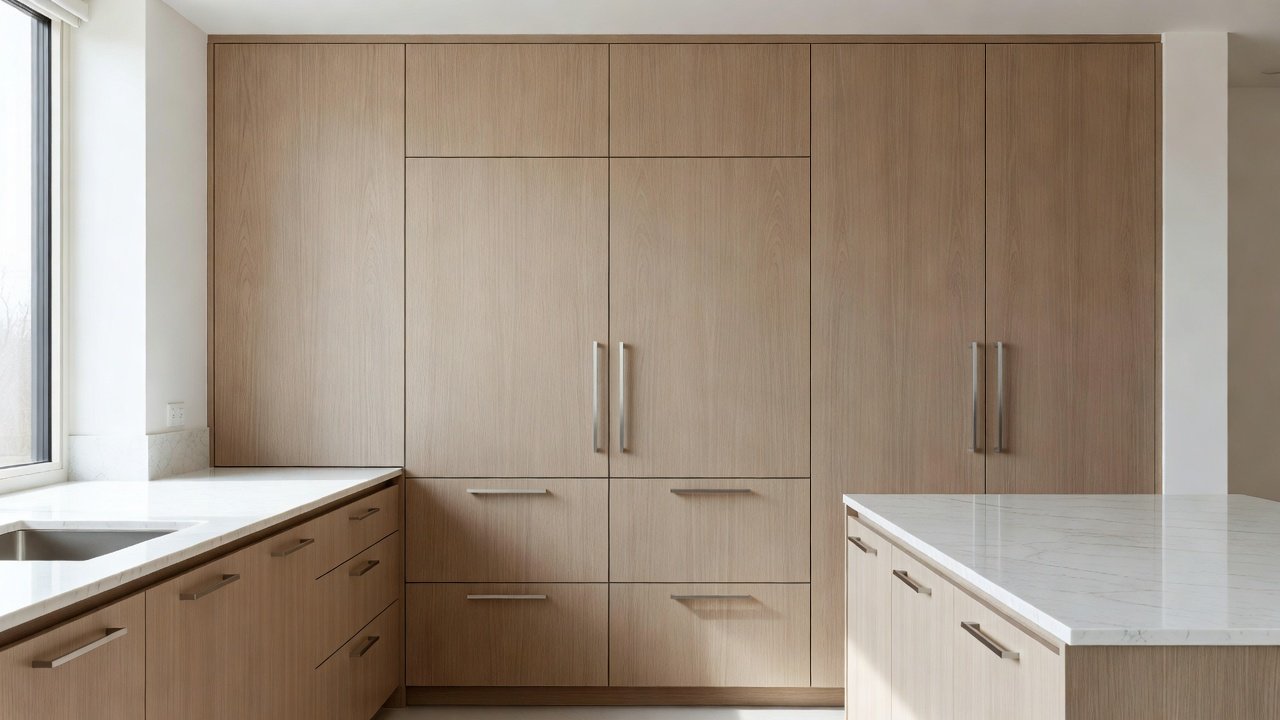
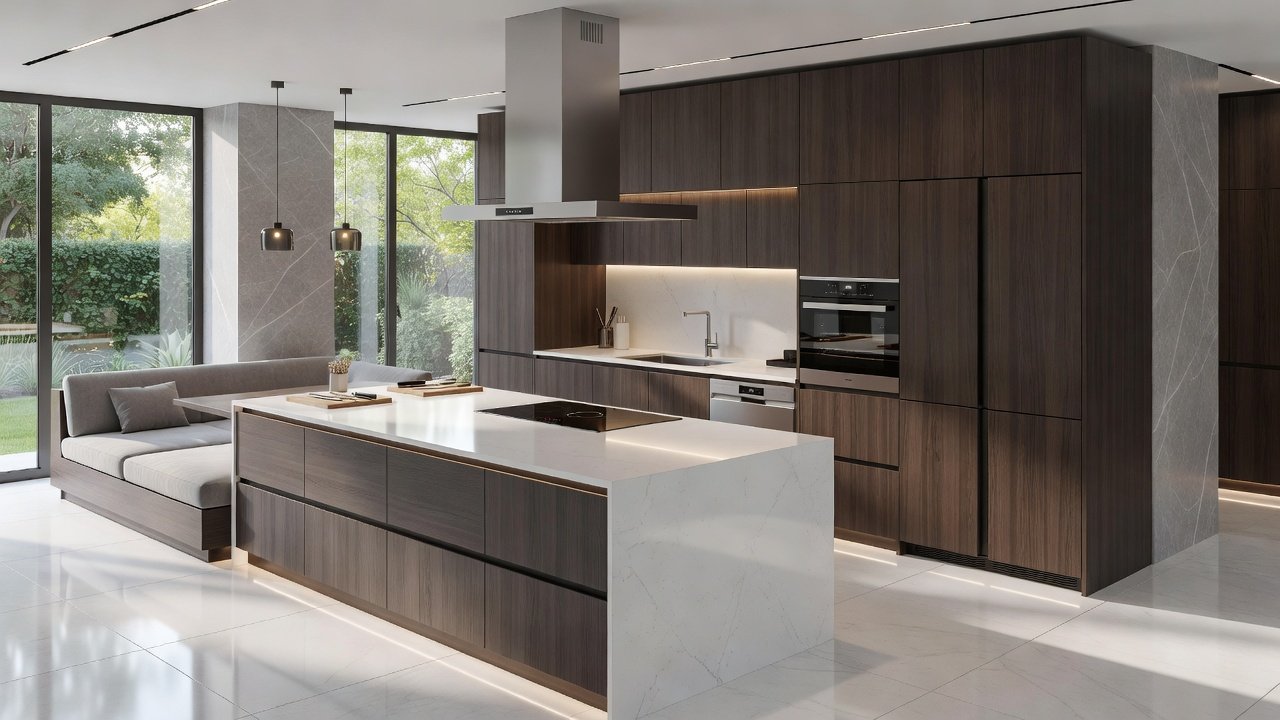
Modern homeowners increasingly choose hidden appliances to achieve clean, minimalist kitchens that feel spacious and timeless. These integrated units blend seamlessly with cabinetry, supporting the 2026 trend toward uncluttered aesthetics without sacrificing performance. Unlike visible traditional models that interrupt design flow, hidden options prioritize visual continuity while delivering reliable daily functionality. The shift reflects broader preferences for streamlined spaces where every element contributes to a cohesive whole rather than standing out as a separate appliance. In practice, this means refrigerators and dishwashers disappear behind custom panels, allowing the kitchen to read as a continuous piece of furniture rather than a collection of machines. Homeowners pursuing renovations in 2026 often cite the desire for calm, organized environments that support both cooking and entertaining without visual noise from stainless steel fronts or protruding handles.
Built-In Refrigerators Versus Traditional Models
Built-in refrigerators sit flush within cabinetry, creating a unified look that enhances modern renovations. Traditional freestanding units often protrude, breaking visual lines and making spaces appear smaller. In recent projects, homeowners report that built-in models improve perceived room size by aligning with surrounding cabinet fronts. Selection involves measuring precise depths to ensure proper ventilation and door swing clearance. Many 2026 renovations pair these units with custom panel kits that match wood finishes or painted surfaces for complete camouflage. Beyond aesthetics, built-in refrigerators frequently offer larger capacities within the same footprint because they utilize the full depth of the cabinet run. Traditional models, by contrast, require additional clearance on all sides for airflow and door operation, which can reduce usable floor space in compact kitchens. Comparisons from completed renovations show that built-in units maintain consistent temperatures more efficiently when properly ventilated, leading to fewer temperature fluctuations during frequent door openings. Practical examples include a coastal home renovation where a 36-inch built-in column refrigerator was installed alongside matching pantry cabinets, creating the illusion of a single wall of storage while providing dedicated zones for fresh produce and beverages.
Dishwashers Designed for Seamless Integration
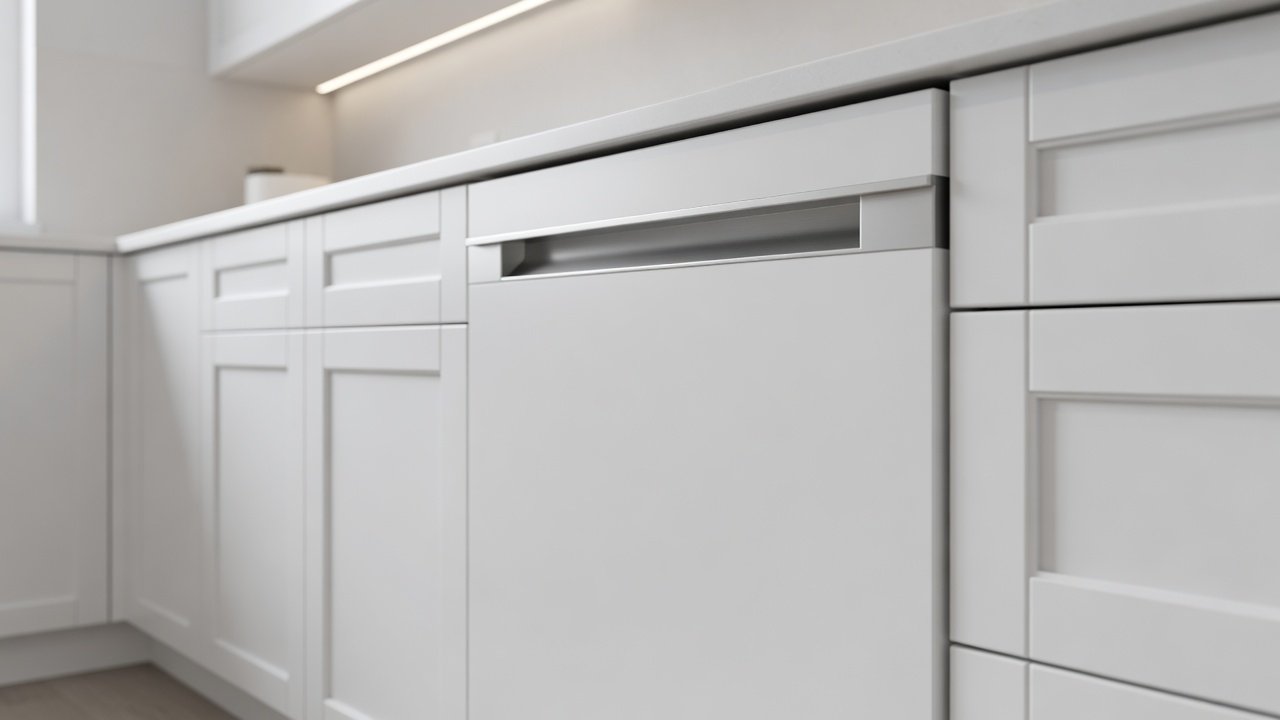
Integrated dishwashers feature customizable door panels that match cabinetry exactly, hiding controls and handles when closed. This approach outperforms traditional exposed stainless steel units in minimalist settings. Installation requires alignment with adjacent cabinet heights and careful routing of water and drainage lines behind the unit. Recent examples from suburban remodels show these dishwashers maintaining quiet operation while supporting full-size capacity for families. Coordination with cabinet makers ensures the panel hardware matches drawer pulls throughout the space. Homeowners appreciate that the integrated design eliminates the visual break caused by a metal door in an otherwise wood-toned kitchen. In one multi-phase renovation, the dishwasher was positioned at the end of a run of base cabinets so the panel could extend the full height of the toe-kick to countertop, resulting in an unbroken horizontal line that draws the eye along the length of the room. Daily use remains straightforward because controls are often located on the top edge of the door, accessible only when the appliance is open.
Overcoming Common Installation Challenges
Integrating hidden appliances demands early planning with contractors and designers. Key challenges include ensuring adequate airflow for refrigeration compressors and routing plumbing without compromising cabinet integrity. Professionals recommend allocating extra space behind units for mechanical access. In one 2025 project completed into 2026, teams used modular cabinet systems to simplify future servicing. Always verify load-bearing requirements and electrical outlets positioned according to manufacturer guidelines before drywall installation. Additional hurdles arise when existing plumbing or electrical runs must be relocated, which can extend timelines if not identified during the demolition phase. Ventilation paths for refrigerators often require custom cutouts in the cabinet carcass or toe-kick returns, and these must be finished to match the surrounding woodwork. Dishwasher installations benefit from flexible supply lines and drain hoses that allow the unit to slide out for maintenance without disconnecting permanent fittings. Coordination meetings between the cabinet maker, electrician, and plumber at the rough-in stage prevent conflicts that would otherwise require expensive rework after cabinets are installed.
Material Coordination With Cabinetry
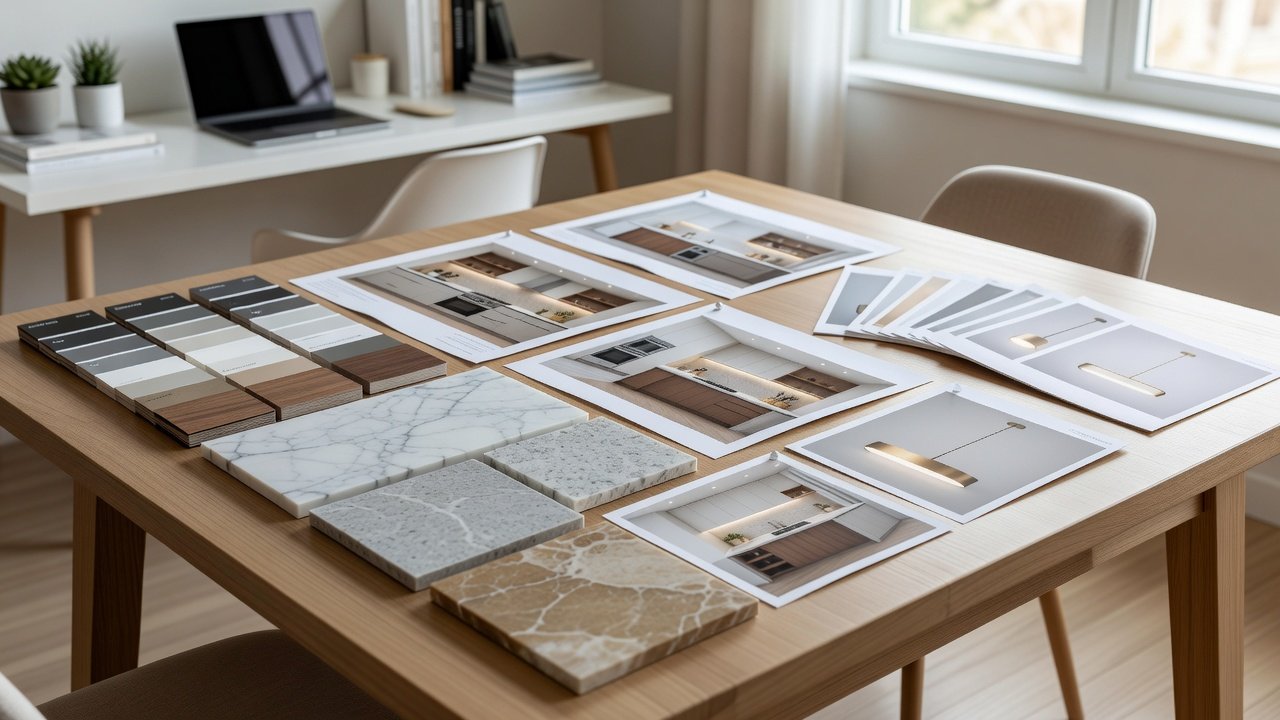
Successful hidden appliance integration hinges on precise material matching. Select finishes such as matte laminates, wood veneers, or painted MDF that replicate cabinet doors. Hardware choices like integrated handles or touch-latch systems maintain the seamless appearance. Recent renovations demonstrate success with European-style hinges that allow full overlay panels. Test samples under different lighting to confirm color consistency across the kitchen. This coordination extends to toe-kick areas and crown molding for a polished, built-in effect. When working with natural wood, grain direction and color variation must be considered so the appliance panel does not appear as an obvious insert. For painted finishes, multiple coats and proper sanding ensure the panel surface matches the sheen of adjacent doors exactly. Some projects incorporate subtle reveals or shadow lines around the appliance to acknowledge its presence without breaking the minimalist intent, creating a refined detail that still reads as intentional design rather than an afterthought.
Daily Functionality and Real-World Performance
Hidden appliances deliver equivalent or superior performance to traditional counterparts when properly specified. Refrigerators maintain consistent temperatures with advanced insulation, while dishwashers offer multiple cycles suited for everyday loads. Homeowners in completed projects note easier cleaning around flush surfaces and reduced visual clutter that promotes calmer meal preparation. Practical examples include urban townhome renovations where space constraints favored slim-profile integrated units without compromising storage capacity. In family kitchens, the ability to load and unload dishes without the appliance door swinging into traffic paths improves workflow. Refrigerators with hidden designs often include adjustable shelving and door bins that maximize interior space, making it easier to organize groceries efficiently. Over time, the seamless surfaces also collect less dust and fingerprints compared to exposed appliance fronts, reducing the frequency of deep cleaning sessions.
Step-by-Step Selection Advice
- Assess your kitchen footprint and measure existing cabinet depths early.
- Review appliance specifications for ventilation and utility hookups.
- Consult cabinet fabricators to order matching panels during the design phase.
- Evaluate energy performance ratings from Energy Star to balance efficiency with integration needs.
- Schedule site visits with installers to confirm clearances and access points.
- Test door alignments and panel finishes before final cabinet sealing.
Cost-Benefit Considerations
While initial outlays for hidden appliances exceed those of freestanding models, long-term value emerges through elevated home resale appeal and design cohesion. Qualitative benefits include simplified maintenance routines and enhanced property aesthetics that align with current buyer preferences. Recent market observations as of late 2026 indicate sustained demand for integrated solutions in renovation budgets focused on timeless updates rather than frequent replacements. The investment supports a kitchen that feels custom rather than assembled, which can differentiate a property in competitive housing markets.
Mistakes to Avoid
- Neglecting ventilation requirements behind built-in refrigerators, which can lead to premature compressor failure.
- Choosing panel materials without testing for humidity resistance in areas near sinks or dishwashers.
- Installing appliances before final cabinet finishing, resulting in misaligned panels.
- Overlooking future service access, making repairs more invasive than necessary.
- Selecting units with incompatible depths that prevent a true flush fit with surrounding cabinetry.
FAQ
Do hidden appliances cost more to maintain?
Maintenance aligns closely with traditional models when units receive proper installation and regular servicing. Access panels facilitate repairs without full cabinet disassembly.
Can existing kitchens be retrofitted with hidden appliances?
Retrofitting is possible but often requires cabinet modifications and utility adjustments. Professional assessment determines feasibility based on current layouts and structural constraints.
How do hidden appliances affect resale value?
Well-executed integrations typically support higher perceived value by delivering modern, streamlined kitchens that appeal to broad buyer demographics in 2026.
What size considerations matter most for hidden refrigerators?
Depth alignment with cabinet carcasses and allowance for door swing clearance are critical. Column-style units offer flexibility for custom configurations.
Are there limitations on dishwasher capacity when using integrated models?
Most integrated dishwashers maintain full-size interior dimensions despite the added panel, preserving standard rack capacity for typical household loads.
Conclusion
Hidden appliances represent a strategic choice for 2026 kitchen renovations seeking minimalist sophistication. By addressing installation details, material harmony, and daily usability, homeowners achieve enduring results that balance form and function. Explore options with trusted professionals to tailor solutions to your specific renovation goals.
No comments yet. Be the first!