 Fixated on Home
Infusing Personality into Modern Kitchen Renovations
Modern kitchen renovations often prioritize sleek lines and high-end appliances, but true standout spaces reflect the homeowner's unique personality. This guide explores practical ways to blend individual style with contemporary design principles, moving beyond standard layouts to create kitchens that feel personal and inviting. Homeowners seeking unique remodeling tips will find actionable strategies here that emphasize creativity without sacrificing the clean aesthetics and efficiency modern designs demand.
Understanding Modern Kitchen Design Principles
Contemporary kitchens emphasize minimalism, open layouts, and smart functionality. Core elements include handleless cabinets, integrated appliances, and neutral color schemes that create a sense of spaciousness. However, integrating personality requires thoughtful customization. Homeowners can start by assessing their lifestyle needs and aesthetic preferences before selecting materials or decor. For inspiration on global trends, check resources from Houzz. Understanding these foundations allows you to layer personal touches effectively rather than fighting against the modern framework. Consider factors like natural light flow, traffic patterns, and family usage when planning customizations to ensure the space remains practical for daily life.
Integrating Statement Decor
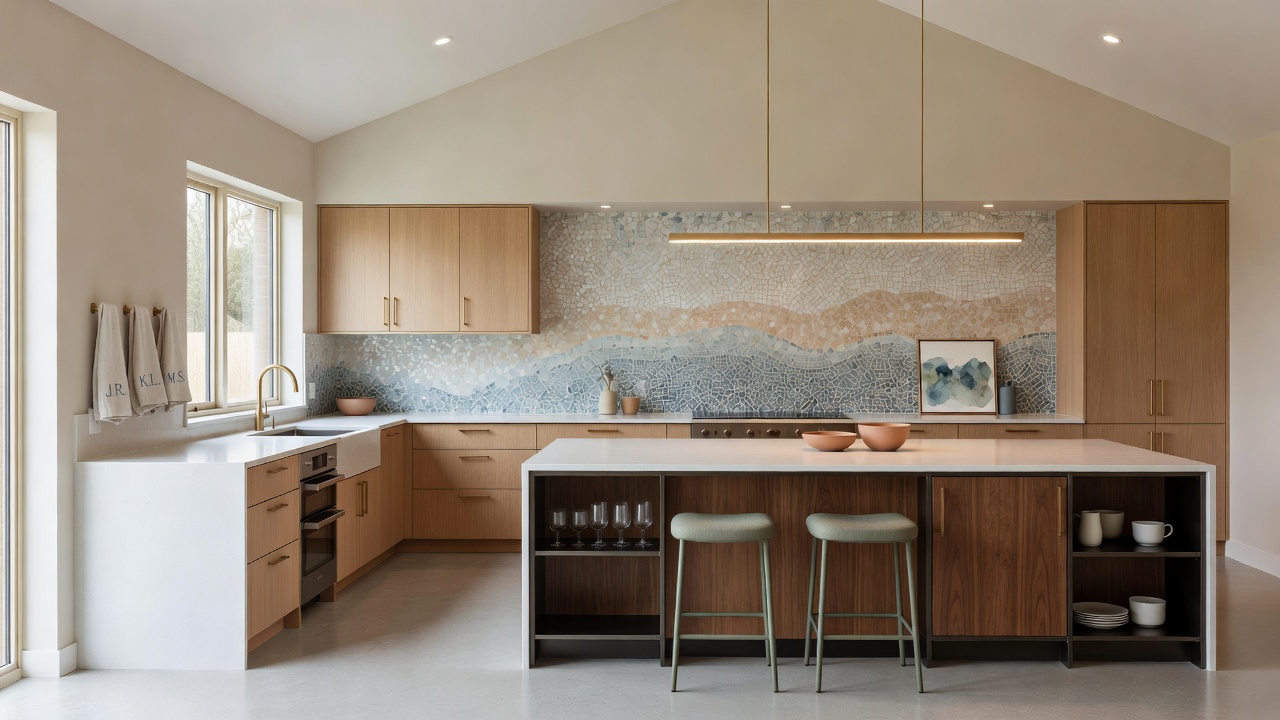
Statement pieces like oversized pendant lights, bold artwork, or sculptural hardware transform neutral kitchens into personal sanctuaries. Consider a vibrant mosaic tile backsplash or a reclaimed wood feature wall that tells a story. In one real renovation in Seattle, a family incorporated vintage family photos framed in modern black metal, creating a conversation starter without overwhelming the space. Another example from a Portland home featured a large-scale abstract painting mounted above the breakfast nook, chosen to echo the homeowners' art collection from their travels.
Practical Examples from Real Projects
A Chicago loft renovation mixed industrial metal shelving with colorful ceramic dishware collections, showcasing the owner's travel souvenirs. This approach keeps the modern base while adding warmth through curated displays. In a suburban Austin project, homeowners installed open shelving that displayed handmade pottery from local artisans, turning storage into an opportunity for self-expression. These examples demonstrate how statement decor can be both functional and deeply personal when selected with intention.
Custom Material Mixes for Unique Flair
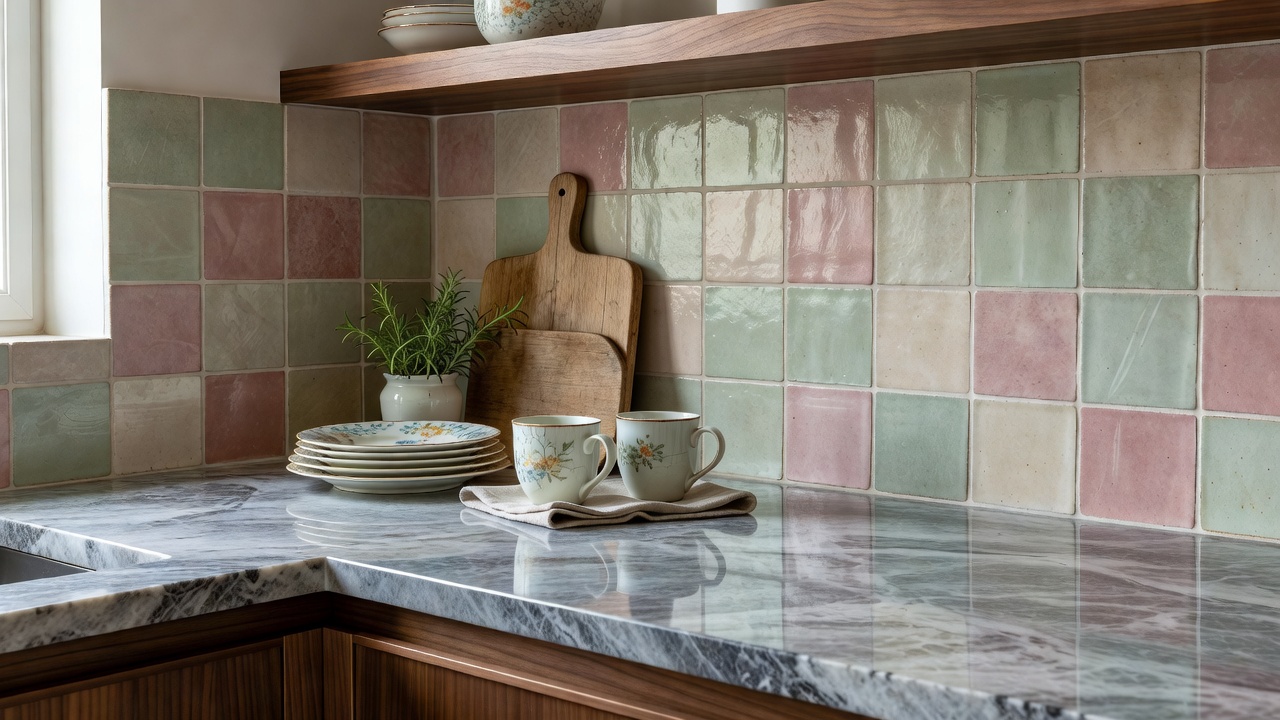
Blending materials such as matte black cabinets with warm walnut accents or quartz countertops paired with handmade ceramic tiles adds depth and texture. Step-by-step techniques include choosing a dominant neutral palette as your foundation, layering two contrasting textures like polished metal and natural stone, testing samples in your lighting conditions before committing, and consulting with suppliers for sustainable options that align with your values. Subtle mixes, such as soft gray tones with brushed brass, suit minimalist tastes, while bold combinations like emerald green lacquer and terrazzo deliver drama and energy to the room.
Further details on material selection involve evaluating durability alongside visual appeal. For instance, pairing a honed granite countertop with lacquered cabinet fronts creates contrast that highlights craftsmanship. Real-world applications show how these mixes prevent the kitchen from feeling sterile, instead fostering a welcoming environment tailored to the residents.
Balancing Trends with Individual Taste
Popular trends like waterfall islands or smart appliances should support rather than dictate your design. Compare subtle approaches—such as incorporating one trending element like a hidden charging station—with bold statements like a fully custom painted range hood. A Boston renovation succeeded by pairing a trending matte black faucet with heirloom copper cookware displayed openly. Weighing these options helps avoid fleeting fads while still participating in current design movements. Homeowners should evaluate each trend against their long-term lifestyle needs to maintain balance.
Step-by-Step Personalization Techniques
Follow these detailed steps for successful personalization. First, define your core personality elements, like hobbies or color affinities, by creating a mood board with images from magazines and online sources. Second, sketch layouts prioritizing workflow while reserving display zones for meaningful items. Third, collaborate with designers to source unique finds from local artisans, ensuring pieces fit seamlessly into the modern structure. Fourth, iterate with temporary installs like removable wallpaper or portable lighting before permanent changes. Fifth, incorporate sensory details such as textured fabrics on bar stools or aromatic herb planters near windows. These methods ensure functionality remains intact alongside creative elements and allow for adjustments based on real use.
Real Renovation Case Studies
Examining completed projects provides concrete insights. In a New York apartment, the owners transformed a compact kitchen by adding a custom herb garden wall that doubled as a backsplash, blending urban living with a love for cooking. A family in Denver used mixed-metal hardware—combining aged brass and matte black—to reflect their eclectic taste while keeping the overall palette calm. These cases highlight how personalization can adapt to different home sizes and budgets, offering scalable ideas for various scenarios.
Common Mistakes to Avoid
Many homeowners overpersonalize by cluttering surfaces or choosing impractical materials that stain easily. Another pitfall is ignoring lighting, which can diminish the impact of statement pieces. Always test color combinations in actual room conditions and prioritize quality over quantity when selecting decor. Avoiding these errors leads to a more cohesive and enduring result.
Maintaining Functionality Alongside Creativity
Creative additions must not compromise usability. Opt for durable, easy-clean materials in high-traffic areas and plan storage solutions that accommodate both daily items and decorative pieces. Professional advice from sites like This Old House emphasizes zoning for prep, cooking, and socializing. Additional considerations include ensuring adequate counter space remains clear and that personalized elements do not obstruct appliance access or ventilation. This balance creates a kitchen that serves both aesthetic and practical purposes for years to come.
Conclusion
Infusing personality elevates modern kitchen renovations from standard upgrades to meaningful home expressions. By thoughtfully mixing decor, materials, and trends, homeowners achieve spaces that are both stylish and deeply personal, turning the heart of the home into a true reflection of those who use it daily.
FAQ
How do I ensure my personalized kitchen stays functional?
Prioritize workflow zones and select durable finishes that withstand daily use while showcasing style. Test all elements for ergonomics before final installation.
What are examples of subtle versus bold personalization?
Subtle: Neutral cabinets with unique hardware or a single accent wall. Bold: Vibrant accent walls or custom murals integrated into cabinetry alongside thematic lighting fixtures.
Can I mix trends with timeless elements?
Yes, anchor trends with classic materials like wood or stone for balance and longevity. This hybrid method prevents the space from dating quickly.
How many statement pieces should a kitchen include?
Limit to three or four focal points to maintain visual harmony and avoid overwhelming the modern aesthetic.
What resources help source unique materials?
Explore local artisan markets and established platforms such as Architectural Digest for vetted suppliers and inspiration galleries.
No comments yet. Be the first!