 Fixated on Home
Introduction to Pet-Friendly Kitchen Designs in 2026
Homeowners with pets are increasingly prioritizing renovations that balance style, functionality, and pet safety. In 2026, pet-friendly kitchen designs focus on materials that withstand daily wear from paws and spills while integrating seamlessly into modern layouts. This approach ensures your kitchen remains a welcoming space for both family and furry companions. As more households include dogs, cats, and other animals, the demand for kitchens that accommodate their needs without compromising aesthetics has grown substantially. Practical upgrades now emphasize resilience against scratches, stains, and odors alongside features that promote easy daily routines.
Key trends include durable surfaces that resist scratches and stains, dedicated areas for pet feeding, and storage that keeps supplies organized without cluttering the space. These elements not only enhance usability but also support contemporary home design aesthetics. Homeowners often seek solutions that align with open-concept living, energy-efficient appliances, and sustainable material choices. By addressing these aspects early in the planning phase, renovations can deliver long-term satisfaction and reduced maintenance hassles.
Choosing Durable Flooring Options
Flooring is one of the most critical elements in a pet-friendly kitchen. Opt for materials like luxury vinyl plank or porcelain tile, which offer superior resistance to scratches, moisture, and stains compared to traditional hardwood. These options provide a comfortable surface for pets while maintaining an elegant look. Luxury vinyl plank, for example, mimics wood or stone appearances but includes protective wear layers that prevent damage from claws. Porcelain tiles excel in wet areas near sinks or pet water bowls because they are fully waterproof and simple to sanitize.
When comparing materials, consider factors such as slip resistance and ease of maintenance. For instance, textured vinyl performs well in high-traffic areas where pets run or play. Always test samples under real conditions to ensure compatibility with your household. Underfloor heating can also be integrated with many of these options to keep paws warm during colder months, adding comfort without extra bulk. Homeowners report that choosing matte finishes over glossy ones reduces visible paw prints and makes daily sweeping more effective.
Easy-Clean Countertops and Cabinet Surfaces
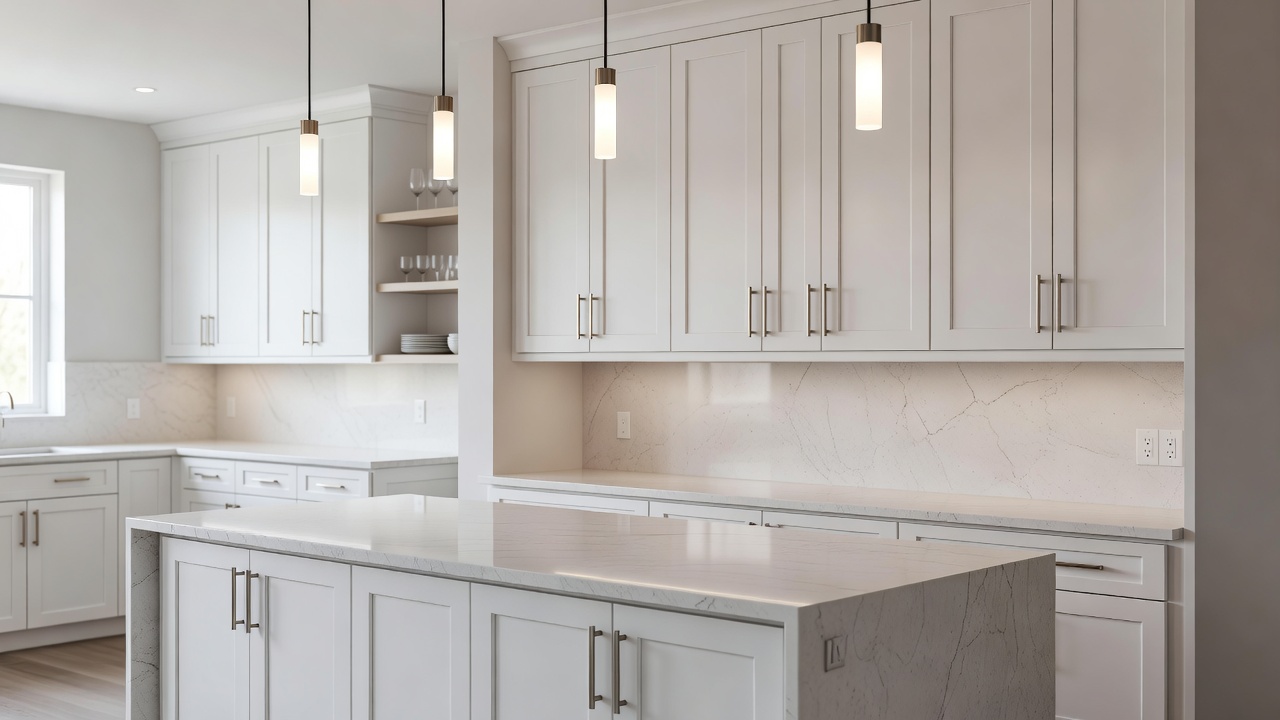
Counters and cabinets should feature non-porous materials such as quartz or laminate with antimicrobial coatings. These surfaces simplify cleanup after pet-related messes and resist bacterial growth, promoting a hygienic environment. Quartz remains a top choice because it requires no sealing and handles heat from cooking appliances effectively. Laminate options with built-in antimicrobial properties provide a budget-conscious alternative that still delivers strong performance against stains from spilled food or water bowls.
Integrate cabinet designs with rounded edges to prevent injuries during enthusiastic pet movements. Soft-close mechanisms further enhance safety and reduce noise that might startle animals. Consider installing toe-kick drawers beneath base cabinets for storing leashes or grooming tools, keeping them accessible yet hidden. These thoughtful additions help maintain a streamlined appearance while supporting pet care needs.
Creating Dedicated Pet Feeding Zones
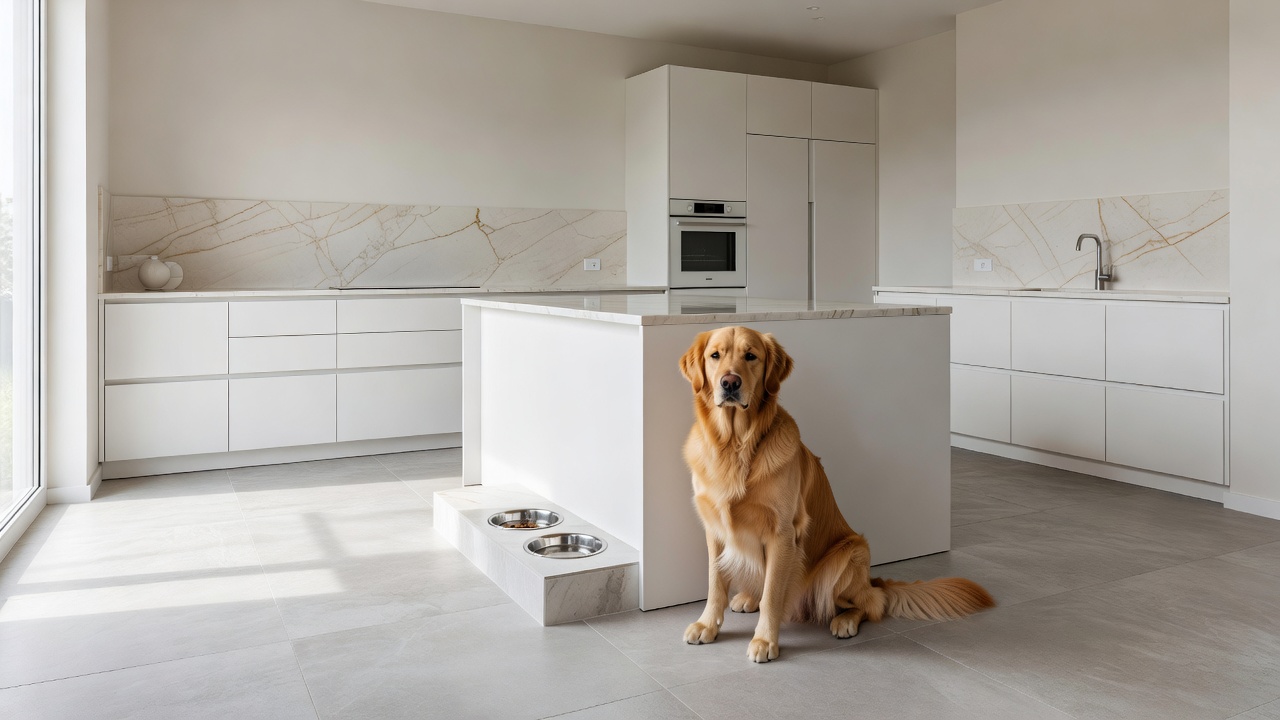
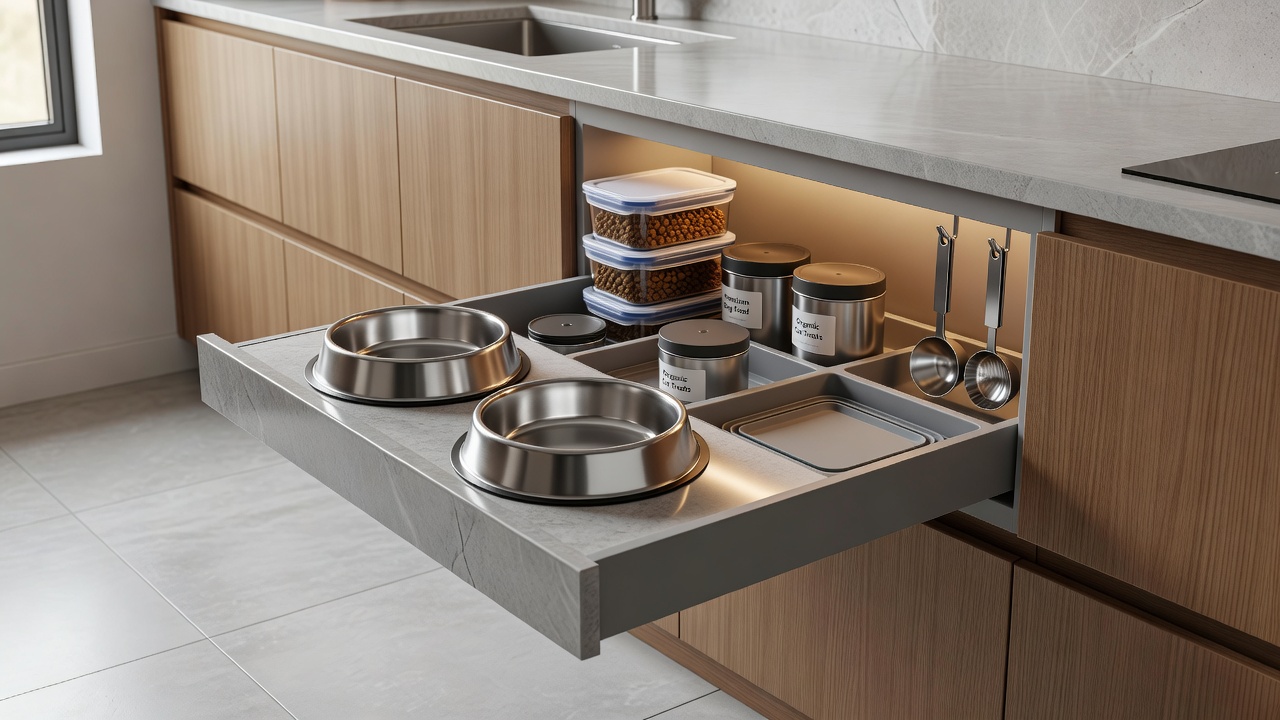
Incorporate built-in feeding stations within the kitchen island or along a low counter. These zones typically include recessed bowls and nearby storage for food, keeping the area tidy and accessible. Position them away from main cooking paths to avoid cross-contamination. Elevated platforms prove especially beneficial for older pets or larger breeds, reducing strain on joints during meals. Many designs now include removable silicone mats that catch spills and simplify wiping.
Real-world projects from recent renovations show that raised platforms with integrated drawers work well for larger dogs, while wall-mounted options suit smaller pets in compact kitchens. One family in a mid-sized home added a corner station with adjustable height bowls that grew with their puppy, demonstrating versatility. Such zones can also incorporate water filtration systems for fresh hydration, blending seamlessly with modern faucet styles.
Comparing Pet-Safe Materials
- Quartz counters: Highly durable and non-porous, ideal for stain resistance and daily sanitizing without harsh chemicals.
- Porcelain tiles: Excellent for floors, offering both scratch-proof qualities and aesthetic variety in patterns that hide dirt.
- Stainless steel accents: Easy to wipe down and resistant to odors, perfect for splash zones around sinks.
- Engineered hardwood with protective finishes: A stylish alternative when sealed properly, though it demands more frequent inspections for wear.
- Recycled glass tiles: An eco-friendly choice that adds visual interest while remaining impervious to moisture and scratches.
Smart Storage Solutions for Pet Supplies
Maximize space with pull-out pantry shelves or hidden compartments designed specifically for kibble, treats, and toys. Vertical storage units keep items off the floor and out of reach if needed. These solutions blend with modern cabinetry, maintaining a clean, uncluttered appearance that aligns with 2026 design trends. Consider installing labeled bins with airtight seals to preserve freshness and deter pests. Corner carousels or overhead racks can further optimize awkward spaces, ensuring everything from medication to waste bags stays organized.
Many recent projects incorporate USB-charging drawers for automatic feeders, allowing seamless integration with smart home technology. This level of planning reduces daily clutter and supports a calm kitchen environment.
Step-by-Step Planning Tips for Your Renovation
- Assess your pet's size, habits, and needs to inform material and layout choices, noting any allergies or mobility issues.
- Consult with a designer experienced in pet-friendly projects for tailored recommendations based on your home's footprint.
- Review material samples in your home environment over several days to observe real-world performance with pets present.
- Plan electrical and plumbing adjustments early for features like automatic waterers or heated floors.
- Finalize designs with safety features such as non-toxic finishes and secure cabinet locks for cleaning supplies.
- Budget for professional installation to ensure proper sealing and alignment of all pet-specific elements.
- Incorporate flexible zones that can adapt as your pet ages or your family grows.
- Schedule regular maintenance checks post-renovation to address any emerging wear patterns quickly.
Real-World Examples from Recent Projects
One 2025 renovation in a suburban home featured a quartz island with an integrated feeding nook, paired with porcelain flooring throughout. The result was a seamless transition between kitchen and dining areas that accommodated both human and pet traffic effortlessly. The homeowners noted significantly less time spent on daily cleaning compared to their previous setup.
Another urban project utilized smart storage cabinets for pet supplies alongside easy-clean surfaces, demonstrating how functionality enhances daily routines without sacrificing style. A third example involved a family with multiple cats who added wall-mounted feeding perches and scratch-resistant cabinet fronts, transforming a high-traffic galley kitchen into a calm, efficient space that supports both cooking and pet care.
Common Mistakes to Avoid
Many homeowners overlook slip resistance when selecting flooring, leading to accidents during wet conditions. Another frequent error is placing feeding stations too close to cooking areas, increasing the risk of cross-contamination. Always verify that chosen materials carry pet-safe certifications to prevent exposure to harmful chemicals.
Maintenance Tips for Longevity
Establish a weekly cleaning routine using pet-safe enzymatic cleaners to break down odors at the source. Inspect grout lines and seals monthly for signs of wear, and reapply protective coatings as recommended by manufacturers. These habits help preserve the investment while keeping the kitchen inviting for everyone.
FAQ on Odor Control and Safety Concerns
How do I control pet odors in the kitchen? Use sealed flooring and regular cleaning with pet-safe solutions to prevent buildup. Ventilation systems also help maintain fresh air circulation throughout the space.
Are there safety risks with certain materials? Avoid anything with sharp edges or toxic coatings. Resources from the ASPCA provide guidance on household pet safety and material recommendations.
What about long-term durability? High-quality selections like those recommended by the American Kennel Club ensure longevity even with active pets and frequent use.
How can I integrate smart technology safely? Choose devices with hidden wiring and pet-proof covers to prevent chewing or tripping hazards while adding convenience.
Is professional installation necessary? Yes, especially for plumbing and electrical elements tied to feeding stations, to guarantee proper function and warranty coverage.
Conclusion
Pet-friendly kitchen designs for 2026 renovations successfully merge practicality with modern elegance. By focusing on resilient materials, thoughtful zones, and organized storage, homeowners create spaces that support both their lifestyle and their pets' well-being. Start planning today to transform your kitchen into a harmonious hub for the whole family, ensuring years of comfortable use for humans and animals alike.
No comments yet. Be the first!