 Fixated on Home
Introduction: Elevating Kitchen Renovations with Wine Storage
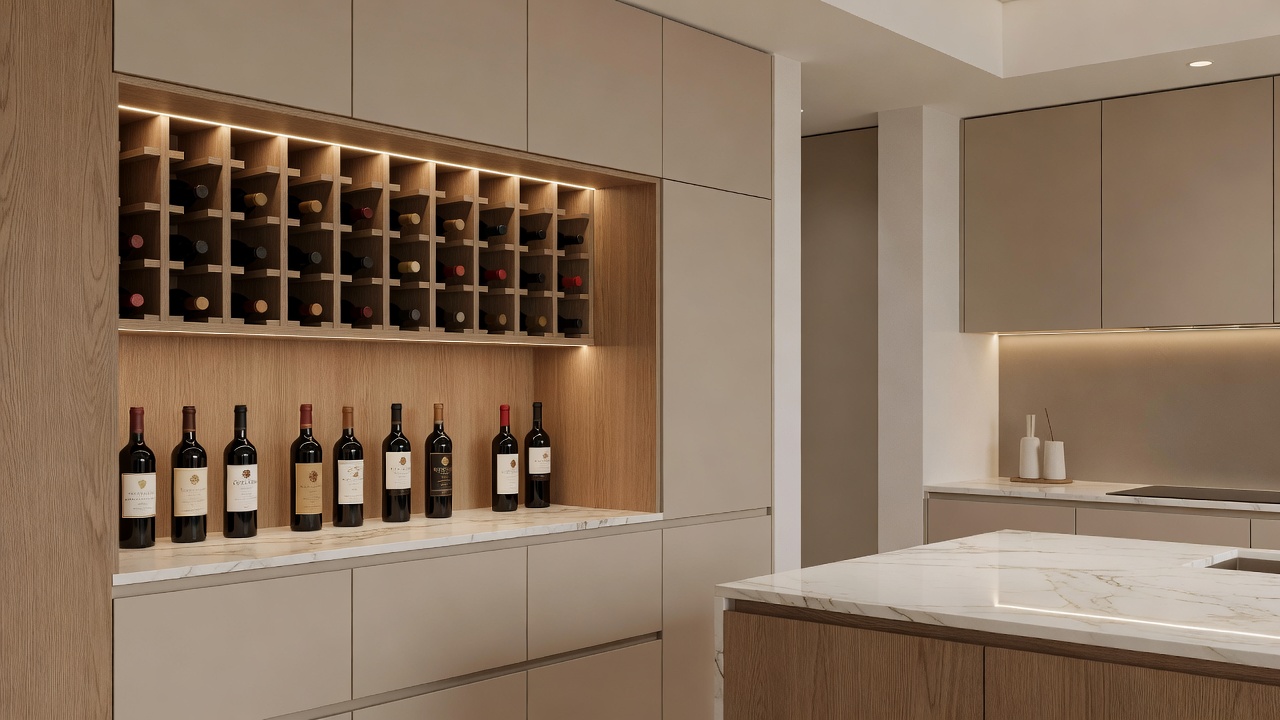
Modern kitchen renovations in 2026 emphasize personalization and functionality, and wine storage has emerged as a premium upgrade that blends utility with sophisticated design. Homeowners are increasingly incorporating dedicated spaces for wine collections during remodels to enhance daily living and boost property appeal. This approach transforms ordinary kitchens into refined hubs that cater to entertaining and long-term enjoyment. Proper wine storage not only protects valuable bottles from temperature fluctuations and light exposure but also serves as a stylish focal point that elevates the entire space. By planning these features early, renovators can ensure seamless integration that respects both workflow and aesthetics.
Integrating wine storage requires thoughtful planning to ensure it complements cabinetry, countertops, and overall layouts without disrupting workflow. Whether your collection is modest or extensive, options range from simple racks to advanced climate systems that maintain ideal conditions for preservation. The trend reflects broader shifts toward multifunctional kitchens that double as entertainment zones, where wine becomes part of the social experience rather than an afterthought.
Why Wine Storage Matters in Contemporary Kitchen Design
Wine enthusiasts recognize that proper storage preserves flavor and value over time. In kitchen renovations, these features add a layer of luxury while serving practical needs. They also create visual interest through custom shelving or illuminated displays that tie into modern aesthetics like minimalist lines and natural materials. Energy-efficient models further align with sustainable home trends, reducing long-term operational demands while maintaining optimal humidity levels around 50 to 70 percent.
Beyond aesthetics, integrated solutions support sustainable living by selecting energy-efficient models that align with current home trends. This integration can increase resale value by appealing to buyers who appreciate thoughtful upgrades. For instance, positioning storage near dining areas encourages regular use and creates a conversation starter during gatherings. Energy-efficient appliances play a key role here, helping maintain consistent conditions without excessive power consumption.
Comparing Wine Storage Options for Your Renovation
Selecting the right type depends on space, budget, and collection size. Built-in racks offer seamless integration into existing cabinetry for a custom look. Climate-controlled units provide precise temperature and humidity management essential for aging wines. Under-counter options maximize floor space in compact kitchens while remaining accessible.
- Built-in racks: Custom wood or metal construction that matches cabinet finishes for a cohesive appearance; ideal for larger collections spanning multiple walls.
- Climate-controlled units: Standalone or integrated systems with digital controls for consistent environments; best for serious collectors seeking long-term aging capabilities.
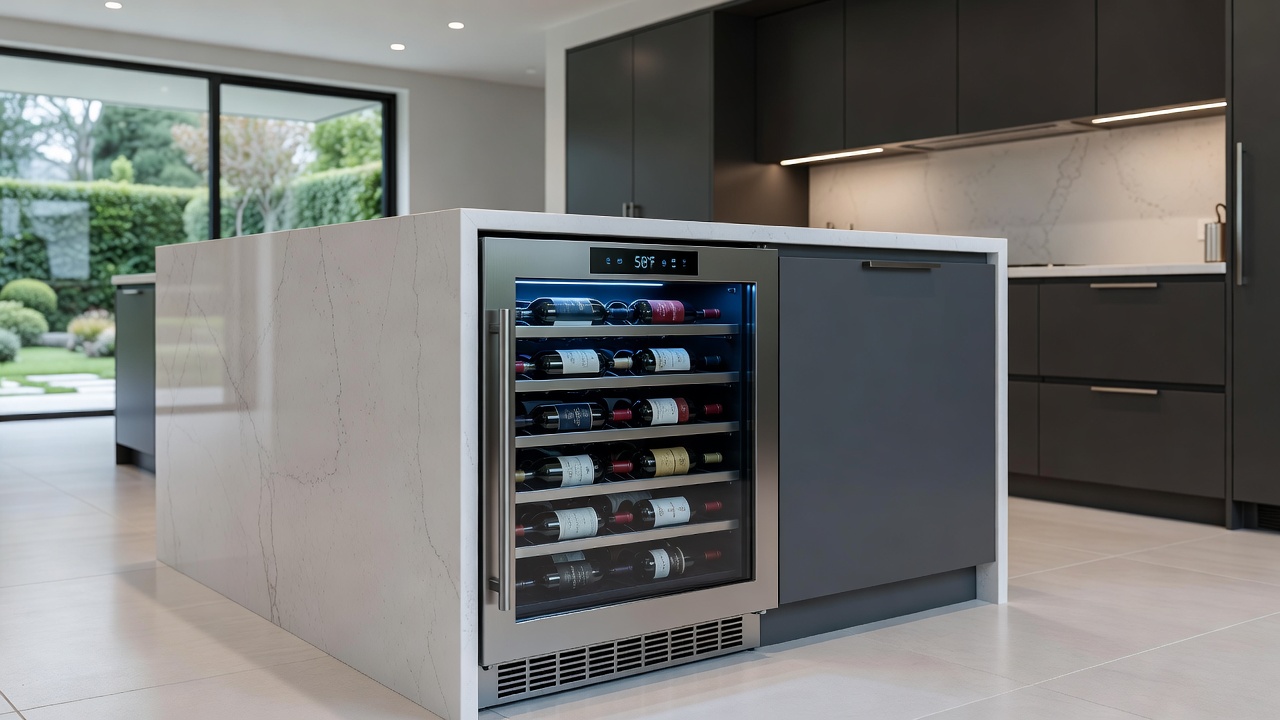
- Under-counter models: Compact coolers that fit beneath islands or counters, ideal for smaller collections and quick access during meal preparation.
Material comparisons reveal trade-offs. Wood racks provide classic warmth but require maintenance to prevent warping, while metal alternatives offer durability in humid settings and resist corrosion. Layout considerations include proximity to dining areas versus avoidance of heat sources like ovens or dishwashers. Glass-fronted units allow for display while shielding bottles from harmful UV rays, and open shelving promotes airflow in well-ventilated spaces.
Step-by-Step Planning for Seamless Integration
Begin by assessing your kitchen footprint and wine inventory. Measure available wall or cabinet space early in the design phase. Consult with contractors to evaluate structural needs, such as electrical outlets for cooling units and insulation requirements. Sketch multiple layout options to visualize traffic flow and accessibility.
Next, collaborate with designers to align storage with your renovation vision. Choose finishes that echo countertops or flooring for visual continuity. Factor in ventilation and insulation to prevent condensation issues that could damage surrounding cabinetry. Test layouts with mockups before installation to confirm accessibility and flow. Finally, schedule installation phases to coincide with cabinetry work, minimizing disruption to the overall timeline.
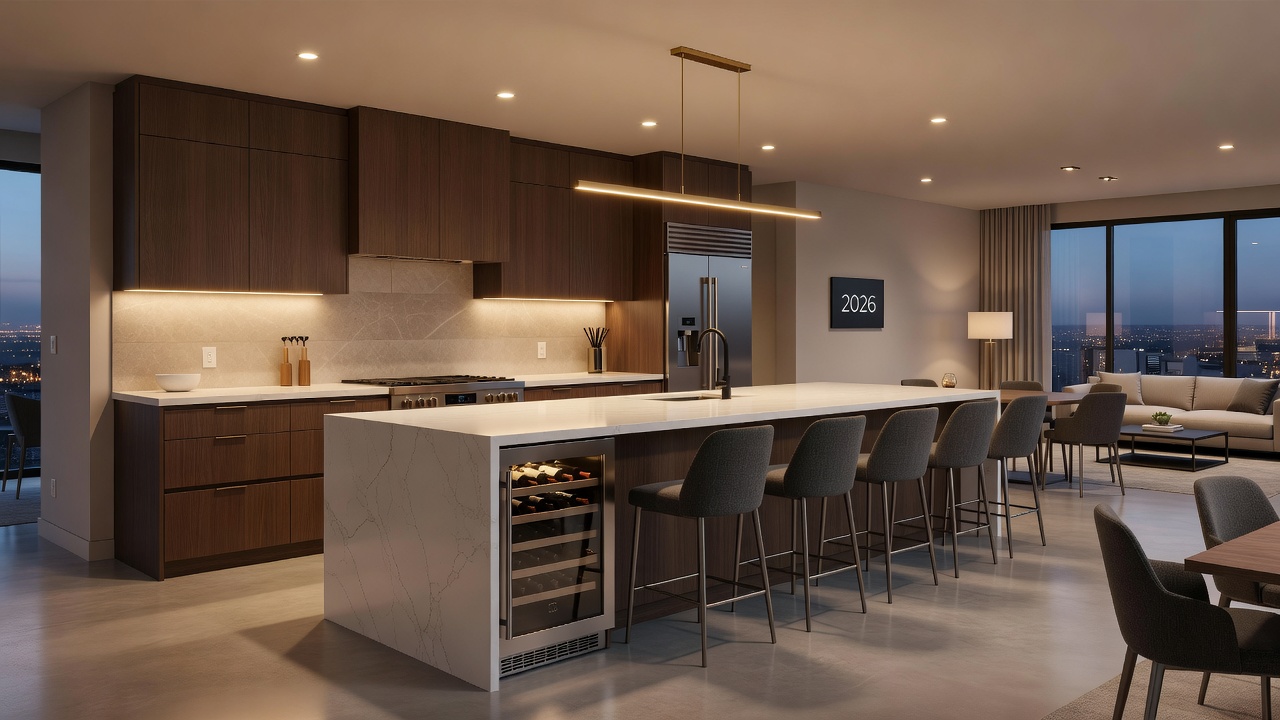
Real-world examples from recent projects demonstrate success. One suburban home remodel featured a 50-bottle climate unit tucked beside a pantry, blending with shaker-style cabinets and incorporating pull-out trays for easy retrieval. Another urban loft project used floating racks above a dedicated wine bar station for dramatic effect, complete with backlighting that highlighted label details without overheating the area. A third example involved retrofitting an existing island with under-counter storage, turning wasted space into a functional display that complemented the open-concept living area.
Design Tips for Blending Storage with Home Aesthetics
Focus on harmony by matching hardware and lighting across the kitchen. LED strips highlight bottles without generating excess heat, creating ambiance during evening gatherings. Incorporate glass doors on units for display while protecting contents from light exposure. Consider traffic patterns to avoid bottlenecks during meal prep, ensuring the wine area does not interfere with primary cooking zones.
Position storage away from windows or appliances to maintain stable conditions. For open-concept kitchens, treat wine areas as focal points that extend living space appeal, perhaps incorporating seating nearby for casual tastings. Layered lighting, including task lights over counters and accent lights on racks, enhances both usability and mood. Natural materials like reclaimed wood or stone accents can tie the storage into broader design themes such as farmhouse or industrial styles popular in 2026 renovations.
Common Mistakes to Avoid During Installation
Many homeowners overlook vibration from nearby appliances, which can disturb sediment in aging wines; always select models with robust compressor isolation. Another frequent error involves inadequate insulation around climate units, leading to energy inefficiency and temperature swings. Poor placement near heat sources or direct sunlight can also compromise bottle integrity over time. To prevent these issues, work closely with professionals who understand both kitchen workflows and wine preservation principles.
Maintenance and Common Concerns Addressed
Regular upkeep ensures longevity. Clean racks monthly and monitor humidity levels in controlled units using built-in sensors. Address space constraints by opting for vertical solutions or multi-use furniture pieces that double as prep stations. Vibration concerns from nearby appliances can be mitigated by choosing models with advanced isolation technology. For maintenance, simple dusting and occasional professional servicing suffice for most systems, while filter replacements every six months keep cooling components efficient.
Frequently Asked Questions
How much space is needed for basic wine storage? Even small kitchens can accommodate 20-30 bottles via under-counter units measuring under 24 inches wide, making it feasible for urban apartments or galley layouts.
What maintenance is required for climate units? Filter changes every six months and annual checks for seals keep systems running efficiently, while routine exterior cleaning prevents dust buildup that could affect performance.
Can wine storage increase home value? Thoughtful integrations often appeal to buyers, adding perceived luxury without major structural changes and enhancing the kitchen's role as a central entertaining hub.
How do I handle limited electrical access? Plan outlets during the rough-in stage of renovation and consider hardwired units that connect directly to the home's electrical system for a cleaner finish.
Are there eco-friendly options available? Many modern units incorporate low-energy compressors and sustainable refrigerants, aligning with broader goals of reducing household environmental impact.
Conclusion: Creating Lasting Value Through Thoughtful Upgrades
Integrating wine storage elevates kitchen renovations by merging practicality with elegance. By exploring options, following structured planning, and prioritizing design cohesion, homeowners achieve spaces that delight for years. This upgrade reflects a commitment to refined living that resonates in 2026 and beyond, turning everyday kitchens into personalized sanctuaries that balance function, beauty, and enduring appeal.
No comments yet. Be the first!