 Fixated on Home
Introduction to Modern Kitchen Flooring
Kitchen renovations offer the perfect opportunity to upgrade flooring for better durability, style, and functionality. Homeowners today seek materials that withstand heavy foot traffic, moisture exposure, and daily spills while enhancing contemporary home design. Choosing the right option involves balancing aesthetics with practical performance in high-use spaces. Flooring serves as the foundation of the kitchen, influencing everything from safety and comfort to the overall visual flow of the room. In modern homes, open-concept layouts demand seamless transitions between kitchen and living areas, making versatile and cohesive materials essential.
This guide examines four leading flooring types: hardwood, tile, vinyl, and concrete. Each section details pros, cons, real-world installation examples, and upkeep routines. Practical selection criteria based on traffic levels and moisture concerns help readers make informed decisions for lasting results. Additional insights cover environmental considerations, common mistakes, and how flooring integrates with other renovation elements like cabinets and lighting.
Understanding Kitchen Flooring Requirements
Modern kitchens experience constant activity from cooking, cleaning, and entertaining. Flooring must resist water, stains, and scratches while supporting underfloor heating or easy cleaning. Moisture concerns are critical near sinks and appliances, and traffic levels determine wear resistance needs. Families with children or pets require surfaces that hide minor imperfections and clean quickly. Subfloor integrity plays a key role, as uneven bases can lead to premature wear regardless of the top material chosen.
Consider lifestyle factors such as pets, children, or frequent entertaining. Sustainable materials also appeal for eco-conscious upgrades. Step-by-step evaluation starts with assessing current subfloor conditions and desired visual impact. Homeowners should also evaluate compatibility with existing HVAC systems and local climate conditions that affect humidity levels throughout the year.
Hardwood Flooring Options
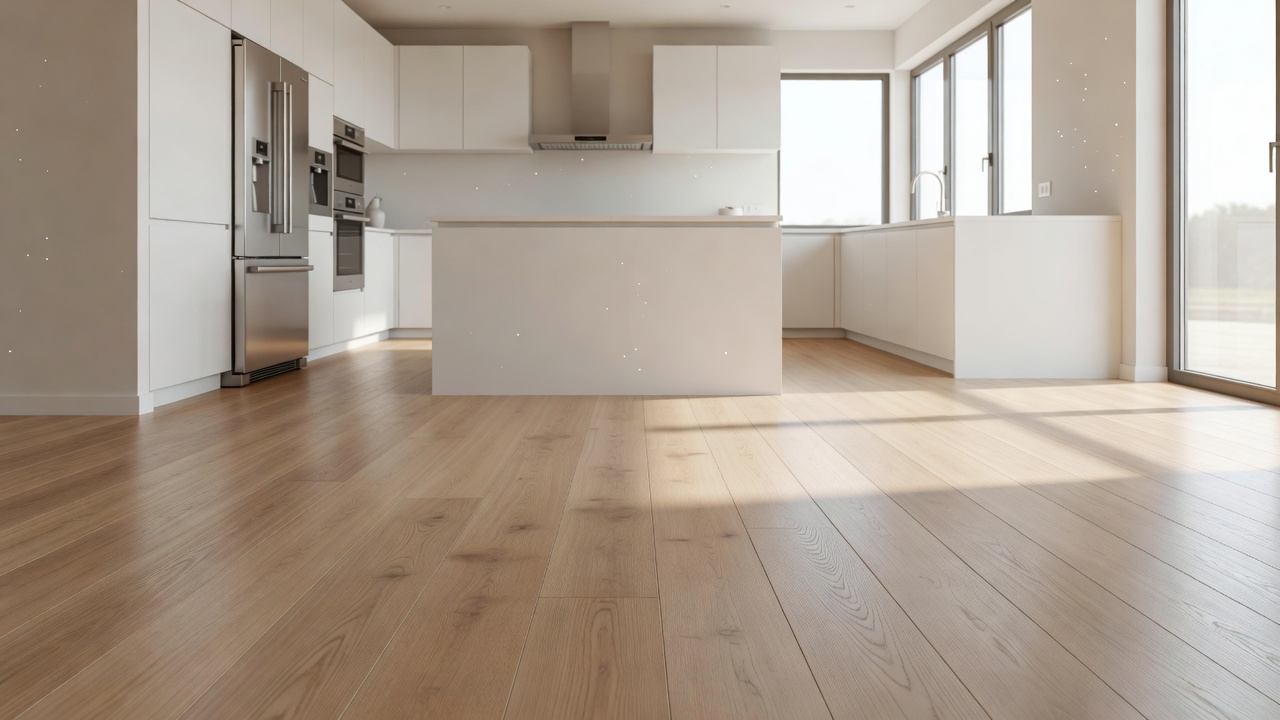
Hardwood brings warmth and timeless elegance to kitchens. Engineered hardwood performs better than solid in moisture-prone areas due to its layered construction. Popular species include oak and maple for their durability. The natural grain patterns create inviting atmospheres that complement both traditional and contemporary cabinetry styles. Many homeowners appreciate how hardwood ages gracefully, developing character over time.
Pros include natural beauty that increases home value and easy refinishing. Cons involve vulnerability to water damage and higher maintenance. Real-world examples show engineered oak installed in open-plan kitchens paired with islands for seamless flow. In one suburban renovation, homeowners selected wide-plank hickory to match rustic farmhouse elements while ensuring the finish included advanced water-repellent coatings for daily protection.
Maintenance routines involve regular sweeping and occasional polishing. Avoid excessive water; use manufacturer-recommended cleaners. For high-traffic homes, select species with high Janka hardness ratings. Additional care includes placing protective mats near high-spill zones and addressing scratches promptly to prevent moisture penetration.
Tile Flooring Choices
Ceramic and porcelain tiles excel in kitchens for their water resistance and versatility. Large-format tiles create modern, minimalist looks, while patterns add visual interest. Textured finishes reduce slip risks in wet areas, making them suitable for households with active lifestyles. Tile also offers excellent thermal mass, helping regulate kitchen temperatures when paired with radiant systems.
Pros feature exceptional longevity, stain resistance, and compatibility with radiant heating. Cons include cold surfaces underfoot and potential grout maintenance. Installations in urban lofts demonstrate porcelain tiles mimicking wood for hybrid appeal. A recent coastal property renovation used matte-finish porcelain throughout the kitchen and adjacent dining space, creating a unified look resistant to salt air and frequent cleaning.
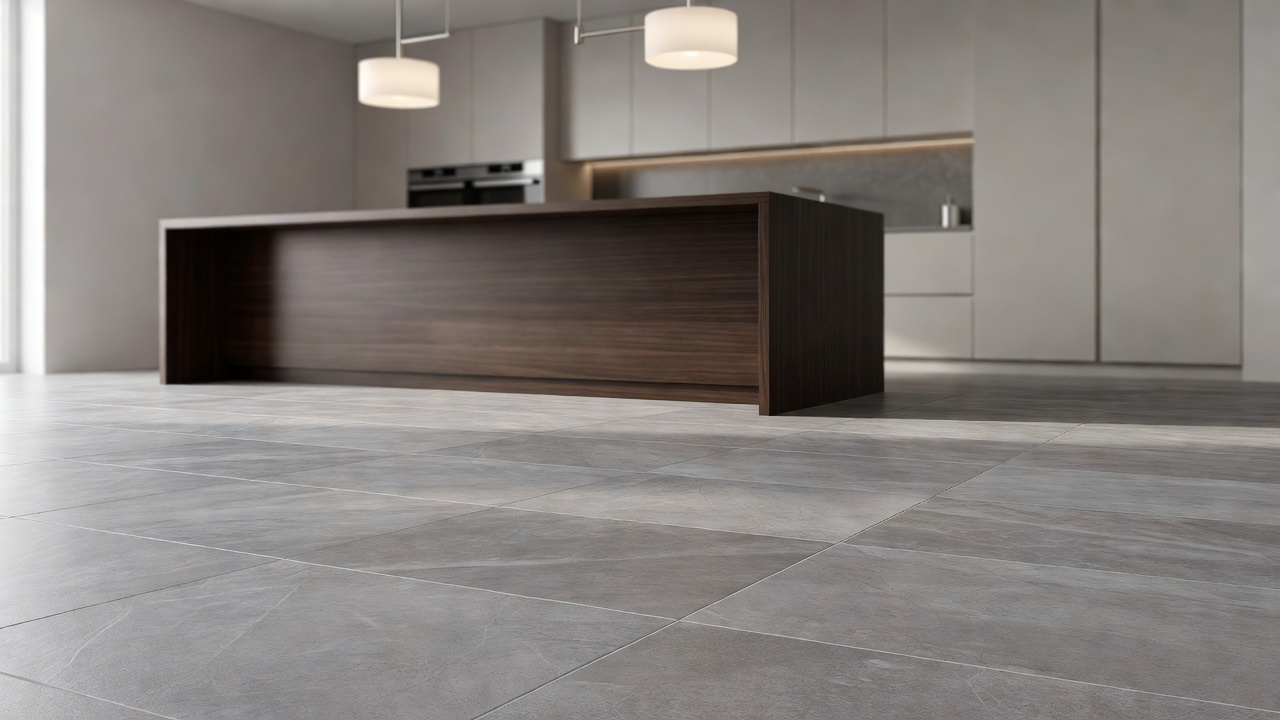
Cleaning involves weekly mopping with neutral solutions. Seal grout lines periodically. Tiles suit both low- and high-traffic areas when properly installed with quality underlayment. Homeowners often add area rugs in seating zones to improve comfort without compromising the tile's core benefits.
Vinyl Flooring Solutions
Luxury vinyl plank and tile options deliver waterproof performance at accessible price points. Modern versions replicate hardwood or stone convincingly with textured surfaces. The material's flexibility allows installation over existing floors in many cases, reducing demolition time during renovations. Vinyl also provides sound absorption, making busy kitchens quieter during peak hours.
Pros encompass easy DIY installation, comfort underfoot, and strong moisture protection. Cons may include less premium feel compared to natural materials. Examples from suburban remodels highlight vinyl in family kitchens handling spills effortlessly. One urban apartment project featured vinyl planks in a herringbone pattern that mimicked high-end hardwood while withstanding daily pet activity.
Routines focus on sweeping and damp mopping. Avoid abrasive tools. Vinyl works well in moisture-heavy zones like near dishwashers. Regular inspections of seams help maintain the waterproof barrier over many years of use.
Concrete Flooring for Industrial Appeal
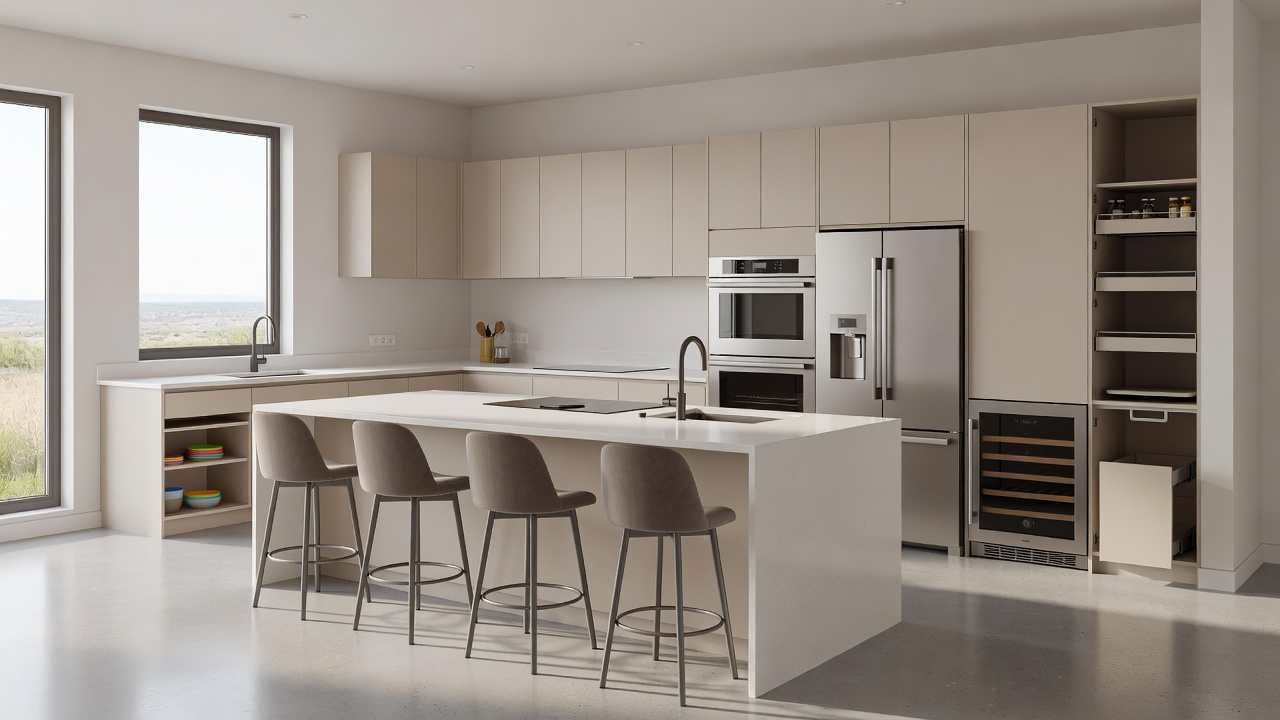
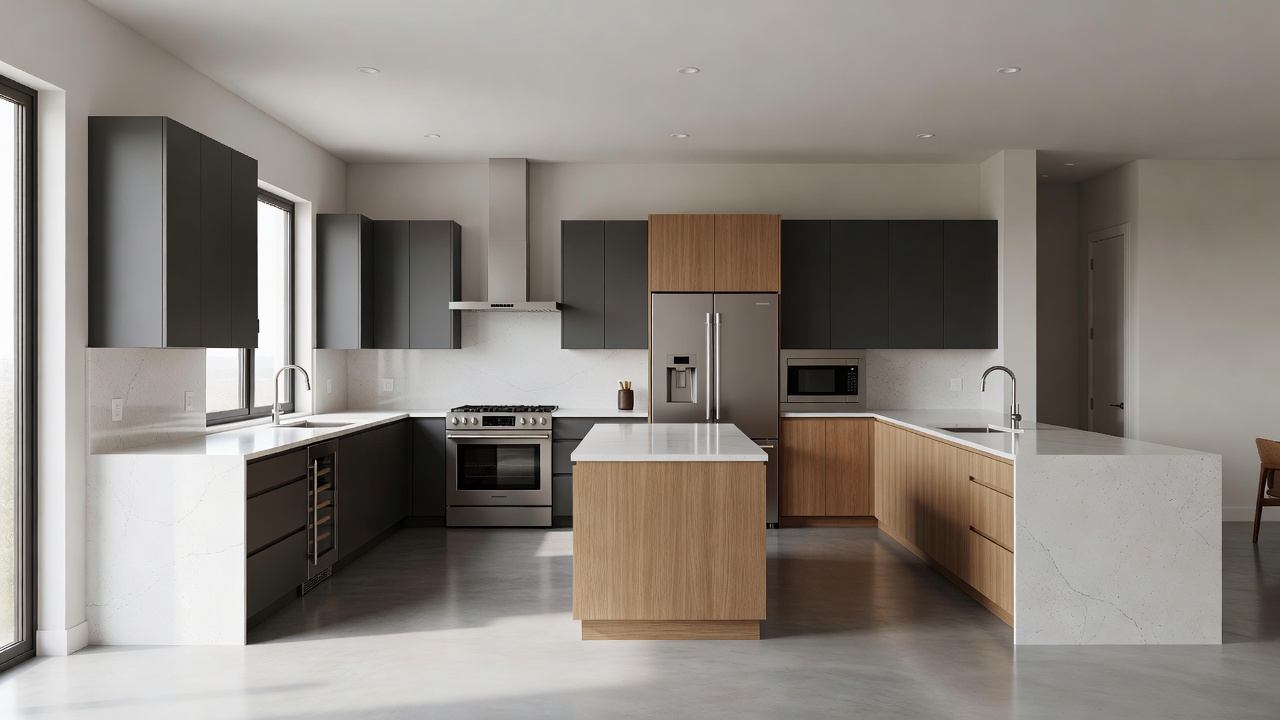
Polished concrete offers a sleek, contemporary industrial aesthetic popular in loft-style homes. It can be stained or scored for custom designs. The material's thermal properties make it compatible with underfloor heating, creating comfortable surfaces even in colder months. Many modern designs incorporate embedded aggregates or subtle color variations for added depth.
Pros include extreme durability and low maintenance. Cons involve initial curing time and potential cracking if not properly sealed. Successful installations in renovated warehouses show sealed concrete with area rugs for warmth. A downtown loft conversion used acid-stained concrete to echo the building's original industrial character while meeting modern residential performance standards.
Maintenance requires periodic resealing and gentle cleaning. Concrete suits high-traffic environments but needs professional application for best results. Homeowners should plan for proper ventilation during sealing processes to ensure indoor air quality remains high.
Environmental and Health Considerations
Selecting low-VOC materials supports healthier indoor environments, especially important in kitchens where families spend significant time. Learn more from the EPA about choosing sustainable flooring options. Energy efficiency improves when flooring works well with radiant heating systems; explore guidance at energy.gov for compatible installations. Recycled-content products further reduce environmental impact without sacrificing performance.
Step-by-Step Selection Criteria
Follow this expanded process to choose flooring:
- Evaluate traffic patterns by mapping daily movement through the kitchen to identify high-wear zones.
- Assess moisture sources including proximity to sinks, dishwashers, and exterior doors.
- Review subfloor condition and repair any damage before material selection.
- Factor in style compatibility with cabinetry, countertops, and lighting fixtures.
- Consider long-term maintenance time and cleaning product requirements.
- Test slip resistance, especially in households with young children or elderly residents.
- Check compatibility with underfloor heating if planned for the renovation.
- Review warranty coverage for water damage and wear.
Compare physical samples in the actual kitchen lighting before final decisions to avoid surprises after installation.
Real-World Installation Examples and Maintenance
Case studies reveal successful upgrades, such as a coastal home using porcelain tile to combat humidity while maintaining an open, airy feel. Another urban apartment featured engineered hardwood for balanced aesthetics and easy refinishing after several years of heavy use. Consistent routines like daily dry sweeping and quarterly deep cleans extend lifespan across all materials. Avoiding common mistakes such as skipping moisture testing or choosing overly porous finishes prevents costly callbacks.
Conclusion
Selecting kitchen flooring for modern upgrades requires thoughtful consideration of durability, style, and maintenance. Hardwood, tile, vinyl, and concrete each offer unique benefits tailored to different needs. Apply the outlined criteria to achieve a functional, beautiful space that endures daily use and enhances overall home value for years to come.
FAQ
What are common installation challenges?
Subfloor leveling and moisture barriers often arise. Professional assessment prevents future issues such as buckling or mold growth. Proper acclimation of materials before installation also reduces expansion problems later.
How long does each flooring type last?
With proper care, hardwood lasts decades, tile exceeds 50 years, vinyl 15-25 years, and concrete 30+ years. Lifespan depends heavily on maintenance consistency and traffic volume.
Can flooring handle underfloor heating?
Tile and vinyl perform best; engineered hardwood works with compatible systems. Always verify manufacturer specifications for temperature tolerances before installation.
What mistakes should homeowners avoid?
Skipping professional moisture testing and ignoring subfloor preparation rank among the top errors. Choosing style over performance in high-use areas also leads to early replacements.
How does climate affect flooring choice?
Humid regions benefit from tile or sealed concrete, while drier climates allow more flexibility with hardwood. Local temperature swings influence expansion joint requirements during installation.
No comments yet. Be the first!