 Fixated on Home
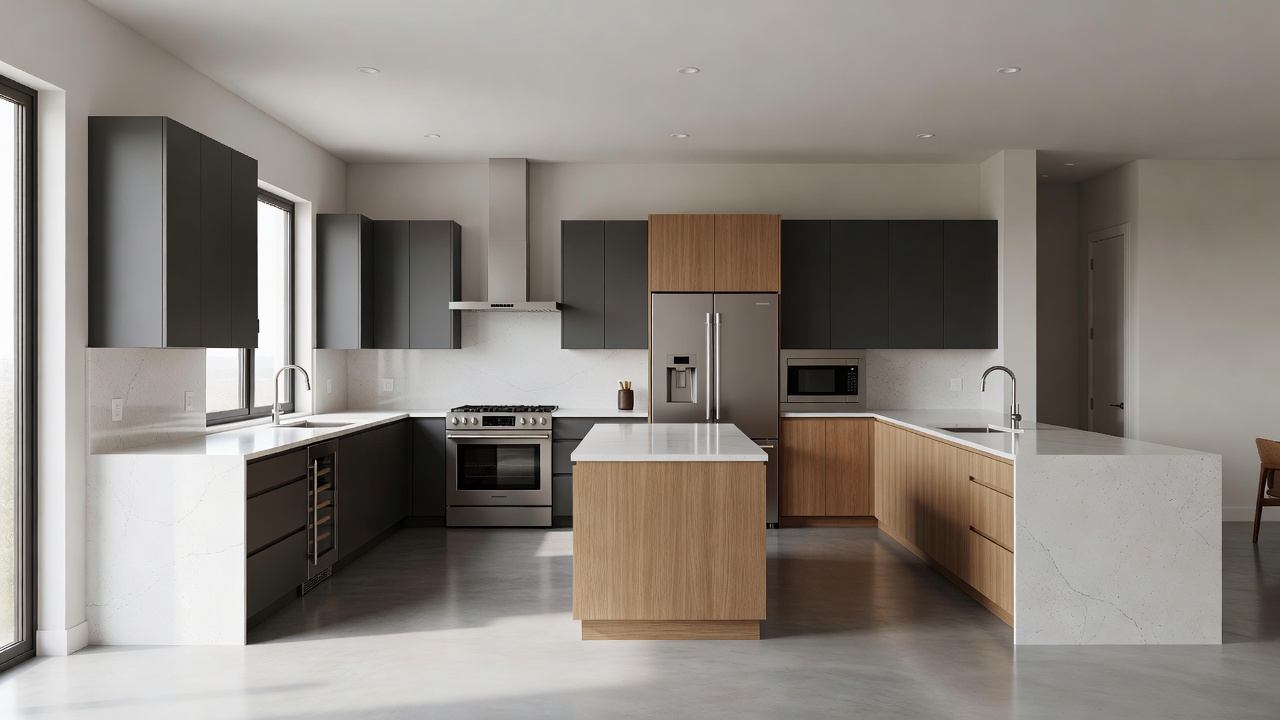
Introduction to Kitchen Layout Choices in Modern Homes
When planning a kitchen renovation, selecting the right layout is crucial for balancing functionality, aesthetics, and daily living. Two popular options stand out for contemporary spaces: the L-shaped and U-shaped designs. These configurations cater to varying household needs while integrating seamlessly with modern upgrades like smart appliances and open-concept living. This guide explores their differences in depth, helping homeowners make informed decisions based on space, workflow, and lifestyle. Understanding the nuances of each layout ensures your kitchen not only looks stylish but also supports efficient cooking, family gatherings, and long-term usability in today's homes.
Understanding the L-Shaped Kitchen Layout
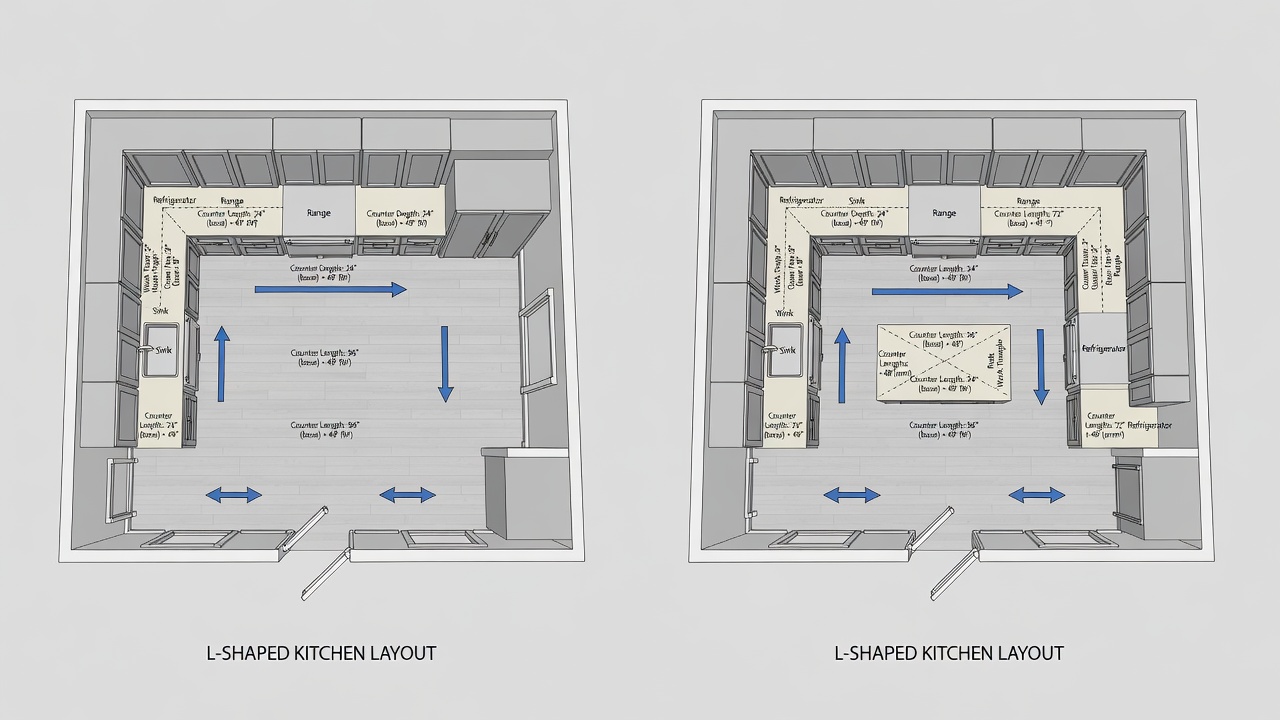
The L-shaped kitchen features two adjacent walls forming an L, leaving the center open for movement. This design excels in smaller or medium-sized rooms and promotes an open feel by avoiding full enclosure. It naturally creates a work triangle between sink, stove, and refrigerator, optimizing efficiency for solo cooks or small families. Many modern homeowners appreciate how this layout blends into open-plan living areas, allowing the kitchen to serve as both a workspace and a social hub without dominating the entire floor plan.
Key Features of L-Shaped Designs
- Requires two walls, maximizing corner space with cabinets and countertops while leaving one side free for windows or doorways.
- Ideal for integrating islands or breakfast bars in larger rooms to add seating and extra prep surfaces.
- Supports modern elements like pendant lighting, built-in seating, and hidden storage solutions that keep the space uncluttered.
Additional considerations include the ability to extend one leg of the L into an adjacent dining area for seamless transitions during meals.
Understanding the U-Shaped Kitchen Layout
A U-shaped kitchen utilizes three walls, forming a horseshoe that encloses the workspace. This layout provides abundant counter and storage space, making it suitable for larger kitchens or households that entertain frequently. It offers defined zones for prep, cooking, and cleanup while maintaining excellent traffic flow around the perimeter. The enclosed nature creates a dedicated cooking environment that feels private yet connected to the rest of the home when paired with appropriate lighting and sightlines.
Key Features of U-Shaped Designs
- Maximizes wall usage for appliances and cabinetry on three sides, offering superior storage capacity compared to most other shapes.
- Creates a dedicated cooking zone with minimal cross-traffic interference, ideal for busy families or professional-level home cooking.
- Adapts well to high-end finishes, custom storage solutions, and advanced features such as built-in wine racks or appliance garages.
Space Requirements Comparison
L-shaped kitchens typically need at least 8x10 feet for comfortable execution, allowing ample room for the work triangle and passageways of at least 36 inches. In contrast, U-shaped layouts demand more square footage—usually 10x12 feet or larger—to prevent a cramped feel and ensure 4-foot minimum walkways between counters. Homeowners with compact urban apartments often favor L-shapes, while suburban homes with expansive footprints benefit from U-shapes that incorporate multiple zones. Real-world measurements show that adding an island to an L-shape may push requirements closer to 12x14 feet, whereas U-shapes can comfortably house double ovens and full-height pantries in the same footprint.
Workflow Efficiency and Traffic Patterns
Efficient workflow hinges on the classic work triangle. L-shaped kitchens shine here by keeping distances short and open, reducing steps during meal prep. U-shaped designs enhance this with parallel counters that allow multiple users to work simultaneously without collision. Consider household size: smaller families enjoy the streamlined L-flow, whereas larger groups or those hosting parties appreciate the U-shape's separation of cooking and socializing areas. Traffic patterns also play a role—L-shapes permit easy entry from multiple directions, while U-shapes naturally funnel movement along the outer edges, protecting the central workspace from interruptions.
Pros and Cons of Each Layout
L-Shaped Pros and Cons
- Pros: Versatile for open-plan homes, cost-effective cabinet runs, easy integration with dining areas, and excellent natural light penetration from the open side.
- Cons: Limited counter space in very small rooms, potential for underutilized corners without proper planning, and less separation between cooking and living zones.
U-Shaped Pros and Cons
- Pros: Maximum storage and prep surfaces, excellent appliance placement flexibility, strong visual definition, and the ability to create distinct work zones for multiple cooks.
- Cons: Can feel enclosed in smaller spaces, higher material costs for three-wall coverage, requires careful door and window placement to avoid awkward traffic flow.
Integration with Modern Home Upgrades
Both layouts pair well with contemporary features. L-shaped kitchens accommodate smart islands with charging stations and hidden appliances, while U-shaped options support advanced ventilation systems and custom lighting zones. For inspiration on smart integrations, explore resources from NKBA, Houzz, and This Old House. These upgrades can include voice-controlled lighting, integrated charging drawers, and energy-efficient appliances that enhance daily usability.
Real-World Remodel Examples
In a recent suburban renovation, an L-shaped kitchen transformed a cramped galley into a family hub by adding a peninsula for casual dining and incorporating quartz countertops with under-cabinet lighting. Conversely, a city loft project used a U-shape to maximize storage in a narrow footprint, incorporating pull-out pantries, a central prep island, and custom corner cabinets that eliminated dead space. These cases highlight how layout choice aligns with specific room dimensions and usage patterns, often resulting in kitchens that increase home value and improve daily routines.
Decision-Making Steps Based on Household Size
- Assess available square footage and existing utilities such as plumbing and electrical points before committing to a shape.
- Evaluate daily traffic: single users versus multi-person households that cook together frequently.
- Factor in future needs like aging-in-place accessibility, including lower counter heights or wider walkways.
- Consult professionals for 3D renderings and material selections before finalizing the design.
- Prioritize storage and appliance needs over current trends to ensure longevity.
- Consider budget allocations for cabinetry, countertops, and flooring specific to each layout's demands.
Practical Remodeling Tips
Start with precise measurements and prioritize the work triangle in every design iteration. For L-shapes, add corner solutions like lazy Susans or pull-out shelves to maximize usability. In U-shapes, ensure at least 42 inches between opposing counters and incorporate task lighting over each zone. Incorporate energy-efficient appliances and sustainable materials such as recycled countertops. Avoid common pitfalls such as blocking natural light or neglecting proper ventilation systems that maintain air quality during heavy cooking sessions.
Common Mistakes to Avoid
Homeowners often underestimate the importance of walkway clearance, leading to cramped spaces in both layouts. Another frequent error is placing the refrigerator too far from prep areas, disrupting workflow. In U-shaped kitchens, failing to account for door swings can create bottlenecks, while L-shaped designs sometimes suffer from insufficient corner storage solutions.
Frequently Asked Questions
Where should appliances go in each layout?
In L-shaped kitchens, place the refrigerator at one end and the sink/stove along the legs to maintain an efficient triangle. U-shaped designs often position the sink on the base wall with range and fridge on the sides for balanced access and minimal steps.
How do traffic patterns differ?
L-shapes allow fluid movement through the open side, supporting easy access for guests or children, while U-shapes contain traffic within the perimeter, reducing interruptions during cooking.
What about appliance placement in tight spaces?
Both layouts benefit from slim-profile appliances and corner-optimized units; professional designers recommend testing placements with tape outlines on the floor before installation.
Conclusion
Choosing between L-shaped and U-shaped kitchen layouts depends on your space, lifestyle, and renovation goals. Both deliver modern functionality when tailored thoughtfully. By weighing the factors outlined above—including space needs, workflow, and integration with upgrades—homeowners can create a kitchen that enhances daily life and adds lasting value to their home.
No comments yet. Be the first!