 Fixated on Home
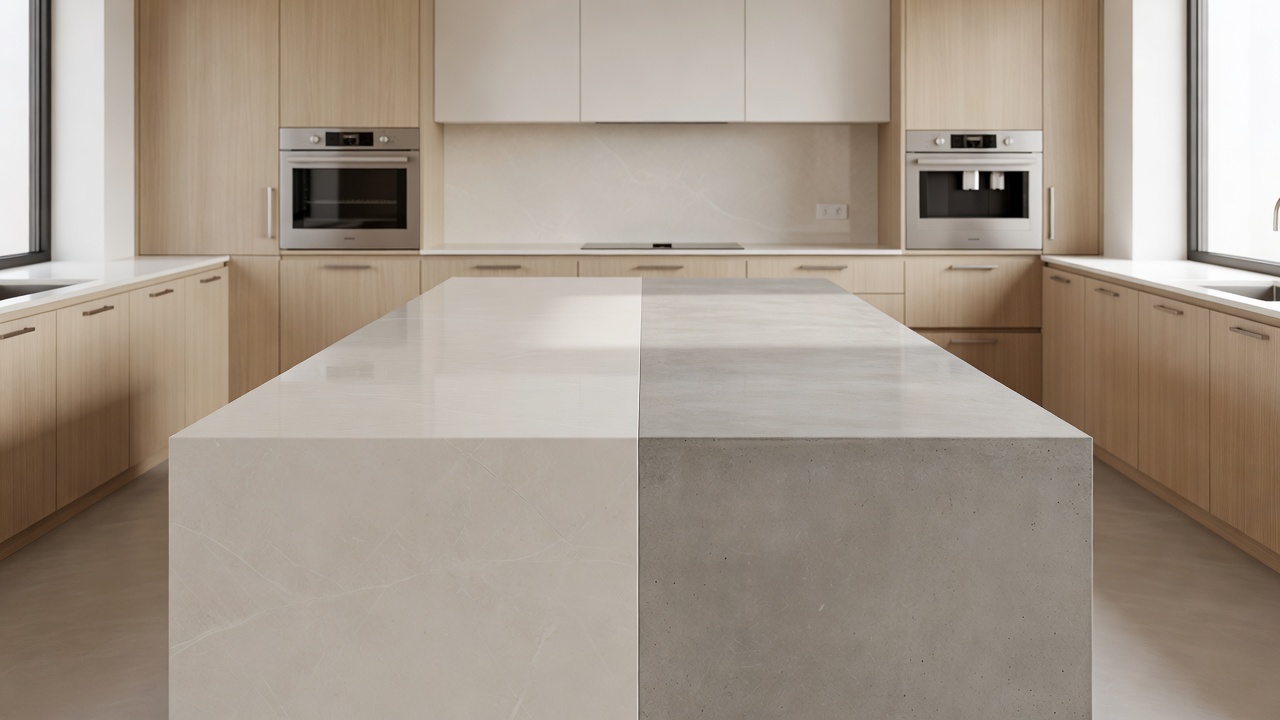
Porcelain vs Concrete Countertops: 2026 Kitchen Comparison
Homeowners planning kitchen upgrades in 2026 often look beyond quartz to materials that deliver both striking aesthetics and reliable performance. Porcelain and concrete countertops stand out for their modern appeal and customizable options. This in-depth comparison examines material performance, long-term value, and practical considerations to help you choose the right surface for your renovation. Whether you prioritize low-maintenance durability or unique artisanal finishes, understanding the nuances of each option ensures your investment enhances daily life and property value for years ahead.
Understanding Porcelain Countertops
Porcelain countertops are engineered from fired clay under high pressure, resulting in a non-porous surface that mimics natural stone or other textures. In 2026 kitchens, they pair well with sleek cabinetry and integrated appliances for a cohesive look. The manufacturing process involves pressing and firing at extreme temperatures, creating a dense material that resists everyday wear while offering design versatility through digital printing technology that replicates marble veining, wood grains, or solid colors with remarkable realism.
Pros of Porcelain
- Exceptional stain resistance without sealing, making it ideal for busy households with frequent spills from cooking or entertaining
- High heat tolerance suitable for hot cookware, allowing direct placement from the stove without risk of scorching or discoloration
- Wide range of colors and patterns for design flexibility, enabling seamless integration with current trends like minimalist whites or bold statement hues
- Scratch-resistant finish that holds up to daily use, including knife work and heavy pots, reducing the need for cutting boards in some cases
Cons of Porcelain
- Higher initial investment compared to some alternatives, though offset by longevity and minimal upkeep over time
- Can chip at edges if not professionally installed, requiring careful handling during transport and precise templating
- Limited DIY repair options for damage, often necessitating professional replacement of sections rather than spot fixes
Understanding Concrete Countertops
Concrete countertops offer an industrial-chic aesthetic that homeowners customize with pigments, aggregates, and finishes. They bring a handmade quality to modern kitchens while supporting sustainable material choices. Fabricators mix Portland cement with sand, water, and optional additives like fly ash or recycled glass before pouring into molds, allowing for creative embeds such as fossils, shells, or metallic flakes that create one-of-a-kind surfaces.
Pros of Concrete
- Highly customizable for unique designs and thicknesses, perfect for achieving organic shapes or dramatic edge profiles that stand out in open-concept spaces
- Good thermal mass for temperature stability, helping regulate kitchen warmth in varying climates
- Compatible with under-counter heating elements for added comfort during winter months
- Can incorporate recycled materials for eco-friendly appeal, aligning with growing interest in sustainable home improvements
Cons of Concrete
- Requires periodic sealing to prevent staining, demanding ongoing attention from homeowners who value low-effort surfaces
- Prone to hairline cracks over time with movement, especially in homes with settling foundations or seismic activity
- Heavy weight demands strong cabinet support, often requiring reinforced framing that adds complexity to renovations
Cost Breakdown and Long-Term Value
Material and installation expenses vary by region, complexity, and finish level. Porcelain often represents a premium choice with strong resale appeal, while concrete provides budget flexibility through local fabricators. Both materials deliver solid long-term value when properly maintained, outperforming less durable options in high-traffic kitchens. Factors influencing overall expense include edge detailing, sink cutouts, and the need for structural reinforcements, particularly with heavier concrete slabs. Over a decade, the reduced maintenance of porcelain may translate to lower cumulative costs despite a steeper upfront outlay, whereas concrete's custom nature can increase labor expenses during fabrication and installation.
Maintenance Requirements
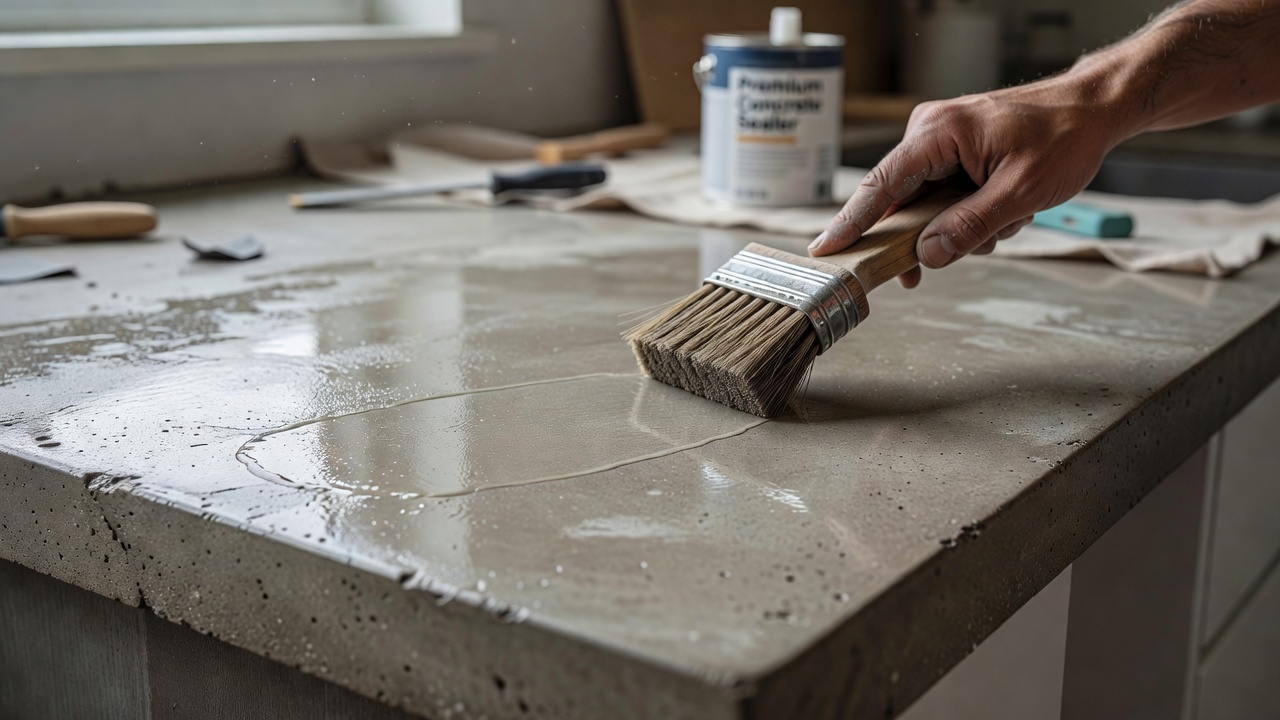
Porcelain surfaces need only mild soap and water for routine cleaning, with no sealing required. Homeowners appreciate the wipe-and-go simplicity, especially in family kitchens. Concrete demands regular resealing—typically annually—to maintain its protective layer against moisture and stains. To care for concrete, follow these steps: clean spills immediately with pH-neutral solutions, avoid acidic cleaners like vinegar that degrade sealers, and reapply sealer when water no longer beads on the surface. Both materials benefit from coasters and trivets to prevent etching or rings from prolonged exposure to liquids or heat.
Heat and Stain Resistance Comparisons
Porcelain excels in heat resistance, tolerating direct contact from pans without damage. This makes it suitable for avid cooks who frequently transfer hot items. Concrete can withstand moderate heat but risks discoloration from hot items without trivets. For stains, porcelain's non-porous nature provides superior protection, whereas concrete relies on quality sealers to repel spills like wine or oil. In real scenarios, a porcelain surface might survive a forgotten coffee pot overnight without marks, while concrete could require immediate intervention to avoid permanent discoloration if the sealer has worn thin.
Real-Home Installation Examples
In a recent urban loft renovation, porcelain countertops in a matte gray finish complemented white oak cabinets and brass hardware, creating a timeless yet contemporary space that photographed beautifully for real estate listings. Another suburban home featured concrete countertops with embedded glass chips for subtle sparkle, paired with a waterfall edge that unified the island with surrounding seating areas. A third example involved a coastal property where porcelain replicated the look of reclaimed driftwood, harmonizing with nautical elements and resisting salt air corrosion effectively. Finally, a downtown apartment used concrete with integrated LED lighting strips along the edges, transforming the countertop into a functional focal point during evening gatherings.
Practical Decision Steps
- Assess your kitchen's traffic patterns and cooking habits to determine which material's strengths align with daily demands.
- Review design samples from local suppliers to match your aesthetic goals and visualize how each option interacts with existing cabinetry and flooring.
- Consult structural engineers for concrete due to its weight, ensuring cabinets can support the load without sagging over time.
- Compare warranty terms and fabricator experience before committing, prioritizing those with portfolios of similar 2026-style projects.
- Factor in future upgrades like smart appliances or lighting that may influence material choice and overall workflow efficiency.
- Visit showrooms to test tactile qualities, noting how each surface feels under hands and in different lighting conditions.
- Calculate total project timelines, as concrete often requires longer curing periods than pre-fabricated porcelain slabs.
Common Concerns: FAQ
Will porcelain or concrete crack?
Porcelain resists cracking under normal conditions but can chip at unsupported edges. Concrete may develop fine cracks from house settling; proper reinforcement during fabrication minimizes this risk and extends lifespan significantly.
How often does concrete need sealing?
Most installations benefit from annual resealing, though high-quality penetrating sealers can extend intervals depending on usage and exposure to moisture or oils.
Are these materials pet-friendly?
Both surfaces handle pet paws well when sealed or non-porous, though concrete benefits from extra protection against acidic messes like pet food or accidents.
Can either material be used outdoors?
Porcelain performs better in exterior applications due to its resistance to freeze-thaw cycles, while concrete requires specialized outdoor-grade sealers and may fade under direct sunlight.
Tips for Pairing with 2026 Modern Upgrades
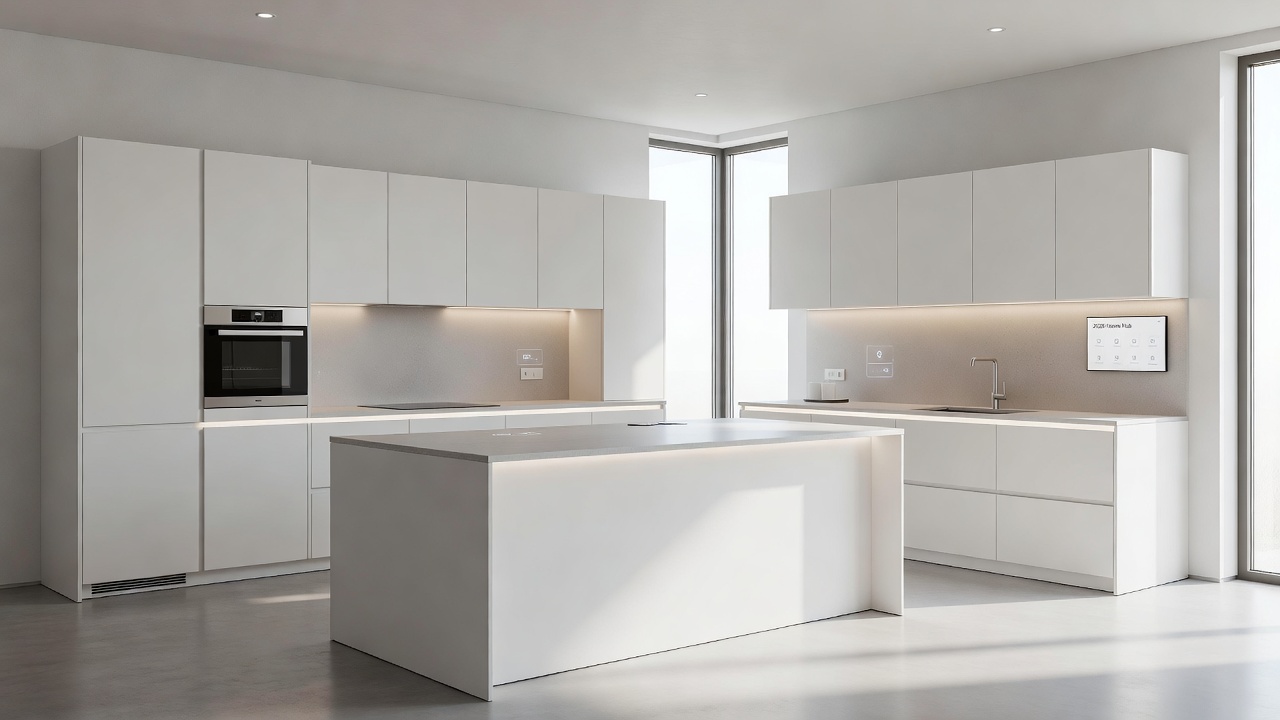
Combine either countertop with smart lighting systems or touchless faucets for a fully updated kitchen. Porcelain works seamlessly with integrated sinks and wireless charging stations, while concrete pairs nicely with reclaimed wood accents or bold backsplashes featuring textured tiles. Explore resources from Consumer Reports for testing insights and Bob Vila for installation guidance. Consider sustainable options through EPA guidelines when selecting finishes, and review industry standards at NKBA for professional trends in kitchen design.
Environmental Considerations
Both materials have sustainability angles worth evaluating. Porcelain production often incorporates recycled content and generates less waste during installation due to precise slab sizing. Concrete can utilize supplementary cementitious materials like slag or fly ash to lower its carbon footprint, appealing to eco-conscious renovators aiming for LEED certification or similar green building goals in 2026 projects.
Conclusion
Choosing between porcelain and concrete countertops depends on your priorities for maintenance, aesthetics, and budget. Porcelain offers low-maintenance durability ideal for high-use environments, while concrete delivers distinctive customization that adds character. Evaluate your lifestyle, consult professionals, and consider long-term implications to ensure the selected material enhances your 2026 kitchen for years to come.
No comments yet. Be the first!