 Fixated on Home
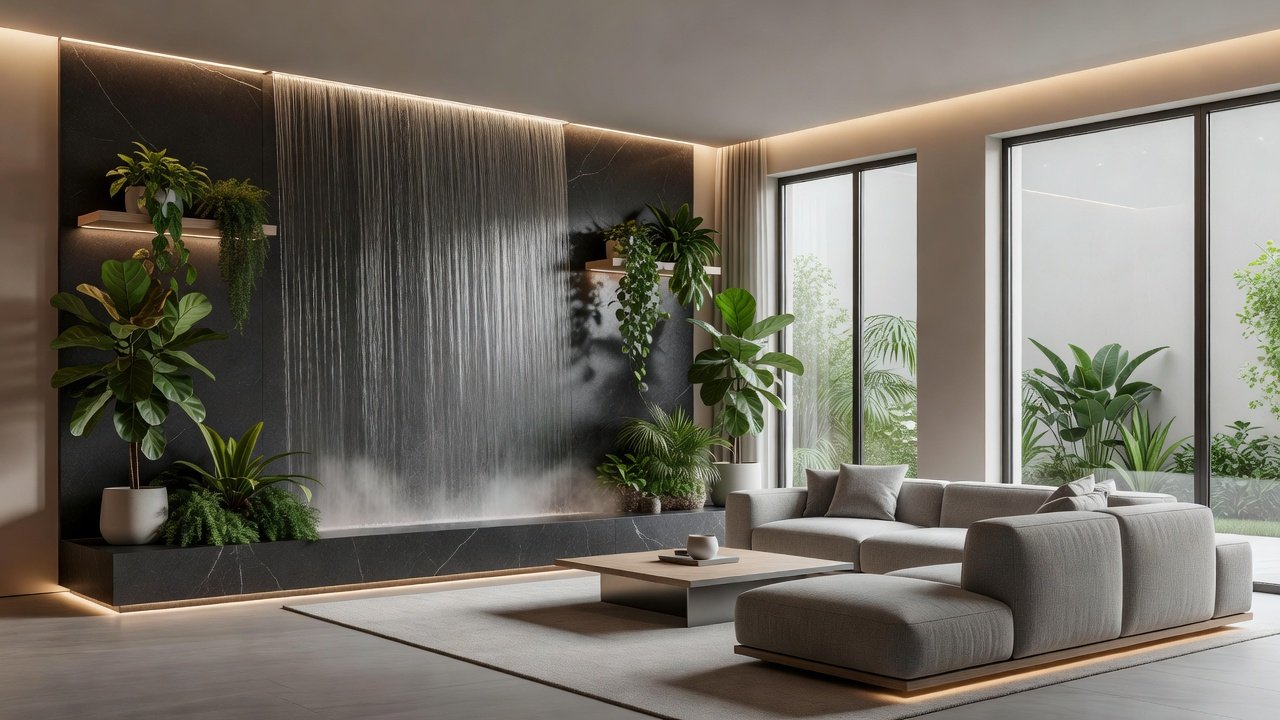
Embracing Serenity Through Indoor Water Features in 2026 Living Rooms
Indoor water features are becoming a cornerstone of 2026 living room design, blending biophilic elements with modern aesthetics to create peaceful retreats within the home. Homeowners seeking unique upgrades can transform ordinary spaces into serene environments that reduce stress and enhance visual flow. This approach draws on natural sounds and visuals to foster relaxation while aligning with current trends in sustainable and nature-inspired interiors. Water features introduce gentle movement and sound that mimic outdoor environments, helping to counteract the stresses of daily urban life. Research from wellness-focused design communities shows that even small additions of flowing water can lower perceived noise levels and promote mindfulness during evening relaxation.
Integrating elements such as wall-mounted waterfalls or freestanding fountains allows for seamless incorporation into existing layouts. These features not only serve as focal points but also improve air quality through gentle humidity. As design evolves, emphasis on thoughtful placement ensures harmony with furniture arrangements and lighting schemes. Many 2026 projects now combine water elements with smart controls for automated flow adjustments based on time of day or occupancy.
Key Benefits of Adding Water Features to Living Spaces
Beyond aesthetics, indoor water features deliver measurable wellness advantages. The soft sound of cascading water can mask background noises from appliances or street traffic, creating a more focused atmosphere for reading or conversation. Additionally, the evaporative effect contributes to balanced indoor humidity, which is particularly beneficial in climate-controlled homes during winter months. Biophilic design principles supported by organizations like the International WELL Building Institute emphasize connections to nature, and water features fulfill this by introducing dynamic natural elements indoors.
Psychological studies consistently link exposure to water sounds with reduced cortisol levels, making these installations valuable for households prioritizing mental health alongside style. In compact urban apartments, a single well-placed feature can redefine the entire room's ambiance without requiring major structural changes.
Key Design Angles for Remodeling Success
When remodeling a living room to include water features, start by assessing the room's architecture. Open-plan spaces benefit from vertical installations that draw the eye upward, while smaller areas suit compact tabletop options. Material choices play a crucial role: natural stone like slate or travertine pairs well with organic vibes, whereas sleek acrylic or stainless steel suits contemporary styles. Glass panels offer transparency that works well in minimalist settings, allowing light to pass through and create sparkling reflections on nearby surfaces.
Placement strategies focus on proximity to seating areas without obstructing pathways. Position features near windows to amplify natural light reflections or beside greenery for enhanced biophilic impact. Consider electrical access early in the planning phase to avoid costly retrofits later. Always factor in ceiling height and wall load-bearing capacity, especially for larger suspended designs.
Budget-Friendly Options for Every Homeowner
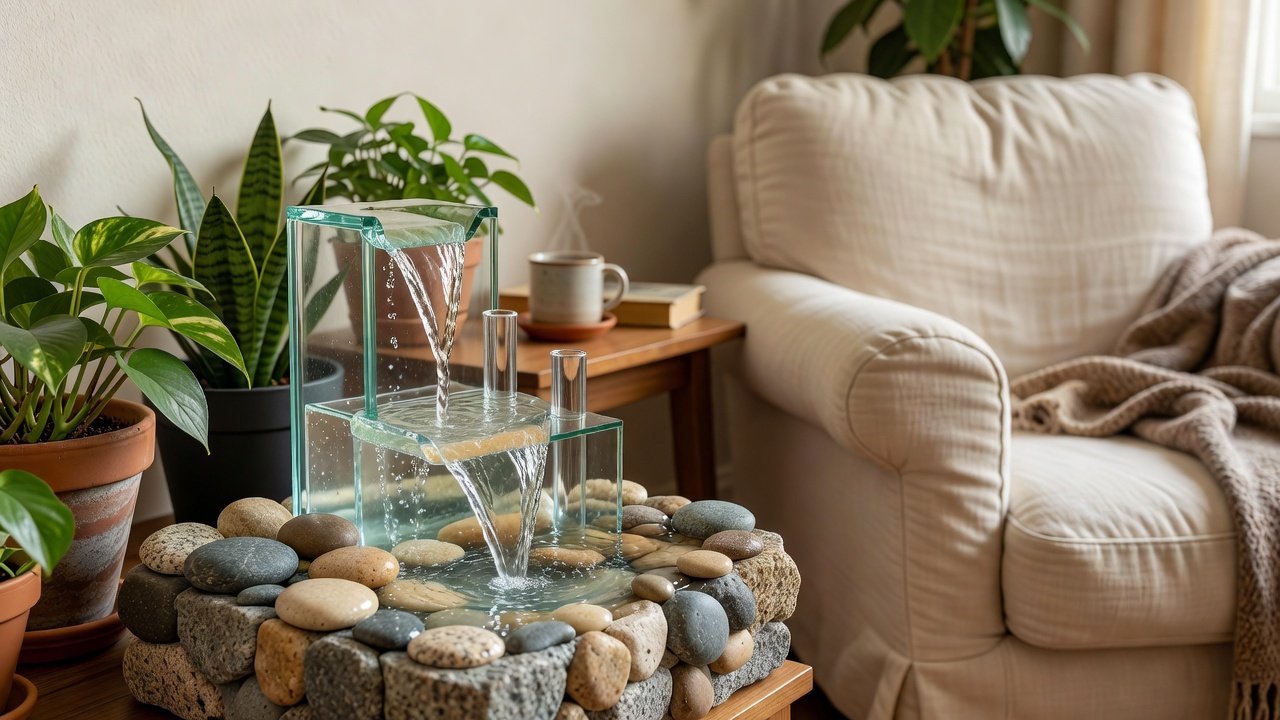
Affordable indoor water features range from DIY kits using recycled materials to pre-assembled units that fit modest budgets. Opt for solar-powered pumps in sunlit rooms to minimize energy costs. Repurposing old vases or basins with submersible pumps offers creative, low-expense solutions that still deliver calming effects. Homeowners can begin with simple pebble fountains and later upgrade to more elaborate systems as budgets allow.
Focus on versatile pieces that can be updated seasonally. Many retailers provide modular systems allowing gradual expansion without full replacement. This method supports incremental remodeling while maintaining design cohesion. Look for features with replaceable parts to extend longevity and reduce long-term expenses.
Modern vs Natural Styles: A Comparison
Modern water features emphasize clean lines, LED lighting, and metallic finishes for a minimalist appeal that complements urban living rooms. In contrast, natural styles incorporate rough-hewn rocks, cascading plants, and earthy tones to evoke outdoor serenity indoors. Modern options often require less maintenance due to enclosed systems, while natural designs demand more attention to algae control but reward with authentic textures.
Choosing between them depends on existing decor. A modern feature integrates easily with neutral palettes and geometric furniture, whereas natural elements enhance spaces already featuring wood accents and organic textiles. Both styles support 2026 trends toward wellness-focused interiors.
- Modern style pros: Easy integration with tech, lower upkeep, customizable lighting.
- Modern style cons: Can feel cold if overused, higher initial material costs in some cases.
- Natural style pros: Strong biophilic connection, unique organic variations, pairs well with plants.
- Natural style cons: Requires more frequent cleaning, potential for uneven water flow over time.
Real-Life Examples from Compact Spaces
Compact urban apartments have successfully incorporated corner waterfalls using slim wall units that occupy minimal floor space. One example involves a 400-square-foot living area where a vertical fountain behind the sofa created depth and masked street noise effectively. Another case featured a tabletop fountain on a media console in a studio setup, using pebble basins to blend with bohemian decor. A third project in a narrow townhouse living room used a recessed floor fountain with hidden lighting to draw attention without crowding furniture.
These examples highlight adaptability. Even in tight quarters, strategic lighting and mirror placement can make water features appear larger and more impactful, turning limitations into design opportunities. Homeowners in similar situations often report that starting small with a single feature leads to greater satisfaction than attempting multiple installations at once.
Step-by-Step Installation Guide
- Measure the intended space and verify structural support for heavier units, including checking floor leveling and wall studs.
- Select a feature matching your style and room scale, ensuring pump compatibility with water volume and checking cord length for outlet access.
- Prepare the base with waterproof liners if needed and route power safely, possibly consulting an electrician for permanent installations.
- Assemble components following manufacturer guidelines, testing water flow before final placement to identify any leaks early.
- Incorporate surrounding elements like plants or lighting to complete the look, ensuring the feature remains the visual anchor.
- Run the feature for several hours to check for leaks or noise issues, adjusting pump speed as necessary for optimal sound levels.
Maintenance Steps for Long-Term Serenity
Regular upkeep preserves both function and aesthetics. Clean pumps monthly to prevent clogs, and refresh water weekly to avoid stagnation. Use distilled water in hard-water areas to reduce mineral buildup. Seasonal deep cleans involve disassembling removable parts and inspecting seals for wear. Schedule quarterly checks on tubing and filters to maintain consistent performance.
Monitor for mold in humid climates by ensuring adequate ventilation around the feature. Many systems now include easy-access filters that simplify routines, supporting consistent performance year-round. Keeping a simple log of maintenance tasks helps track patterns and prevents minor issues from escalating.
FAQs on Noise Levels and Humidity Control
How loud are indoor water features?
Most modern units operate at whisper-quiet levels suitable for living rooms, with adjustable flow rates allowing customization. Select models with sound-dampening designs if noise sensitivity is a concern. Testing in-store or reviewing user videos provides realistic expectations before purchase.
Can water features affect indoor humidity?
They introduce gentle moisture that benefits dry environments but may require dehumidifiers in already humid spaces. Strategic placement away from electronics helps maintain balance, and many homeowners report improved comfort without additional equipment. Pairing with smart humidity sensors offers precise control in varying seasons.
Common Mistakes to Avoid
One frequent error is overlooking scale; oversized features can overwhelm small rooms, while tiny ones disappear in larger spaces. Another is neglecting power sources, leading to visible cords that disrupt aesthetics. Always plan for drainage during cleaning and avoid placing features directly under air vents, which can cause rapid evaporation or splashing.
Conclusion
Indoor water features offer a powerful way to elevate 2026 living room designs with serenity and style. By focusing on practical integration, material harmony, and ongoing care, homeowners achieve lasting relaxation benefits. Explore options through resources like Houzz, Architectural Digest, and This Old House for inspiration and trend insights to begin your transformation.
No comments yet. Be the first!