 Fixated on Home
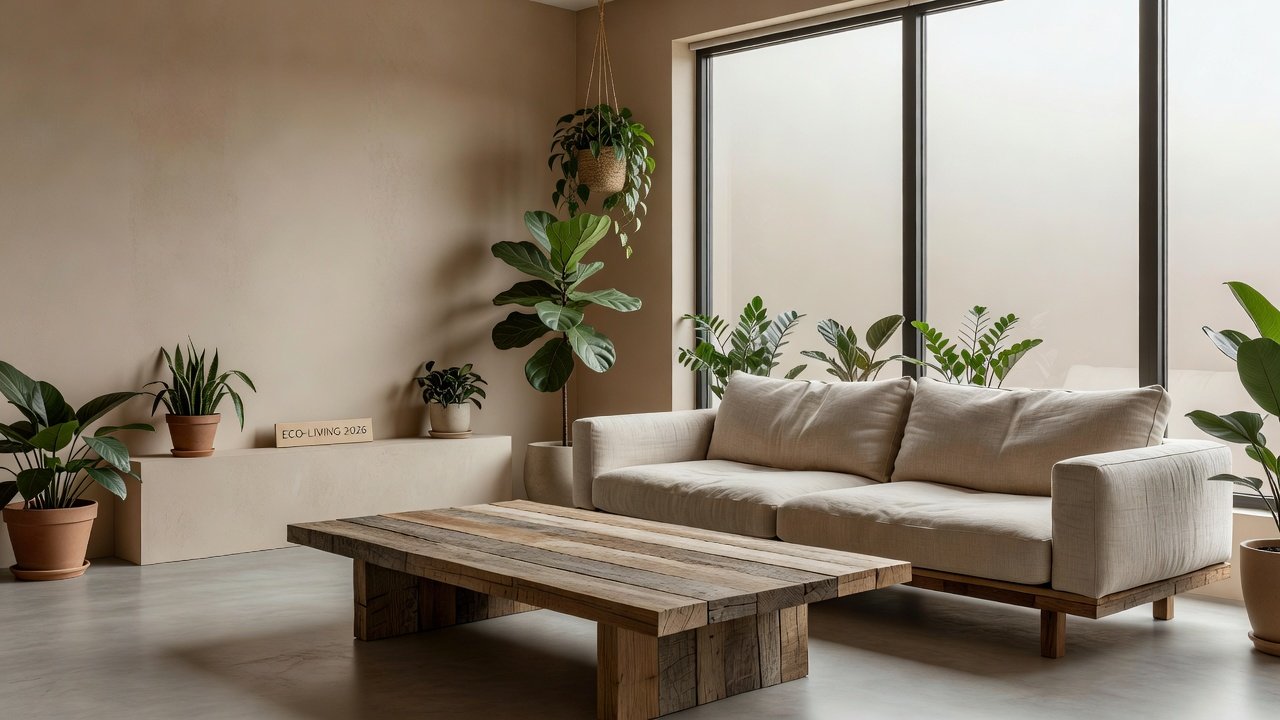
Transforming Discarded Furniture into Sustainable Living Room Treasures in 2026
In 2026, eco-conscious homeowners are embracing upcycling as a core trend in living room design. This approach not only reduces waste but also delivers personalized, affordable pieces that reflect current sustainability values. Upcycling furniture allows you to refresh your space while aligning with broader environmental goals promoted by organizations like the Environmental Protection Agency. Homeowners seeking to remodel their living areas without contributing to landfill overflow find that transforming secondhand items creates unique focal points that new retail purchases simply cannot match. The process combines creativity with practical skills, resulting in pieces that tell a story while supporting circular economy principles.
Whether you're remodeling on a budget or seeking unique decor, this guide covers every step from sourcing to final styling. Readers will find practical advice tailored for modern homes focused on durability and style. By the end of this article, you will understand how to source materials responsibly, select the right tools, match finishes to existing decor, and integrate upcycled items seamlessly into various living room layouts popular in 2026.
Sourcing Quality Secondhand Furniture in 2026
Start by exploring local thrift stores, online marketplaces, and community giveaways. Focus on solid wood or metal frames with good structural integrity rather than particleboard items prone to damage. Check for signs of wear that can be easily repaired, such as loose joints or faded finishes. Networking through neighborhood apps often yields free or low-cost pieces perfect for transformation. Visit estate sales early in the morning for the best selection of vintage dressers, coffee tables, and shelving units that can be repurposed into media consoles or accent cabinets. Always measure your available space beforehand to avoid bringing home oversized items that won't fit your layout. Look for pieces with interesting details like carved legs or original hardware that can be preserved or enhanced during the upcycling process. In 2026, many cities host regular furniture swap events organized through sustainability groups, providing another excellent avenue for finding high-quality discards.
Essential Tools and Upcycling Techniques
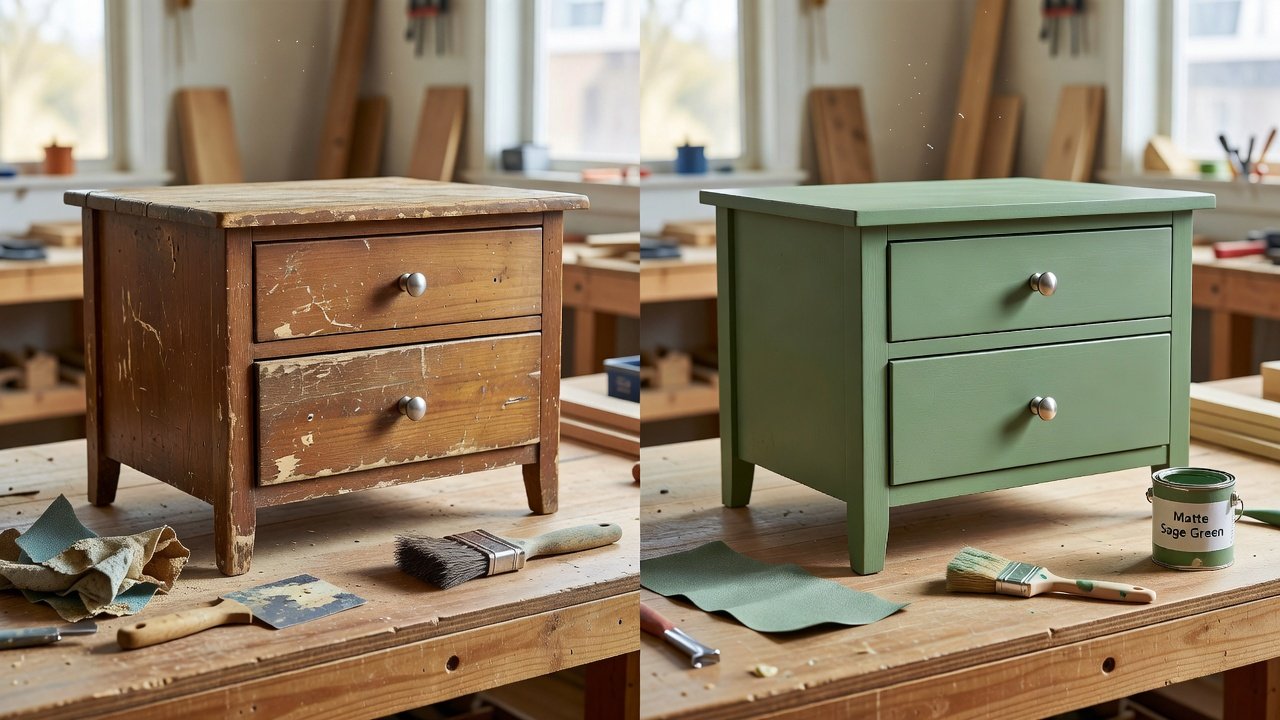
Basic supplies include sandpaper, eco-friendly paints, brushes, and sealants. For advanced projects, add a cordless drill, wood filler, and fabric steamer. Techniques range from simple repainting to more involved reupholstery using natural textiles. Begin every project by thoroughly cleaning the item with a mild solution to remove dirt and old residues. Sand surfaces progressively from coarse to fine grit to create a smooth base for new finishes. Apply primer designed for the material type, followed by two thin coats of paint rather than one thick layer to prevent drips and ensure even coverage. For fabric elements, remove old upholstery carefully, inspect the frame for repairs, and attach new sustainable fabrics using a staple gun. Advanced techniques include distressing wood for a rustic look or adding stencils for custom patterns that align with 2026 biophilic trends. Always work in ventilated areas and choose low-VOC products to maintain indoor air quality. A complete step-by-step process might involve: cleaning thoroughly, repairing damage with wood filler, sanding surfaces, applying primer, painting in thin coats, allowing full drying time between layers, and sealing for longevity with a protective topcoat.
Matching Colors and Finishes to Your Existing Decor
Analyze your current living room palette before selecting finishes. Neutral bases like soft greiges or warm woods pair well with 2026's earth-tone accents. Test samples on inconspicuous areas to ensure harmony. Layering textures—such as matte paint with metallic hardware—adds depth without overwhelming the space. Consider the lighting in your room, as natural light can dramatically change how colors appear throughout the day. If your existing sofa features cool gray tones, opt for complementary sage greens or terracotta hues on upcycled side tables. For a cohesive look, repeat one or two accent colors across multiple pieces. Mixing finishes like brushed brass legs on a painted wood base creates visual interest while maintaining balance with surrounding elements such as rugs and window treatments.
Integrating Upcycled Pieces into Living Room Layouts
Position statement furniture like upcycled coffee tables as focal points. Balance scale by pairing larger items with lighter accents. Consider flow: ensure pathways remain clear while creating conversation zones. Incorporate plants or sustainable lighting to enhance the eco-theme. In open-concept spaces, use upcycled bookshelves as room dividers that also provide storage. For smaller living rooms, select vertical pieces like tall cabinets to maximize floor space. Arrange seating around the upcycled item to encourage interaction, and layer in textiles such as throws made from recycled materials for added comfort and style.
Before-and-After Examples and Cost Comparisons
One common project turns an old dresser into a media console by removing drawers and adding open shelving. Another converts a worn armchair with new sustainable fabric. These transformations typically cost far less than purchasing new equivalents while offering superior customization. A third example involves turning a discarded dining chair set into stylish accent seating by reupholstering seats in complementary patterns and painting frames to match wall colors. Each project demonstrates how thoughtful modifications elevate discarded items into designer-quality pieces suitable for 2026 living room trends.
Mistakes to Avoid During Upcycling Projects
- Skipping proper surface preparation, which leads to peeling finishes over time.
- Choosing incompatible materials that fail to adhere properly to the original surface.
- Ignoring structural repairs before applying cosmetic updates.
- Overlooking ventilation and safety when using paints or adhesives.
- Failing to measure twice before cutting or modifying dimensions.
Maintenance and Durability of Upcycled Furniture
With proper care, upcycled pieces can last for many years. Regular dusting with microfiber cloths prevents buildup, while periodic reapplication of sealant protects against moisture and wear. For high-traffic items, consider adding felt pads to legs to avoid floor scratches. The short FAQ below addresses common durability questions.
FAQ on Durability
- How long does upcycled furniture last? With proper sealing and care, pieces can endure for decades, matching or exceeding new furniture longevity.
- Are eco-paints durable enough? Modern low-VOC formulas provide excellent resistance to scratches and fading when applied correctly.
- What maintenance is needed? Regular dusting and occasional re-sealing keep finishes vibrant in high-use living rooms.
- Can upcycled items withstand pets and children? Yes, when reinforced with durable sealants and sturdy hardware during the process.
2026 Eco-Conscious Living Room Design Trends
This year emphasizes biophilic elements, natural textures, and multi-functional furniture that reduces overall consumption. Upcycling fits perfectly by allowing homeowners to incorporate reclaimed wood and organic fabrics into designs that promote wellness and environmental responsibility. The Natural Resources Defense Council highlights how such practices lower household carbon footprints significantly. Pairing upcycled furniture with energy-efficient lighting and indoor plants creates spaces that feel both modern and grounded in nature.
Conclusion
Upcycling furniture empowers homeowners to craft distinctive, eco-friendly living rooms in 2026. By following these methods, you contribute to waste reduction while enjoying beautiful, personalized spaces. Explore local resources and begin your next project today for lasting impact. Additional guidance is available through sustainability resources at the Environmental Protection Agency website.

No comments yet. Be the first!