 Fixated on Home
Introduction to Small Space Living Room Design in 2026
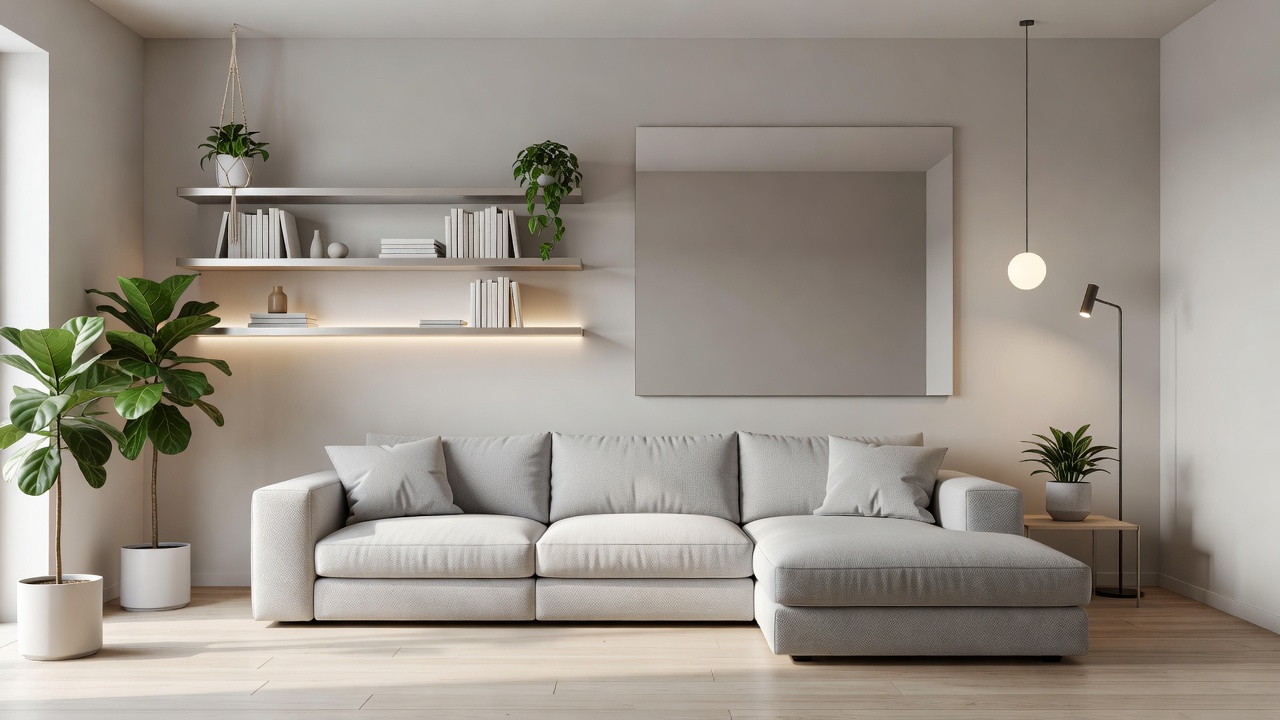
Homeowners with compact living areas often face the challenge of creating functional yet stylish spaces. In 2026, design trends emphasize multi-functional pieces, vertical storage, and light-enhancing techniques that transform cramped rooms into inviting havens. This guide provides step-by-step advice on furniture selection, color choices, storage solutions, and lighting to maximize every square foot. Whether you live in an apartment, condo, or small house, these hacks address real pain points like limited floor space and poor natural light. By focusing on 2026 trends such as modular adaptability and sustainable materials, you can achieve a spacious feel without major renovations.
Selecting Space-Saving Furniture for Compact Rooms
Choosing the right furniture is foundational. Opt for modular sofas that convert into beds or include hidden storage compartments. Nesting tables and wall-mounted desks free up floor space while maintaining usability. Consider slim-profile armchairs over bulky recliners to keep pathways clear. Real-world examples show that swapping a standard three-seater sofa for a streamlined loveseat with ottoman storage can instantly improve flow in a 12x12 room. Look for pieces with clean lines and raised legs that create visual breathing room underneath. In 2026, many homeowners are incorporating furniture with built-in charging ports and adjustable configurations to suit evolving needs like remote work. When shopping, measure your room twice and test mobility by imagining daily movement patterns. Avoid oversized sectionals that dominate the space; instead, select two smaller loveseats that can be rearranged for gatherings.
Strategic Color Palettes to Create an Open Feel
Light, neutral palettes remain popular in 2026 for small spaces. Soft grays, warm beiges, and crisp whites reflect natural light, making rooms appear larger. Introduce subtle accents like sage green or muted terracotta through throw pillows and artwork. Avoid dark walls unless used as a single accent feature behind a focal point such as a media unit. Pairing these colors with reflective surfaces like glass or metallic finishes amplifies brightness. Consider the psychological impact: cool tones promote calm while warm undertones add coziness without closing in the room. Paint ceilings a shade lighter than walls to draw the eye upward. For renters, use removable wallpaper or peel-and-stick decals in light patterns to test ideas before committing.
Multi-Functional Storage Solutions
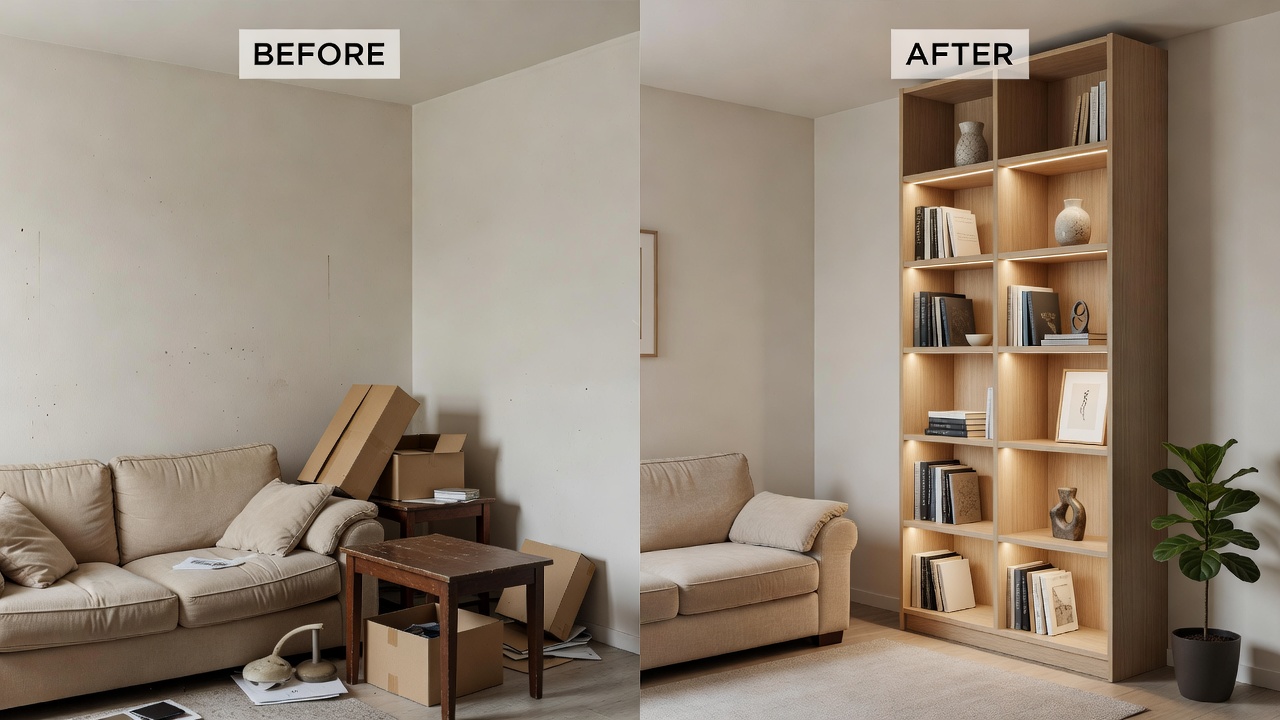
Built-in shelving offers both storage and display opportunities. Install floor-to-ceiling units along one wall to draw the eye upward. Floating shelves above seating areas provide additional room for books and decor without consuming floor space. Under-sofa drawers and ottomans with lift tops serve dual purposes. Homeowners report success with custom cabinetry that integrates seamlessly with existing architecture. Vertical elements like tall bookcases or hanging organizers maximize unused wall real estate. In practice, combining open shelving with closed cabinets hides clutter while showcasing personality through curated items.
Step-by-Step Guide to Installing Built-In Shelving
- Measure the wall precisely and mark stud locations.
- Select lightweight yet sturdy materials like plywood or MDF.
- Secure brackets into studs for stability.
- Paint shelves to match wall color for a cohesive look.
- Style with a mix of books, plants, and baskets for visual interest.
- Add LED strip lighting inside shelves for a modern glow and extra functionality.
Lighting Tricks to Enhance Perceived Space
Layered lighting transforms small living rooms. Combine overhead fixtures with wall sconces and floor lamps to eliminate shadows. Use LED strips under shelves or behind the TV for subtle glow. Mirrors strategically placed opposite windows bounce light throughout the room. Dimmable smart bulbs allow adjustment for different moods and times of day. Incorporate task lighting near reading nooks and ambient lighting for evenings. In 2026, smart lighting systems that sync with natural daylight cycles are gaining traction, helping small spaces feel dynamic rather than static. Position floor lamps in corners to wash walls with light, creating depth. Avoid single overhead bulbs that cast harsh shadows and instead use multiple sources at varying heights.
Before-and-After Comparisons and Budget-Friendly Transformations
One family transformed a 10x14 living room by replacing a heavy entertainment center with a wall-mounted TV and adding vertical bookcases. The result: more seating area and an airy atmosphere. Another example involved painting walls a soft off-white and incorporating a fold-down dining table that doubles as a desk. These changes, achieved with minimal investment, demonstrate how thoughtful upgrades yield dramatic results. A third case featured a narrow rectangular space where linear furniture placement and elongated mirrors extended the visual length. Track your own before photos to measure progress and inspire adjustments.
Common Pitfalls in Small Living Room Layouts
- Overcrowding with too many pieces of furniture, which blocks movement and makes the room feel smaller.
- Ignoring traffic flow between seating and doorways, leading to awkward navigation.
- Using heavy curtains that block natural light instead of sheer options or blinds.
- Neglecting vertical space in favor of horizontal storage only, missing opportunities for height.
- Choosing mismatched scales that make the room feel unbalanced and cluttered.
- Failing to anchor the space with a focal point like a statement rug or artwork.
FAQs on Scaling Designs for Different Room Shapes
How do I adapt these hacks for an L-shaped living room?
Define zones with rugs and modular seating. Place the largest piece along the longest wall and use vertical elements to connect the two sections visually. Experiment with angled furniture placement to soften the bend.
What works best for narrow, rectangular spaces?
Emphasize length with linear furniture arrangements and elongated mirrors. Avoid blocking the natural pathway with perpendicular pieces. Use a gallery wall on one long side to add interest without narrowing the feel.
Are these ideas suitable for rental properties?
Yes. Focus on freestanding modular furniture, removable wallpaper accents, and portable lighting that requires no permanent alterations. Document changes for easy reversal upon move-out.
How can I incorporate 2026 eco-friendly trends?
Choose sustainable materials like bamboo or recycled fabrics for furniture and textiles. Opt for energy-efficient LED lighting and plants that improve air quality while adding life to the space.
For further inspiration on interior trends, explore resources from Architectural Digest, This Old House, and Better Homes & Gardens. Implementing these 2026 small space living room design hacks will help you create a comfortable, stylish environment regardless of square footage. Start with one section at a time, track your results, and adjust based on your unique layout for lasting satisfaction.
No comments yet. Be the first!