 Fixated on Home
Creating the Perfect Living Room for Family Game Nights in 2026
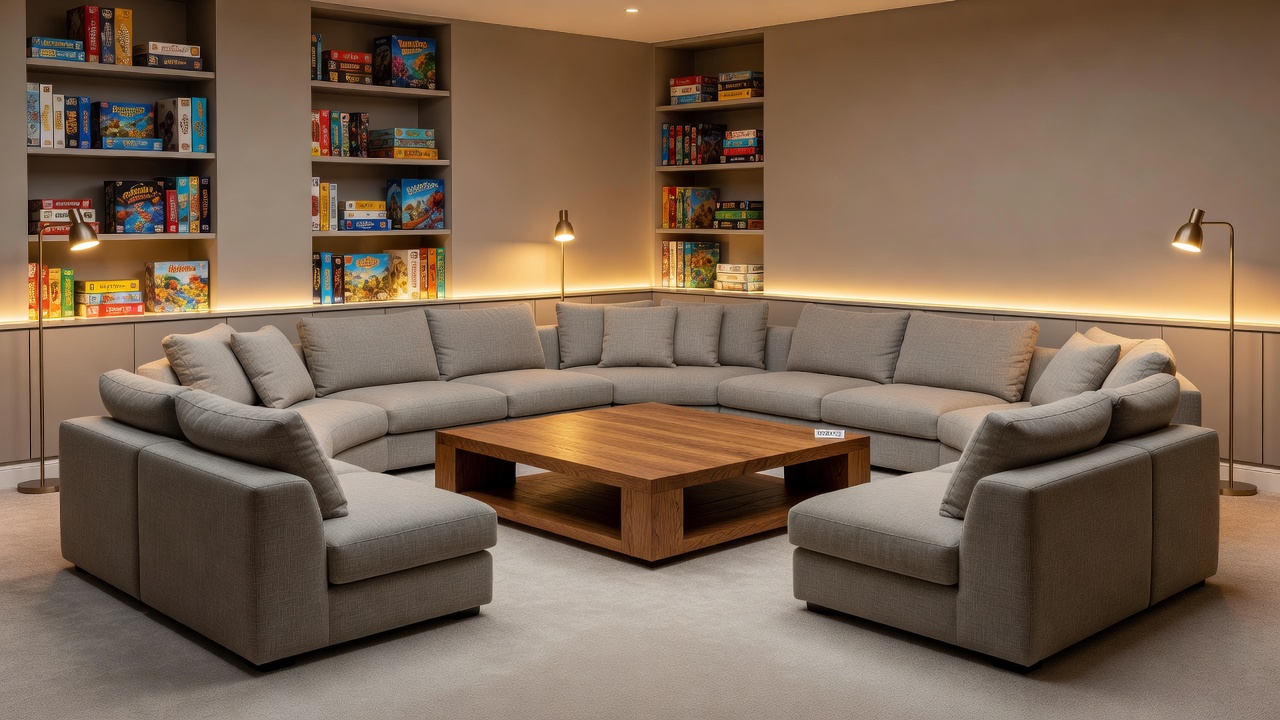
Family game nights have become a cherished tradition for many households, turning the living room into a hub of laughter, strategy, and connection. In 2026, homeowners are prioritizing designs that balance comfort, durability, and functionality to support these social gatherings. This guide explores proven strategies for optimizing your living room layout, selecting resilient decor, and incorporating subtle upgrades that enhance the experience without overwhelming the space. Effective living room design for game nights starts with understanding daily versus event-specific needs. Multi-purpose areas must accommodate regular family time while transforming seamlessly for board games, card tournaments, or video game sessions. Focus on elements that promote easy movement, ample surface space, and organized storage to keep the fun flowing. Homeowners seeking engaging social spaces often search for living room design and remodeling tips that deliver both style and practicality.
Optimizing Layout for Comfort and Flow
A successful layout prioritizes open floor plans with flexible zones. Position the main seating area around a central focal point, such as a coffee table or media console, while leaving at least three feet of clearance for walking paths. This prevents bottlenecks during lively moments like reaching for snacks or resetting game pieces. Consider traffic patterns from adjacent rooms like the kitchen or hallway. Arrange furniture to create natural gathering spots without blocking doorways. For smaller rooms, use rugs to define the game zone visually, helping the space feel intentional rather than cramped. Incorporate zoning techniques by placing a large area rug under the primary seating cluster to anchor the space, then add secondary lighting or side tables to create distinct activity pockets. Accessibility matters too: ensure pathways accommodate family members of all ages, including those using mobility aids during extended play sessions.
Multi-Functional Seating Arrangements
Seating is crucial for long game sessions. Opt for modular sofas with removable sections that can be rearranged into conversation circles or extended lounges. Sectionals with built-in recliners offer versatility, while ottomans with storage compartments double as extra seats or footrests. Compare styles: Traditional leather sofas provide durability against spills but may feel formal. Fabric options with performance treatments resist stains better for households with children. Avoid overly plush designs that make it hard to sit upright during competitive play. Add variety with occasional chairs that tuck away when not needed or floor cushions for younger players. Real examples include families swapping rigid armchairs for lightweight nesting stools that stack neatly after use, freeing up floor space for larger games like charades or floor puzzles.
Integrated Storage for Games and Accessories
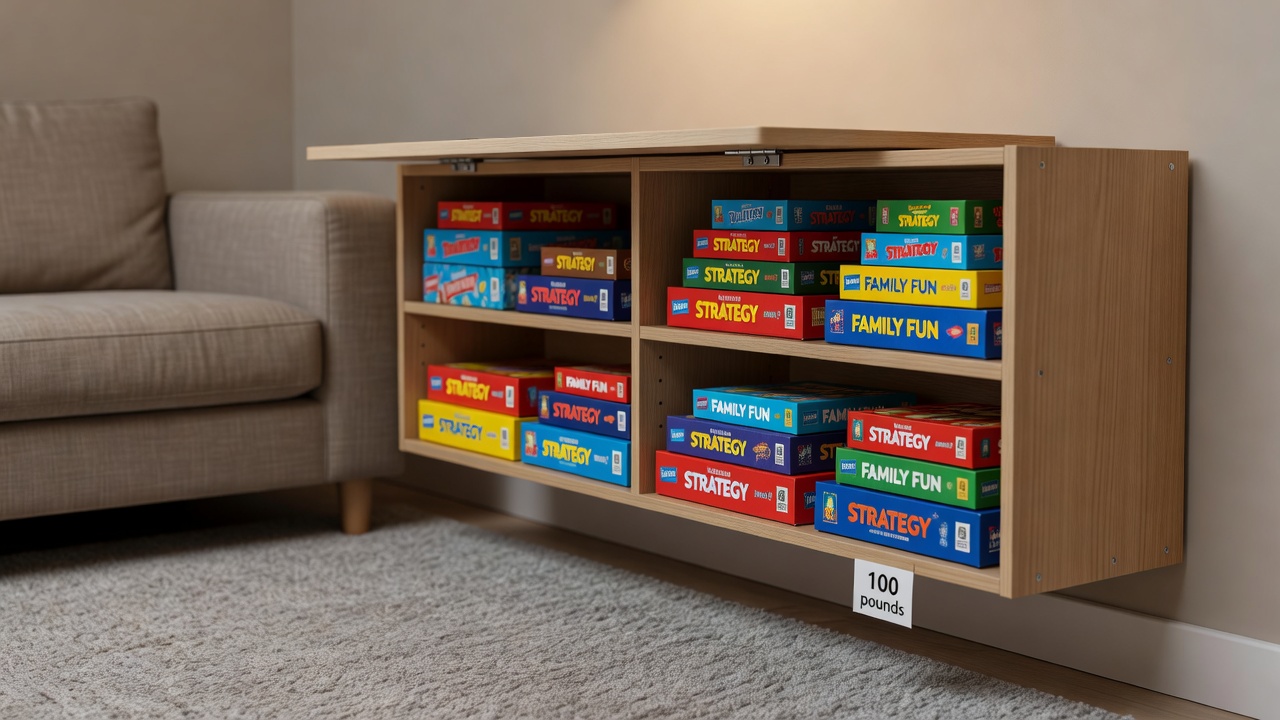
Clutter can disrupt the mood quickly. Built-in shelving or floating cabinets along one wall keep board games, controllers, and dice organized yet accessible. Drawer units under window seats or side tables offer hidden compartments for less-used items. Real-world examples show success with custom millwork that matches existing trim. One family transformed a dated living room by adding a window bench with lift-top storage, turning a rarely used nook into a game library that holds over 50 titles neatly. Vertical solutions like tall bookcases with labeled bins maximize wall space in compact homes. Consider adding charging stations within storage units for electronic games to reduce cord tangles.
Lighting Setups That Enhance Visibility Without Glare
Proper lighting prevents eye strain during evening games. Layer ambient overhead fixtures with task lighting like floor lamps or wall sconces positioned to illuminate tabletops directly. Dimmable LED strips under shelves provide subtle glow for ambiance while maintaining clarity for reading cards or instructions. Avoid harsh overhead fluorescents; instead, use warm-temperature bulbs (around 2700K) to create inviting atmospheres. Smart bulbs allow quick adjustments via app for different game types, from bright puzzle sessions to moody strategy games. Natural light integration through sheer curtains helps daytime gatherings feel fresh, while blackout options control evening glare from windows or screens.
Step-by-Step Remodeling Tips for Foldable Tables and Built-Ins
Adding foldable or expandable features can elevate your space. Follow these steps for a basic upgrade: Assess wall space and measure for a Murphy-style table that folds flat against the wall. Install reinforced brackets rated for at least 100 pounds to support game setups. Choose materials like laminate or sealed wood for easy cleaning. Integrate cable management channels for any electronic games. For built-in options, consult professionals for electrical planning if adding outlets. These modifications create dedicated surfaces without sacrificing floor space when not in use. Additional tips include painting walls in light, neutral tones before installation to reflect light evenly and testing table heights for comfortable seating around them.
Comparing Furniture Styles for Durability and Style
Mid-century modern pieces offer clean lines and sturdy frames ideal for active households. Farmhouse styles provide rustic charm with distressed finishes that hide wear. Contemporary options emphasize sleek storage integration. Each style pairs well with neutral palettes that allow seasonal decor swaps. Test samples in your lighting before committing to ensure they complement your existing scheme. Durability comparisons show that performance fabrics outperform traditional upholstery in homes with frequent game nights, while solid wood frames outlast particleboard alternatives over years of use.
Additional Considerations: Flooring, Color, and Tech Integration
Flooring choices impact both comfort and maintenance. Hardwood with area rugs protects against spills, while low-pile carpets ease chair movement. Color schemes leaning toward warm neutrals or soft grays create inviting backdrops that highlight game pieces without visual fatigue. Tech integration, such as hidden outlets and wireless charging surfaces, supports modern game consoles smoothly. For inspiration on versatile home setups, explore resources from Houzz, IKEA, and HGTV.
Common Mistakes to Avoid
- Overcrowding the room with too much furniture, leaving little room for movement.
- Ignoring storage needs, leading to scattered games at the end of the night.
- Choosing delicate fabrics that stain easily during snack-filled sessions.
- Skipping dimmable lighting, resulting in either overly bright or dim conditions.
- Forgetting accessibility when planning pathways for all family members.
Real-World Transformations and 2026 Trends
Homeowners report success by blending vintage finds with new modular elements. One successful project converted a formal sitting room into a game haven using washable slipcovers and a hidden projector screen for digital games. Current trends favor sustainable materials and tech integration, such as wireless charging stations in side tables. Another transformation involved adding fold-down wall tables in a narrow living room, creating instant game surfaces that disappear after use.
Conclusion
Thoughtful living room design transforms game nights from occasional events into effortless routines. By focusing on adaptable layouts, resilient furnishings, and smart lighting, you create a welcoming environment that grows with your family.
FAQ: Budget Considerations and Maintenance for 2026 Trends
How much should I budget for these upgrades? Costs vary widely based on scope; start with smaller changes like storage bins before investing in custom builds.
What maintenance is needed for durable decor? Regular vacuuming of performance fabrics and prompt stain treatment keep pieces looking fresh. Rotate seating cushions seasonally to ensure even wear.
Are there eco-friendly options trending in 2026? Yes, reclaimed wood and low-VOC finishes align with sustainable living room design goals while supporting long-term family use.
How do I maintain lighting systems over time? Clean fixtures monthly and replace LED bulbs as needed to keep visibility optimal for game nights.
What flooring works best with frequent game setups? Durable hardwood paired with protective rugs offers the best balance of style and resilience against heavy foot traffic.
No comments yet. Be the first!