 Fixated on Home
Introduction to Feng Shui Living Room Design
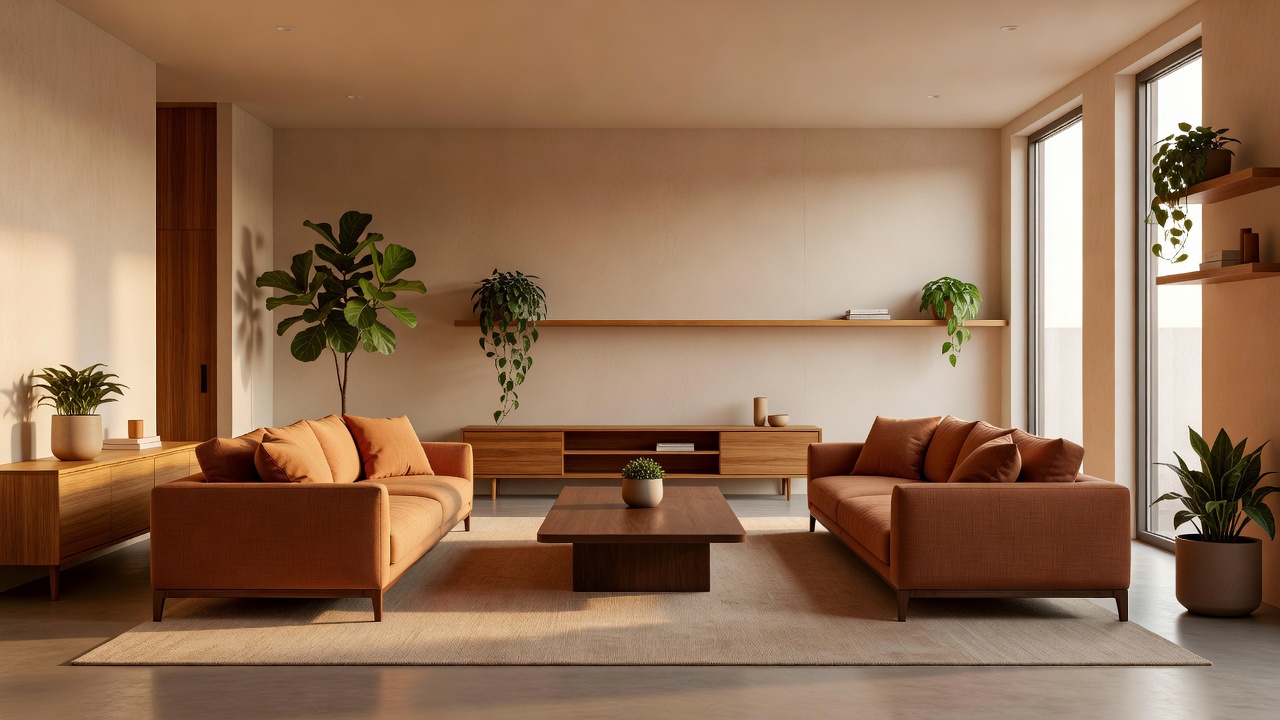
Feng Shui, the ancient Chinese practice of arranging spaces to promote positive energy flow, offers transformative benefits for modern living rooms. In 2026, homeowners are increasingly blending these principles with contemporary interiors to create environments that support well-being, reduce stress, and enhance daily life. This guide explores practical applications tailored for holistic home upgrades beyond mere aesthetics. Applying Feng Shui helps optimize chi, or life force energy, through strategic layout and element balance. Whether redesigning an existing space or planning a remodel, these methods foster long-term harmony and can integrate seamlessly with current trends in sustainable materials and open-plan living.
Many people start with simple adjustments like repositioning seating, but deeper implementation involves understanding how each element interacts with daily routines. For instance, families who have applied these concepts report improved relaxation during evening gatherings and better focus when working from home in the same space.
Understanding the Bagua Map for Optimal Placement
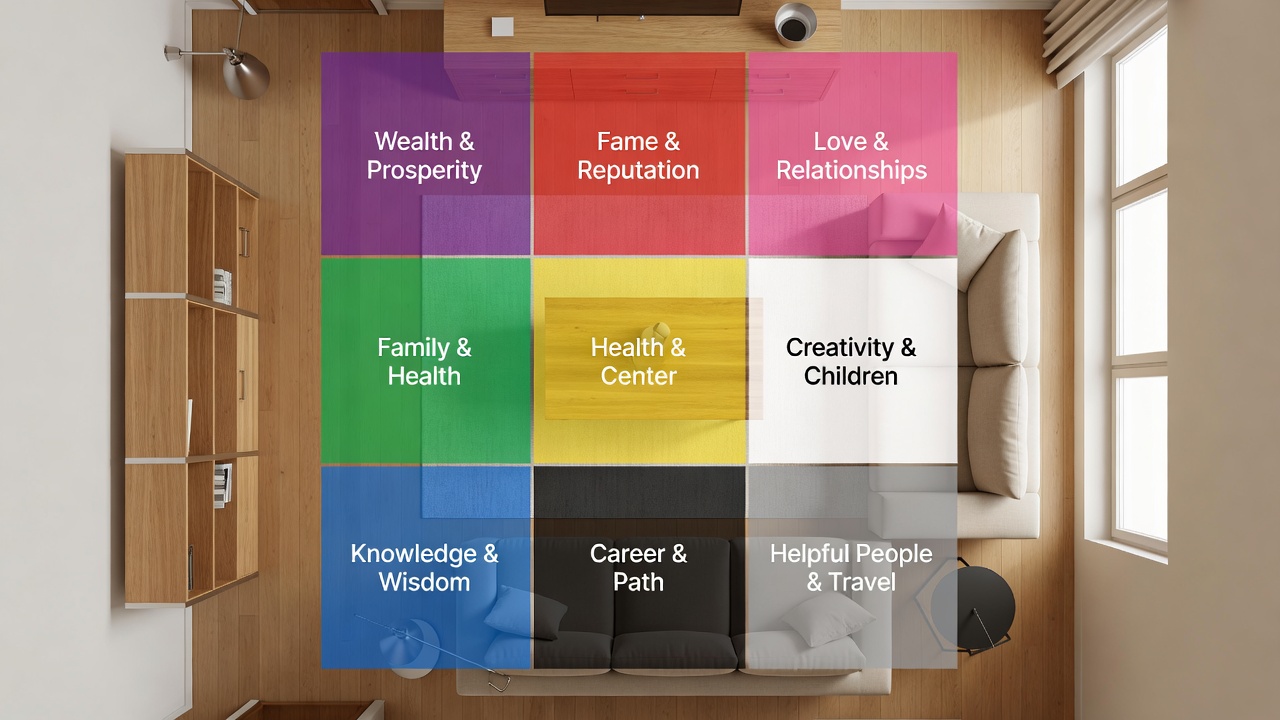
The bagua map serves as a foundational tool in Feng Shui, overlaying a grid on your floor plan to align areas with life aspects like wealth, health, and relationships. To apply it, stand at the living room entrance facing inward and divide the space into nine equal sections. This ancient method, rooted in Taoist philosophy, allows precise identification of energy hotspots. Key zones include the wealth corner (southeast), often enhanced with vibrant plants or purple accents, and the family area (east) suited for wooden elements. Beginners should sketch their room and mark these zones before moving furniture. In practice, homeowners in suburban homes have used this mapping to transform underused corners into nurturing spaces that encourage conversation and connection.
Real-home examples show how positioning a sofa in the command position—facing the door but not directly aligned—improves energy circulation and conversational flow. Avoid placing the main seating with its back to windows or doors, as this can create subconscious unease. Detailed walkthroughs of successful projects highlight how bagua integration leads to measurable improvements in room usability over time.
Furniture Placement Strategies
Strategic furniture arrangement prevents energy stagnation. Avoid blocking pathways or placing large items against windows. Instead, create open sightlines and balance heavy pieces with lighter accents. Comparisons reveal traditional setups favor symmetrical arrangements for stability, while contemporary adaptations incorporate modular seating for flexibility in smaller urban homes. For example, in a rectangular living room measuring approximately 20 by 15 feet, placing a low coffee table in the center anchors the space while allowing easy movement around the perimeter.
Practical tips include ensuring at least three feet of clearance around major pathways and using rounded edges on tables to soften sharp energy. In real homes, one family rearranged their sectional sofa to face inward toward a focal point like a fireplace, resulting in more cohesive family interactions. Another example involved elevating a television on a console rather than mounting it high, which maintained visual harmony and prevented the room from feeling dominated by electronics.
Color and Element Selection
Colors and the five elements—wood, fire, earth, metal, and water—harmonize the room. Earth tones like beige promote grounding, while blues invite calm. Incorporate elements via materials: wooden tables for growth, metal frames for clarity. For 2026 designs, pair neutral palettes with subtle metallic accents to reflect modern minimalism without sacrificing balance. Wood elements might appear in bookshelves or flooring, fire through candles or warm lighting, earth in ceramic vases or rugs, metal in lamps or picture frames, and water in fountains or glass tabletops.
Expanding on this, consider how seasonal changes affect element balance. During winter months, emphasize fire and earth tones to counteract cooler energies. Homeowners experimenting with these combinations often find that layering textures—such as linen curtains with a wool rug—enhances the sensory experience while aligning with Feng Shui goals. Comparisons between traditional Chinese interiors and Western adaptations show that the latter favor muted versions of these colors to suit contemporary tastes.
Decluttering Strategies for Energy Flow
Clutter disrupts chi. Begin with a room audit, removing items unused for over a year. Use storage solutions that maintain visual openness, such as built-in shelves. Effective decluttering follows a systematic approach: categorize items by frequency of use, then decide on retention based on emotional resonance and functionality. Introduce natural light through sheer curtains to invigorate the area and position mirrors strategically to reflect positive views rather than piles of belongings.
- Sort belongings into keep, donate, or discard categories over a weekend session.
- Position mirrors to expand perceived space without reflecting clutter or sharp corners.
- Introduce natural light through sheer curtains to invigorate the area and reduce reliance on artificial sources.
- Rotate decorative objects seasonally to keep energy fresh and prevent stagnation.
Examples from real homes demonstrate success when decluttering pairs with intentional organization, such as using baskets for remotes and magazines that blend with the decor.
Traditional vs Contemporary Adaptations
Traditional Feng Shui emphasizes strict compass directions and symbolic objects. Contemporary versions adapt these for Western lifestyles, using abstract art instead of ornate statues and smart lighting for dynamic energy. In 2026 remodeling projects, designers often merge both by retaining core principles like the bagua while incorporating eco-friendly materials. Practical examples from recent remodels demonstrate success in open-plan living rooms where zones blend seamlessly with kitchen areas through consistent elemental themes.
Step-by-Step Beginner Guide
Follow these steps for implementation: First, measure and sketch the room accurately. Second, overlay the bagua map using a compass app for precision. Third, select and place key furniture with command positions in mind. Fourth, introduce balanced colors and elements gradually. Fifth, declutter and add plants for vitality. Sixth, evaluate flow by walking the space mindfully and adjusting as needed. This methodical process ensures lasting results rather than fleeting changes.
Common Myths and FAQ
Many believe Feng Shui requires expensive changes, but small adjustments like repositioning lamps yield results. Another myth claims it conflicts with personal style—adaptations prove otherwise. FAQ section: Does Feng Shui work with modern technology? Yes, by concealing cords and balancing screen placement. How many plants are ideal? Start with three to five depending on room size. Can it help with small spaces? Absolutely, through strategic mirrors and light colors.
Conclusion
Integrating Feng Shui into living room design creates spaces of enduring balance. Explore further through authoritative resources like Britannica and National Geographic for deeper cultural insights, then apply these tips to achieve harmony in your 2026 home.
No comments yet. Be the first!