 Fixated on Home
Introduction
Creating a dedicated meditation corner in your living room can transform how you approach daily wellness in 2026. This practical guide walks through every step, from layout planning to material choices, helping wellness-focused homeowners integrate calm into existing spaces without major renovations. Homeowners today seek ways to support mental health through thoughtful decor, and a meditation corner offers a low-commitment yet high-impact solution that fits within standard living room footprints. By focusing on serene elements like color, seating, and natural accents, you can carve out a personal retreat that encourages regular mindfulness practice amid busy household routines.
Planning Your Space: Measurements and Layout
Begin by evaluating your living room layout for a quiet nook away from high-traffic zones like the TV or entryway. Measure available floor space—ideally 4x4 feet minimum—to ensure the area feels intentional yet unobtrusive. Consider natural light sources and proximity to windows for a connection to the outdoors. Sketch a simple floor plan noting existing furniture positions, electrical outlets, and window orientations. This initial assessment prevents later adjustments and ensures the corner integrates smoothly rather than appearing tacked on. Account for clearance around the space so family members can move freely without disrupting sessions.
Choosing Serene Color Schemes
Opt for soft neutrals such as warm greige, muted sage, or soft taupe to promote relaxation. These palettes reduce visual noise while complementing most 2026 living room trends. Test samples on walls during different times of day to confirm they maintain a soothing effect under varied lighting. Color psychology research shows that muted greens and earth tones lower stress levels by mimicking natural environments. Avoid bold contrasts or bright accents that could overstimulate the senses during meditation. If repainting is not feasible, introduce these tones through throw pillows, curtains, or a dedicated rug to achieve similar calming results.
Ergonomic Seating Solutions
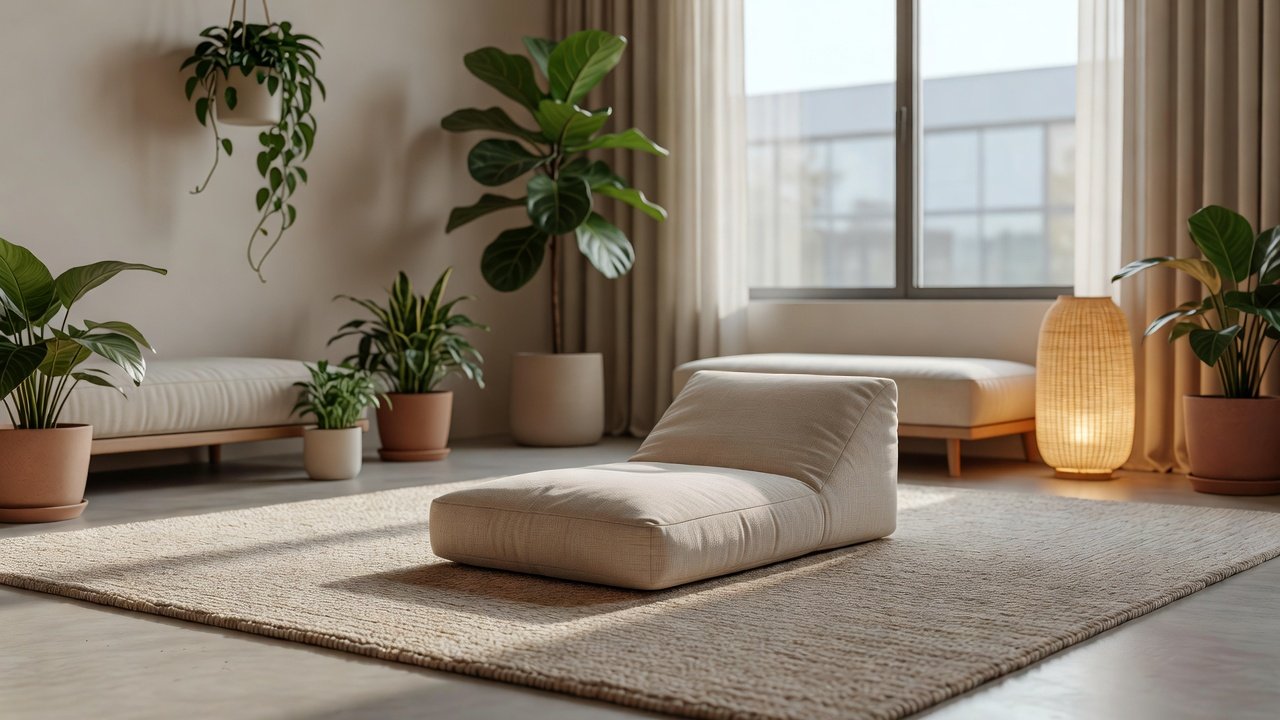
Invest in supportive seating like a low-profile floor cushion with lumbar support or a meditation bench designed for proper posture. Look for pieces with breathable fabrics and adjustable heights to accommodate different body types and session lengths. Compare options such as traditional zafu cushions versus modern ergonomic chairs with backrests; the former suits floor-based practices while the latter benefits those with mobility concerns. Test seating in-store or via return policies to verify comfort over extended periods. Pair seating with a small side table for water or timers to enhance usability without clutter.
Incorporating Biophilic Accents
Introduce plants such as snake plants, peace lilies, or pothos to improve air quality and bring nature indoors. Arrange them at varying heights using wall-mounted planters or small shelves to create depth without cluttering the floor. Biophilic design principles emphasize living elements that reduce anxiety and boost focus, making plants essential for a 2026 meditation space. Rotate plant positions seasonally to maintain visual interest and ensure even growth. Combine with natural textures like woven baskets or wooden accents to amplify the organic feel.
Optimal Lighting Setups
Layer lighting with dimmable LED floor lamps emitting warm 2700K tones alongside sheer curtains for diffused natural light. Avoid harsh overhead fixtures; instead, position lights to cast gentle shadows that enhance the meditative atmosphere. Consider smart bulbs controllable via app for gradual dimming during evening sessions. Natural morning light from east-facing windows can energize daytime practice, while blackout options help create darkness for deeper evening relaxation. Experiment with placement to eliminate glare on seating or reflective surfaces.
Integrating Sound-Absorbing Materials
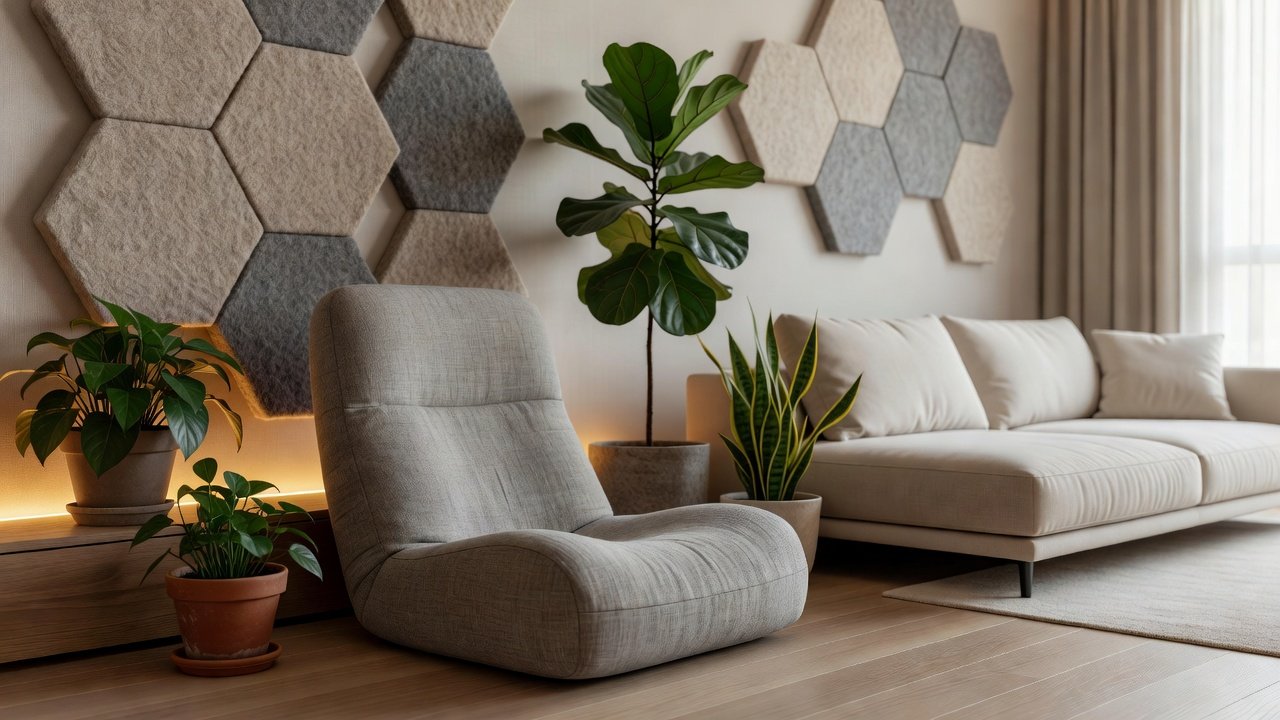
Add acoustic panels, thick area rugs, or heavy drapes to minimize echoes from surrounding living areas. These elements absorb ambient noise, creating a more immersive experience during guided sessions or silent reflection. Layer a plush rug over existing flooring and hang floor-to-ceiling curtains on nearby windows to dampen external sounds. For apartments with thin walls, freestanding acoustic screens provide portable sound control that doubles as visual dividers. Regular vacuuming of textiles maintains effectiveness while preserving aesthetics.
Compact Storage Solutions
Use hidden storage like ottomans with lids or wall-mounted floating shelves to keep meditation essentials—blankets, journals, and incense—organized. This keeps the corner tidy while blending seamlessly with existing furniture. Opt for multi-purpose pieces such as storage benches that serve as seating alternatives or side tables. Label containers clearly and rotate items seasonally to prevent accumulation. Wall-mounted options free floor space in smaller rooms, maintaining an open, uncluttered appearance.
Balancing the Corner with Existing Layouts
Anchor the space with a small rug that defines its boundary without disrupting flow. Position seating to face a focal point like a plant cluster or window, ensuring the meditation area feels like a natural extension rather than an afterthought. Align colors and textures with the broader living room palette for visual harmony. In open-plan homes, use subtle room dividers like tall plants or sheer screens to maintain separation during use while allowing light and conversation to pass when the corner is inactive.
Real-Home Examples
In a compact urban apartment, one homeowner carved out a corner using a folding screen and modular cushions, maintaining openness for family gatherings. Another suburban family integrated the space beside a sectional sofa with matching textiles for visual cohesion. A third example features a city loft where the meditation area doubles as a reading nook with added bookshelves, demonstrating versatility. These cases highlight how personal style and room constraints shape successful outcomes while delivering consistent mental health benefits.
Common Mistakes to Avoid
- Overcrowding the space with too many elements, which can create visual stress instead of calm.
- Ignoring acoustics, leading to distracting echoes from adjacent rooms or hallways.
- Choosing uncomfortable seating that discourages regular use after initial enthusiasm fades.
- Neglecting maintenance routines for plants or textiles, resulting in a neglected appearance over time.
Maintenance and Long-Term Care
Establish weekly routines for dusting surfaces, watering plants, and refreshing linens to keep the corner inviting. Rotate cushions and rugs to prevent wear patterns. Reassess the layout every few months as needs evolve, perhaps adding new elements like seasonal scents or updated lighting. Consistent care ensures the space remains a reliable sanctuary rather than a forgotten corner.
FAQ
- How do I create a meditation corner in a small living room? Use vertical storage and multi-functional furniture to maximize limited square footage while preserving openness.
- What maintenance is required for plants in the space? Select low-light tolerant varieties and establish a weekly watering routine to keep foliage healthy year-round.
- Can the corner work with existing modern furniture? Yes—choose complementary textures and colors to ensure the meditation area harmonizes rather than competes with surrounding pieces.
- How often should I use the space to see mental health benefits? Short daily sessions of 10-15 minutes build consistency more effectively than infrequent longer practices.
- What if my living room has limited natural light? Supplement with full-spectrum LED options and reflective surfaces to mimic daylight benefits.
Conclusion
A thoughtfully designed 2026 living room meditation corner supports mental health through intentional design choices. By following these steps, homeowners can enjoy a restorative retreat that enhances both daily life and overall well-being. For more on the benefits of mindfulness practices, explore resources from Mayo Clinic and World Health Organization.
No comments yet. Be the first!