 Fixated on Home
Introduction to Japandi Living Room Design
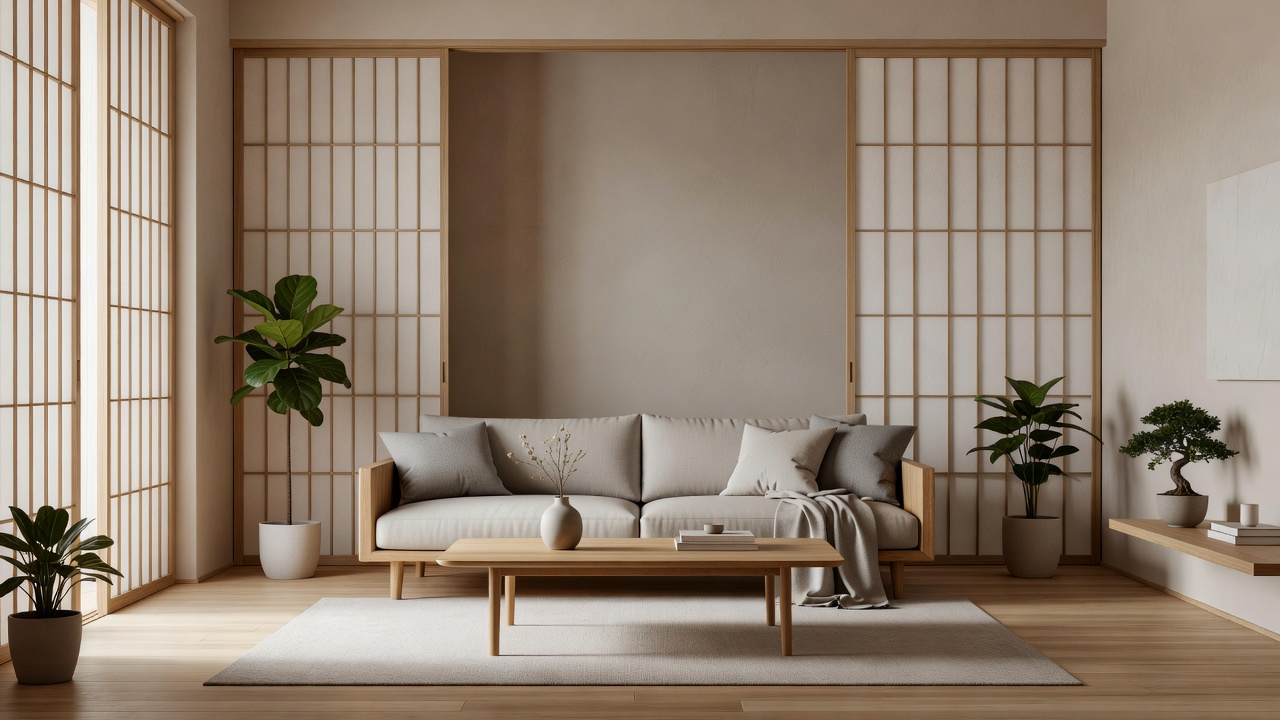
Japandi style has emerged as a leading trend for 2026 home interiors, seamlessly merging the clean lines and restraint of Japanese minimalism with the warm, inviting textures of Scandinavian design. This hybrid approach creates serene, uncluttered living rooms that prioritize calm and functionality. Homeowners seeking balance in busy modern lives find Japandi particularly appealing because it emphasizes natural elements and purposeful simplicity. The style draws from wabi-sabi principles of imperfection alongside hygge comfort, resulting in spaces that feel both sophisticated and livable. In 2026, Japandi continues to evolve with sustainable sourcing and biophilic integrations that connect indoor environments to nature, offering a refreshing alternative to overly ornate or cluttered trends.
By focusing on intentional design choices, Japandi living rooms become sanctuaries that support mental well-being. This guide provides in-depth coverage of the style's principles, practical selection advice, remodeling steps, and adaptation strategies to help you achieve a cohesive result tailored to your space.
Core Principles of Japandi Style
Understanding the foundational elements is essential for successful implementation. Japandi relies on three pillars: natural materials, a restrained neutral palette, and layouts that promote flow and mindfulness. Materials like oak, walnut, linen, and stone dominate, chosen for their tactile qualities and longevity. Colors stay within soft beiges, warm grays, muted greens, and off-whites to foster tranquility without stark contrasts. Functional layouts avoid clutter by incorporating multi-purpose pieces and ample negative space. This creates visual breathing room, a hallmark of both Japanese and Nordic aesthetics. Additional nuances include embracing asymmetry in arrangements and selecting items that age gracefully, aligning with the philosophy of imperfection and authenticity.
Selecting Low-Profile Furniture
Low-profile seating and tables form the backbone of a Japandi living room. Opt for sofas with clean silhouettes and wooden legs that sit close to the floor, evoking tatami mat traditions. Coffee tables in solid wood with simple joinery provide utility without visual weight. When choosing pieces, prioritize craftsmanship and sustainability certifications to align with the style's ethos. Examples include modular seating arrangements that can adapt to gatherings or quiet evenings. Pair these with floor cushions or low benches for added flexibility in smaller rooms. Consider how a low-slung armchair in natural linen can anchor a reading nook while maintaining an open sightline across the space. Compare this to traditional high-back furniture, which can feel imposing; Japandi favors pieces that invite relaxation at a grounded level.
Incorporating Shoji-Inspired Screens and Biophilic Elements
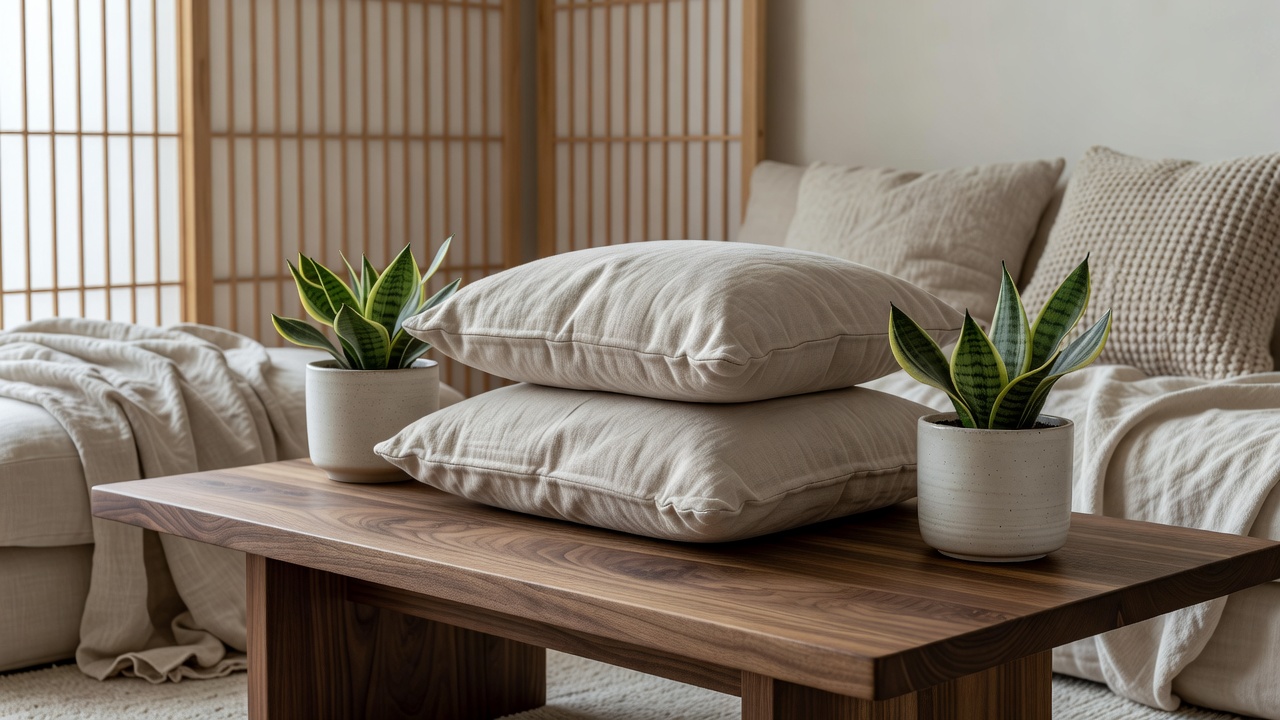
Shoji screens offer elegant room division while diffusing light softly. Use them to separate living areas from dining zones or to frame windows. Modern interpretations often feature lightweight wood frames with translucent panels that maintain openness. Indoor plants enhance the biophilic connection central to Japandi. Species like fiddle-leaf figs, snake plants, and bonsai trees introduce organic shapes and improve air quality. Arrange them in ceramic pots of varying heights to create layered interest without overwhelming the space. Layering multiple plant heights alongside a single statement bonsai can transform a corner into a focal point that echoes Japanese garden aesthetics while adding Scandinavian warmth through textured pots.
Step-by-Step Remodeling Tips for Sustainable Sourcing
Begin by assessing your current room and identifying pieces to retain or replace. Source sustainable woods from certified suppliers focusing on responsibly harvested oak or ash. Textiles should come from organic linen or hemp producers emphasizing ethical labor practices. Follow these expanded steps for a thorough process:
- Measure your space and sketch a functional layout emphasizing clear pathways and zones for seating, storage, and movement.
- Research vendors for FSC-certified timber and GOTS-approved fabrics, verifying supply chains for transparency.
- Invest in quality over quantity, selecting versatile items that serve multiple roles such as a storage ottoman that doubles as seating.
- Integrate lighting with warm LED bulbs hidden in paper lanterns or wooden fixtures for ambient glow that mimics natural daylight transitions.
- Test paint samples in natural light to ensure the palette feels cohesive across different times of day.
- Evaluate existing decor items for repainting or reupholstering in Japandi-approved neutrals to reduce waste.
- Install subtle window treatments like roller shades in natural fibers before adding final accents.
Before-and-after transformations often highlight the removal of heavy drapes in favor of sheer linen panels and the addition of a low wooden console that doubles as storage. These changes create dramatic shifts in perceived spaciousness and calm.
Color Palette Deep Dive and Lighting Strategies
A successful Japandi palette extends beyond basic neutrals by incorporating subtle tonal variations. Layer warm taupes with cool sage greens and soft charcoals to add depth without disrupting serenity. For lighting, combine multiple sources: overhead paper lanterns for general illumination, floor lamps with linen shades for task areas, and hidden LED strips along shelving to highlight natural textures. This layered approach ensures the room feels inviting at all hours while supporting the minimalist ethos.
Common Mistakes to Avoid
Many attempts at Japandi fall short due to avoidable errors. Here are key pitfalls and solutions:
- Overcrowding with too many plants or accessories—limit to three to five statement items for breathing room.
- Choosing overly dark woods that clash with the light palette—stick to medium tones like light oak for balance.
- Ignoring scale in small rooms by selecting oversized furniture—opt for compact, proportional pieces instead.
- Skipping sustainable certifications, which undermines the style's ethical core.
Adapting Japandi to Small Spaces and Existing Decor
Small living rooms benefit from scaled-down furniture and reflective surfaces like polished concrete or light wood floors. Use mirrors strategically to amplify light and depth. Blend existing items by repainting them in Japandi tones or adding natural accents like a jute rug. For those updating rather than fully remodeling, start with textiles and accessories before committing to larger changes. This phased approach reduces disruption while building toward the desired serenity. In apartments with fixed built-ins, integrate shoji-style dividers to soften hard lines without permanent alterations.
Conclusion
Japandi living room design delivers enduring appeal through its thoughtful fusion of cultures and commitment to mindful living. By focusing on natural materials, balanced palettes, and intentional layouts, you can craft a 2026 sanctuary that promotes relaxation and timeless style. Explore authoritative design resources such as ArchDaily and Dezeen for further inspiration on global trends and material innovations, along with Architectural Digest for real-world case studies.
No comments yet. Be the first!