 Fixated on Home
Introduction to Smart Living Room Tech in 2026
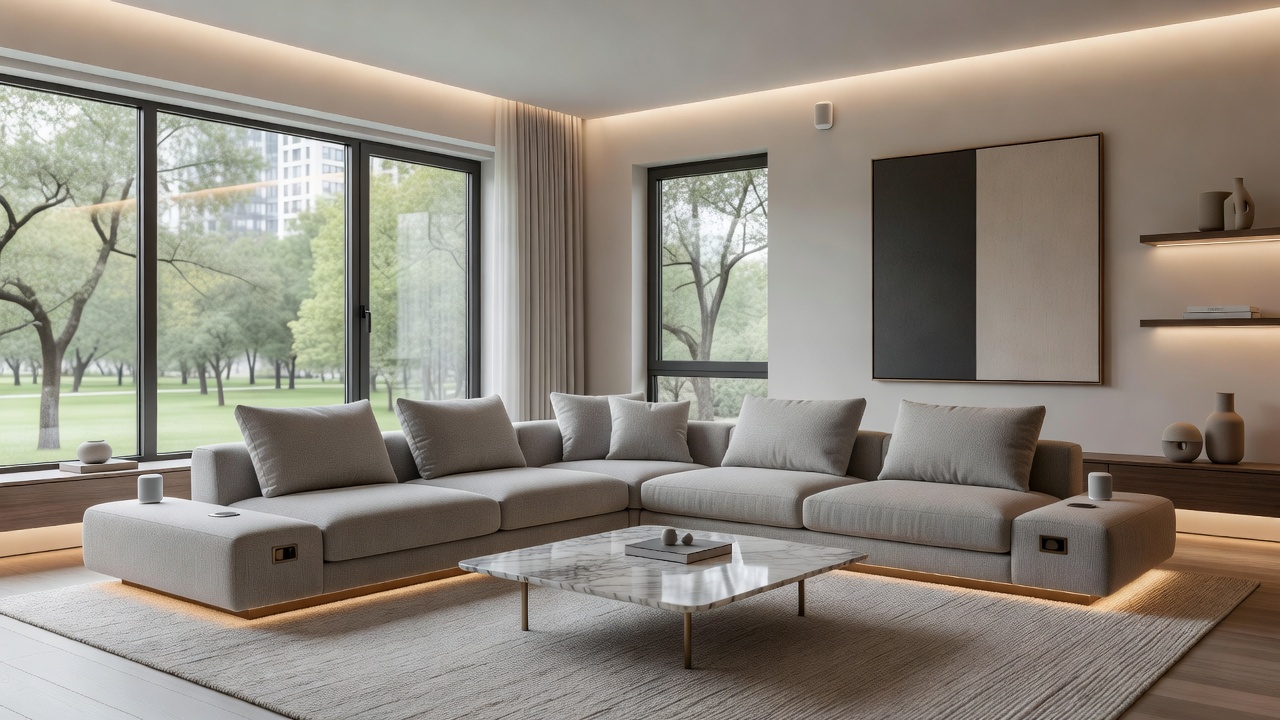
Integrating smart technology into living room interiors has become a top priority for homeowners seeking both convenience and contemporary style. In 2026, advancements in voice-activated systems, concealed infrastructure, and efficient lighting allow for upgrades that enhance daily life without compromising decor. This comprehensive guide explores practical methods to blend these elements into existing or new spaces, helping you create a functional and visually appealing environment that adapts to modern needs.
Homeowners today face the challenge of balancing technology with aesthetics. Smart living room upgrades address this by embedding devices seamlessly. Whether remodeling or refreshing an existing setup, understanding the core components ensures successful outcomes. Voice controls, hidden wiring, and intelligent lighting form the foundation of these transformations, offering improved usability and long-term value.
Voice-Activated Controls for Effortless Operation
Voice assistants like Amazon Alexa and Google Assistant remain central to smart living rooms. These systems enable hands-free management of lights, entertainment, and climate controls. Popular devices include the Amazon Echo Studio for premium audio and the Google Nest Hub for visual interfaces. When comparing options, consider ecosystem compatibility—Alexa excels in third-party integrations while Google offers superior search capabilities. Installation typically involves placing devices in central locations and connecting via Wi-Fi for immediate functionality.
Real-world examples demonstrate the benefits. A family might use voice commands to dim lights during movie nights or adjust the thermostat without leaving the couch. Multi-device setups allow routines such as “good evening” that activate multiple systems simultaneously. Exploring advanced features like spatial audio in newer models enhances immersion for entertainment zones. Always test microphone range in your specific room layout to avoid dead zones near seating areas.
Hidden Wiring Solutions for Clean Aesthetics
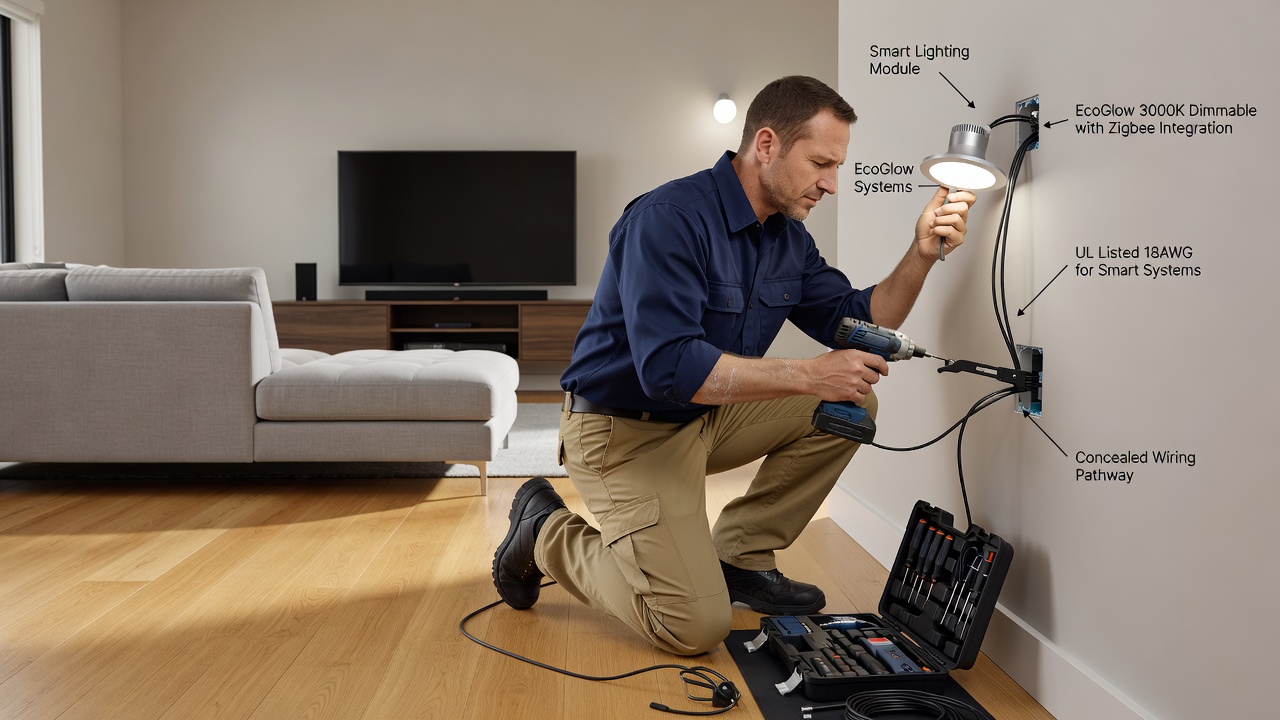
Concealing cables is essential for maintaining a polished look. Use in-wall conduits, under-floor channels, or wireless alternatives where possible. Professional electricians often recommend structured cabling during remodels to support multiple devices. For DIY approaches, adhesive cord covers and furniture placement can hide existing wires effectively. This approach prevents clutter while ensuring reliable connectivity across the room.
Practical examples include routing Ethernet through baseboards for media centers or employing wireless HDMI extenders for projectors. Homeowners renovating older properties benefit from surface-mounted raceways that blend with paint colors. Safety considerations involve proper grounding and avoiding overloads on shared circuits. These solutions maintain the integrity of interior design while supporting high-bandwidth applications like 4K streaming.
Energy-Efficient Lighting Systems
LED smart bulbs and integrated fixtures provide customizable ambiance with lower energy use. Systems from Philips Hue and LIFX allow color tuning and scheduling via apps. Compared to traditional bulbs, these options support voice commands and automation based on occupancy. Homeowners report improved mood and reduced utility demands through strategic zoning of lights in seating and entertainment areas.
Installation examples often start with replacing standard bulbs in floor lamps and ceiling fixtures. Layered lighting—task, accent, and ambient—creates versatile moods for reading or hosting guests. Integration with motion sensors further optimizes performance by activating only when needed. Exploring color temperature adjustments helps simulate natural daylight cycles, supporting wellness in indoor environments.
Device Comparisons and Selection Tips
Evaluating smart speakers, hubs, and sensors requires assessing range, compatibility, and features. For instance, multi-room audio setups favor Sonos over basic Bluetooth options for superior sound quality. Always verify interoperability with existing appliances before purchase to avoid compatibility issues. Consider factors such as hub centralization versus standalone devices for scalability in larger living spaces.
Comparing ecosystems reveals trade-offs. Apple HomeKit provides strong privacy features but limits third-party options, whereas Samsung SmartThings offers broad device support at the cost of occasional complexity. Reading user reviews and checking firmware update policies ensures longevity. Prioritize devices with open APIs for future expansions.
Step-by-Step Installation Examples
Follow these detailed steps for a successful rollout:
- Assess room layout and identify high-traffic zones for device placement.
- Install a central smart hub connected to your router.
- Mount lighting controls and test voice commands.
- Configure automation routines for daily use, such as evening dimming.
- Verify all connections and update firmware regularly.
- Document the setup with photos for future troubleshooting.
- Train household members on basic voice commands and app controls.
Additional examples cover integrating window shades with lighting scenes or adding security cameras that sync with entertainment systems. Testing each component individually prevents cascading failures during full activation.
Cost Breakdowns and Budget Planning
Budgeting for these upgrades involves prioritizing core components like hubs and lighting first. Focus on scalable systems that grow with your needs. Professional installation adds value for complex wiring projects. Phased approaches allow spreading investments over time while enjoying incremental benefits.
Practical FAQs on Compatibility and Maintenance
- How do I ensure device compatibility? Check manufacturer specifications and use universal hubs for cross-brand support.
- What maintenance is required? Regular software updates and dust cleaning keep systems running smoothly.
- Can older homes support these upgrades? Yes, with wireless options minimizing structural changes.
- What happens during power outages? Many devices include backup modes or manual overrides for continued basic function.
- How often should firmware be updated? Check monthly and apply updates promptly to address security vulnerabilities.
Common Mistakes to Avoid
Overloading networks with too many devices at once can cause lag. Poor placement of voice assistants near noise sources reduces accuracy. Neglecting to label cables during installation leads to confusion later. Always plan for expansion by leaving extra conduit space.
Future-Proofing Your Smart Living Room
Selecting modular components ensures adaptability as new standards emerge. Incorporating Matter-compatible devices simplifies cross-platform use. Regular audits of connected systems help identify outdated equipment before issues arise.
Conclusion
Smart living room integration in 2026 delivers lasting benefits through thoughtful planning. By focusing on voice controls, hidden infrastructure, and efficient lighting, homeowners achieve modern appeal alongside practical improvements. Explore resources from energy.gov for efficiency guidance and iea.org for broader tech insights to refine your project.

No comments yet. Be the first!