 Fixated on Home
Embracing Natural Materials for Timeless Living Rooms in 2026
Homeowners today seek living room upgrades that prioritize authenticity and longevity over fleeting trends. Natural materials like wood, stone, and linen deliver organic warmth while aligning with modern sustainable remodeling goals. These elements enhance comfort, boost resale value, and create spaces that feel grounded rather than stylized. In 2026, the focus has shifted toward materials that age gracefully and support environmental responsibility, allowing rooms to evolve without requiring frequent overhauls. By focusing on ethical sourcing and thoughtful integration, you can achieve a 2026-friendly aesthetic that remains relevant for decades. This guide covers key materials, practical selection steps, texture balancing, and maintenance considerations to help you plan a successful project that maximizes both daily enjoyment and long-term property appeal.
Core Natural Materials and Their Enduring Appeal
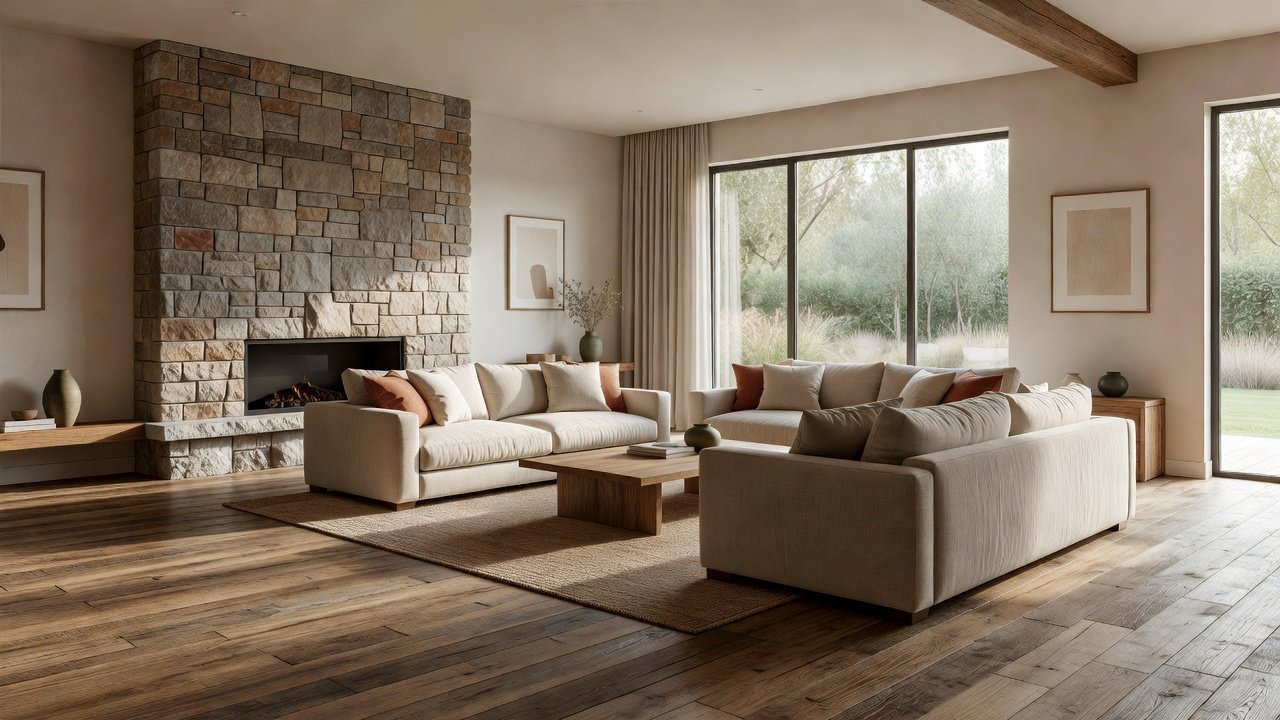
Wood remains a foundational choice for floors, accent walls, and furniture. Reclaimed or responsibly harvested species such as oak and walnut offer rich grains that age gracefully, developing deeper tones over time that add character to any space. Stone adds architectural depth through fireplaces, tabletops, or feature walls, providing cool contrasts that soften with natural light and create focal points that draw the eye. Linen upholstery and drapery introduce breathable texture without overwhelming the room, offering a soft, lived-in feel that complements both contemporary and traditional furnishings. Additional organics like wool rugs, leather accents, and clay pottery complete the palette. These materials age beautifully, developing patina that synthetic alternatives cannot replicate, ensuring the design stays fresh and inviting year after year.
Ethical Sourcing Practices
Responsible material selection begins with verified supply chains. Look for certifications that confirm low environmental impact and fair labor standards. EPA resources outline guidelines for sustainable building products that help reduce your project's carbon footprint. Similarly, USDA forestry programs support traceable wood sources that protect ecosystems while delivering high-quality results. When sourcing stone, prioritize local quarries to minimize transportation emissions, and for linen, choose suppliers who use organic flax farming methods that avoid harmful pesticides. Taking time to research origins ensures your living room contributes positively to broader sustainability efforts without sacrificing aesthetic quality.
Balancing Textures for Visual Interest
Successful natural interiors rely on layered textures rather than uniform finishes. Pair smooth stone with rough-hewn wood beams, then add soft linen curtains to temper hardness and create inviting depth. This contrast creates visual interest that prevents the space from feeling flat or clinical, while also improving acoustic comfort in larger rooms. Consider scale when layering: large stone slabs ground the room visually, while smaller woven elements like baskets or throws add intimacy at seating level. Limit your palette to three dominant materials to maintain cohesion and avoid clutter. Real-world examples include combining a polished walnut coffee table with a limestone hearth and oatmeal-colored linen sectional, resulting in a balanced environment that feels both sophisticated and welcoming.
Practical Steps for Selecting and Installing Natural Elements
- Assess existing architecture and light conditions to determine which materials will thrive, noting window placements and ceiling heights that influence how wood grains or stone veining will appear throughout the day.
- Sample materials in your actual space under different lighting before committing, allowing you to observe how finishes interact with your specific color scheme and furniture arrangement over several days.
- Work with suppliers experienced in sustainable remodeling to ensure proper sealing and finishing that protects against daily wear while preserving natural beauty.
- Plan installation sequences that protect finished surfaces, such as installing stone before wood flooring to avoid scratches and dust contamination during the process.
- Consult professionals for structural elements like stone fireplaces to meet safety codes and ensure proper ventilation and support structures are in place.
- Budget for minor adjustments during installation, such as custom cuts for irregular walls, to achieve seamless integration without compromising the organic flow of the design.
Pairing Natural Finishes with Existing Furniture
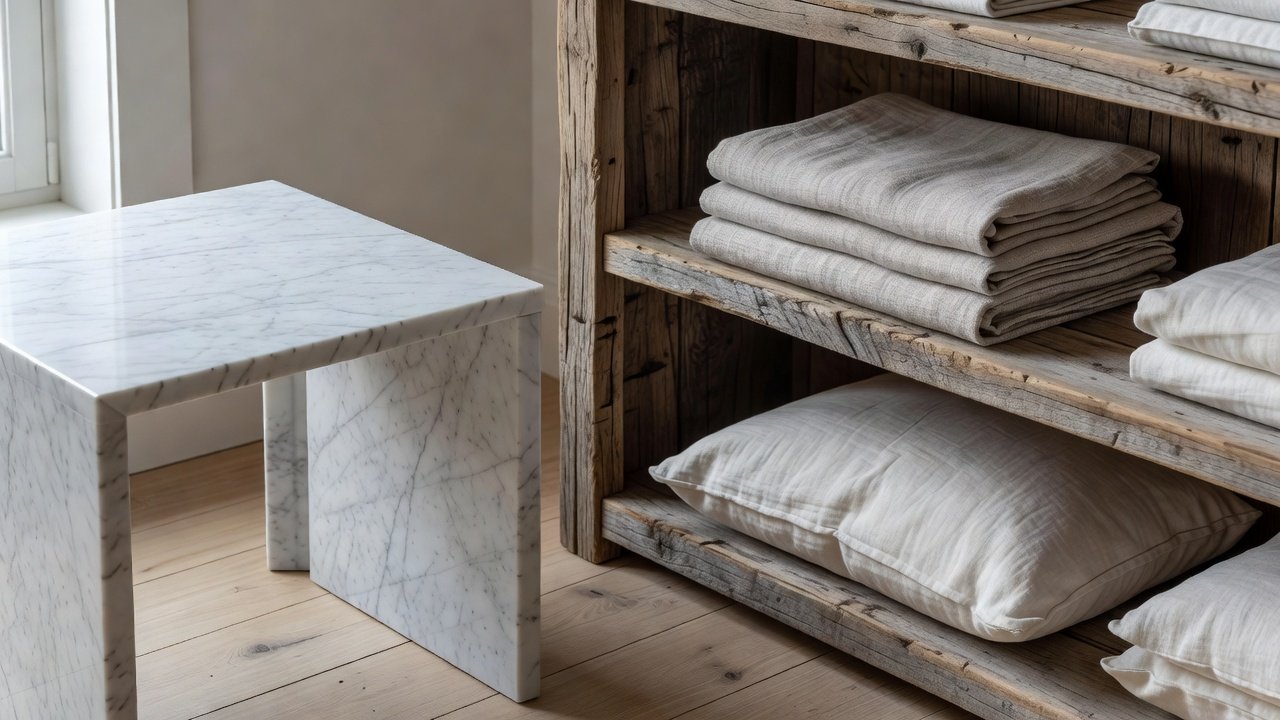
Integrate new materials without replacing every piece to keep costs manageable and retain sentimental items. A linen slipcover can refresh an older sofa, while a reclaimed wood coffee table anchors modern seating arrangements beautifully. Stone side tables complement leather chairs by adding organic weight and visual contrast that elevates the overall composition. Test arrangements on paper or digitally first to visualize balance, considering how each new element interacts with existing pieces in terms of color, scale, and texture. For instance, pairing a mid-century modern chair with a rough stone accent wall creates an interesting dialogue between eras that feels intentional and curated rather than mismatched.
Before-and-After Transformations
Many homeowners report dramatic shifts when swapping carpet for hardwood and adding a stone accent wall. The result feels more spacious and inviting, with improved airflow and natural light reflection that makes the room appear larger. In one documented case, a dated 1990s living room transformed through the addition of wide-plank oak flooring and linen draperies, resulting in a space that now photographs well for real estate listings and supports higher resale offers. These upgrades typically enhance perceived value during resale evaluations by signaling quality craftsmanship and thoughtful design choices that appeal to a broad range of buyers.
2026-Friendly Approaches to Avoid Dated Looks
To ensure your design remains current, incorporate subtle modern touches such as clean-lined furniture silhouettes alongside organic materials. Avoid overly ornate carvings or heavy distressing that can quickly look outdated. Instead, focus on matte finishes and neutral palettes that allow the inherent beauty of wood, stone, and linen to shine. This approach maximizes comfort through breathable fabrics and tactile surfaces while supporting resale value by creating versatile spaces that future owners can personalize easily.
Maintenance and Cost Considerations: FAQ
How do I maintain natural wood floors?
Regular sweeping and occasional professional refinishing preserve beauty. Avoid harsh chemicals that strip protective finishes, and address spills immediately to prevent moisture damage that could affect the wood's integrity over time.
What about stone surfaces?
Seal stone periodically and clean with pH-neutral solutions to prevent etching or staining. This routine care keeps surfaces looking pristine and extends the lifespan of your investment significantly.
Are linen fabrics practical for busy households?
Linen resists wear and wrinkles gracefully. Spot-cleaning and occasional professional laundering keep pieces looking fresh, making it suitable even for homes with children or pets when treated with appropriate fabric protectors.
Do natural materials increase long-term value?
Yes, authentic finishes often appeal to buyers seeking quality and sustainability, supporting stronger resale positions over time by demonstrating enduring style rather than short-lived trends.
Conclusion
Natural material living room designs deliver timeless appeal that evolves with your lifestyle. By prioritizing ethical choices, balanced textures, and careful installation, you create a space that feels both contemporary and enduring in 2026 and beyond, delivering daily comfort alongside lasting value for your home.
No comments yet. Be the first!