 Fixated on Home
Why Mixed Metal Accents Are Trending in 2026 Living Rooms
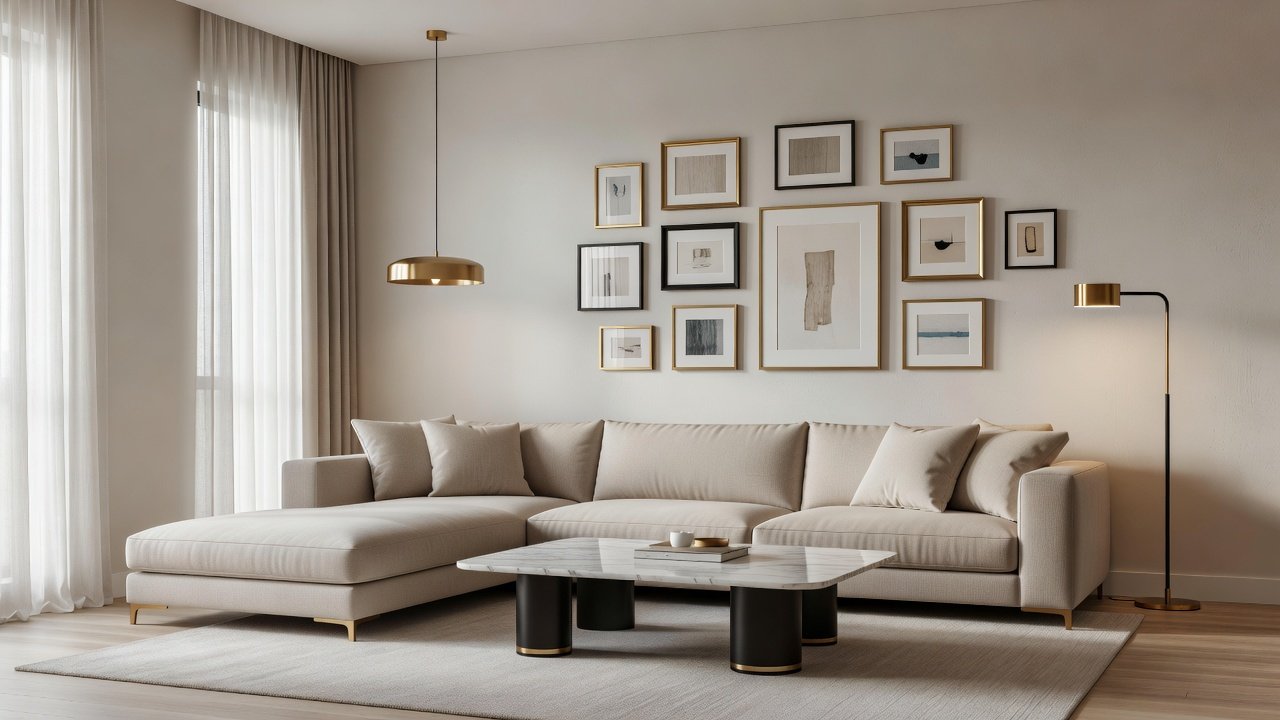
Homeowners are turning to mixed metal accents to add depth and sophistication to living spaces. This approach layers warm and cool metals for visual interest while avoiding full remodels. It works especially well in open-concept homes where lighting, furniture hardware, and decorative pieces can tie rooms together seamlessly. In 2026, the trend emphasizes personalization and texture over uniformity, allowing spaces to feel curated rather than staged. Designers report that this method enhances perceived value in homes by introducing subtle contrasts that catch light differently throughout the day.
Many families choose this upgrade because it refreshes tired rooms quickly. Instead of replacing entire furniture sets, they focus on accents that create movement and interest. The result is a living room that feels more expensive and thoughtfully designed, appealing to those who entertain frequently or work from home in the same space.
Selecting Compatible Metals for Your Space
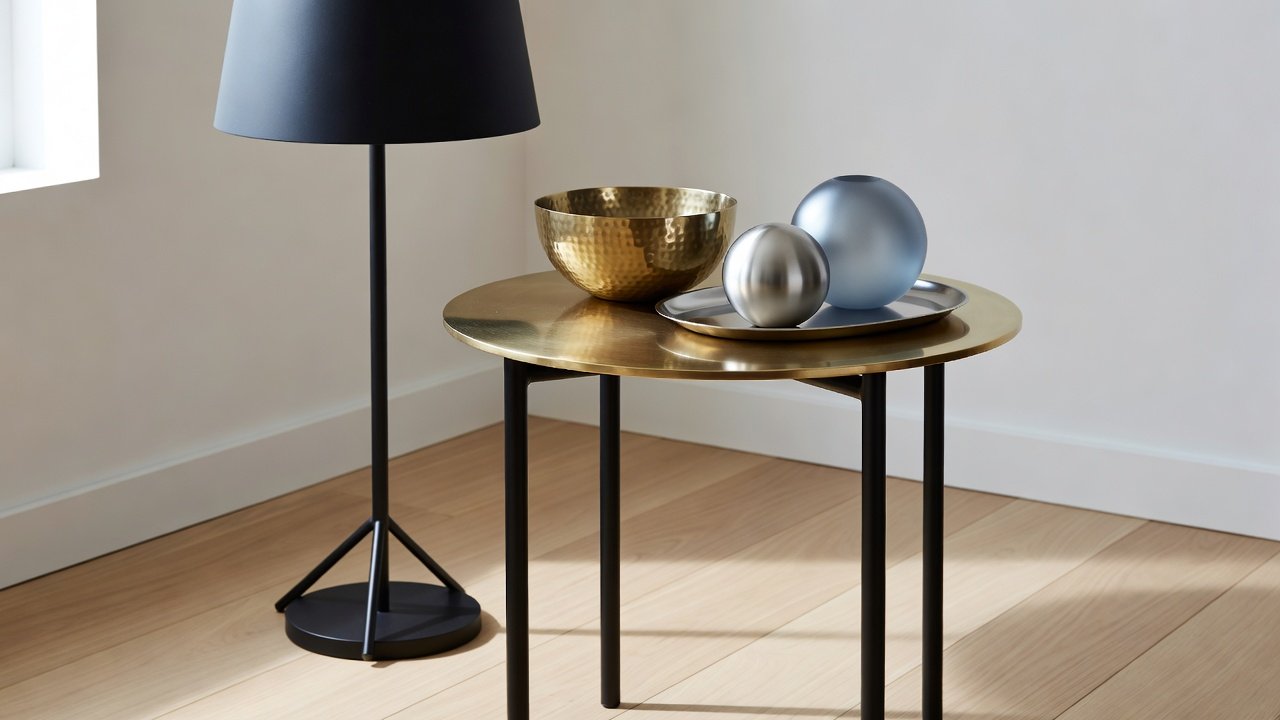
Start by choosing two to three metals that complement each other. Popular pairings include brass with matte black for contrast, or brushed nickel with aged bronze for subtle warmth. Avoid pairing highly reflective chrome with rustic iron unless you have strong neutral backdrops to ground the look. Consider the finish textures as well: matte surfaces hide fingerprints better in busy households, while polished options reflect more light in darker rooms.
Consider the existing finishes in your room. If your sofa legs are already matte black, introduce warm brass through lamps or side tables. Test samples under your room's lighting before committing, as natural light shifts metal appearances throughout the day. Walk through your space at morning, afternoon, and evening to see how each metal reacts. This step prevents costly returns and ensures the final combination feels cohesive rather than mismatched.
Strategic Placement on Lighting, Hardware, and Furniture
Focus accents where they catch the eye without overwhelming. Lighting is ideal: mix a brass chandelier with matte black floor lamps. Hardware upgrades on cabinets or drawer pulls offer quick impact. Furniture details such as table legs or chair frames provide another layer. Think about traffic flow too. Place reflective metals near windows or seating areas where they will be noticed during conversations or reading sessions.
Place larger metal pieces first, then layer smaller ones. For example, anchor with a brass coffee table base and add matte black picture frames or candle holders. This creates hierarchy and prevents visual clutter. In larger living rooms, repeat the metal mix across multiple zones, such as end tables and a media console, to create rhythm. Smaller spaces benefit from concentrating accents on one focal wall or furniture group to avoid crowding the eye.
Warm Versus Cool Tones: Finding the Right Balance
Warm metals like brass and gold bring coziness and work well in north-facing rooms that need extra light reflection. Cool tones such as matte black or nickel add modern edge and suit spaces with abundant sunlight. Balance is key because too much warmth can feel heavy, while excessive cool tones may appear stark. Most successful rooms use 60% warm metals and 40% cool, or vice versa, depending on the overall color palette. Neutral walls allow both to shine, while bold paint colors may call for more restrained metal choices.
Experiment with proportions by sketching a simple layout. Note where sunlight hits during different seasons. This helps predict how the metals will interact year-round and supports long-term satisfaction with the design.
Real-Home Examples and Before-and-After Transformations
In one suburban home, a dated all-brass living room gained depth by swapping select lamp bases and side table legs to matte black. The result felt refreshed and layered. Another urban loft replaced uniform chrome hardware with a brass-and-black mix on shelving units, instantly elevating the industrial aesthetic. A third example involved a coastal cottage where warm brass was paired with cool pewter on curtain rods and side chairs, softening the bright ocean light while adding sophistication.
These updates typically take a weekend and require only basic tools, making them accessible for DIY enthusiasts seeking high impact with minimal disruption. Documenting your own before-and-after photos helps track progress and provides inspiration for future tweaks.
Step-by-Step Guidance for Selecting Your Accents
- Audit current metals in the room and photograph them for reference. Note which pieces you love and which feel dated.
- Choose a dominant metal and one or two accents based on your room's light and color scheme.
- Shop for pieces in similar finishes from the same brand family when possible to ensure consistency in undertones.
- Arrange samples in the space and view at different times of day, moving them around to test placements.
- Install or style one section at a time to evaluate the effect before moving to the next area.
- Review the overall balance after completion and adjust by swapping smaller items if needed.
Maintenance Tips and Budget Considerations for 2026
Mixed metals require simple care: dust regularly and use appropriate cleaners for each finish. Brass may need occasional polishing, while matte black benefits from gentle wiping to avoid scratches. Rotate accessories seasonally to prevent uneven wear from sunlight exposure.
Focus spending on high-visibility items first. Many homeowners complete successful updates by sourcing from a mix of retailers and vintage shops, keeping the project approachable for various budgets. Prioritize quality over quantity when selecting signature pieces that will anchor the room.
Common Mistakes to Avoid
- Using too many different metals without a clear dominant finish, which creates visual chaos.
- Ignoring scale and placing all accents at the same visual level, flattening the design.
- Overlooking how window treatments and rugs interact with metal reflections and potentially clashing textures.
- Forgetting to consider maintenance needs of each metal type in high-traffic areas.
Frequently Asked Questions
How do I maintain mixed metals over time?
Regular dusting and using finish-specific cleaners keep pieces looking fresh. Avoid harsh chemicals that can strip protective coatings on matte or polished surfaces.
Can mixed metals work in small living rooms?
Yes, by limiting the mix to two metals and concentrating them on a few key items such as lamps and one table, you can add interest without overwhelming the space.
What if my existing furniture already has multiple finishes?
Build around the strongest existing metal and introduce one complementary finish to unify the look gradually through accessories and lighting.
Conclusion
Mixed metal accents offer an accessible way to refresh living rooms in 2026. By thoughtfully pairing finishes, placing them strategically, and balancing tones, homeowners achieve sophisticated results that feel custom and enduring. Start small, test samples, and enjoy the layered depth these details bring to everyday spaces. For further inspiration on interior trends, explore resources from Architectural Digest, Better Homes & Gardens, and House Beautiful.
No comments yet. Be the first!