 Fixated on Home
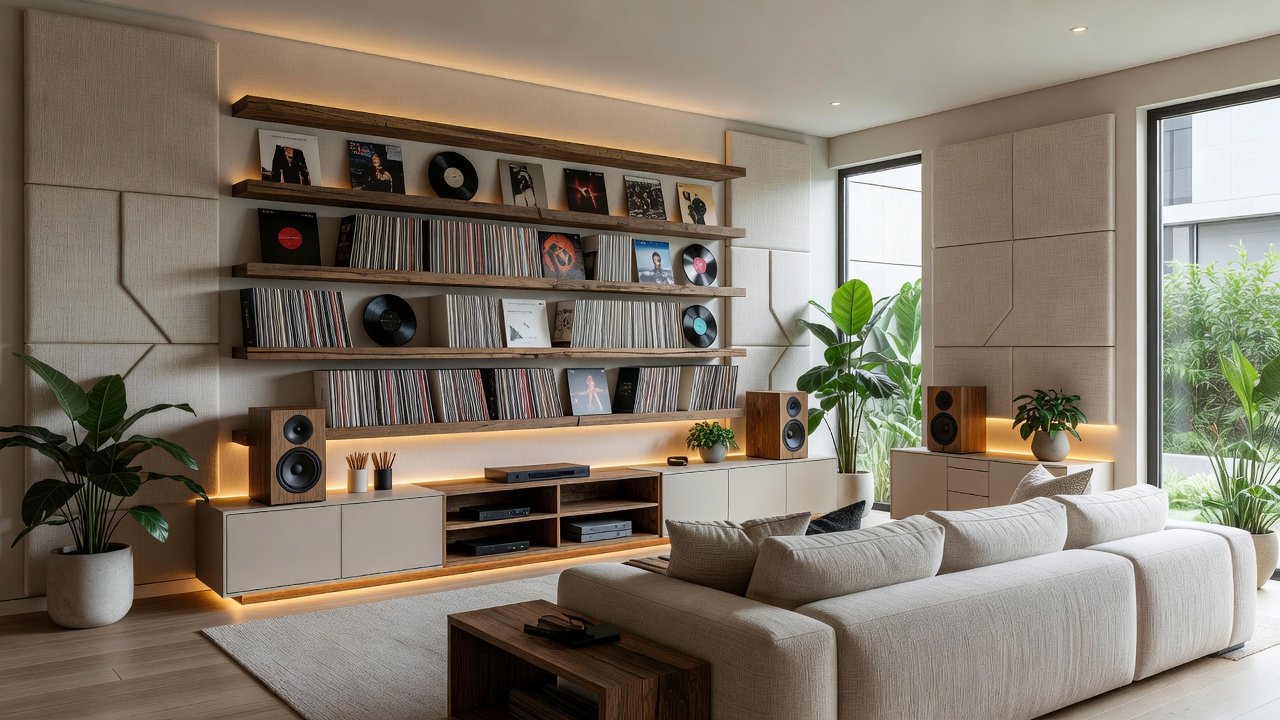
Introduction: Blending Music Passion with Living Room Design
Creating a living room that celebrates music listening requires thoughtful integration of audio equipment and record collections without sacrificing style or flow. In 2026, homeowners are prioritizing setups that combine high-fidelity sound with sustainable materials and versatile furniture pieces. This guide explores practical speaker placement, vinyl storage solutions, and acoustic styling that enhances both acoustics and aesthetics. Whether you are remodeling an existing space or starting fresh, understanding how sound interacts with your room's architecture helps avoid common pitfalls like uneven bass response or visual clutter from exposed cables and bulky equipment.
Modern music enthusiasts seek harmony between technology and decor. Sustainable options such as FSC-certified woods and low-VOC finishes are rising in popularity, reflecting broader environmental awareness. Multi-use furniture allows collections to grow without requiring additional square footage, making these designs ideal for urban apartments and family homes alike.
Speaker Placement Strategies for Optimal Sound
Proper speaker positioning forms the foundation of any music-focused living room. Start by identifying the primary listening position, typically centered on the main seating area. Position stereo speakers at ear height when seated, forming an equilateral triangle with the listener. Avoid corners to prevent bass buildup, and maintain at least 12 inches from walls for balanced sound dispersion. Room acoustics play a major role; hard surfaces like glass windows or concrete floors reflect sound waves, creating unwanted echoes that distort music quality.
For surround or multi-channel systems, experiment with rear speakers behind the seating zone at slightly higher angles. Consider room dimensions and furniture layout to minimize sound reflections. Professional installers often use tools such as sound meters during setup to fine-tune angles and distances. Here is a practical checklist for placement:
- Measure distances from walls and seating to ensure symmetry.
- Test multiple heights using adjustable stands before permanent mounting.
- Account for doorways and walkways to maintain room flow.
- Use isolation pads under floor-standing models to reduce vibration transfer.
Examples include placing bookshelf speakers on reinforced floating shelves above low cabinets, or integrating floor-standing towers into built-in entertainment units for a seamless look.
Integrating Vinyl Storage as Interior Upgrades
Vinyl collections deserve display that doubles as decor. Floating shelves mounted at eye level create visual interest while keeping records accessible. Opt for modular units with adjustable compartments to accommodate growing collections. These storage solutions blend seamlessly with existing shelving or built-in cabinetry, turning functional needs into design statements. Consider vertical dividers that allow album covers to face outward, creating an artistic gallery effect on the wall.
Multi-use furniture like ottomans with hidden compartments or credenzas featuring record dividers adds storage without clutter. Sustainable wood options such as reclaimed oak or bamboo align with 2026 eco-conscious trends, providing durability and natural warmth to the space. For instance, a custom bench with lift-top storage can serve as both seating and a record archive near the listening chair.
Acoustic Panel Styling Tips That Double as Decor
Acoustic panels improve sound quality by absorbing reflections, yet they need not appear industrial. Choose fabric-wrapped panels in colors that complement your palette, or select designs with geometric patterns that function as wall art. Arrange panels in asymmetrical groupings behind speakers or along side walls for both performance and visual appeal. Layering different thicknesses allows targeted absorption of low, mid, and high frequencies.
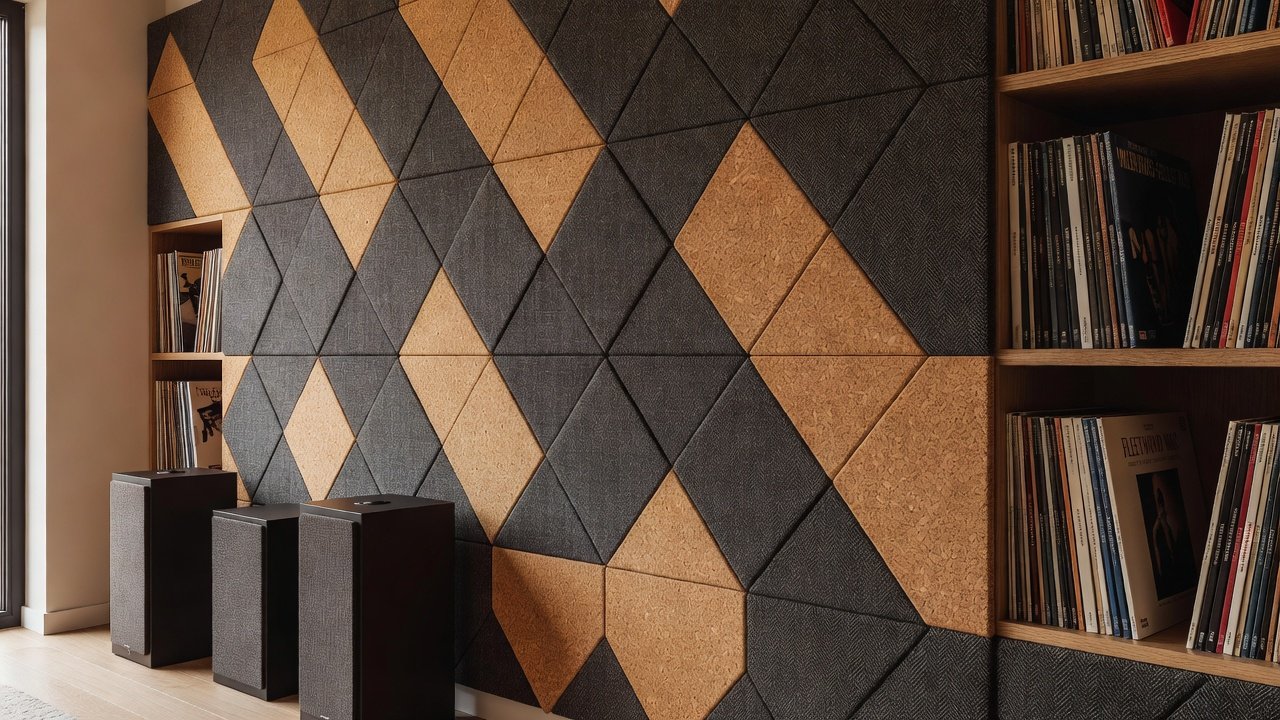
Materials like recycled polyester or cork offer sustainable benefits while maintaining effectiveness. Combine panels with framed artwork or mirrors to create depth, ensuring the room retains its inviting atmosphere. In larger rooms, ceiling clouds made from the same fabric can further control reverberation without dominating the visual field.
Step-by-Step Installation Examples
Begin with measuring your space and marking speaker positions on the floor. Install wall brackets at the correct height using a level for precision. For vinyl storage, secure floating shelves with appropriate anchors based on wall type. Mount acoustic panels using adhesive strips or French cleats for easy repositioning. Test the full setup with familiar tracks, adjusting placements as needed before finalizing cable management with concealed conduits or baseboard channels. In one real-world example, a homeowner converted an unused alcove into a dedicated listening nook by building a shallow recessed shelf unit that hides wiring while displaying 200 records.
Always verify load-bearing capacity for wall-mounted items and consult structural guidelines when drilling into older plaster walls. Allow extra time for cable routing to achieve a clean, professional finish.
Wireless vs Wired Systems Comparison
Wireless systems offer flexibility and minimal cabling, ideal for open-plan living rooms. They support easy integration with smart home devices and allow quick repositioning. However, wired connections often deliver superior audio fidelity with lower latency and no compression artifacts. Wired setups remain popular among audiophiles who prioritize lossless playback from turntables and high-resolution sources.
Consider hybrid approaches where primary speakers remain wired for critical listening while wireless options handle secondary zones. Evaluate power requirements and compatibility with existing electronics when deciding between the two. A detailed comparison shows wireless excels in ease of installation, while wired provides consistent performance across varying room conditions.
2026 Trends: Sustainable Materials and Multi-Use Furniture
Current design favors low-impact materials including FSC-certified woods and recycled metals for speaker stands and shelving. Multi-use pieces such as modular sofas with integrated side tables or storage benches maximize space in smaller living rooms. These trends support both environmental goals and practical living, as highlighted by resources from epa.gov on sustainable building practices and energy.gov guidance on energy-efficient home upgrades.
Visual Layout Ideas and Budget-Friendly Sourcing
Sketch layouts that position the listening triangle away from high-traffic paths. Cluster vinyl displays near seating for easy browsing, and use rugs to define zones acoustically. Source materials from local reclaimed wood suppliers or modular furniture retailers emphasizing durability. Focus on versatile pieces that adapt as collections evolve. Budget approaches include repurposing vintage crates as record bins or shopping seasonal sales at major home improvement centers for panel fabric.
Frequently Asked Questions
How do I prevent sound leakage to neighboring rooms?
Use heavy curtains, thick rugs, and strategic panel placement to contain audio. Sealing gaps around doors and windows further reduces transmission.
Are sustainable acoustic materials effective?
Yes, options like wool felt or recycled foam provide comparable absorption to traditional materials while supporting eco-friendly goals.
What common remodeling challenges arise with music setups?
Hidden wiring and maintaining consistent aesthetics top the list. Planning cable routes early and selecting matching finishes for all components helps overcome these issues.
Can I incorporate plants into an acoustic-focused design?
Yes, large leafy plants help diffuse sound while adding biophilic elements that align with 2026 wellness trends in interior spaces.
Conclusion
Thoughtful living room design for music lovers transforms everyday spaces into immersive listening environments. By combining strategic placement, stylish storage, and sustainable choices, you create a room that sounds as good as it looks in 2026 and beyond.
No comments yet. Be the first!