 Fixated on Home
Why Consider Living Room Partitions in Open-Plan Homes?
Open-plan living has dominated modern interiors for years, but many homeowners now seek ways to define spaces without sacrificing the airy feel. In 2026, living room partition ideas focus on multifunctional solutions that enhance privacy while preserving natural light and flow. Whether you're remodeling or refreshing your space, partitions offer flexible ways to create cozy zones for reading, working, or entertaining. These divisions help address common pain points like noise from adjacent areas or the lack of visual separation in large rooms. By strategically placing partitions, you can transform a cavernous space into inviting, purposeful areas that suit daily life. Homeowners often report improved organization and a greater sense of personal space after adding thoughtful dividers, making daily routines more enjoyable without the need for full walls.
Partitions also support evolving lifestyles, such as remote work or multi-generational living. They allow one area to serve multiple functions throughout the day, adapting as family needs change. This flexibility is especially valuable in urban apartments or suburban homes where square footage is limited but openness remains a priority.
Key Materials for Living Room Partitions
Choosing the right material depends on your style, budget, and how much light you want to retain. Here are the top options with detailed considerations for each.
Room Dividing Screens
Folding or freestanding screens provide instant separation and are easy to move. Materials range from wood frames with fabric panels to metal designs with intricate cutouts. They work well in bohemian or minimalist settings and can be repositioned seasonally. Screens often feature lightweight frames that fold flat for storage when not needed, offering a low-commitment way to test different layouts.
Open Shelving Units
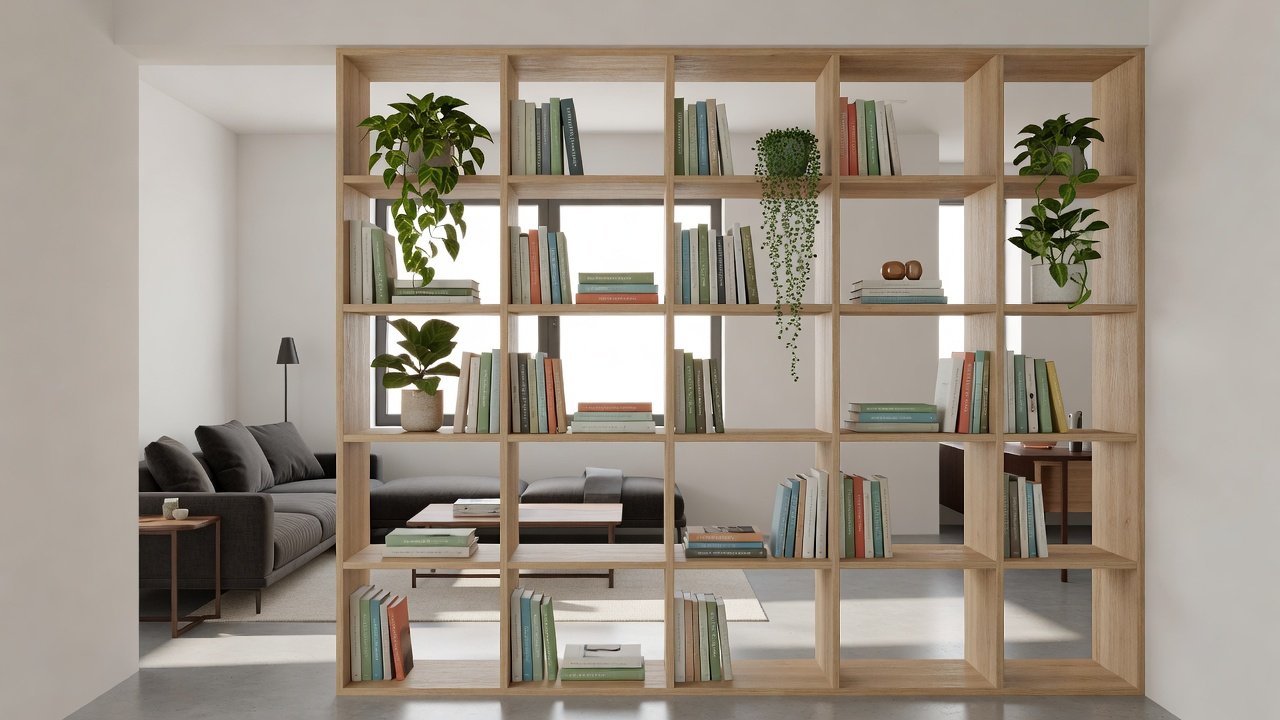
Bookshelves or display units double as storage and dividers. Opt for tall, narrow units to maintain visibility across the room while creating subtle boundaries. This option integrates seamlessly with existing decor and allows you to showcase personal items like books, plants, or art collections. Adjustable shelves make it simple to customize height and spacing for different objects.
Glass Partitions
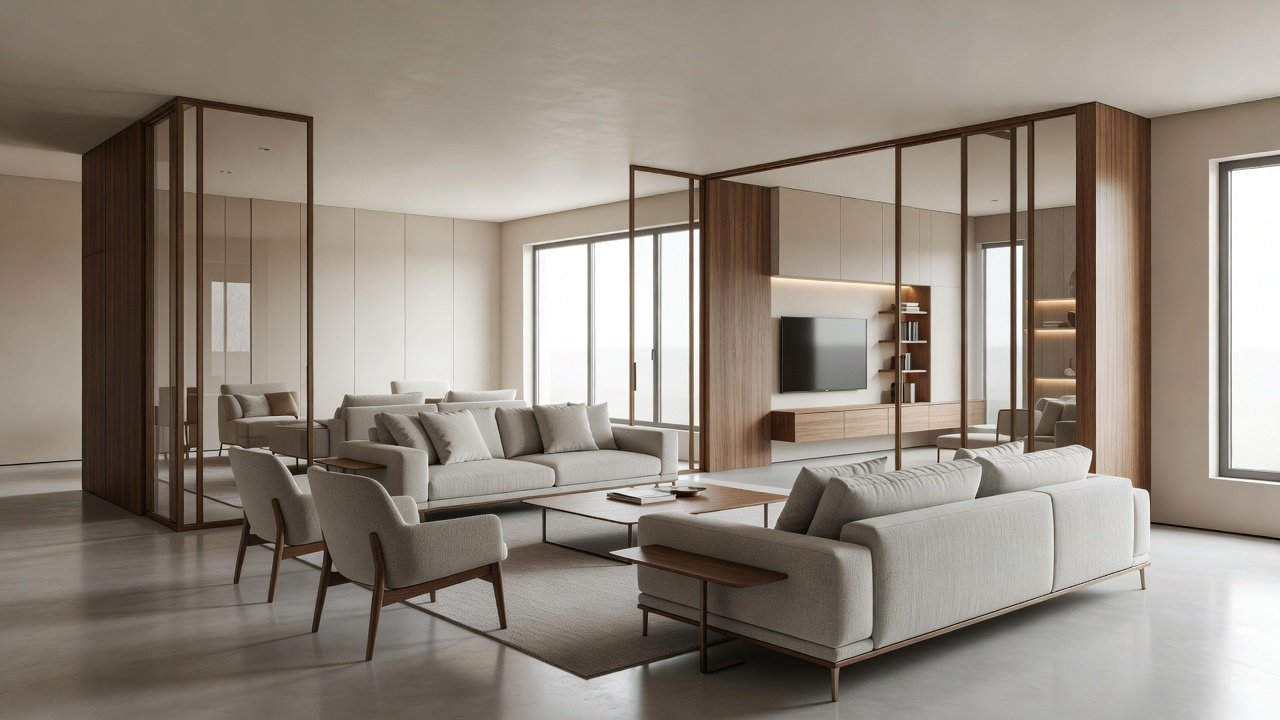
Frameless or framed glass walls offer a sleek, contemporary look. Frosted or etched options add privacy without blocking light entirely. They're ideal for homes wanting an upscale, modern aesthetic and can incorporate sliding mechanisms for variable openness. Tempered safety glass is commonly used to meet residential standards.
Other choices include curtains on tracks for soft, adjustable division, plant walls that bring biophilic elements indoors, or sliding barn doors for a rustic touch. Each material brings unique benefits for functionality and style integration, so consider testing samples in your actual lighting conditions before committing.
Step-by-Step Installation Guide
Installing partitions requires planning to ensure safety and aesthetics. Follow these practical steps for successful results.
- Measure your space carefully, noting ceiling height, floor type, and traffic patterns. Use a laser measure for accuracy and sketch a simple floor plan.
- Select materials that complement your existing design and test samples in the room's lighting. Factor in durability for high-traffic households with children or pets.
- Secure freestanding options first for easy adjustments, or consult professionals for fixed installations like glass walls. Gather tools such as levels, drills, and anchors ahead of time.
- Ensure partitions do not obstruct HVAC vents, electrical outlets, or emergency exits. Leave adequate clearance for furniture movement and cleaning access.
- Finish with styling touches such as integrated lighting or plants to enhance the transformation. Add cable management if incorporating any tech elements.
Always check local building codes before permanent changes, especially for load-bearing considerations or electrical work. If unsure, hire a licensed contractor to avoid costly mistakes.
Before-and-After Transformation Examples
Consider a typical suburban home where the living room flowed directly into the dining area. Adding a tall wooden shelving unit created a distinct lounge zone while displaying books and decor. The result: improved acoustics and a more intimate feel without closing off the space. Family members noted better focus during evening reading sessions after the change.
Another example involves a loft apartment using sliding glass partitions. Before the update, the area felt exposed during video calls; afterward, residents enjoyed private work nooks that still allowed sunlight to reach the main seating area. The glass reflected light beautifully, making the entire space feel larger and brighter.
A third transformation featured a compact city apartment with a plant wall divider. Previously the open layout made relaxation difficult due to constant visual clutter from the kitchen; post-installation, the living area became a calm retreat while maintaining airflow and a connection to the rest of the home.
Cost Comparisons and Budget Considerations
Material choices vary widely in investment level. Screens tend to be the most accessible entry point for quick updates, while custom glass solutions represent a higher-end commitment suited to long-term renovations. Shelving units offer middle-ground versatility with added storage value. Factor in professional installation for complex builds to avoid long-term issues, and prioritize quality hardware that withstands daily use.
Maintenance Advice for Longevity
Regular care keeps partitions looking fresh over the years. Dust wooden screens weekly and clean glass with non-abrasive solutions to prevent streaks. For shelving, rotate items seasonally to prevent uneven wear and check brackets for stability. Inspect hardware on moving parts annually to maintain smooth operation. These simple habits extend the life of your investment and preserve visual appeal in high-use areas.
Style Integration and Light Preservation Strategies
Successful partitions blend with your overall design language. Match finishes to existing trim or flooring for cohesion, or use contrasting textures for visual interest. To preserve light, position dividers perpendicular to windows and choose open or translucent materials. Layered lighting, including floor lamps behind partitions, further enhances brightness and depth throughout the day.
Common Mistakes to Avoid
- Overly tall or solid barriers that make the room feel cramped and dark.
- Ignoring traffic flow, which can create awkward pathways or blocked access to doorways.
- Choosing materials without considering cleaning requirements or durability in busy households.
- Skipping professional advice for structural or electrical integrations, leading to safety concerns.
FAQs on Functionality and Style
How do partitions preserve natural light?
Translucent materials like frosted glass or open shelving allow light to filter through while defining zones. Position them perpendicular to windows to maximize illumination across both sides of the divider.
Can partitions integrate with existing decor styles?
Yes. Choose finishes that match your color palette or architectural details. Mixing textures, such as metal screens with leather seating, creates cohesive yet dynamic interiors that feel intentional rather than added on.
What about sound and privacy?
Thicker materials or layered designs reduce noise transfer effectively. For maximum privacy, combine partitions with area rugs and upholstered furniture to absorb sound waves.
Are partitions suitable for renters?
Freestanding screens and tension-rod curtains offer non-permanent options that require no drilling, making them ideal for lease agreements that restrict alterations.
Explore further inspiration from leading design resources like Architectural Digest, HGTV, and Better Homes & Gardens for tailored ideas that fit your home's unique layout.
No comments yet. Be the first!