 Fixated on Home
Introduction to Coffee Tables in 2026 Living Room Design
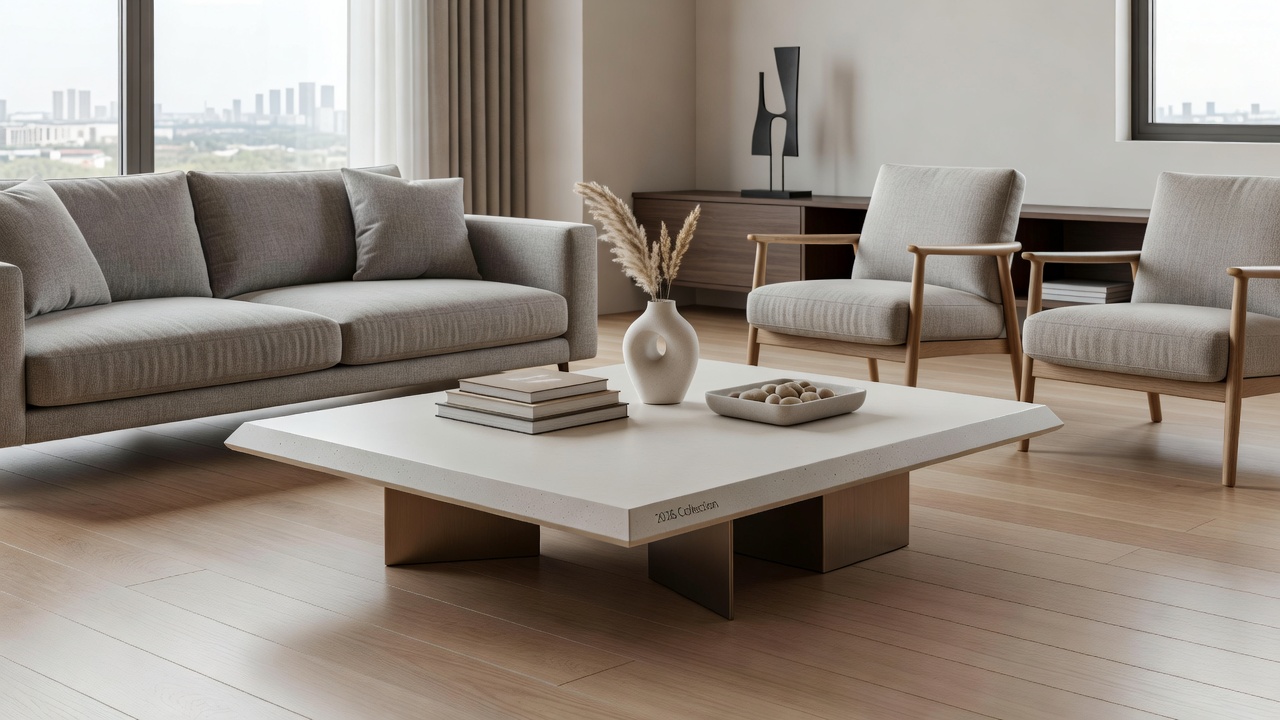
Coffee tables serve as the functional and visual anchor of any living room, bridging seating areas while reflecting current design trends. In 2026, homeowners prioritize pieces that blend sustainability, versatility, and personalized style to complement interior upgrades. This guide examines key factors like materials, shapes, and heights to help you select and style a table that maximizes both aesthetics and practicality. Whether updating a classic space or embracing contemporary minimalism, the right coffee table elevates your room's appeal. Real-home examples demonstrate how thoughtful choices transform ordinary layouts into cohesive designs that support daily living and entertaining.
Beyond basic utility, coffee tables influence traffic flow, storage solutions, and the overall mood of the space. As living rooms evolve with hybrid work and family needs, selecting a table that adapts to these changes becomes essential for long-term satisfaction.
Choosing the Right Materials for Durability and Style
Materials influence longevity, maintenance, and visual impact. Wood remains popular for its warmth and natural grain, offering options like oak for durability or walnut for richer tones. Glass offers sleek modernity and the illusion of space in smaller rooms, though it requires frequent cleaning to maintain clarity. Metal frames provide industrial strength and pair well with concrete or mixed-media tops. Marble tops add luxury without overwhelming smaller rooms, creating a focal point that withstands heavy use when properly sealed.
For 2026 trends, sustainable options like reclaimed wood or recycled composites stand out. These choices align with eco-conscious remodeling projects and pair well with various upholstery textures. Consider hybrid materials such as wood with metal accents for added interest and resilience against daily wear.
Selecting Shapes and Heights to Complement Your Space
Rectangular tables suit long sofas by providing ample surface area for drinks and decor. Round or oval shapes soften sharp angles in open-plan rooms and encourage conversation by allowing easier movement around the piece. Square tables work best in symmetrical setups with equal seating on all sides. Height should sit 1-2 inches below sofa arm level for easy reach and visual balance, typically ranging from 16 to 18 inches overall.
Consider traffic flow when choosing shape—rounded edges prevent bumps in high-traffic homes. Multi-level designs offer extra surface area for remodeled spaces needing storage integration. In a real example from a Seattle townhouse, a nested oval set allowed flexible reconfiguration during family gatherings.
Pairing Coffee Tables with Sofas Effectively
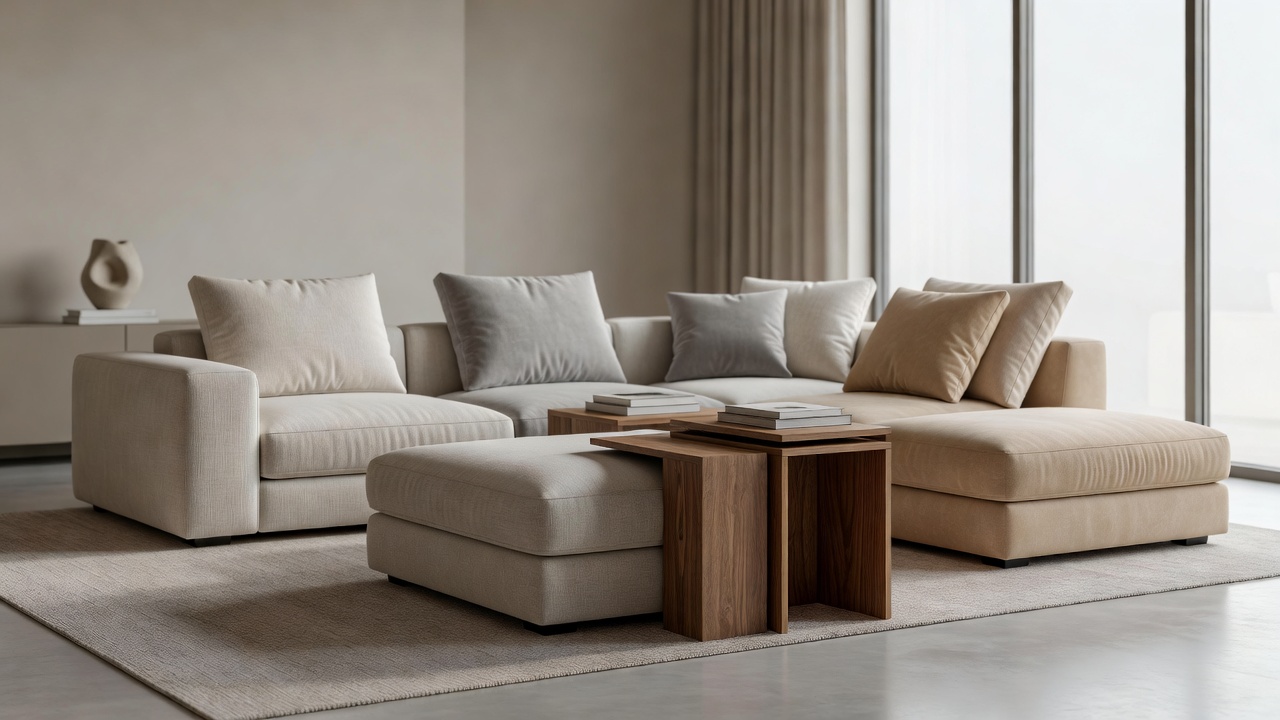
Scale matters: the table length should be roughly two-thirds the sofa length to maintain proportion. Leave 14-18 inches of clearance for comfortable movement and legroom. In L-shaped configurations, position the table to anchor the corner seating arrangement without blocking pathways. For sectional sofas, a larger rectangular or two smaller tables can divide zones effectively.
Examples from modern homes show how a low-profile table enhances sectional sofas, creating inviting conversation zones. Test pairings by measuring your existing furniture before purchase. In a California ranch home, mismatched heights were resolved by choosing an adjustable-height model that aligned perfectly with both the sofa and occasional chairs.
Adding Decorative Accents for Personal Touch
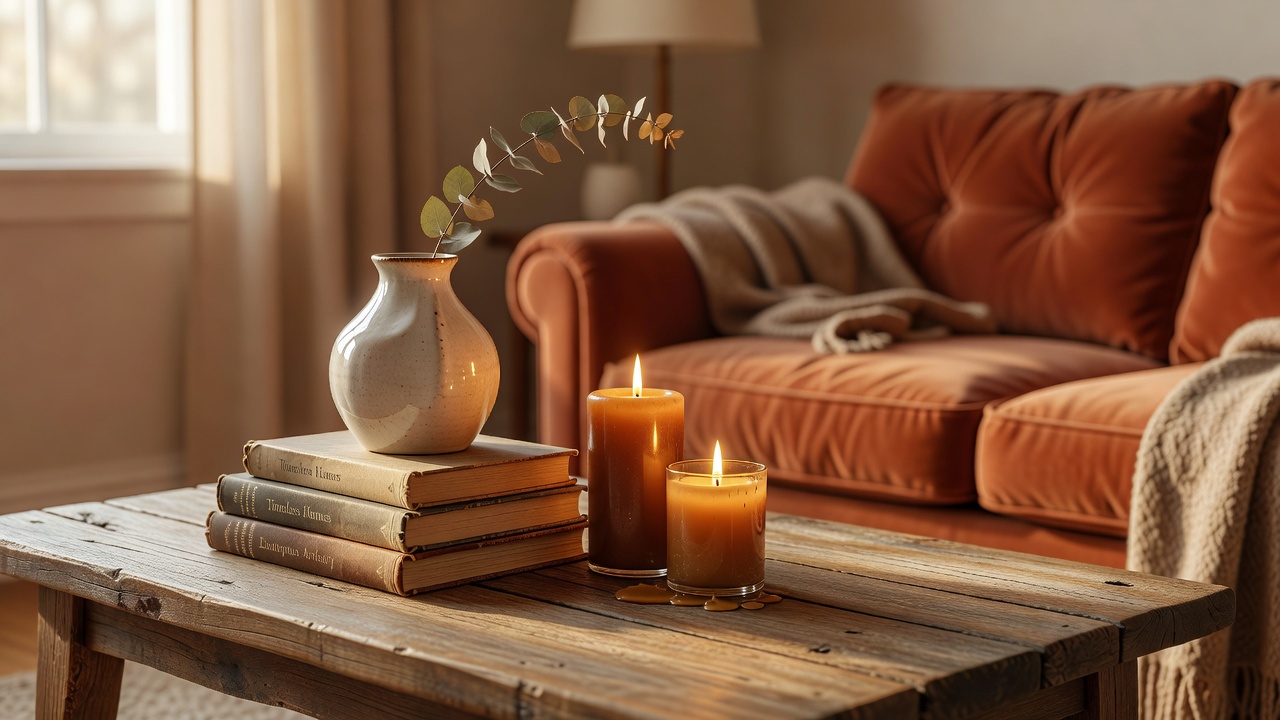
Layer items like stacked books, sculptural vases, and trays to organize accessories. Incorporate seasonal elements such as candles or small plants for dynamic updates. Aim for odd-number groupings to create visual interest without clutter. Mix heights and textures to draw the eye across the surface while leaving breathing room.
Real-home styling often mixes textures—think metallic finishes with soft linens—to reflect 2026's emphasis on layered, tactile interiors. Start with a central tray to corral smaller items, then add one taller element like a vase and one horizontal accent like a book stack.
Exploring Multi-Use Options for Remodeling Projects
Storage coffee tables with lift-tops or drawers maximize functionality in compact living rooms by hiding remotes, magazines, and games. Nesting sets provide flexibility for entertaining or small-space living, allowing pieces to separate as needed. These options prove ideal during kitchen or bathroom adjacent renovations where living areas double as workspaces or temporary dining spots.
Compare contemporary lift-top models against classic solid designs for your specific needs. In one Portland condo renovation, a lift-top table served as both coffee surface and desk during remote work periods, demonstrating adaptability in evolving floor plans.
Contemporary vs Classic Styles with Real-Home Examples
Contemporary tables feature clean lines, mixed materials, and bold geometrics, suiting minimalist 2026 palettes with neutral tones and subtle hardware. Classic styles emphasize carved details and rich woods for timeless elegance that ages gracefully. A Brooklyn loft example blends a marble contemporary table with vintage sofas, balancing modern edges against traditional comfort. Meanwhile, a suburban home pairs a traditional oak piece with modern lighting to bridge generational aesthetics.
These contrasts highlight how style choice depends on overall room architecture and personal taste. Experiment by viewing similar setups in showrooms or online galleries to visualize integration with your existing decor.
Step-by-Step Styling Tips
- Measure your space and sofa dimensions first to establish baseline proportions.
- Select a material that matches your color scheme and maintenance tolerance, factoring in pets or children.
- Anchor with one statement piece like a large book or tray to create a focal point.
- Add height variation with stacked objects and a small plant for organic balance.
- Edit ruthlessly—leave negative space for breathing room and easier cleaning.
- Rotate accents seasonally to keep the look fresh and aligned with changing light.
Mistakes to Avoid When Selecting and Styling
Common errors include choosing oversized tables that overwhelm the room or undersized ones that feel insignificant. Ignoring material durability leads to quick wear in busy households. Overcrowding the surface with too many accents creates visual chaos rather than curated appeal. Always verify scale with tape outlines on the floor before committing to a purchase.
Common FAQs on Sizing, Maintenance, and Budget-Friendly Swaps
What size coffee table fits a standard three-seater sofa?
Choose a table 36-48 inches long and 20-24 inches wide, ensuring it does not exceed two-thirds of the sofa length for balanced proportions.
How do I maintain different materials?
Wood needs periodic polishing with appropriate oils; glass requires streak-free cleaners weekly; marble benefits from sealed surfaces to resist stains. Always follow manufacturer guidelines for best results and longevity.
Are there budget-friendly ways to refresh an old table?
Yes—repaint bases, add new hardware, or top with a decorative tray. These swaps enhance appeal without full replacement, aligning with Houzz design principles.
Can coffee tables serve multiple rooms during remodeling?
Portable nesting sets or lightweight designs easily transition between living areas and temporary workspaces, offering flexibility during phased home updates.
What trends define 2026 coffee table styling?
Sustainability and multi-functionality lead, with emphasis on natural finishes and adaptable forms that support evolving household needs.
Conclusion
Selecting and styling a coffee table thoughtfully creates a polished living room that supports 2026 home decor goals. By focusing on materials, proportions, and creative accents, you achieve both beauty and utility. Apply these insights to your next project for lasting impact, and explore further inspiration from Architectural Digest, Better Homes & Gardens, or Elle Decor resources.
No comments yet. Be the first!