 Fixated on Home
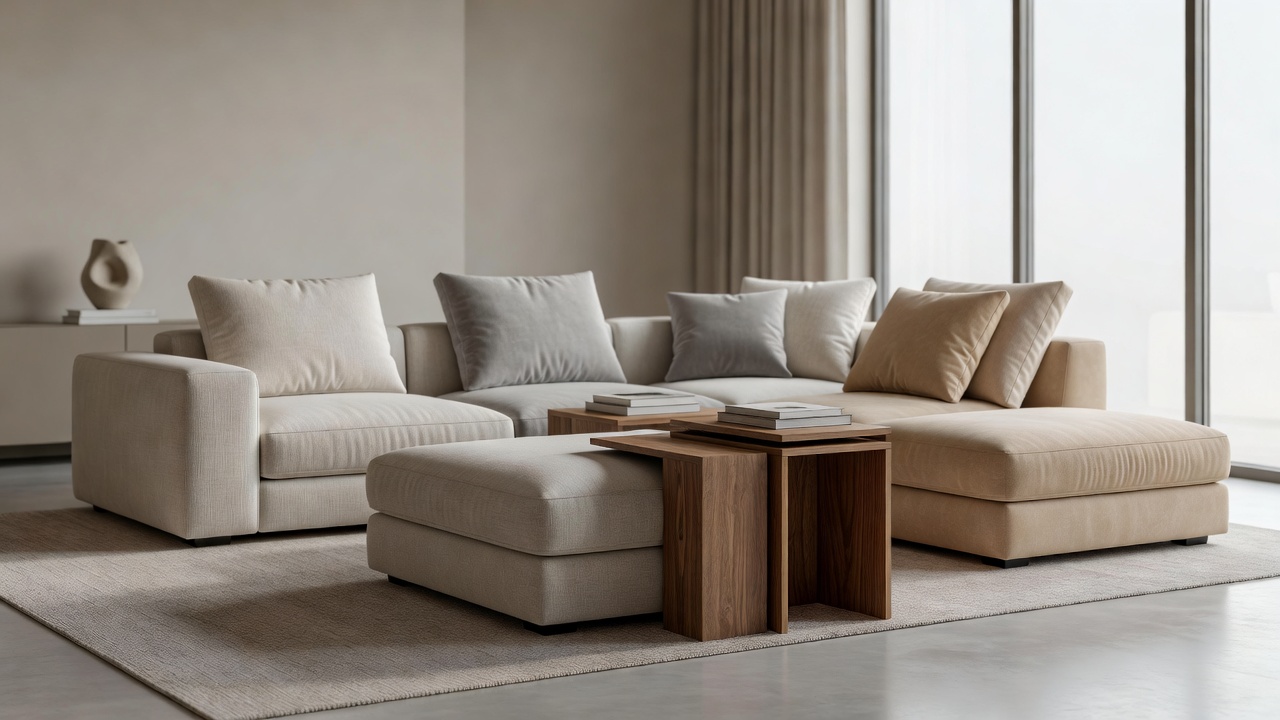
Why Modular Furniture Is the 2026 Living Room Essential
Homeowners in 2026 are prioritizing adaptable designs that grow with their lifestyles. Modular furniture offers the perfect solution for small spaces, growing families, or frequent remodels without costly renovations. Pieces such as sectional sofas, stackable tables, and reconfigurable shelving allow rooms to shift from cozy family nights to productive workspaces in minutes. This approach aligns with broader interior design movements that value flexibility over permanence, enabling quick updates as family dynamics evolve or living situations change. Instead of committing to rigid layouts that may become outdated, modular systems provide ongoing adaptability that supports both daily living and occasional entertaining.
The rise of remote work and multi-generational households has accelerated demand for furniture that serves multiple purposes. A single modular setup can accommodate everything from movie marathons to homework sessions or holiday gatherings. This trend supports interior upgrades by emphasizing versatility rather than replacement, helping homeowners avoid the expense and disruption of full remodels.
Benefits for Small Spaces and Evolving Family Needs
In compact apartments or homes with limited square footage, modular furniture maximizes every inch. Components can be pushed together for a larger seating area during gatherings or separated to create distinct zones for reading, working, or play. For families experiencing life transitions such as new babies, teenagers, or aging relatives, reconfigurable pieces allow the living room to adapt without requiring expensive renovations or new purchases. Real-world examples show how a cramped 200-square-foot room can gain functional depth through thoughtful module placement that improves traffic flow and visual openness.
Selecting Durable, Multi-Use Modules
When choosing modular pieces, focus on materials that withstand daily wear. Look for frames made from kiln-dried hardwood or reinforced steel, paired with high-density foam cushions rated for heavy use. Fabrics should include performance options like stain-resistant polyester blends or easy-clean leather alternatives. Multi-use modules maximize value. A single ottoman can serve as seating, a coffee table, or hidden storage. Stackable end tables expand into larger surfaces for entertaining. Prioritize systems with interlocking mechanisms for stability during rearrangements and consider weight limits to ensure safety when stacking or extending configurations.
Color and Material Coordination with Existing Decor
Successful integration starts with a neutral base palette. Choose modular items in grays, beiges, or soft taupes that blend with current sofas or rugs. Accent modules in deeper tones or textured fabrics like bouclé add visual interest without clashing. Material mixing works best when textures complement each other. Pair a linen-upholstered sectional with walnut-veneer tables and metal accents for modern balance. Test samples in your lighting conditions before purchasing to ensure harmony across different times of day. IKEA offers extensive modular collections with coordinated color options that simplify matching across seasons and styles.
Budget-Friendly Sourcing Options
Shop during seasonal sales or explore open-box and clearance sections from major retailers. Online platforms allow price comparisons across brands, while local thrift stores or Facebook Marketplace groups sometimes yield gently used modular components at lower costs. Consider mix-and-match strategies: buy core pieces new and supplement with affordable accessories from secondary sources. This layered approach keeps projects within reach for most homeowners while still delivering high-end functionality.
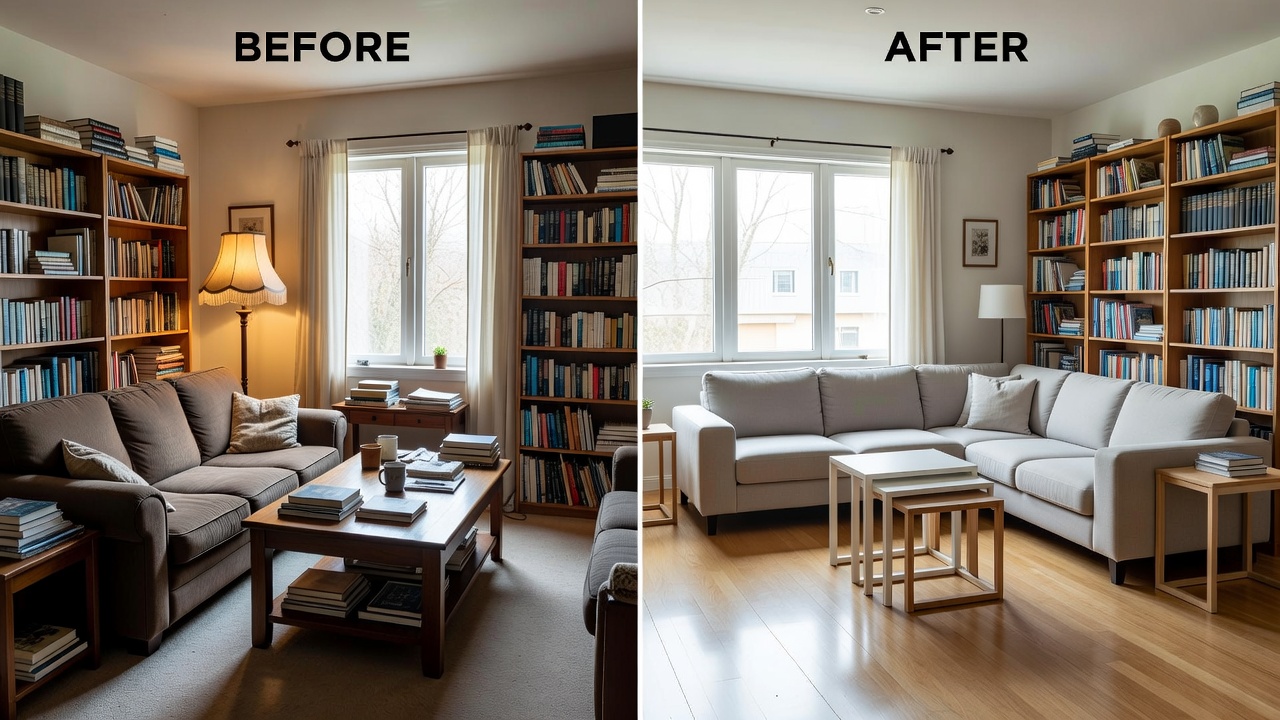
Real-World Before-and-After Transformations
Consider a compact urban apartment living room. Before: a bulky fixed sofa and mismatched tables crowded the space, leaving little room for movement or additional activities. After installing a modular sectional with two ottomans and nesting tables, the room gained three distinct zones for lounging, working, and dining. The family reported easier cleaning, improved natural light flow, and more flexible entertaining options that accommodated both quiet evenings and larger groups. Another example involves a suburban home with growing teens. A traditional three-seat sofa was replaced by a five-piece modular system featuring adjustable armrests and hidden storage. The before layout felt cramped during holidays and family events; the after configuration easily expands seating for eight without permanent structural changes, demonstrating how modular choices support long-term adaptability.
Step-by-Step Buying Guide
- Measure your room accurately, noting doorways, windows, and traffic flow patterns to avoid future obstacles.
- Identify primary uses such as seating, storage, or display, and list secondary needs like occasional guest accommodations.
- Research modular systems for warranty coverage, reconfiguration ease, and material quality by reading independent reviews and visiting showrooms.
- Order physical swatches and watch assembly videos to understand the time and tools required.
- Start with a core set of essential modules and add pieces gradually as budget and needs evolve over months or years.
- Verify delivery timelines and return policies before finalizing the order to prevent unexpected delays.
Comparisons of Popular Modular Systems
Leading options include IKEA's Kivik series for affordability and easy reconfiguration, versus higher-end systems from brands like Article that feature premium fabrics and lifetime warranties. Mid-range choices from Ashley Furniture balance durability with style variety and often include customizable fabric options. Evaluate based on your space size, usage frequency, and desired longevity. Some systems excel in quick assembly while others prioritize premium cushioning for extended comfort. Wayfair provides side-by-side comparisons of modular collections to help narrow choices according to specific room dimensions and style preferences.
Common Mistakes to Avoid
- Overlooking weight capacity when stacking modules, which can lead to instability or damage over time.
- Ignoring fabric durability ratings for high-traffic homes with children or pets.
- Skipping professional assembly for complex sectional builds that require precise alignment.
- Failing to plan for future expansions, resulting in incompatible modules later.
- Choosing trendy colors without considering long-term coordination with evolving decor.
Maintenance Tips for Longevity
Regular care extends the life of modular furniture significantly. Rotate cushions quarterly to promote even wear, vacuum surfaces weekly to remove dust, and treat stains immediately with manufacturer-approved cleaners. Avoid placing pieces in direct sunlight to prevent fading, and periodically check interlocking mechanisms for tightness. These simple habits ensure modules remain functional and attractive for many years of daily use.
FAQ
How long does assembly typically take?
Most modular sectionals require 1-3 hours with two people following clear instructions. Stackable tables often assemble in under 30 minutes using included tools and minimal hardware.
Are modular pieces as sturdy as traditional furniture?
Quality modular systems match or exceed traditional durability when purchased from reputable makers, especially those with reinforced joints, quality hardware, and solid frame construction.
What maintenance extends longevity?
Rotate cushions quarterly, vacuum regularly, and treat stains immediately with manufacturer-approved cleaners. Avoid direct sunlight to prevent fading and inspect connections annually.
Can modular furniture work in rental properties?
Yes, many systems disassemble easily for moving and leave no permanent marks, making them ideal for renters who want flexibility without lease violations.
Modular furniture empowers homeowners to create living rooms that adapt effortlessly to 2026 lifestyles and beyond while delivering lasting value through thoughtful design and practical versatility.
No comments yet. Be the first!