 Fixated on Home
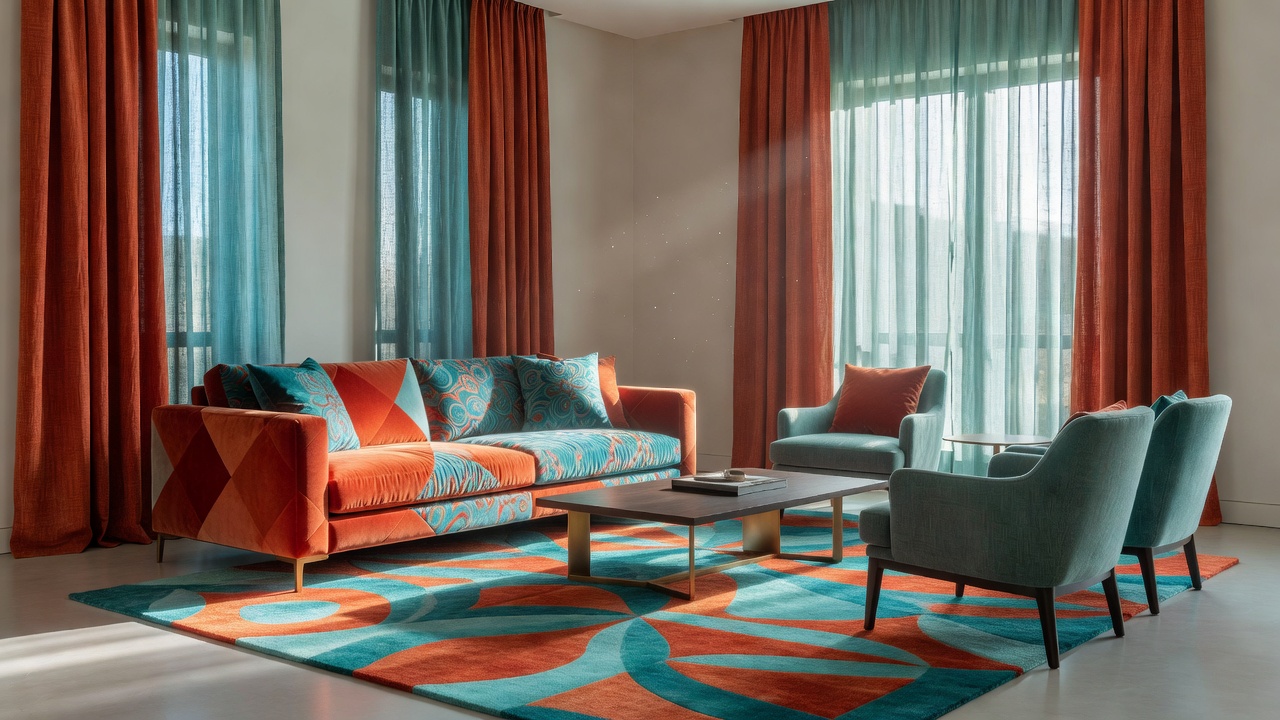
Introduction to Bold Pattern Mixing in 2026 Living Rooms
Creating a dynamic yet balanced living room through bold patterns is a top trend for 2026 home decor. This approach transforms neutral spaces into vibrant, personality-filled environments by layering prints on upholstery, curtains, and rugs while carefully coordinating colors and scales. Homeowners and designers alike are embracing this technique to achieve modern sophistication without chaos. In 2026, pattern mixing reflects a shift toward expressive interiors that celebrate individuality while maintaining harmony, influenced by sustainable materials and multifunctional spaces.
Effective pattern mixing starts with understanding scale, color harmony, and visual weight. Whether updating through remodeling or simple refreshes, the goal remains the same: a cohesive space that feels inviting and current. This guide provides in-depth strategies, real-world examples, and actionable steps to help you succeed.
Understanding the Core Principles of Pattern Mixing
Before selecting fabrics, master the fundamentals. Patterns interact through repetition, contrast, and balance. Repetition ties elements together, contrast adds energy, and balance prevents dominance by any single print. For 2026 updates, consider how patterns perform under different lighting, as LED fixtures and natural daylight can alter color perception dramatically. Experiment with mood boards that include fabric swatches, paint chips, and furniture dimensions to visualize the final result accurately.
Choosing Statement Pieces as the Foundation
Begin with one or two standout items that anchor the room. A large-scale geometric sofa or an oversized floral armchair sets the tone. These pieces provide a focal point around which smaller patterns can orbit. In real-home examples, designers often select a statement rug with bold motifs first, then build upward to curtains and pillows. This method ensures the room feels grounded rather than scattered.
Practical step-by-step process: First, measure your space and note traffic flow. Identify the largest surface, typically the sofa or area rug. Choose a pattern incorporating at least three colors that will echo elsewhere. Test physical samples under morning, afternoon, and evening light. Consider durability—opt for performance weaves on high-use items. This foundation prevents later adjustments that could disrupt the entire scheme.
Layering Prints on Upholstery, Curtains, and Rugs
Layering creates visual depth and texture essential for 2026 living rooms. Start with a neutral base such as solid-colored upholstery, then introduce patterned elements like throws or slipcovers. Curtains featuring complementary prints soften windows and add vertical interest, while rugs unify the floor plane and define seating areas. Vary pattern density: dense motifs work best on smaller accessories, while open, larger-scale designs suit expansive surfaces like sofas or rugs.
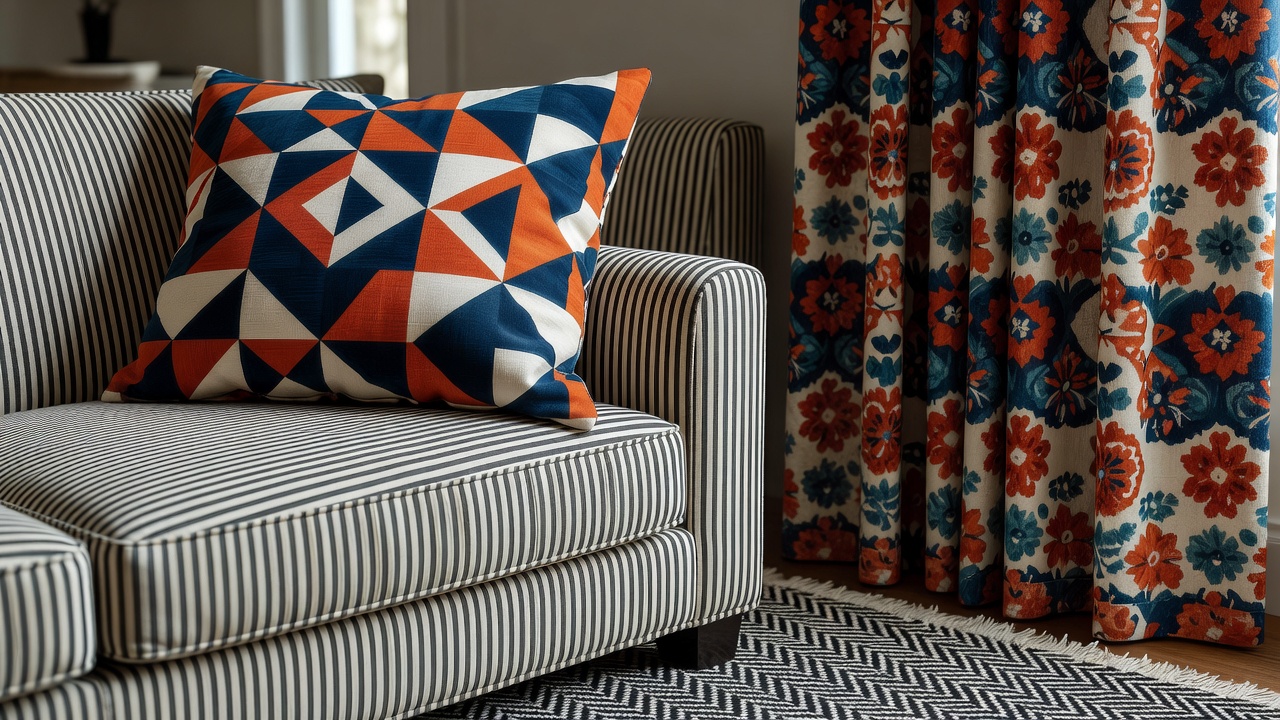
Extend layering to multiple zones. In one zone, pair a striped sofa with ikat pillows and a chevron rug. In another, use a floral ottoman beside solid chairs accented by geometric cushions. Real-home case studies demonstrate success: a 2026 urban loft renovation layered three patterns sharing a teal-terracotta palette, resulting in an energetic yet inviting space that photographed beautifully for design publications.
Coordinating Colors and Scales for Visual Harmony
Color coordination is critical to avoid discord. Select a dominant hue and repeat it across all patterns, allowing secondary tones to provide accents. Scale variation adds rhythm—combine large motifs with medium and small repeats so the eye moves naturally. A frequent error involves matching similar scales, which flattens depth and creates monotony.
Compare approaches in detail. Subtle mixing limits patterns to two within a tight color family, producing understated elegance suitable for compact apartments or rental properties. Daring mixing employs three or more contrasting scales and unexpected pairings such as plaid with florals, delivering high-impact drama ideal for spacious open-plan homes with tall ceilings. Both strategies thrive when previewed on digital or physical mood boards before purchase.
Avoiding Visual Overload in Remodeling Projects
Remodeling offers opportunities to integrate patterns thoughtfully. Install bold wallpaper on a single accent wall, then layer textiles gradually. Incorporate negative space through solid walls, ceilings, or flooring to provide visual rest. Limit patterned surfaces to roughly sixty percent of the room to maintain breathing room. During construction, document each layer with photos to track balance and make adjustments early.
Another case study involves a suburban family room remodel where animal-print curtains contrasted a solid accent wall, balanced by a geometric ottoman and striped occasional chairs. Residents noted the refreshed space felt significantly more welcoming and versatile for entertaining without becoming visually exhausting over time.
Subtle Versus Daring Approaches: Detailed Comparison
- Subtle approach: Maximum of two patterns sharing color and tone; perfect for smaller rooms, first-time mixers, or those preferring calm aesthetics. Pros include easier maintenance and timeless appeal; cons involve less dramatic transformation.
- Daring approach: Multiple scales and contrasting combinations; excels in large, well-lit spaces seeking conversation-starting impact. Pros deliver memorable style; cons require precise execution to prevent fatigue.
Professionals recommend starting subtle and adding bolder elements incrementally based on comfort level.
Maintenance Tips and Long-Term 2026 Updates
Select stain-resistant, UV-protected fabrics for longevity, especially on rugs and upholstery exposed to sunlight. Rotate pillows and cushions seasonally to distribute wear evenly. Vacuum patterned textiles regularly and spot-clean promptly. For remodeling durability, favor patterns with classic motifs over ultra-trendy designs that date quickly. Architectural Digest notes that well-executed bold mixes retain relevance across seasons when grounded in quality materials. Additional guidance appears on Better Homes & Gardens, emphasizing performance textiles for active households.
FAQs Addressing Common Challenges
How many patterns can a living room comfortably support? Three to five distinct patterns succeed when scales differ substantially and colors overlap intentionally.
Is pattern mixing feasible in small living rooms? Absolutely—employ lighter palettes, smaller repeats, and strategic mirrors to expand perceived space while adding interest.
What maintenance routines preserve bold patterns? Use performance fabrics rated for heavy use, rotate accessories quarterly, and avoid harsh cleaners that fade dyes.
How do I integrate patterns during a full remodel? Phase installations: begin with flooring and large furniture, then add window treatments and accents last for fine-tuning.
Can I combine patterns from different design eras? Yes, provided a unifying color thread connects vintage and contemporary prints for cohesive flow.
Conclusion
Mixing bold patterns elevates living room design when executed with clear intention and practical planning. By focusing on statement pieces, thoughtful layering, color coordination, and scale variation, any homeowner can achieve a balanced, dynamic space prepared for 2026 trends and future updates. Begin with samples, document progress, and refine until the room feels both exciting and livable. The result rewards with a personalized environment that continues to inspire daily.
No comments yet. Be the first!