 Fixated on Home
Introduction to Minimalist Living Room Design in 2026
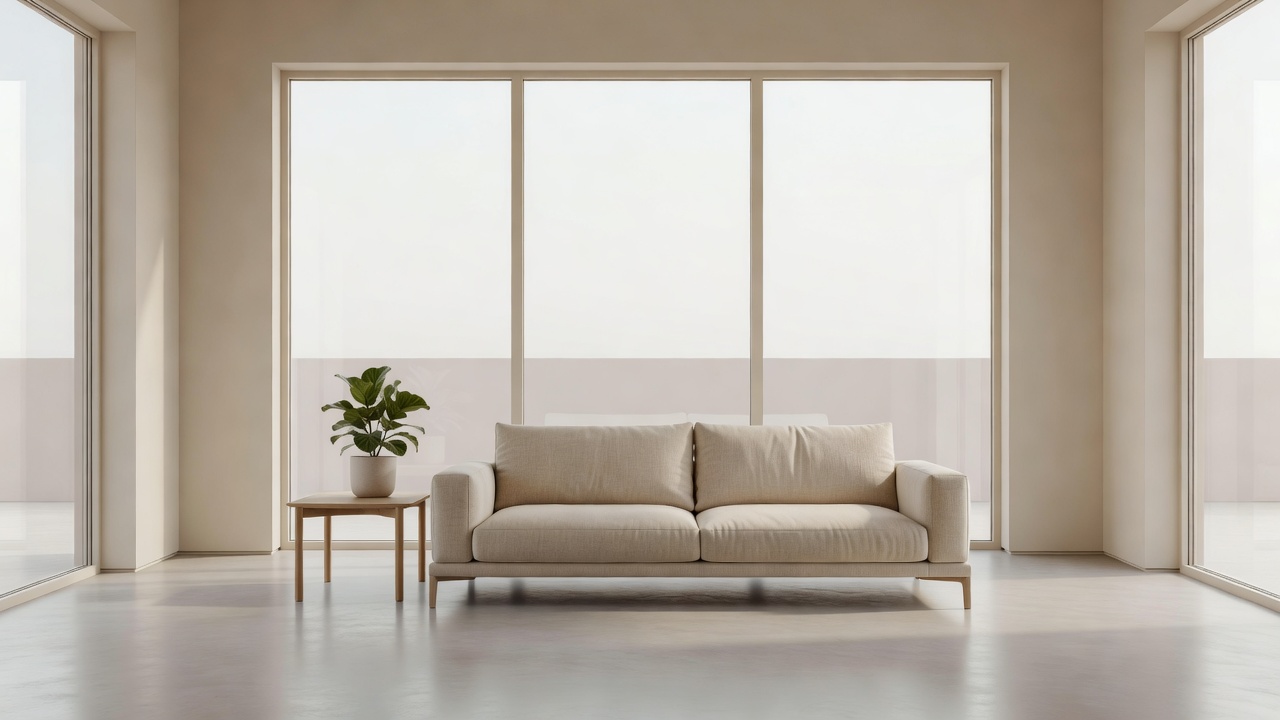
Minimalist living room design continues to evolve in 2026, focusing on clean lines, functional home decor, and spaces that promote calm without sacrificing comfort. This approach appeals to beginners seeking low-maintenance environments that align with modern trends while remaining timeless. By emphasizing quality over quantity, homeowners can create versatile rooms that adapt to daily life and reduce the stress of constant upkeep. The philosophy encourages mindful consumption, where each item earns its place through utility or aesthetic contribution.
The core of minimalist design lies in intentional choices that reduce visual noise. Whether remodeling an existing space or starting fresh, understanding these principles helps achieve a serene atmosphere that feels both contemporary and enduring. Many homeowners report that adopting minimalism leads to easier cleaning routines and a greater sense of control over their environment.
Core Principles of Minimalist Living Room Design
Minimalism prioritizes simplicity and purpose. Every element should serve a function or bring genuine joy. Key tenets include balance between empty space and necessary items, harmony through repetition of forms, and restraint in ornamentation. In 2026, this extends to sustainable materials that support longevity and environmental responsibility. For deeper insights into sustainable design practices, explore resources from the Environmental Protection Agency.
These principles create visual calm, making rooms feel larger and more inviting. Avoid overcrowding by limiting pieces to those that enhance usability. Homeowners who embrace this mindset often find their living rooms become multipurpose hubs for relaxation, reading, and light entertaining without the distraction of excess belongings.
Decluttering for a Fresh Start
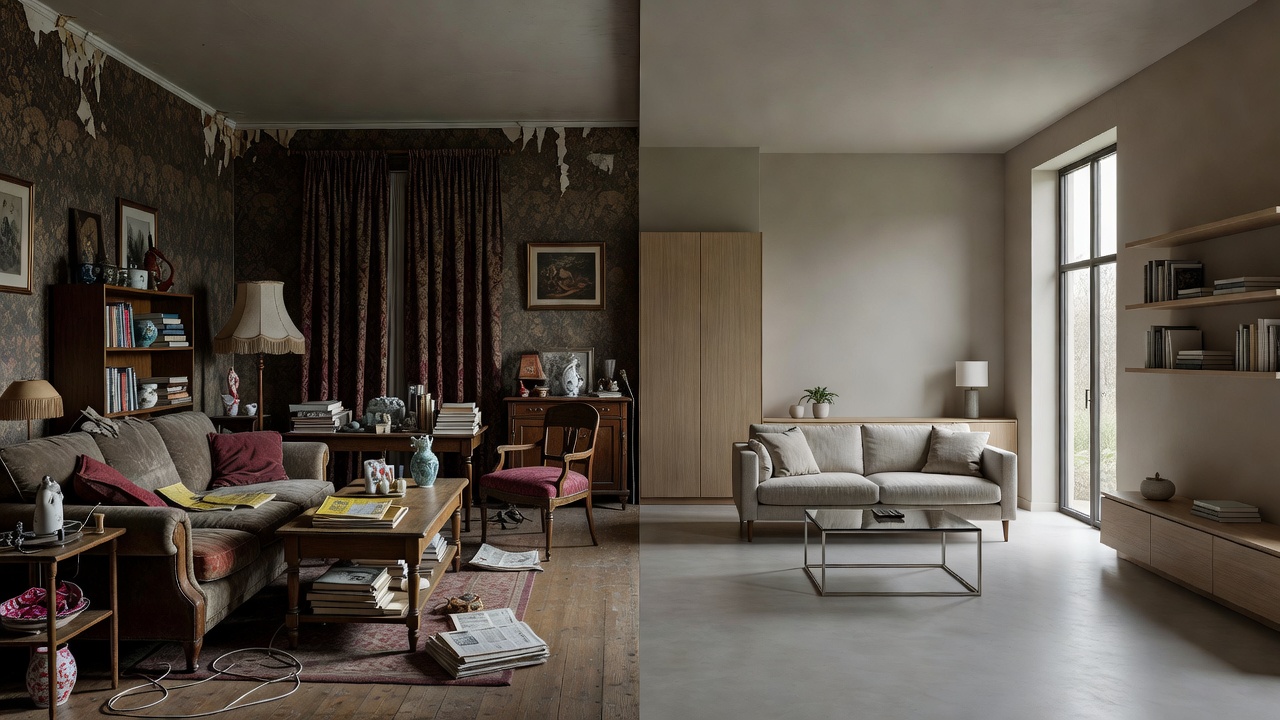
Begin any minimalist transformation by decluttering. Remove items that no longer serve a purpose or fit the aesthetic. Sort belongings into keep, donate, and discard categories. This step reveals the true potential of the room and prevents future accumulation. Consider seasonal rotations for items like blankets or decor to maintain order year-round.
Practical advice includes tackling one zone at a time, such as shelves or seating areas, to avoid overwhelm. Real-world examples show that families who declutter methodically often report improved focus and reduced stress in their living spaces. One family in a mid-sized suburban home reduced their living room items by half and immediately noticed how the space felt more open and breathable. Use labeled bins during the process to streamline decision-making and track progress over several weekends.
Selecting Versatile Furniture Pieces
Choose furniture with multiple uses, such as storage ottomans or modular sofas. Opt for pieces with clean silhouettes and neutral upholstery that withstand changing trends. In 2026 designs, look for durable frames paired with sustainable fabrics that resist wear. Consider scale carefully so furniture complements rather than dominates the room proportions.
Comparisons between materials like wood versus metal show wood offers warmth while metal provides sleek modernity. Select based on your room's light levels and existing architecture. For instance, a light oak coffee table pairs beautifully with white walls, while brushed steel accents suit darker, industrial-leaning spaces. Test pieces in person when possible to assess comfort and build quality before committing.
Using Neutral Palettes with Subtle Accents
Neutral color schemes form the foundation of minimalist living rooms. Shades of white, beige, gray, and soft taupe create a serene backdrop. Introduce subtle accents through textiles or artwork in muted tones to add personality without chaos. Layer textures such as wool throws, linen curtains, and ceramic vases to add depth while preserving simplicity.
This palette enhances natural light reflection, making spaces feel open. Avoid bold patterns that disrupt the calm. Many successful transformations begin with painting walls in a warm off-white and then building outward with coordinated neutrals. The result is a versatile canvas that accommodates seasonal changes effortlessly.
Remodeling Tips for Maximizing Natural Light
Strategic window treatments like sheer curtains or none at all maximize daylight. Position mirrors to bounce light deeper into the room. Consider light-reflecting wall finishes during remodeling. For energy-efficient lighting strategies that complement natural light, refer to guidance from the U.S. Department of Energy.
Examples include homes where removing heavy drapes transformed dark spaces into airy retreats. These changes align with 2026 trends favoring biophilic connections to the outdoors. Additional steps involve installing skylights where structurally feasible or using glass partitions to allow light flow between adjacent rooms. Track sun patterns throughout the day before finalizing window placements to optimize every hour of available light.
Creating Visual Calm Through Strategic Storage
Built-in cabinetry or low-profile units hide clutter effectively. Floating shelves display only curated items. The goal is seamless integration so storage supports rather than dominates the design. Opt for closed storage in high-traffic zones and open shelving for select decorative objects in quieter corners.
Step-by-step guidance: measure your space accurately, identify high-traffic zones, and select modular systems that grow with your needs. Real transformations often involve custom millwork that blends into walls, creating the illusion of more floor space. Homeowners who invest time in planning storage report fewer daily frustrations and a consistently tidy appearance.
Step-by-Step Planning Guidance
- Assess your current layout and note pain points such as traffic flow or underused corners.
- Define your color palette and furniture needs based on lifestyle and room dimensions.
- Source materials and verify sustainability credentials through supplier documentation.
- Plan lighting layers including natural sources, task lighting, and ambient options for day and night use.
- Implement changes gradually, testing arrangements over several weeks before final purchases.
- Evaluate the completed space after one month and make minor adjustments as needed.
Real-World Transformation Examples
One suburban home converted a cluttered family room into a minimalist haven by swapping oversized sofas for a streamlined sectional and adding hidden storage. Another urban apartment used neutral walls and strategic lighting to double perceived space. A third example involved a coastal property where pale driftwood tones and minimal seating created an effortless indoor-outdoor connection that residents enjoy daily.
Material Comparisons
Compare linen versus cotton for upholstery: linen breathes better in warm climates but wrinkles more easily, while cotton offers durability and easier care. Wood versus engineered surfaces: solid wood ages gracefully with patina, while engineered options resist moisture and temperature fluctuations better in variable climates. Choose based on lifestyle and maintenance preferences. Additional comparisons include leather versus fabric seating, where leather provides longevity but requires conditioning, and fabric offers variety in texture at potentially lower upkeep.
Common Mistakes to Avoid
Many beginners overcorrect by removing too many personal items, resulting in a cold atmosphere. Balance emptiness with meaningful objects. Another frequent error is ignoring scale, where oversized furniture overwhelms small rooms. Always measure twice and consider traffic paths. Finally, neglecting maintenance plans leads to quick reversion to clutter; establish simple weekly routines from the start.
FAQ: Addressing Common Pitfalls
How do I avoid a sterile look?
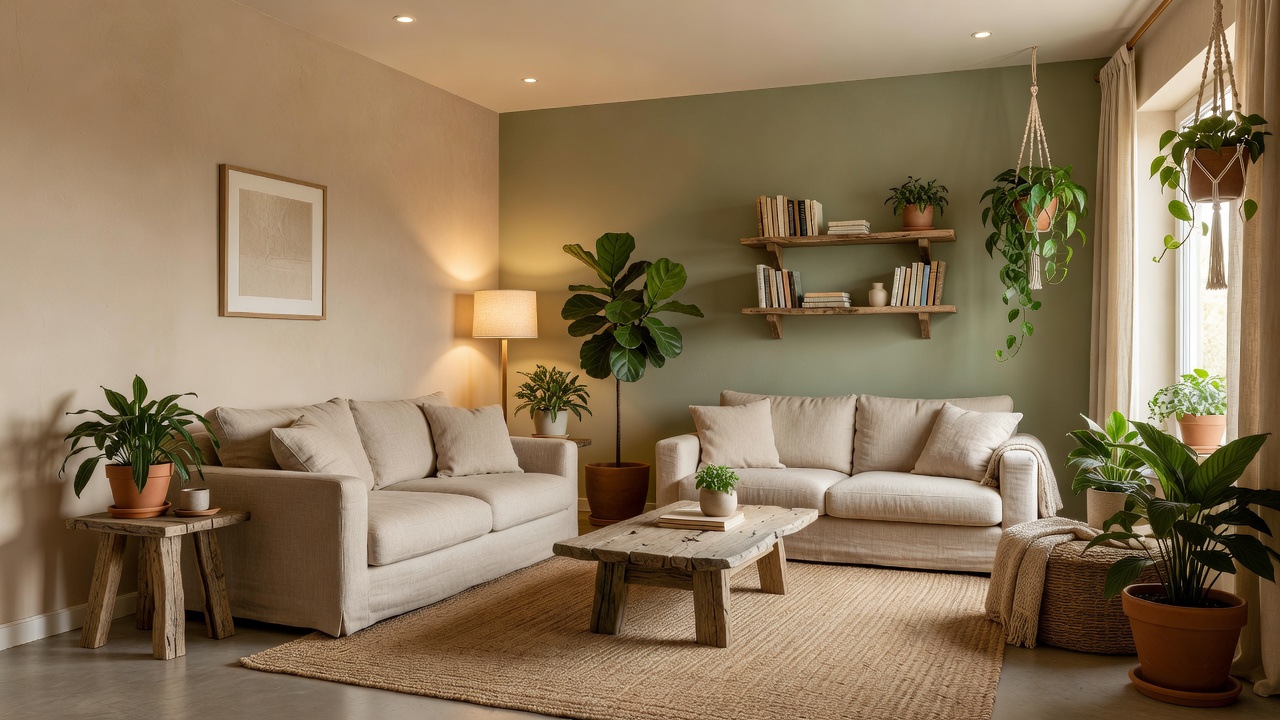
Incorporate texture through rugs, throws, and plants to add warmth while staying true to minimalism. Layering subtle patterns in the same neutral family can also soften the space.
What if my family needs more storage?
Invest in multifunctional furniture that conceals items without visual bulk. Vertical storage solutions often maximize capacity without expanding the footprint.
Is minimalist design expensive?
Focus on fewer high-quality pieces rather than many cheap ones for better long-term value. Thrifted or refurbished items can achieve the look economically when selected carefully.
Can I add color later?
Yes, start with neutrals and introduce accents gradually through pillows or art to test what feels right without permanent commitment.
Conclusion
Minimalist living room design for 2026 offers a practical path to timeless, low-maintenance spaces. By applying these ideas thoughtfully, beginners can achieve functional beauty that lasts. Start small, stay intentional, and enjoy the calm that follows. The journey rewards patience with a home that supports rather than overwhelms daily living.
No comments yet. Be the first!