 Fixated on Home
Introduction to Mindful Living Room Design
In 2026, homeowners are increasingly turning to mindful living room design to create serene spaces that support mental well-being. This approach blends wellness trends with timeless principles, focusing on intentional decor that minimizes stress without requiring major renovations. By prioritizing calm aesthetics and functional flow, your living room can become a sanctuary for relaxation and presence. The goal is not perfection but creating an environment that encourages mindfulness, reduces overstimulation, and fosters a sense of ease during daily routines.
The core of mindful design lies in thoughtful choices that engage the senses gently. Research from Mayo Clinic highlights how environments influence stress levels, making intentional design a practical tool for daily calm. Homeowners often report improved focus and better sleep patterns after redesigning their living areas with these principles in mind. This guide provides actionable steps tailored for real homes, emphasizing small changes that yield meaningful results over time.
Selecting Calming Color Palettes
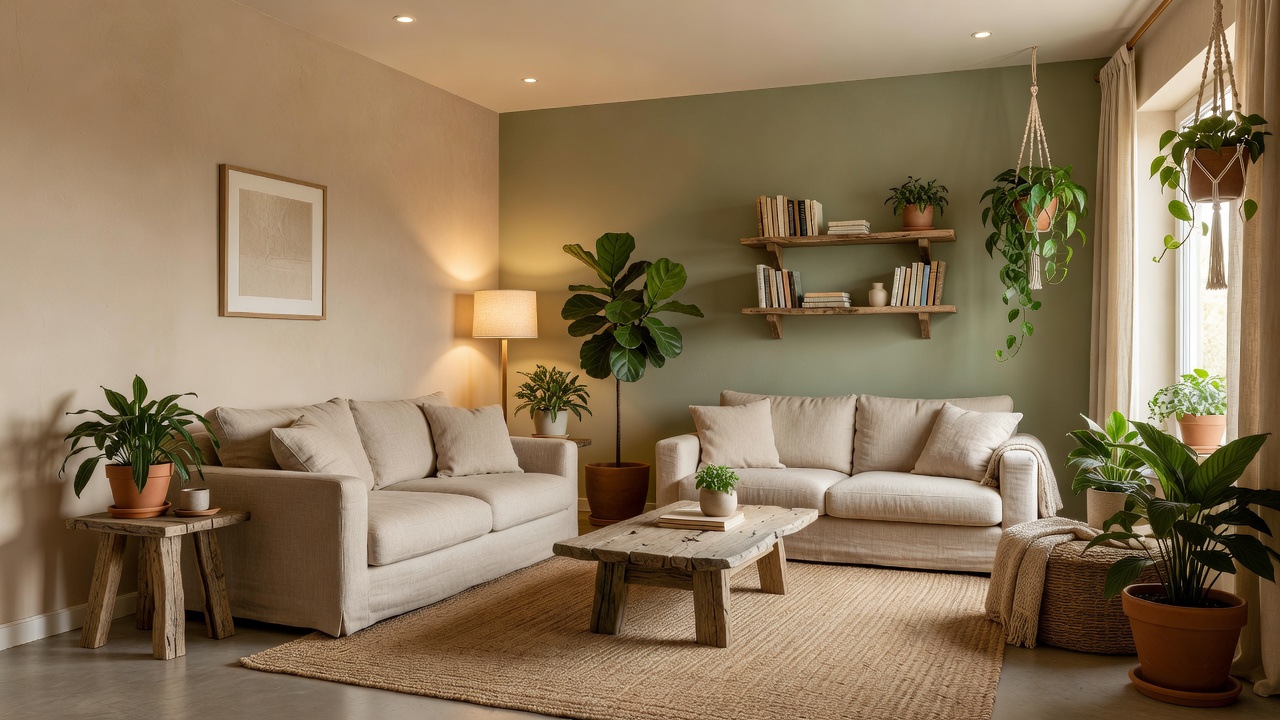
Color profoundly affects mood and can either heighten or soothe anxiety. For 2026 mindful spaces, opt for soft neutrals like warm beiges, muted greens, and soft grays. These hues promote tranquility by reducing visual overstimulation and creating a cohesive backdrop that feels expansive. Layer in subtle accents of sage or terracotta for depth without chaos, ensuring the palette remains balanced rather than overwhelming.
Start by assessing natural light in your room. In brighter spaces, cooler tones like pale blue-gray work well to temper intensity; in dimmer rooms, warmer off-whites prevent a cold feel and add subtle warmth. Test samples at different times of day to ensure consistency across seasons. Consider the psychological impact: greens evoke nature and renewal, while beiges offer grounding stability. Avoid high-contrast combinations that can disrupt focus during relaxation activities such as reading or meditation.
Incorporating Natural Textures
Natural materials ground the space and connect occupants to the outdoors, enhancing the biophilic connection that supports mental restoration. Incorporate elements such as linen curtains, jute rugs, reclaimed wood accents, and stone or ceramic accessories. These textures add tactile interest while absorbing sound for a quieter atmosphere, which is especially beneficial in urban settings where external noise is common.
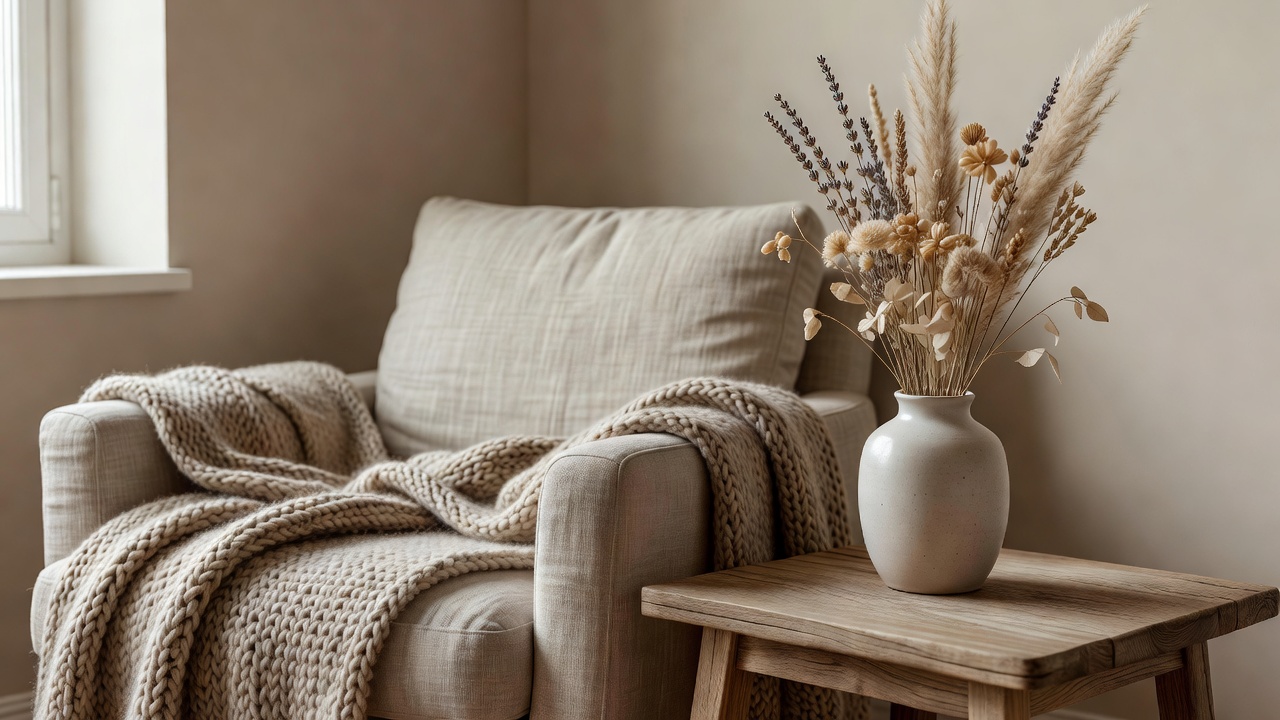
Compare this to synthetic options: natural fibers age gracefully, develop character, and support sustainability goals, aligning with 2026 wellness trends that emphasize eco-conscious choices. For instance, a wool throw blanket draped over a sofa invites touch and provides seasonal versatility. Maintenance is straightforward—regular vacuuming and occasional spot cleaning keep these materials fresh without harsh chemicals. Homeowners who have integrated such textures often describe their rooms as more inviting and restorative after just a few weeks of use.
Arranging Furniture for Optimal Flow and Relaxation
Furniture placement determines how energy moves through the room and directly impacts daily comfort. Aim for conversational groupings that encourage connection without crowding. Position seating to face windows or focal points like a fireplace for a sense of openness and natural light engagement. This layout promotes better posture and reduces the feeling of confinement that can arise from poorly planned arrangements.
Step-by-Step Setup Instructions
- Measure your space accurately and sketch a simple layout on paper or with a digital tool to visualize traffic patterns.
- Identify the room's primary function—whether reading, gathering with family, or unwinding after work—and prioritize seating accordingly to support those activities.
- Leave clear pathways of at least 30 inches for easy movement, ensuring no furniture blocks natural walking routes.
- Anchor the arrangement with a low coffee table or ottoman to define zones and provide practical surfaces for books or beverages.
- Final check: sit in each seat and assess views, comfort levels, and accessibility to lighting controls or storage.
- Experiment with modular pieces that can be rearranged seasonally to maintain freshness without additional purchases.
Enhancing Ambiance with Thoughtful Lighting
Lighting plays a pivotal role in setting a mindful tone. Layer ambient, task, and accent lighting using warm LED bulbs that mimic natural daylight cycles. Dimmable floor lamps and wall sconces allow adjustment throughout the day, supporting circadian rhythms and evening wind-down routines. Avoid harsh overhead fixtures that create glare and instead rely on multiple low-level sources to foster intimacy and calm.
Integrating Biophilic Elements Like Plants and Natural Accents
Bringing living elements indoors strengthens the connection to nature. Select low-maintenance plants such as snake plants, peace lilies, or pothos that improve air quality while adding visual softness. Arrange them at varying heights to create depth without clutter. Complement with natural accents like driftwood sculptures or stone coasters to reinforce the organic theme. Studies from institutions like the National Institutes of Health support the stress-reducing benefits of indoor greenery in residential settings.
Before-and-After Examples of Real Spaces
Consider a typical suburban living room from 2025 cluttered with mismatched furniture and bright primary colors. After mindful redesign, the same space featured a neutral palette, a single statement sofa in linen, and layered natural rugs, transforming it into a peaceful retreat used daily for meditation and family time. Residents noted reduced evening screen time as the calming environment encouraged more reading and conversation.
Another example involves an urban apartment with harsh lighting and sharp architectural lines. The redesign incorporated strategic placement of plants, soft textiles on windows, and a focal reading chair oriented toward a window. The result was a space that felt larger and more serene, with family members reporting lower stress during remote work sessions conducted there.
Minimal vs Layered Approaches: A Comparison
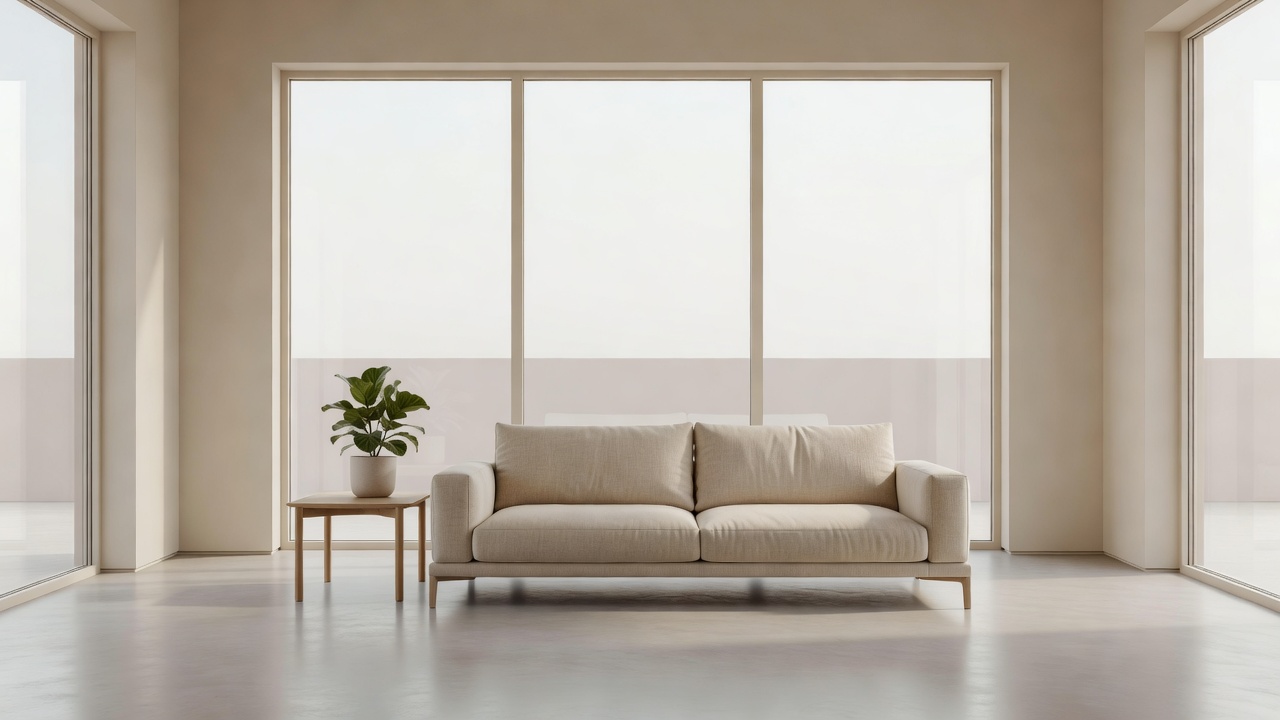
- Minimal approach: Focuses on fewer, high-quality pieces with ample negative space. Ideal for small rooms or those seeking stark simplicity. Benefits include easier maintenance, lower visual noise, and a sense of lightness that aids concentration. Drawbacks may include a sparse feel if not balanced with warm textures.
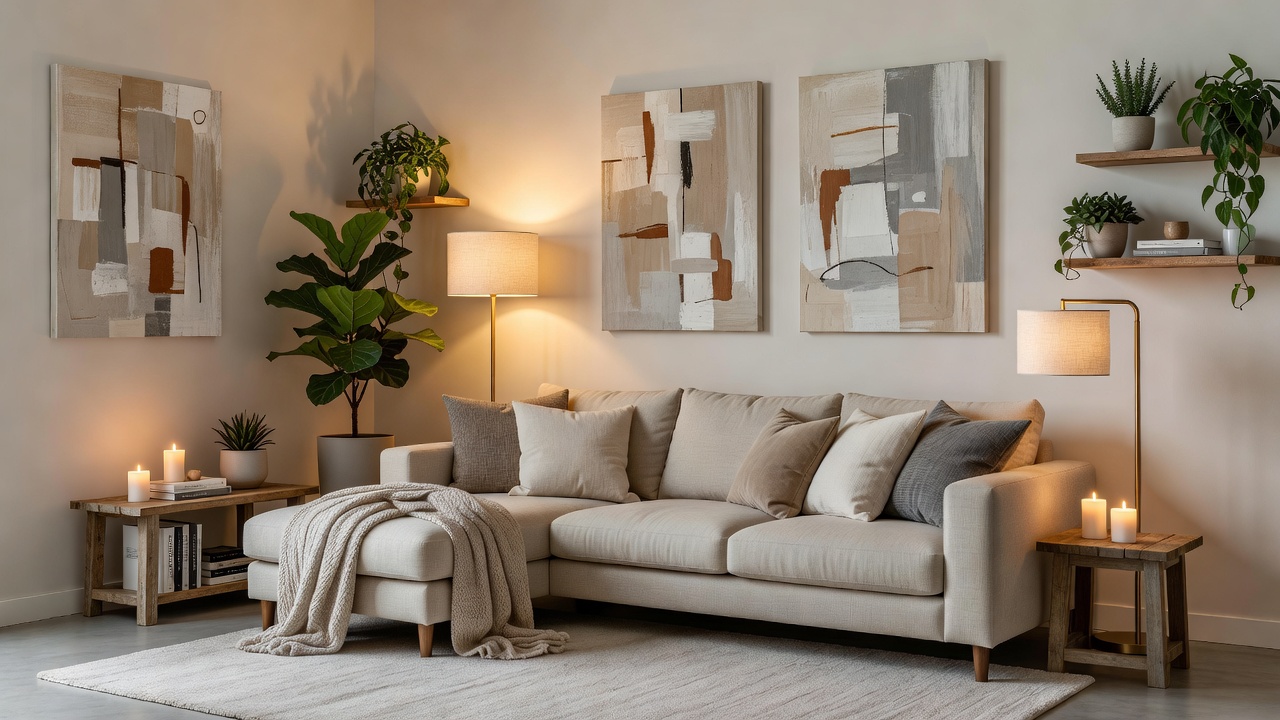
- Layered approach: Builds depth with multiple textures and subtle patterns while maintaining a cohesive palette. Suited to larger spaces needing warmth and personality. It offers more visual interest and opportunities for personal expression but requires careful editing to avoid clutter that could undermine mindfulness goals.
Choose based on your lifestyle: minimal for busy households valuing quick cleanups, layered for those who enjoy collecting meaningful objects that tell a story over time.
FAQ: Addressing Common Remodeling Challenges
How do I start without a full remodel?
Begin with paint and textiles. These low-commitment changes deliver immediate impact on mood and can be completed over a weekend. Focus first on the walls and largest surfaces for the biggest transformation.
What if my room has awkward architecture or limited square footage?
Use strategic lighting and mirrors to soften angles, and select curved furniture to balance sharp lines. Multifunctional pieces like storage ottomans help maximize utility without sacrificing calm aesthetics.
Can I incorporate tech in a mindful space?
Yes, but conceal devices when not in use. Wireless speakers and smart lighting with warm, dimmable settings integrate seamlessly. Set routines that automatically lower brightness in the evenings to support relaxation.
How do seasonal changes affect the design?
Rotate accessories like throws and pillows to match light levels and temperature. This keeps the space feeling fresh while preserving the core mindful foundation year-round.
Conclusion
Mindful living room design in 2026 empowers homeowners to craft spaces that nurture calm and connection. By focusing on color, texture, layout, lighting, and natural elements, you achieve lasting serenity that enhances both aesthetics and mental well-being. Implement these strategies gradually, starting with one or two areas, for a transformative yet achievable upgrade that supports long-term wellness.
No comments yet. Be the first!