 Fixated on Home
Introduction: Choosing the Right Sofa for Your 2026 Living Room
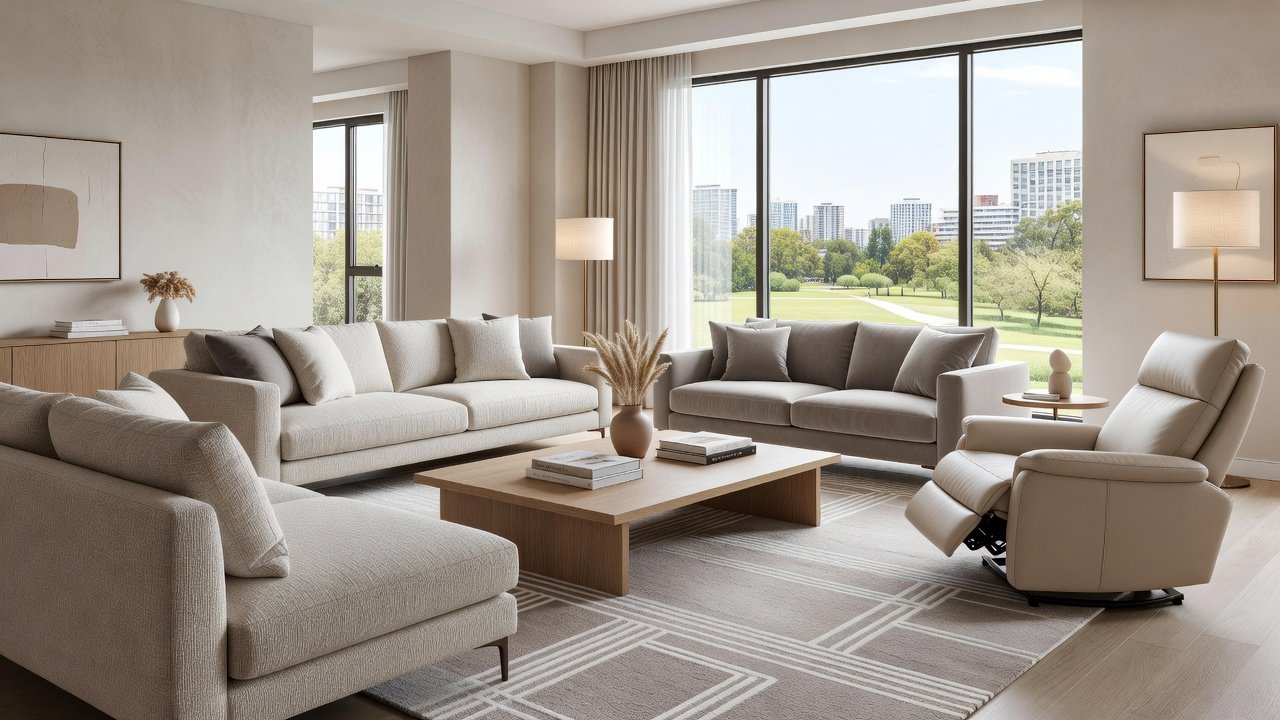
Upgrading your living room sofa stands as one of the most impactful decisions homeowners can make for both everyday comfort and visual appeal. In 2026, trends emphasize versatile designs that adapt to open floor plans, hybrid work lifestyles, and sustainability concerns. This in-depth comparison examines the four leading sofa styles—sectionals, loveseats, recliners, and modular systems—detailing their strengths, limitations, ideal room configurations, and pairing strategies with existing decor. By exploring material options, sizing considerations, and practical remodeling tips, you will gain the knowledge needed to select a piece that enhances both function and aesthetics for years to come.
Whether your project involves a full renovation or targeted upgrades, understanding these styles helps avoid common pitfalls like poor traffic flow or mismatched proportions. Real-world examples and a quick quiz further support informed decision-making.
Sectional Sofas: Spacious and Social Centers
Sectionals continue to dominate 2026 living room designs, especially in homes with open-concept layouts. Their L-shaped or U-shaped configurations maximize seating capacity while defining conversation areas around focal points such as televisions, fireplaces, or large windows.
Pros and Cons
- Pros: Accommodates six or more people comfortably, often includes built-in chaise sections for reclined lounging, supports family gatherings and movie nights without additional furniture.
- Cons: Requires substantial floor space that may overwhelm compact rooms, relocation during seasonal rearrangements proves challenging due to weight and size, and initial assembly can take several hours.
Ideal placements position the sectional against the longest wall in rectangular rooms, leaving clear pathways of at least 36 inches on all sides. In square rooms, corner placement creates balanced zones for both relaxation and movement.
Loveseats: Compact Versatility for Smaller Spaces
Loveseats offer an excellent solution for apartments, townhomes, or secondary seating areas. Their two-person scale allows flexible placement beside accent chairs or side tables, preserving an open and airy atmosphere.
Pros and Cons
- Pros: Fits rooms under 150 square feet without crowding, pairs effortlessly with existing armchairs to create balanced seating groups, and simplifies moving or rearranging for parties and holidays.
- Cons: Limited to two adults comfortably, may require supplementary seating for larger households, and can appear undersized in expansive great rooms.
Position loveseats perpendicular to windows or near reading nooks to maximize natural light and intimacy. They work especially well in transitional spaces between living and dining areas.
Recliners: Ergonomic Comfort with Modern Style
Contemporary recliners have evolved beyond bulky stereotypes, now featuring slim profiles, power mechanisms, and premium upholstery that integrate seamlessly into upscale interiors.
Pros and Cons
- Pros: Deliver targeted lumbar and neck support during extended sitting, eliminate the need for separate ottomans, and often include USB charging ports and cup holders for added convenience.
- Cons: Mechanical components may require periodic servicing, some models retain a deeper footprint that affects sightlines, and fabric choices can show wear faster than stationary sofas.
Place recliners near task lighting or beside end tables stocked with books and remotes to create dedicated relaxation stations within larger seating arrangements.
Modular Sofas: Adaptable Solutions for Changing Needs
Modular sofas consist of independent sections that connect or separate as required, offering unmatched flexibility for growing families, frequent movers, or multipurpose rooms.
Pros and Cons
- Pros: Reconfigure quickly for different occasions, allow addition of corner wedges or sleepers later, and support creative layouts that evolve with lifestyle changes.
- Cons: Individual pieces may shift slightly without proper connectors, initial planning for balanced aesthetics demands careful measurement, and total cost can exceed fixed-frame alternatives.
These systems excel in homes where rooms serve multiple functions, such as combining living and guest spaces.
Material Durability and Long-Term Maintenance
Fabric and frame quality directly influence how well a sofa withstands daily use. Performance fabrics treated for stain resistance perform well in households with children or pets, while top-grain leather develops character over time and resists fading. Hardwood frames with reinforced joints outlast particleboard constructions by many years. 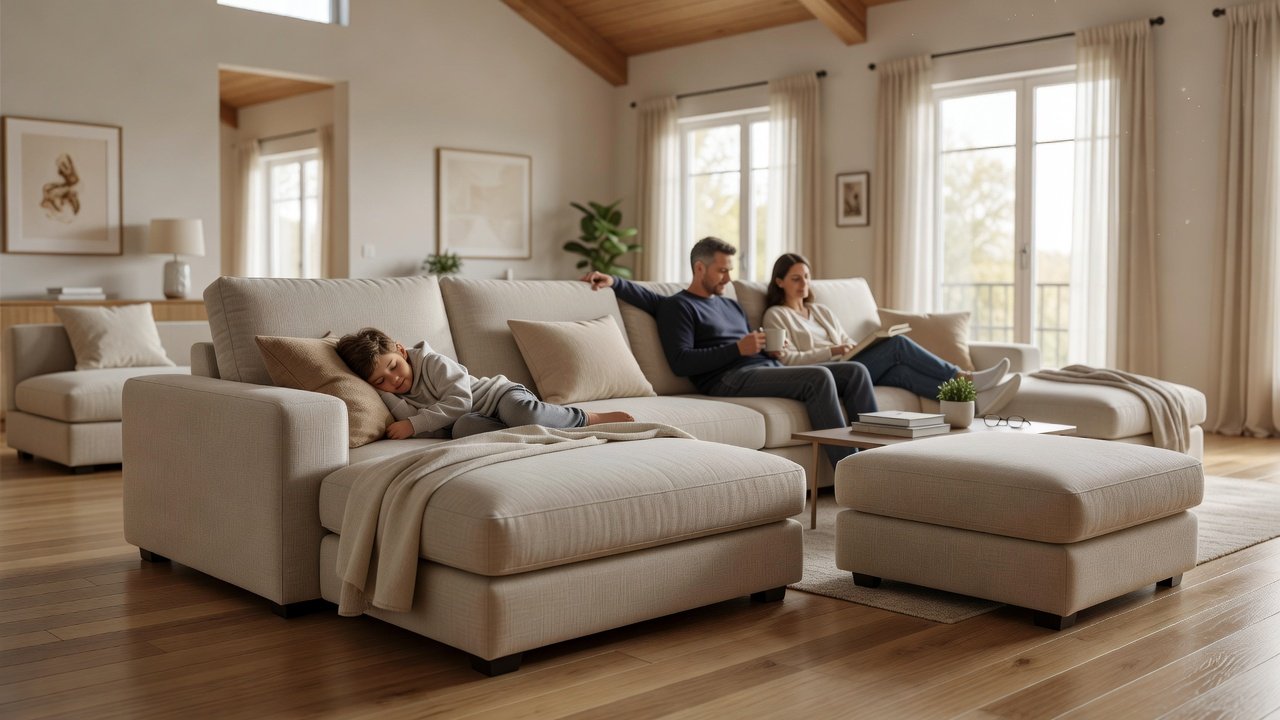
Regular care includes weekly vacuuming with upholstery attachments and immediate blotting of spills. Professional cleaning every 12 to 18 months preserves appearance and extends lifespan, according to guidance from leading home resources such as Better Homes & Gardens.
Sizing for Optimal Flow and Traffic Patterns
Accurate measurements prevent the most common post-purchase regret. Allow a minimum of 30 inches between the sofa front and coffee table, and maintain 36-inch-wide walkways around all sides. In rooms with multiple doorways, sketch scale drawings on graph paper or use digital planning tools before final selection. Scale the sofa height to existing pieces—standard seat heights range from 17 to 19 inches—to maintain visual harmony.
Pairing New Sofas with Existing Home Decor
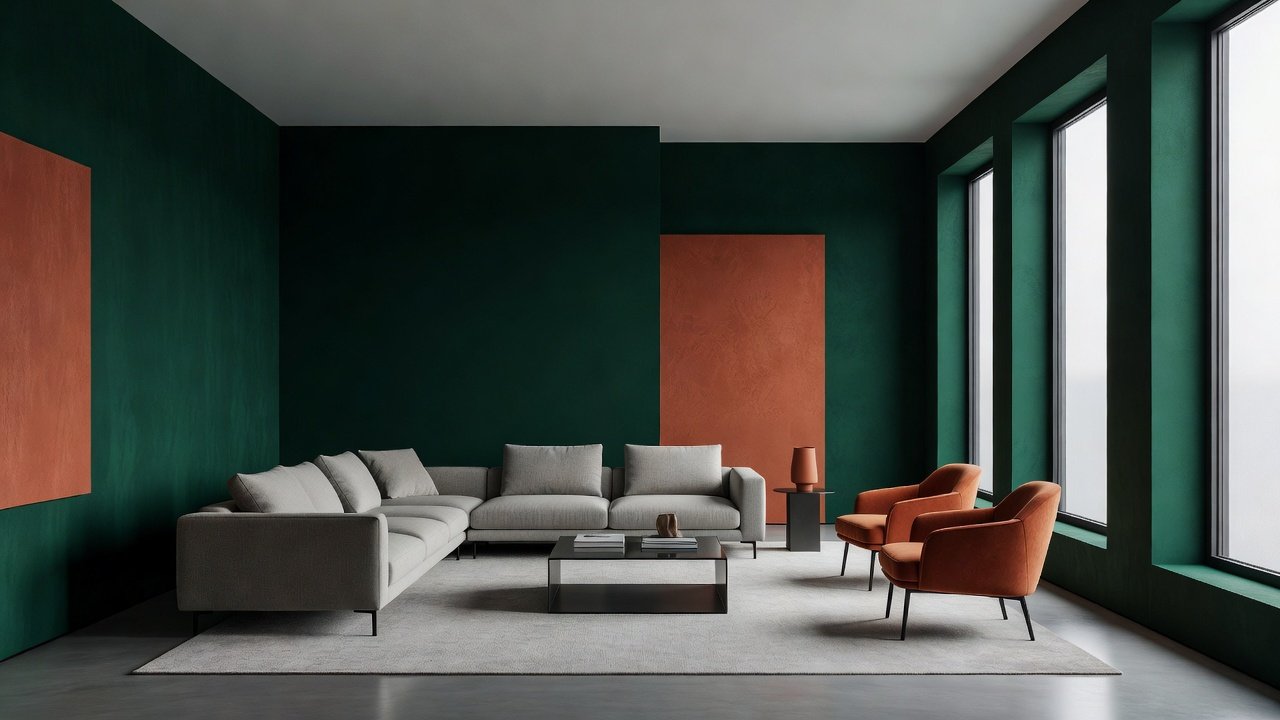
Successful integration requires attention to color, texture, and proportion. Neutral sectional upholstery pairs beautifully with patterned area rugs and bold accent pillows drawn from wall art palettes. Loveseats in rich jewel tones complement mid-century modern side tables, while recliners in performance leather coordinate with industrial shelving units. Layering lighting—floor lamps behind sectionals and table lamps beside loveseats—creates cohesive ambiance.
2026 Remodeling Tips and Budget-Friendly Swaps
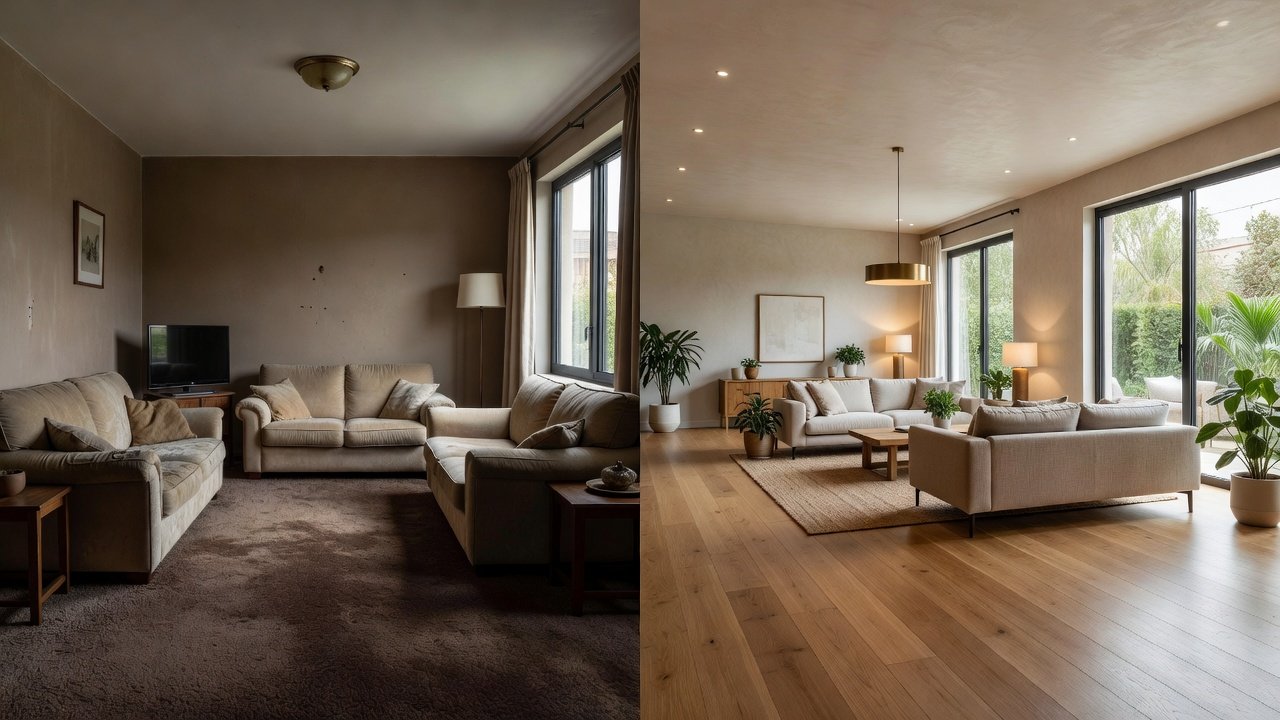
Focus on high-impact, low-cost updates such as replacing sofa legs for a fresh silhouette or adding washable slipcovers. Explore trade-in programs offered by major retailers and consider secondhand frames from reputable sources like IKEA for sustainable choices. Incorporate smart features such as built-in speakers or charging stations to align with current technology trends. These swaps refresh the space without requiring full replacement.
Real-World Examples and Case Studies
A growing family in a suburban ranch replaced their aging recliner with a modular sectional, instantly creating a play zone for young children while preserving adult seating comfort. The configuration allowed them to add a sleeper section for overnight guests. In an urban loft, a compact loveseat paired with a power recliner balanced conversation seating and personal relaxation, transforming a previously underused corner into the home's favorite gathering spot. Another example involved a couple downsizing to a townhome; they chose a small-scale sectional with removable covers that adapted easily to their new, narrower living area.
Quick Style-Matching Quiz
- How many people typically gather in your living room? Large groups benefit most from sectionals.
- What is your available floor space? Rooms under 200 square feet favor loveseats or slim recliners.
- Do you prioritize ergonomic support for long sitting sessions? Recliners excel here.
- Will your layout change within the next few years? Modular designs provide maximum adaptability.
FAQ: Maintenance, Longevity, and Common Concerns
How often should I clean my sofa?
Vacuum cushions and crevices weekly. Spot-clean immediately with manufacturer-approved solutions. Schedule professional deep cleaning annually for optimal fabric condition and odor control.
Which sofa style offers the longest lifespan?
Well-constructed leather sectionals or modular frames with replaceable cushions frequently last 15 years or more with proper care, outpacing many fabric recliners.
Can different styles be mixed successfully?
Absolutely. A recliner positioned opposite a loveseat creates both relaxation and conversation zones. Ensure consistent color families and scale for visual unity.
What warranties should I look for?
Seek frames backed by lifetime warranties and cushions covered for at least five years. Review return policies carefully before purchase.
Conclusion
Selecting the ideal sofa style transforms your living room into a comfortable, stylish, and functional space tailored to 2026 living. By evaluating room dimensions, lifestyle demands, material durability, and long-term flexibility, you can confidently choose a piece that delivers lasting value and enhances daily enjoyment.
No comments yet. Be the first!