 Fixated on Home
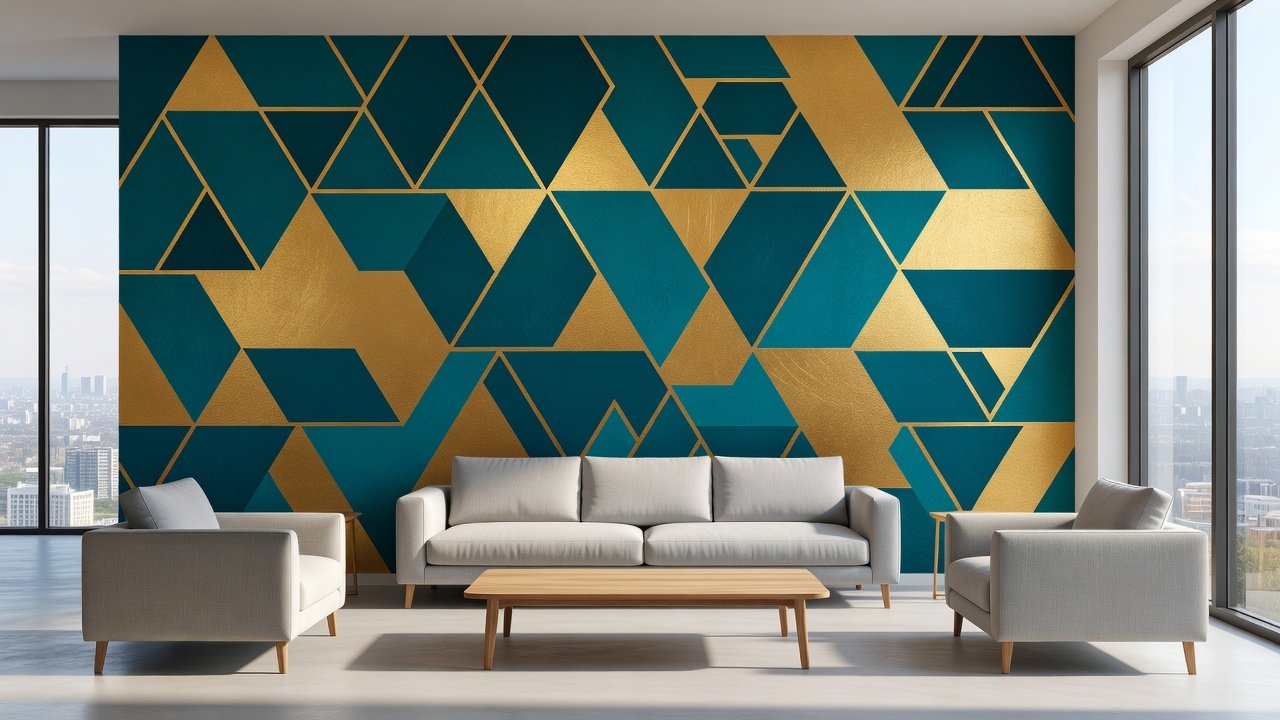
Transform Your Living Room with Bold Wallpaper in 2026
Homeowners seeking impactful updates without major renovations are turning to bold wallpaper patterns. These designs add texture, color, and personality while complementing existing furniture and layouts. In 2026, trends favor oversized geometrics, nature-inspired motifs, and textured metallics that create visual depth in living spaces. Wallpaper offers a versatile solution for visual impact. Unlike paint, it introduces patterns that can make small rooms feel larger or add warmth to open-plan areas. This guide covers everything from selecting complementary patterns to long-term care, helping you achieve professional-looking results even on a moderate budget.
Trending Bold Patterns for 2026 Living Rooms
Current trends emphasize statement-making designs that go beyond subtle textures. Oversized florals in jewel tones like emerald and sapphire bring energy to neutral sofas. Abstract geometrics with metallic accents reflect light and make rooms appear more spacious. Nature motifs such as tropical leaves or mountain silhouettes connect indoor spaces with the outdoors. When choosing, consider how the pattern interacts with your room's architecture—vertical stripes elongate low ceilings, while horizontal elements widen narrow rooms.
Pair these patterns thoughtfully with existing furniture. A bold botanical wallpaper works beautifully behind a minimalist sectional in neutral linen, creating contrast without clashing. For mid-century modern pieces in walnut, opt for retro-inspired damask or herringbone in muted earth tones. Always request large samples and view them at different times of day to see how natural and artificial light affect the colors.
Choosing Patterns That Complement Existing Furniture
Start by assessing your current sofa, coffee table, and accent chairs. Neutral furniture pairs well with vibrant botanicals or abstract geometrics. For colorful pieces, opt for subtle textures like linen-look or subtle stripes that enhance rather than compete. Scale matters greatly: large-scale patterns suit spacious rooms with high ceilings, while smaller repeats work in cozy spaces. Test samples against your furniture under different lighting conditions before committing. Consider the room's focal point—place the boldest pattern on the wall behind the main seating area to draw the eye naturally.
Essential Surface Preparation Steps
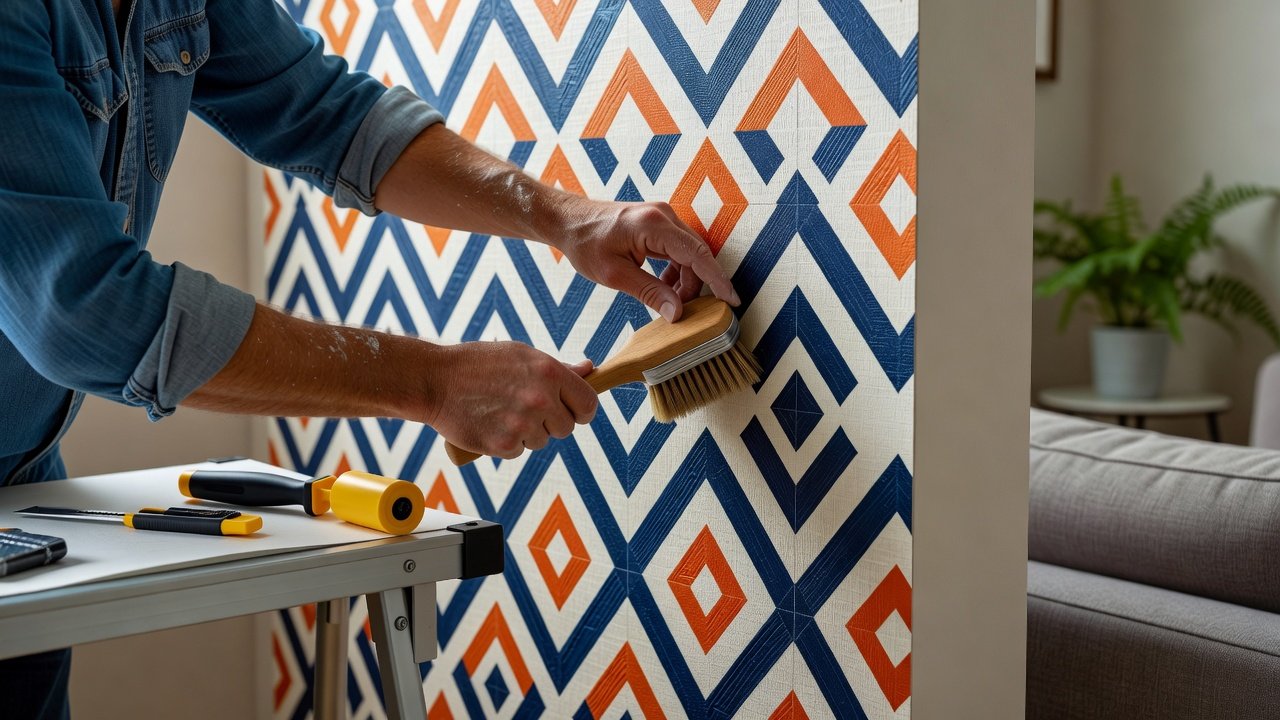
Proper prep ensures adhesion and longevity. Begin by cleaning walls thoroughly to remove dust and grease using a mild detergent solution. Repair any cracks or holes with spackle, then sand smooth once dry. Apply a quality primer suited to your wall type, especially on drywall or previously painted surfaces—oil-based primers block stains effectively. Measure twice and plan pattern placement to minimize waste, starting from the least visible corner. For textured walls, consider a lining paper first. These steps prevent bubbling and peeling over time. Allow primer to dry fully, typically 24 hours, before hanging. Gather tools including a wallpaper smoother, plumb line, sharp utility knife, and seam roller for best results.
DIY Installation vs Professional Help
DIY appeals for budget-conscious homeowners. With the right tools like a smoothing brush, level, and sharp utility knife, enthusiasts can achieve professional results on simple walls. However, complex patterns or tricky corners often benefit from expert installers who handle matching and trimming precisely. Professionals also manage issues like uneven walls faster. Weigh your skill level against the project scope for the best outcome. If your walls have significant imperfections or the pattern requires precise alignment across multiple walls, hiring help saves time and reduces frustration. Many homeowners successfully complete accent walls themselves while leaving full-room installations to pros.
Maintenance Advice for Long-Lasting Results
Regular dusting with a soft cloth maintains appearance. For deeper cleaning, use a damp sponge with mild soap on washable wallpapers. Avoid excessive moisture near seams. In humid climates, select vinyl or moisture-resistant options. Address any peeling immediately with wallpaper adhesive to prevent further damage. Vacuum gently with a brush attachment monthly. For stubborn marks, test cleaning solutions on an inconspicuous area first. With proper care, quality wallpaper can last 10 to 15 years before needing replacement.
Real-Life Before-and-After Transformations
One suburban home replaced plain beige walls with a bold tropical leaf pattern, instantly brightening the space and tying together mid-century furniture. The family reported the room felt more inviting for gatherings. Another urban apartment used metallic geometric wallpaper behind the TV console, creating a focal point that reflected light beautifully and made the compact space feel larger. A third example involved a historic home where subtle textured wallpaper in a soft gray-blue complemented antique pieces while protecting plaster walls. These examples show how strategic placement elevates everyday rooms without structural changes.
Budget-Friendly Options and Smart Pairings
Explore peel-and-stick varieties for easy, removable updates that allow seasonal changes. Pair bold wallpaper with layered lighting such as floor lamps and LED strips to highlight textures. Accent pieces like throw pillows in complementary hues complete the look. Use mirrors opposite the wallpapered wall to amplify the pattern's effect. For more guidance on interior trends, visit HGTV or explore resources at Better Homes & Gardens. Additional practical advice is available from This Old House.
FAQ: Common Challenges Like Humidity and Pattern Matching
- How do I handle humidity? Choose moisture-resistant wallpapers and ensure good ventilation. In high-humidity areas, consult local guidelines from EPA for indoor air quality.
- What about pattern matching? Align patterns at eye level first, working outward. Professionals excel at minimizing visible seams.
- Can I wallpaper over old wallpaper? Generally no—remove old layers for best adhesion.
- How much wallpaper do I need? Calculate square footage of walls minus windows and doors, then add 10-15% for pattern matching and waste.
- Is wallpaper suitable for rental properties? Peel-and-stick options allow removal without damage, making them ideal for temporary updates.
Common Mistakes to Avoid
Skipping surface cleaning leads to poor adhesion. Ignoring pattern repeat can result in mismatched seams. Overlooking lighting effects may cause colors to appear different than expected. Always plan electrical outlet placements around the design. Taking time with these details ensures a polished final result that enhances your living room for years.
Conclusion
Bold wallpaper patterns deliver 2026 living room upgrades with style and practicality. By focusing on complementary designs, thorough preparation, and proper maintenance, homeowners achieve lasting transformations that enhance daily living. Start with samples and a clear plan to bring your vision to life.
No comments yet. Be the first!