 Fixated on Home
Introduction to Spa-Inspired Living Room Designs
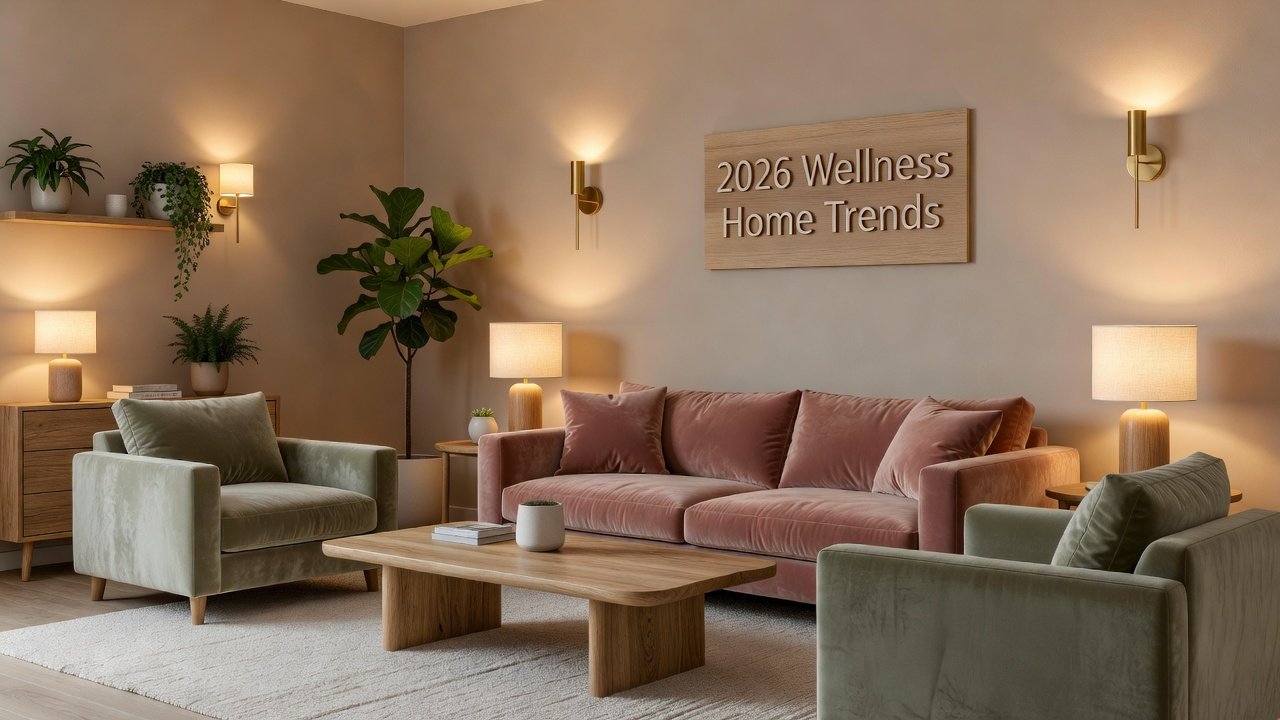
Homeowners increasingly seek living room upgrades that prioritize wellness and relaxation. Spa-inspired designs for 2026 focus on creating timeless, restorative spaces through thoughtful interior upgrades. These approaches blend soft lighting, natural scent integration, plush seating, and calming color palettes to foster calm without needing dedicated spa rooms. By emphasizing restorative home decor elements, these upgrades help reduce daily stress and improve overall well-being in the heart of the home.
This guide provides practical steps for remodeling, material recommendations, budget versus luxury comparisons, before-and-after case studies, and expert tips. It emphasizes sustainable choices that enhance well-being through home decor elements. Homeowners looking for meaningful interior upgrades will find concrete advice on achieving a spa-like atmosphere that feels both modern and enduring.
Benefits of Creating a Spa-Inspired Living Room
Adopting spa-inspired elements in your living room delivers measurable improvements in mood and comfort. Soft lighting and natural materials help lower cortisol levels, while calming palettes encourage mindfulness during everyday activities. Research from sources like the World Health Organization highlights how environmental factors influence mental health, making these upgrades valuable for long-term wellness.
Practical benefits include better sleep quality when evening lighting is optimized and improved air freshness through thoughtful scent choices. Families often report spending more quality time together in spaces designed for relaxation rather than stimulation.
Selecting Calming Color Palettes for Wellness
Color profoundly influences mood and relaxation. For spa-inspired living rooms, opt for soft neutrals, muted greens, and gentle blues that evoke nature and tranquility. These palettes reduce visual stress and promote a sense of peace, aligning with 2026 trends toward biophilic design. Consider undertones carefully—warm beiges pair well with cool sage for balance.
Start by assessing your current walls. Repaint in layers: a base of warm off-white, accents in sage green, and textiles in dusty blue. This creates depth while maintaining serenity. Use matte finishes to minimize glare and enhance the soothing effect. Test samples on large poster boards moved around the room to see how light changes the perception throughout the day.
Practical Steps for Color Implementation
- Sample paints on multiple walls at different times of day to evaluate lighting interactions.
- Layer textures like linen curtains and wool rugs in complementary tones for added dimension.
- Incorporate 2026 trend elements such as subtle metallic sheens in accessories for modern appeal without overwhelming calm.
- Consult color psychology resources to refine choices for specific family needs, such as cooler tones for high-energy households.
Implementing Soft Lighting Setups
Lighting sets the foundation for a spa-like atmosphere. Harsh overhead lights disrupt relaxation, so prioritize layered, dimmable options that mimic natural daylight cycles. Begin with a thorough audit of existing fixtures and replace any cool-toned bulbs with warm alternatives.
Install wall sconces with warm LED bulbs (2700K range) and floor lamps with fabric shades. Add smart dimmers for adjustable ambiance throughout the day. These upgrades support circadian rhythms and improve evening wind-down routines. Position lighting to highlight architectural features or artwork without creating harsh shadows.
Expert Tips for Lighting Integration
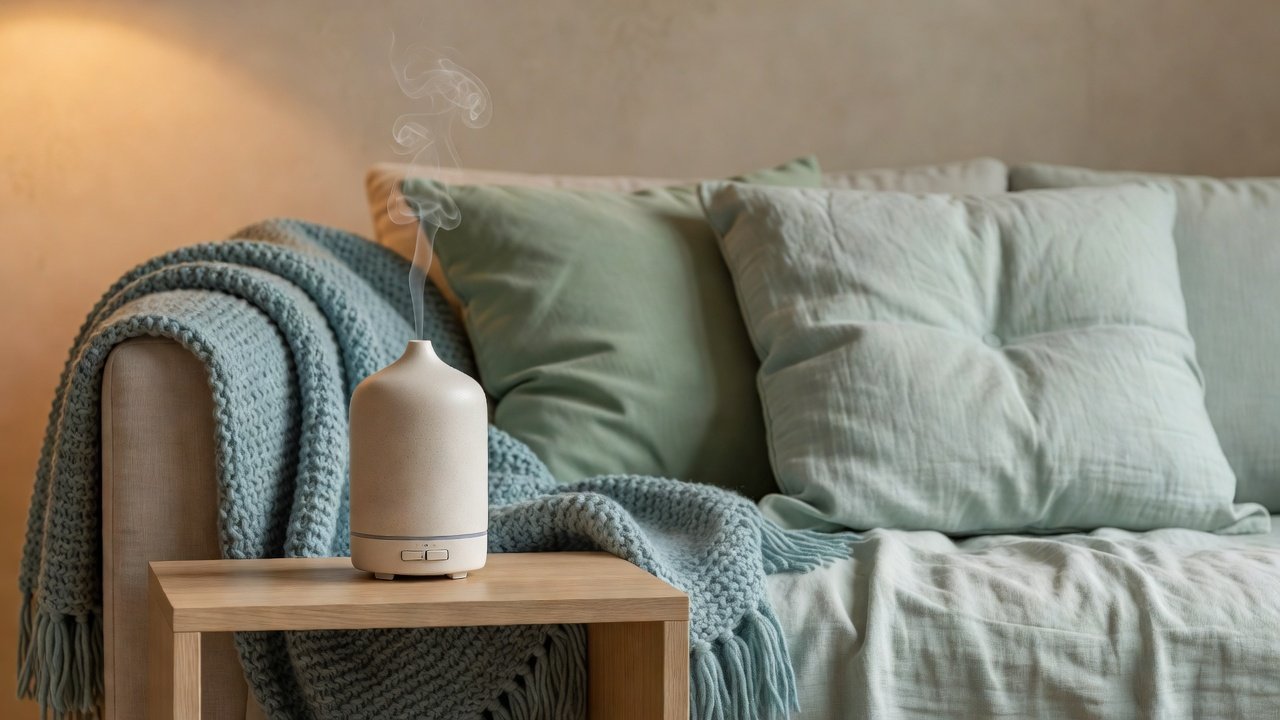
Combine ambient, task, and accent lighting. Place lamps at varying heights to avoid flat illumination. For sound machines or diffusers, position them near low-light sources to create a cohesive sensory experience. Consider installing multiple circuits so different zones can be lit independently, allowing customization for reading, conversation, or quiet reflection.
Integrating Natural Scents into Your Space
Scent plays a key role in wellness. Use essential oil diffusers with lavender, eucalyptus, or citrus blends to purify air and evoke spa freshness. Choose reed diffusers or ceramic options for continuous, subtle release without synthetic fragrances. The Environmental Protection Agency notes that improving indoor air quality supports respiratory health, making natural scent choices especially beneficial.
Materials like natural wood trays or stone holders complement these elements while aligning with calming palettes. Rotate scents seasonally to maintain interest and therapeutic benefits. Place diffusers away from direct sunlight to preserve oil integrity.
Arranging Plush Seating for Comfort
Seating arrangements should encourage lounging and connection. Select oversized sofas in performance fabrics, layered with throw blankets and supportive cushions. Modular pieces allow flexibility for different relaxation needs. Consider ergonomic support features such as adjustable headrests to enhance comfort during extended periods of rest.
Position seating to face natural light sources or focal points like fireplaces. Add ottomans for elevated leg support, enhancing the restorative quality of the room. Experiment with conversation groupings versus individual relaxation nooks to suit household dynamics.
Material Recommendations and Remodeling Steps
Choose sustainable materials such as organic cotton, reclaimed wood, and low-VOC paints for health-focused upgrades. These reduce indoor pollutants and support long-term durability. When remodeling, begin with structural assessments to identify opportunities for improved insulation or window treatments that enhance light control.
Remodeling steps include: assess existing layout, select materials, install lighting and scent systems, then finalize with textiles. Test layouts with temporary arrangements before committing to permanent changes. Document progress with photos to track transformations and inspire future adjustments.
Budget Versus Luxury Options Comparison
Budget approaches focus on DIY paint refreshes, affordable LED lighting kits, and simple fabric upgrades for noticeable impact. Luxury options incorporate custom millwork, high-end textiles, and integrated smart systems for seamless control. Both deliver wellness benefits; the difference lies in scale and finish quality. Homeowners can blend elements, starting with accessible changes and scaling up over time.
Before-and-After Case Studies
One suburban home transformed a cluttered living room by shifting to a neutral palette and adding layered lighting. The result: improved family relaxation reported within weeks. Another urban apartment used plush modular seating and natural diffusers to create a retreat-like feel, enhancing daily recovery from work stress. A third example involved a family that replaced harsh ceiling fixtures with wall-mounted options and reported better evening conversations and reduced eye strain.
Expert Tips on Incorporating Sound Machines or Diffusers
Sound machines with white noise or nature sounds complement visual elements by masking household distractions. Pair them with diffusers on the same side table for synchronized sensory input. Experts recommend starting with low volumes and mild scents to avoid overstimulation. Test combinations during different times of day to find the optimal balance for your household.
FAQs on Maintenance and DIY Feasibility
How often should diffusers be cleaned? Weekly maintenance prevents buildup and maintains scent purity.
Are these upgrades suitable for renters? Many elements like lighting swaps and textile layers are fully reversible and DIY-friendly.
What maintenance do plush fabrics require? Regular vacuuming and spot cleaning preserve appearance without professional intervention.
Can I complete these projects without professional help? Most lighting and paint updates are achievable with basic tools, though complex electrical work should involve certified electricians for safety.
Conclusion
Spa-inspired living room designs offer powerful wellness upgrades for 2026. By focusing on lighting, scents, seating, and palettes, homeowners create restorative spaces that support daily well-being. Begin with small, targeted changes to experience the benefits of these thoughtful interior upgrades and enjoy a more tranquil home environment year-round.
No comments yet. Be the first!