 Fixated on Home
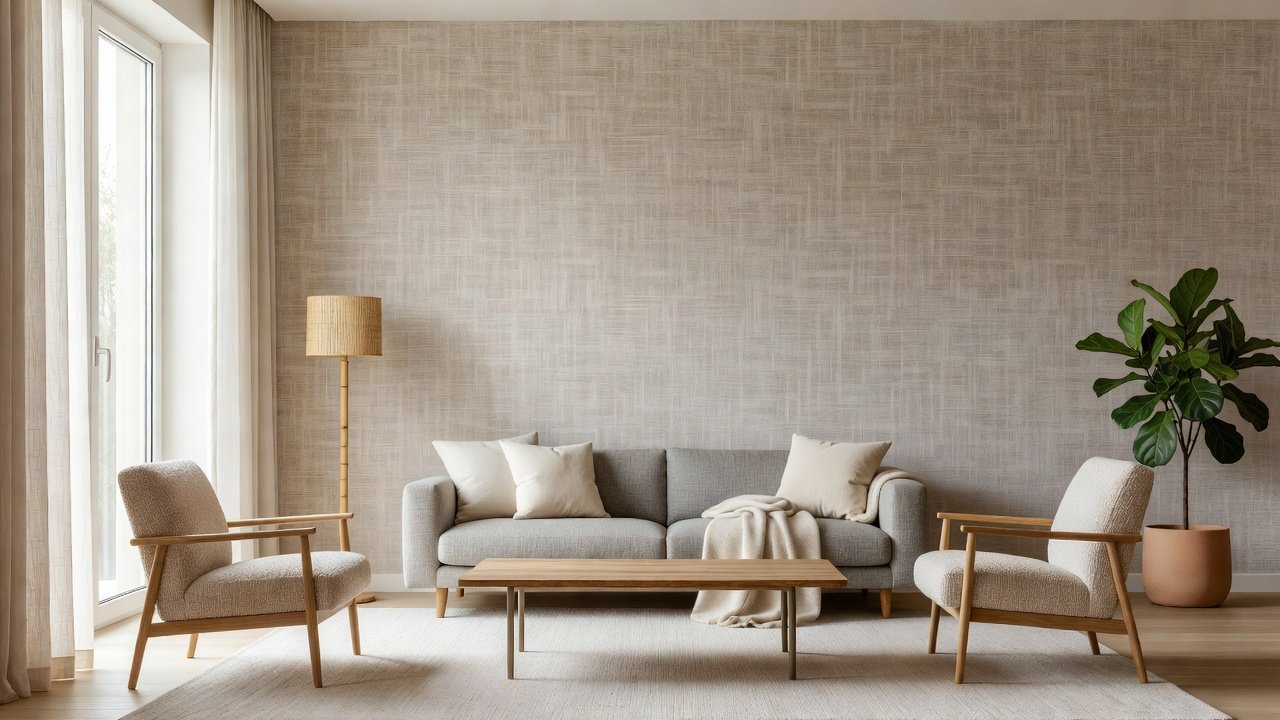
Introduction to 2026 Living Room Wallpaper Trends
Homeowners seeking meaningful interior upgrades in 2026 are embracing wallpaper as a powerful tool for transforming living rooms. Unlike paint, wallpaper introduces texture, pattern, and dimension that can completely redefine a space. This comprehensive guide walks through every stage of the process, from choosing materials aligned with current trends to executing a flawless installation that stands the test of time. The focus remains on beginner-accessible techniques that deliver professional results while prioritizing sustainability and practicality.
Current design movements highlight textured surfaces and environmentally responsible materials. These options not only enhance visual appeal but also support healthier homes by minimizing harmful emissions. Whether the goal is a subtle refresh or a dramatic statement wall, wallpaper offers unmatched versatility for blending style with everyday function.
Exploring 2026 Wallpaper Trends for Living Rooms
Textured wallpapers such as embossed vinyl, grasscloth, and fabric-backed varieties create depth and conceal minor surface flaws. Eco-friendly selections crafted from recycled content or printed with water-based inks reflect growing demand for sustainable decor. These materials pair beautifully with neutral color schemes featuring soft grays, warm beiges, and muted greens that complement a wide range of furniture styles.
Nature-inspired motifs, geometric accents, and subtle metallic threads continue to gain traction. Homeowners often combine an accent wall with solid or lightly patterned surrounding walls to avoid visual overload. Such approaches allow living rooms to feel both contemporary and inviting, adapting easily to seasonal decor changes.
Peel-and-Stick vs Traditional Wallpaper: A Comparison
Peel-and-stick wallpaper provides a low-commitment solution perfect for those who enjoy changing designs frequently. Its repositionable adhesive simplifies alignment and removes cleanly from most surfaces. Traditional wallpaper, applied with paste, offers greater longevity and resistance to wear in busy households.
Key differences emerge in installation requirements and durability. Peel-and-stick performs best in dry environments and on smooth walls, while traditional papers excel in high-traffic areas when paired with quality adhesives. Both categories now include advanced eco-friendly lines that maintain performance without compromising health standards.
- Peel-and-stick pros: quick application, no mess, easy removal.
- Traditional pros: stronger bond, wider pattern selection, longer lifespan.
- Consider wall texture and humidity before deciding.
Essential Tools and Materials for Installation
Successful projects begin with the right equipment. Essential items include a laser level for straight lines, a sharp utility knife with extra blades, a large smoothing tool to eliminate bubbles, and a measuring tape for precise cuts. Drop cloths protect flooring, while painter’s tape secures edges during prep.
For traditional installations, add a paste bucket, wide brush, and seam roller. Always choose primers formulated specifically for wallpaper to improve adhesion and simplify future removal. Investing in quality tools reduces frustration and produces cleaner results across both peel-and-stick and pasted applications.
Step-by-Step Surface Preparation
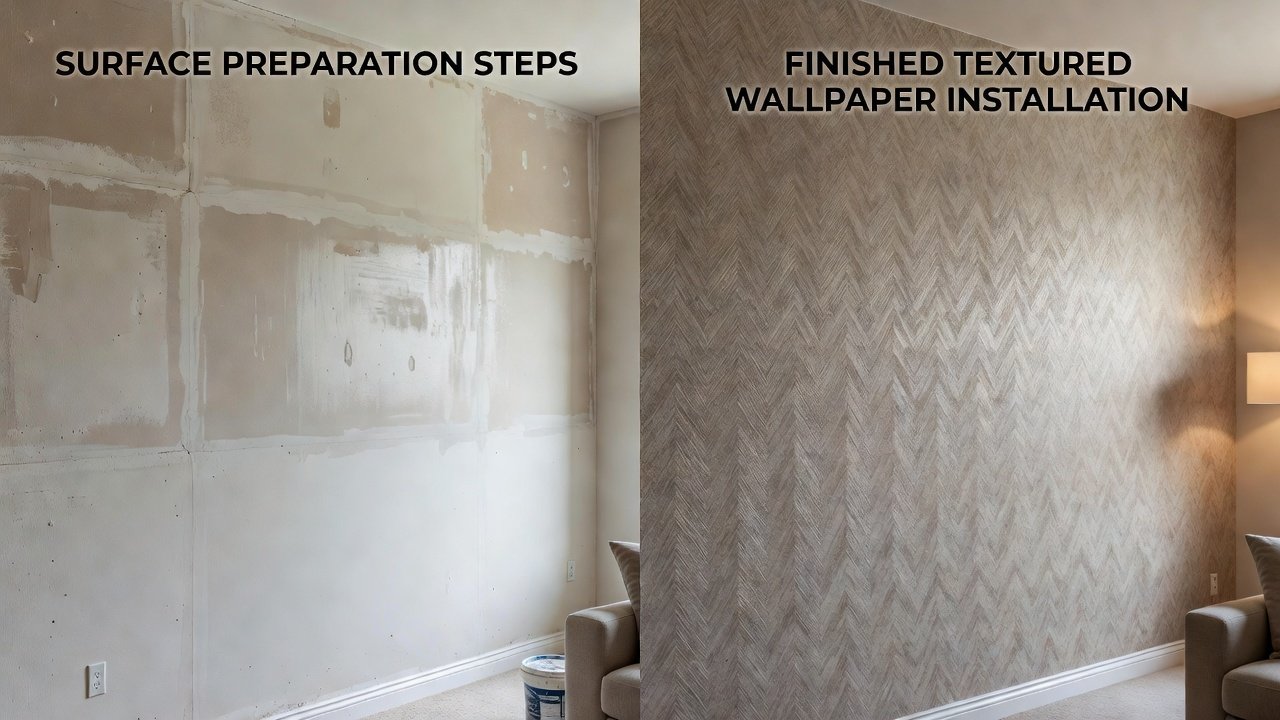
Thorough preparation prevents the majority of installation failures. Start by washing walls with a mild detergent solution to remove grease, dust, and residue. Fill cracks and nail holes with lightweight spackle, then sand until perfectly smooth. Apply a wallpaper-specific primer in even coats and allow full drying time, typically 24 hours.
Check for moisture issues using a simple meter or by taping plastic sheeting overnight. Address any dampness before proceeding. This foundational work ensures wallpaper adheres evenly and lasts for years without peeling or bubbling at the edges.
Installation Process for Beginners
Begin by measuring wall height at multiple points and adding several extra inches for trimming. Cut all panels in advance, numbering them sequentially. Establish a true vertical line using a level near a corner to guide the first panel. Hang peel-and-stick sheets from the top down, pressing gradually while smoothing outward. For traditional papers, apply paste evenly, book the panel, then position and roll seams firmly.
Work in manageable sections to maintain pattern alignment. Trim excess at ceilings and baseboards with a sharp blade. Allow the room to remain undisturbed for at least 24 hours after completion so adhesives set properly.
Common Mistakes to Avoid
Many first-time installers encounter preventable problems. Skipping wall cleaning causes adhesion failure within weeks. Overlapping seams without precise pattern matching produces noticeable lines. Ignoring temperature and humidity recommendations leads to shrinkage or lifting. Using dull blades tears material instead of cutting cleanly. Rushing the process often results in trapped air pockets that become visible over time.
Review manufacturer instructions for each product and test a small sample area when possible. Taking extra time during preparation and alignment pays dividends in the finished appearance.
Real-Room Examples and Visual Transformations
A compact urban living room gained warmth and sophistication through a textured neutral wallpaper on the main seating wall. The before image showed flat, dated paint; the after revealed layered depth that made the space feel larger and more curated. In a larger suburban home, an eco-friendly botanical pattern defined a reading nook without overpowering the open floor plan.
These transformations demonstrate how strategic wallpaper placement enhances architectural features while integrating with existing furnishings. Documenting progress with photos helps track improvements and provides reference for future projects.
Budget Considerations and Practical Remodeling Tips
Focus spending on high-impact areas such as accent walls rather than entire rooms. Quality primers and tools deliver better long-term value than the least expensive materials. Combine wallpaper updates with minor lighting adjustments or textile refreshes to achieve a cohesive new look without major expense.
Schedule work during moderate weather for optimal working conditions. Clear the space completely beforehand to avoid damage to furniture or interruptions during critical steps.
Maintenance and Long-Term Care
Regular dusting with a soft brush or microfiber cloth preserves appearance. Spot-clean using gentle, non-abrasive solutions recommended by the manufacturer. Avoid excessive moisture near seams. With proper care, well-installed wallpaper maintains its beauty for a decade or longer in typical living room settings.
Frequently Asked Questions
How durable is wallpaper in high-traffic living rooms?
High-quality traditional papers and reinforced peel-and-stick varieties withstand daily use when installed correctly. Protective topcoats further extend lifespan in family spaces.
Can wallpaper be removed without damaging walls?
Modern peel-and-stick products often release cleanly. Traditional papers respond well to scoring and steam removal when original prep was thorough.
Are eco-friendly wallpapers truly sustainable?
Look for third-party certifications confirming recycled content and low emissions. Guidance from EPA helps identify responsible choices that support indoor air quality.
What maintenance does living room wallpaper require?
Routine dusting and occasional gentle cleaning suffice. Address spills immediately to prevent staining.
How do I choose the right pattern scale for my room size?
Larger motifs suit spacious rooms, while smaller repeats work better in compact spaces. Test samples on the actual wall before committing.
Is professional installation necessary for beginners?
Many homeowners successfully complete projects themselves following detailed guides. Complex patterns or large areas may benefit from professional assistance for optimal results.
Conclusion
Wallpaper offers homeowners an accessible path to meaningful living room upgrades that combine aesthetic impact with practical durability. By applying the preparation, installation, and care techniques outlined here, even first-time users can achieve results that enhance daily living for years to come.

No comments yet. Be the first!