 Fixated on Home
Why Wallpaper Is the 2026 Living Room Upgrade
Wallpaper has moved beyond paint as the go-to choice for homeowners seeking texture, pattern, and personality in living spaces. In 2026, bold designs dominate remodeling projects because they create instant focal points without structural changes. This guide walks through the most popular patterns, durable material choices, beginner-friendly installation, and ways to integrate wallpaper with existing decor for cohesive results. Unlike flat paint finishes, wallpaper adds dimension that changes throughout the day as light shifts across the room, making it ideal for living rooms where families gather and entertain.
Top Bold Pattern Types for 2026
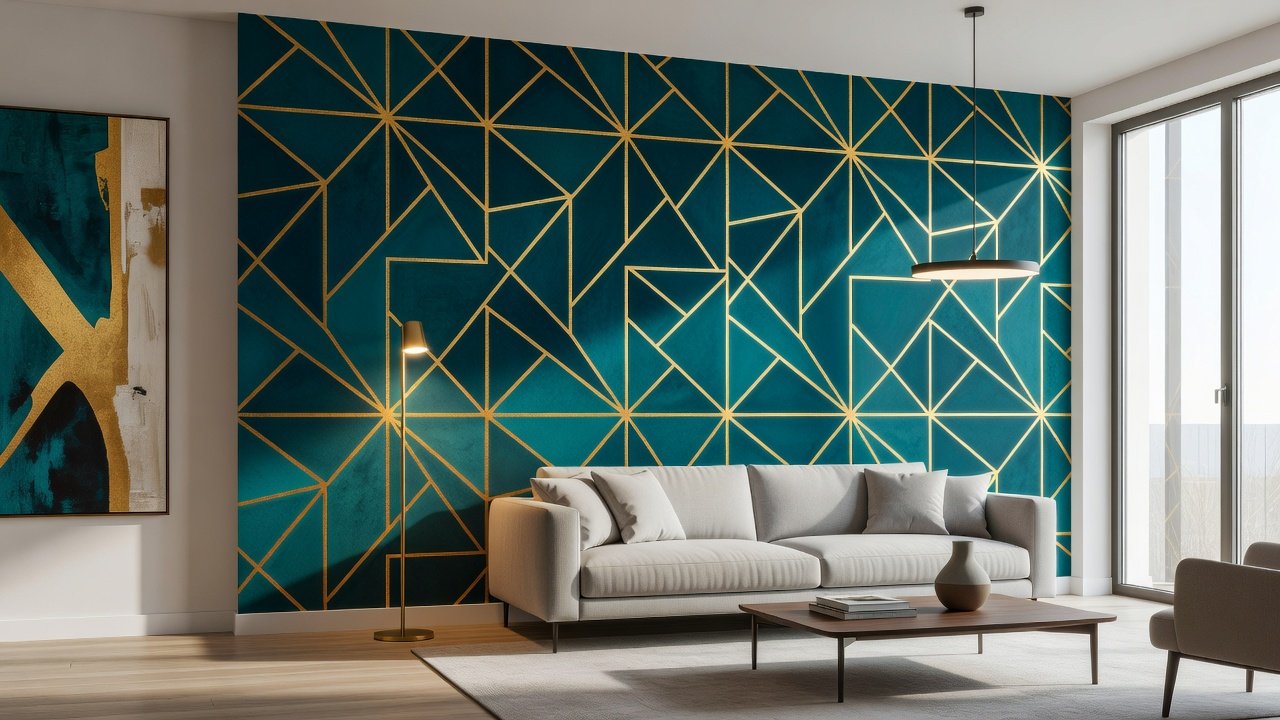
Designers favor oversized motifs that make a statement. Geometric patterns featuring interlocking shapes and metallic accents add modern energy. Botanical prints with oversized leaves and vines bring organic warmth. Abstract designs with fluid lines and saturated colors offer artistic flair. These options suit both minimalist and eclectic living rooms when scaled appropriately. Large-scale geometrics work especially well in open-concept spaces to define seating areas, while delicate botanicals soften traditional architecture. Abstract patterns allow for personal expression and pair beautifully with mid-century or contemporary furniture collections.
- Geometrics: Clean lines and repeating forms for contemporary rooms; consider hexagons or chevrons in metallic finishes for subtle glamour
- Botanicals: Lush foliage for biophilic appeal; tropical leaves or delicate ferns create a calming atmosphere
- Abstract: Bold brushstrokes and color blocks for creative expression; ideal for art-focused homeowners
Material Options Focused on Durability
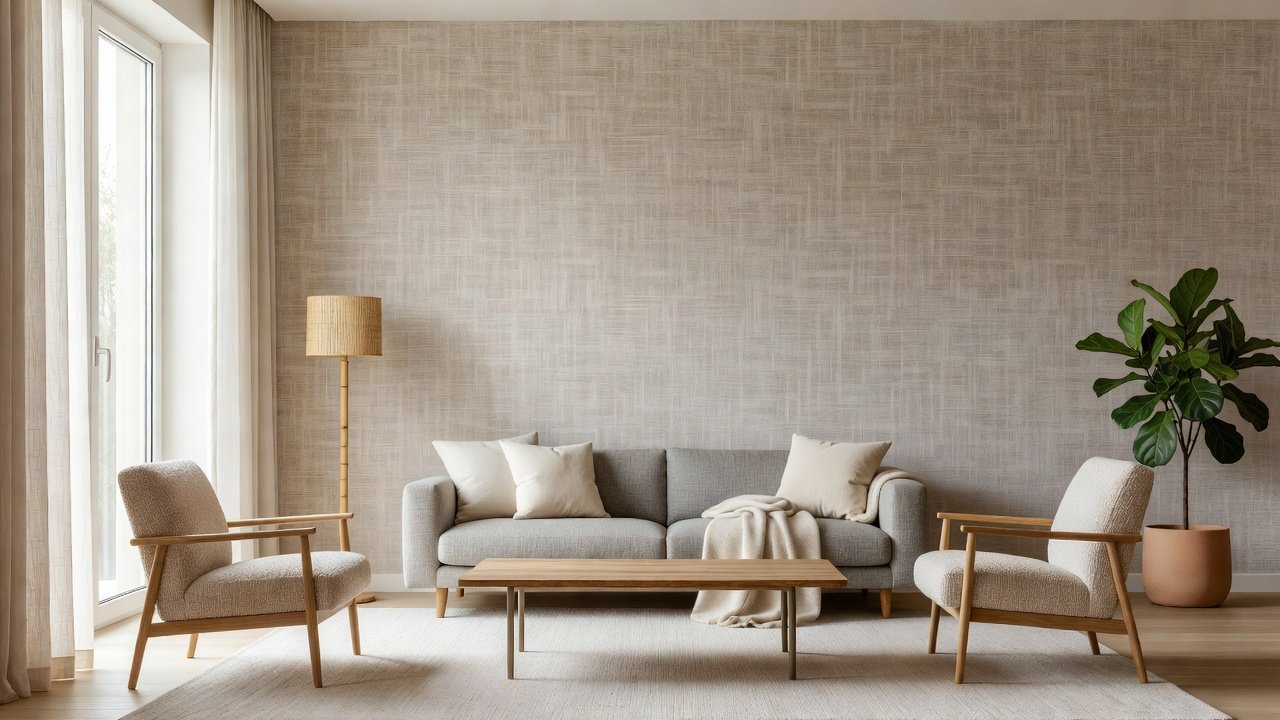
Choose vinyl-coated papers for high-traffic areas because they resist moisture and scuffs. Non-woven substrates allow easy removal during future updates. Fabric-backed options provide a premium tactile feel while maintaining strength. Always verify fire-retardant ratings for safety compliance in living areas. Vinyl options excel in homes with children or pets, while non-woven papers offer breathability that prevents mold in varying climates. Consider textured materials like grasscloth for natural depth or embossed designs that mimic plasterwork for a high-end appearance without custom millwork.
Step-by-Step Installation for Beginners
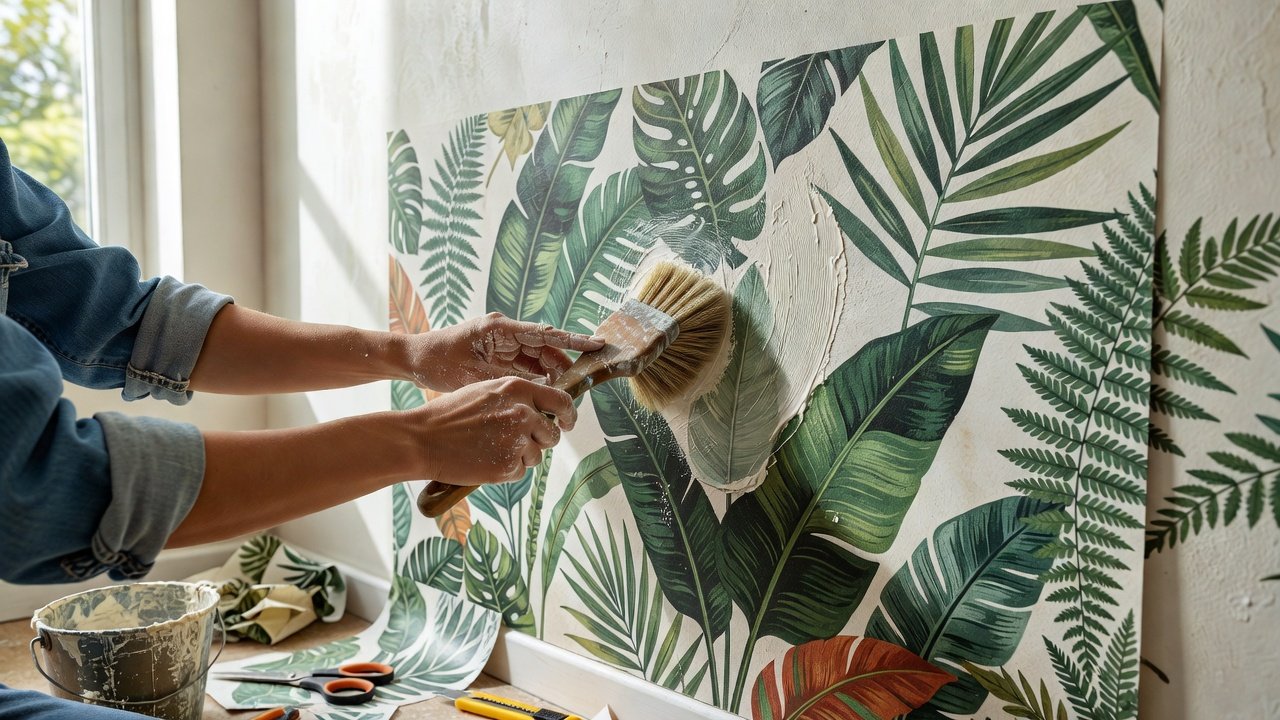
Preparation starts with cleaning walls and repairing imperfections. Measure the space twice to order the correct quantity. Apply primer to ensure adhesion. Hang the first panel plumb using a level. Smooth each strip with a wallpaper brush, trimming excess at ceiling and baseboard. Overlap seams slightly on patterned designs for perfect alignment. Gather essential tools beforehand including a sharp utility knife, seam roller, and drop cloths to protect flooring. Work in sections of one or two panels at a time to avoid adhesive drying too quickly. If working alone, use a laser level for straight lines and take breaks to assess alignment from different angles in the room.
Pairing Wallpaper with Existing Home Decor
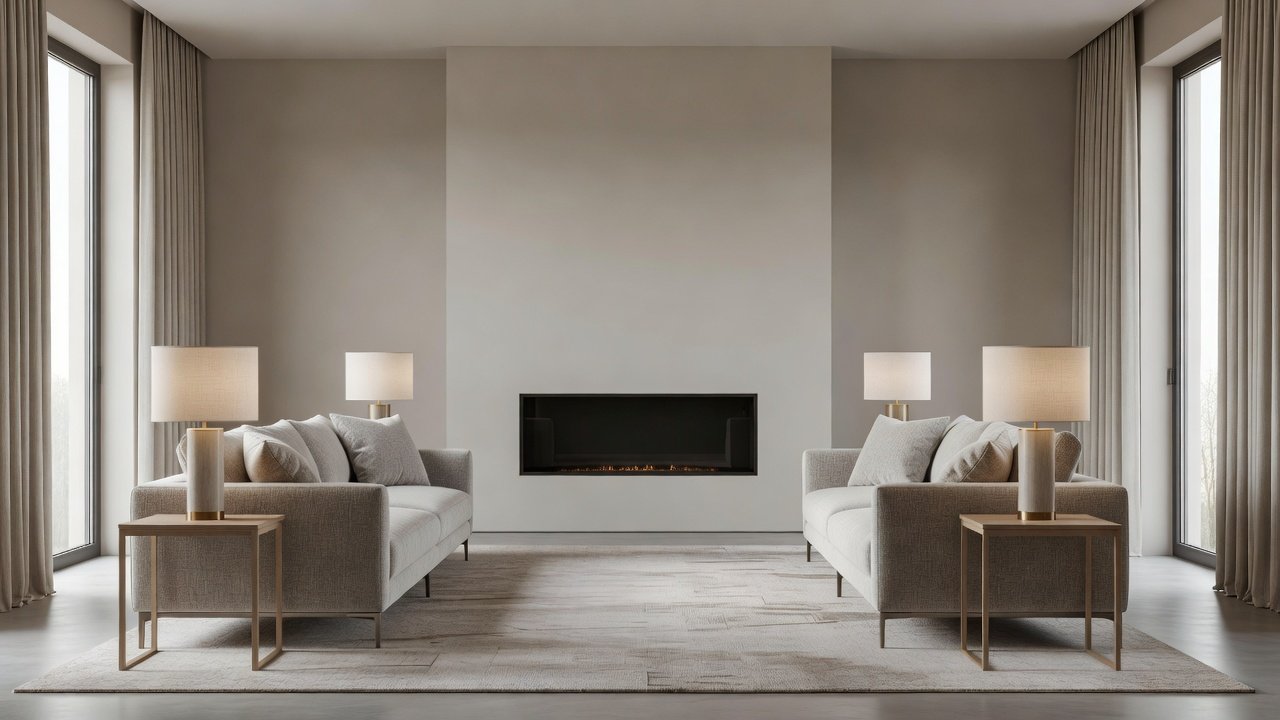
Balance bold wallpaper by echoing one dominant color in throw pillows or artwork. Layer neutral furniture against vibrant walls to let the pattern shine. Mix textures such as velvet seating with matte wallpaper finishes for depth. Test swatches in natural light before committing to a full wall. Consider the room's existing color palette and architectural details like crown molding or fireplace surrounds when selecting patterns. In rooms with heavy wood tones, opt for wallpaper that incorporates similar warm hues. For spaces with large windows, choose designs that complement curtain fabrics to create a pulled-together look.
Real-Room Examples and Visual Transformations
A mid-century living room refreshed with oversized geometric wallpaper on the accent wall instantly modernized the space while preserving original wood floors. In a coastal home, botanical prints paired with rattan accents created a serene yet lively atmosphere. Another example includes a compact urban apartment where abstract wallpaper behind a gallery wall added visual interest without overwhelming the small footprint. Before-and-after photos highlight how these changes shift the mood without major furniture replacement. Homeowners often report that the transformation feels more dramatic than expected, turning previously underused spaces into favorite gathering spots.
Budget Comparisons to Other Upgrades
Wallpaper often delivers high visual impact at lower cost than built-in shelving or new flooring. It outperforms paint in longevity and texture when quality materials are selected. Homeowners report greater satisfaction with pattern choices versus solid colors in long-term use. Compared to installing new lighting fixtures or reupholstering furniture, wallpaper provides a faster turnaround with immediate results that can be enjoyed daily. Many find it a practical middle-ground option between simple cosmetic updates and full renovations.
Practical Checklist Before Starting
- Assess wall condition and repair cracks or holes
- Calculate square footage accurately including extra for pattern matching
- Order extra rolls for pattern matching and future repairs
- Gather tools including smoothing brush, level, and utility knife
- Plan furniture protection during installation
- Check room temperature and humidity for optimal adhesive performance
- Review manufacturer instructions for specific product requirements
Choosing the Right Scale and Color
Scale matters significantly when selecting bold patterns. Oversized motifs suit larger walls, while smaller repeats work better in compact areas. Color selection should consider both natural and artificial lighting. Cool tones create calm, while warm hues energize the space. Always request large samples to view in your specific environment over several days.
Maintenance and Longevity Tips
Regular dusting with a soft brush attachment on a vacuum keeps wallpaper looking fresh. For spot cleaning, use manufacturer-recommended solutions and test in an inconspicuous area first. Quality installations can last ten years or more with proper care, making them a worthwhile investment for frequent entertainers.
FAQ: Common Mistakes and Maintenance
What is the biggest installation mistake?
Skipping wall preparation leads to bubbles and peeling. Always prime and clean surfaces first.
How do you maintain wallpaper?
Gentle dusting with a microfiber cloth preserves finishes. Spot clean vinyl types with mild soap as needed.
Can wallpaper work in humid climates?
Yes, when selecting moisture-resistant vinyl options and ensuring proper ventilation.
How do you fix minor damage?
Small tears can often be repaired with matching scraps and seam adhesive; larger issues may require panel replacement.
Conclusion
Bold wallpaper transforms living rooms in 2026 with personality and durability. Follow the patterns, materials, and installation steps outlined here to achieve professional-looking results. Explore further inspiration at Architectural Digest and House Beautiful for additional design ideas.
No comments yet. Be the first!