 Fixated on Home
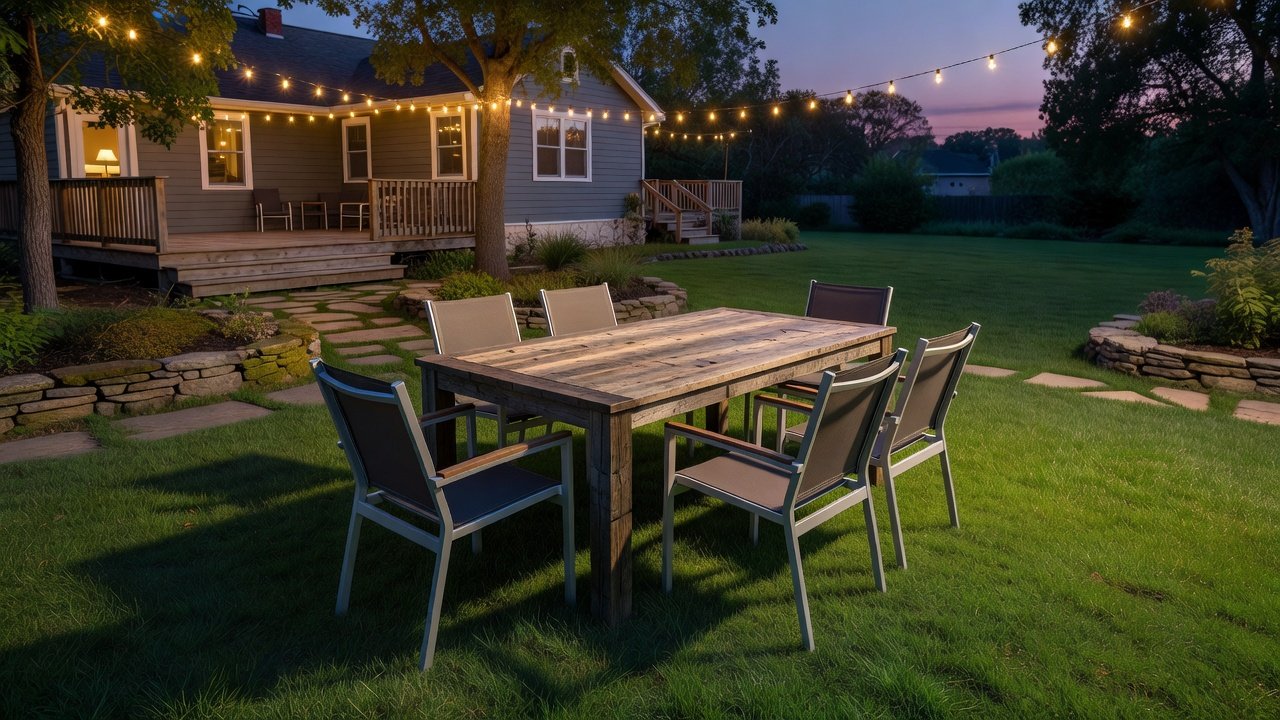
Introduction to Custom Outdoor Tables for Fixer-Uppers
Fixer-upper properties often come with neglected yards that need both functional upgrades and visual appeal. Building your own custom outdoor tables in 2026 allows homeowners to create pieces that match modern trends in sustainable design while improving curb appeal. These projects blend practicality with creativity, turning uneven or dated outdoor spaces into inviting areas for dining and entertaining. Homeowners tackling fixer-uppers frequently discover that a custom table serves as more than furniture—it becomes a statement piece that ties together landscaping, patios, and seating areas. With rising interest in eco-friendly living, 2026 emphasizes materials that reduce environmental impact without sacrificing strength or style.
Whether your yard features patchy grass or cracked patios, a well-crafted table can serve as a focal point. This guide covers material selection, assembly steps, budget considerations, real-world examples, and ongoing care to ensure longevity. By following these instructions, you can achieve professional results even with limited prior experience, adapting designs to suit your specific property constraints and aesthetic preferences.
2026 Trends in Sustainable Outdoor Design
Current outdoor design favors reclaimed woods, low-VOC finishes, and modular pieces that adapt to changing needs. Sustainable materials now dominate because they align with broader home improvement goals of reducing waste and energy use. Many fixer-upper projects incorporate elements like built-in planters or integrated lighting to enhance usability after dark. These trends encourage personalization while prioritizing durability against weather extremes.
Exploring local sourcing helps minimize transportation emissions and supports community businesses. Homeowners report greater satisfaction when tables reflect personal style rather than mass-produced alternatives. Integrating native plants around the table further boosts curb appeal and creates a cohesive yard transformation.
Choosing Sustainable Materials in 2026
Weather-resistant woods like cedar, teak, or thermally modified pine stand out for outdoor durability. Composites made from recycled plastics offer low-maintenance alternatives that resist rot and insects. When selecting materials, prioritize those certified for sustainability to align with current environmental standards. Learn more about sustainable building practices from the EPA.
Compare options by weighing natural wood's aesthetic warmth against composites' consistency. For fixer-uppers on tight timelines, composites reduce finishing time while still delivering a premium look. Consider factors such as color retention, expansion rates in heat, and compatibility with hardware. Reclaimed lumber adds character but requires thorough inspection for nails or damage before use. Thermally treated woods provide an eco-friendly middle ground with enhanced stability.
Essential Tools and Preparation
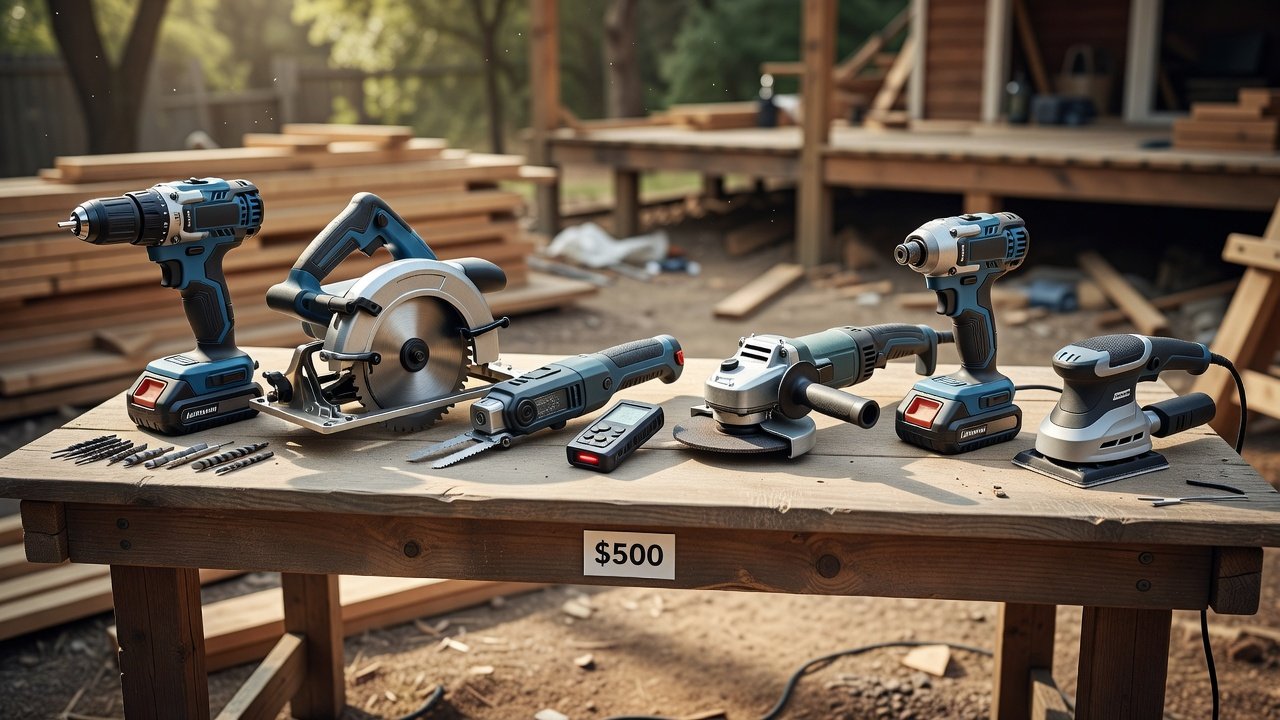
Before starting, gather these tools: circular saw, drill with bits, sander, measuring tape, clamps, level, and safety gear. A miter saw helps with precise cuts for angled designs. Preparation also includes site assessment—measure your space and note ground slope for proper leveling later. Always wear protective eyewear and gloves to prevent injuries during cutting and sanding phases.
Sketch your table design on paper or digitally, factoring in seating capacity and surrounding furniture. This step prevents costly mistakes during cutting. Test-fit pieces on the actual site to account for any irregularities in the ground or nearby structures. Organizing tools by task order streamlines the workflow and reduces downtime.
Step-by-Step Assembly Instructions
Begin by cutting all pieces to size according to your plan. Sand edges smooth to avoid splinters. Assemble the base first using sturdy joinery like mortise-and-tenon or pocket screws for strength. Ensure each leg is plumb before proceeding to cross supports.
Attach the tabletop next, ensuring even spacing if using slats. 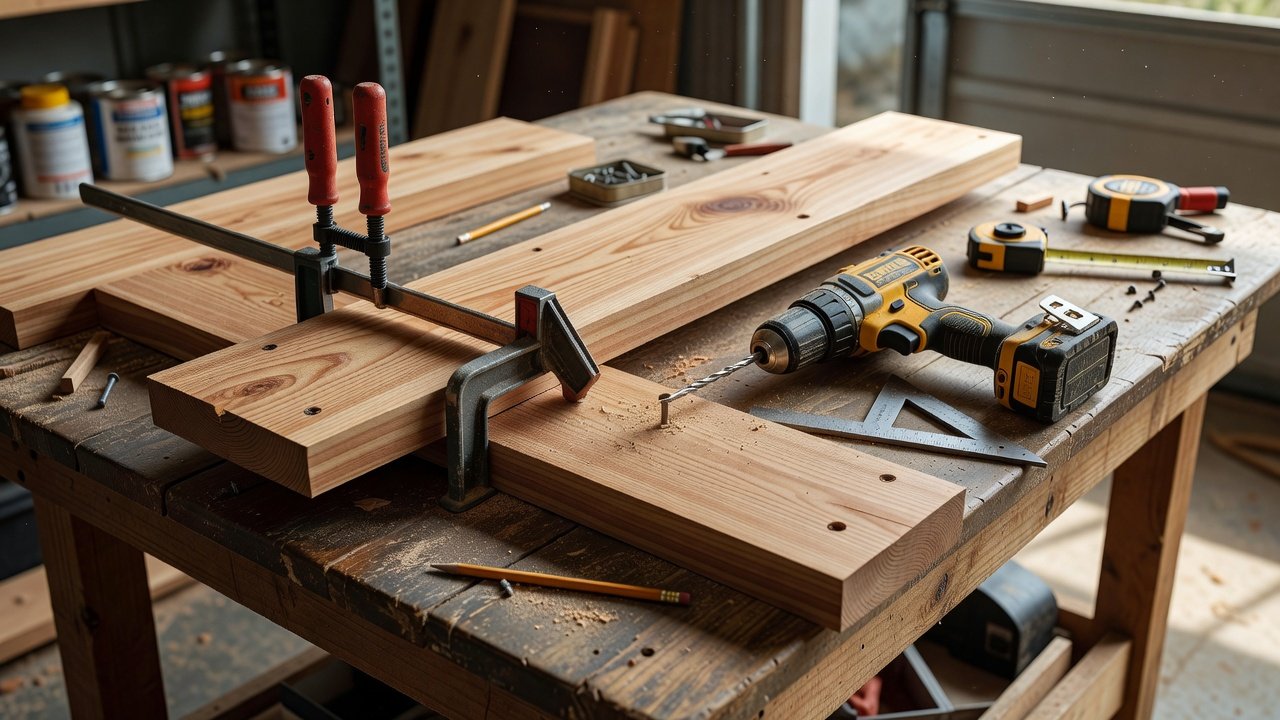
Joinery Techniques Compared
- Pocket screws: Fast and beginner-friendly, ideal for quick builds on fixer-uppers. They hide well under plugs and provide solid holding power for most table sizes.
- Mortise and tenon: Provides superior strength for heavy-use tables but requires more skill. This traditional method excels in high-traffic areas where vibration could loosen simpler fasteners.
- Biscuit joints: Good for alignment on flat surfaces like tabletops. They add stability without visible hardware and work well when combined with glue.
- Dowel joints: Offer a clean look and good shear strength when properly aligned, suitable for mid-range projects.
Choose based on your experience level and desired lifespan of the piece. Practice on scrap wood first to perfect technique.
Real-World Examples from Recent Transformations
Homeowners in suburban areas have successfully integrated custom tables into yard renovations. One project converted a sloped backyard into a multi-level patio with a large cedar table as the centerpiece, complete with matching benches. Another used composite materials to match a modern deck addition, creating a cohesive outdoor living space that withstood seasonal changes. A third example involved scaling a compact table for a narrow urban lot, incorporating foldable extensions for occasional larger gatherings.
Budget Planning for Various Projects
Scale your build to available resources. Low-budget versions use basic pine with simple designs, while mid-range options incorporate better woods or composites. Always source materials from local suppliers to minimize transport costs and support regional economies. Planning purchases in phases allows flexibility if unexpected yard issues arise during renovation.
Maintenance Tips for Longevity
Apply weatherproof sealant annually and store cushions indoors during harsh seasons. Inspect joints seasonally for loosening caused by temperature changes. For composite tables, occasional cleaning with mild soap suffices. Store the table under cover during extreme winter months to extend its life. Address minor scratches promptly to prevent moisture penetration in wooden versions.
Handling Common Challenges
Uneven ground requires adjustable feet or shims under legs. For small spaces, opt for foldable or modular designs that tuck away when not in use. Scaling down dimensions keeps proportions balanced without sacrificing stability. When working with reclaimed materials, account for variations in thickness by planing surfaces evenly beforehand. Always verify local building codes if adding permanent features like embedded lighting.
FAQ
How do I level a table on uneven ground? Use adjustable leg levelers or cut legs to match the slope after dry-fitting. Test stability with weights before final assembly.
Can I build for very small yards? Yes, narrow console-style tables or bistro sets maximize limited areas effectively while maintaining functionality.
What if I lack advanced woodworking skills? Start with pre-cut kits or simpler screw-together designs before advancing to complex joinery. Online tutorials provide visual guidance for each step.
How often should I reseal the wood? Reapply sealant every 12 months or when water no longer beads on the surface, depending on exposure levels.
Are composites worth the higher initial cost? They require less upkeep over time and resist fading, making them suitable for busy households.
Conclusion
Creating custom outdoor tables empowers fixer-upper owners to personalize their spaces sustainably. With careful planning and quality materials, these projects deliver lasting value and enjoyment. Explore wood resources from the USDA for additional guidance on material choices. Check Energy Star guidelines for efficient outdoor living ideas.
No comments yet. Be the first!