 Fixated on Home
Introduction to Equipping Your Workshop for Outdoor Projects
Homeowners tackling fixer-upper ideas and outdoor renovation projects in 2026 need reliable tools that balance durability, advanced battery technology, and multi-use value. Whether refreshing a deck, building raised garden beds, or repairing fences, the right equipment streamlines tasks while keeping costs manageable. This guide explores seven essential tools, selection criteria, cordless versus corded comparisons, safety integration, and maintenance strategies to help you succeed on projects ranging from simple repairs to full patio overhauls. Modern outdoor renovations benefit from innovations in lithium-ion batteries that offer longer runtime and faster charging cycles. Focus on tools with brushless motors for efficiency and reduced wear. A well-chosen kit supports common jobs like measuring, cutting, and fastening without frequent replacements, allowing beginners and experienced DIYers alike to achieve professional-grade results in their own yards.
Understanding the demands of outdoor work means selecting equipment resistant to weather elements such as moisture, dust, and temperature fluctuations. Investing time upfront in research pays dividends through fewer frustrations and higher-quality finishes on structures exposed to the elements year-round.
Key Criteria for Selecting Tools in 2026
When choosing tools, prioritize build quality using materials like magnesium housings for lighter weight without sacrificing strength. Battery platforms that allow interchangeability across devices reduce overall expenses and simplify charging routines. Look for IP-rated dust and water resistance suitable for outdoor conditions where tools may encounter rain or soil. Multi-use attachments, such as oscillating multi-tools with interchangeable blades for sanding, cutting, and grinding, maximize value especially in small yards with limited storage space. Consider ergonomics including vibration reduction features that minimize hand fatigue during extended sessions on larger projects like fence installations or pergola builds. Warranty coverage and availability of replacement parts from established manufacturers ensure longevity, while compatibility with existing tool ecosystems avoids redundant purchases. Always verify user reviews for real-world performance in similar climates before committing to a model.
The 7 Essential Tools
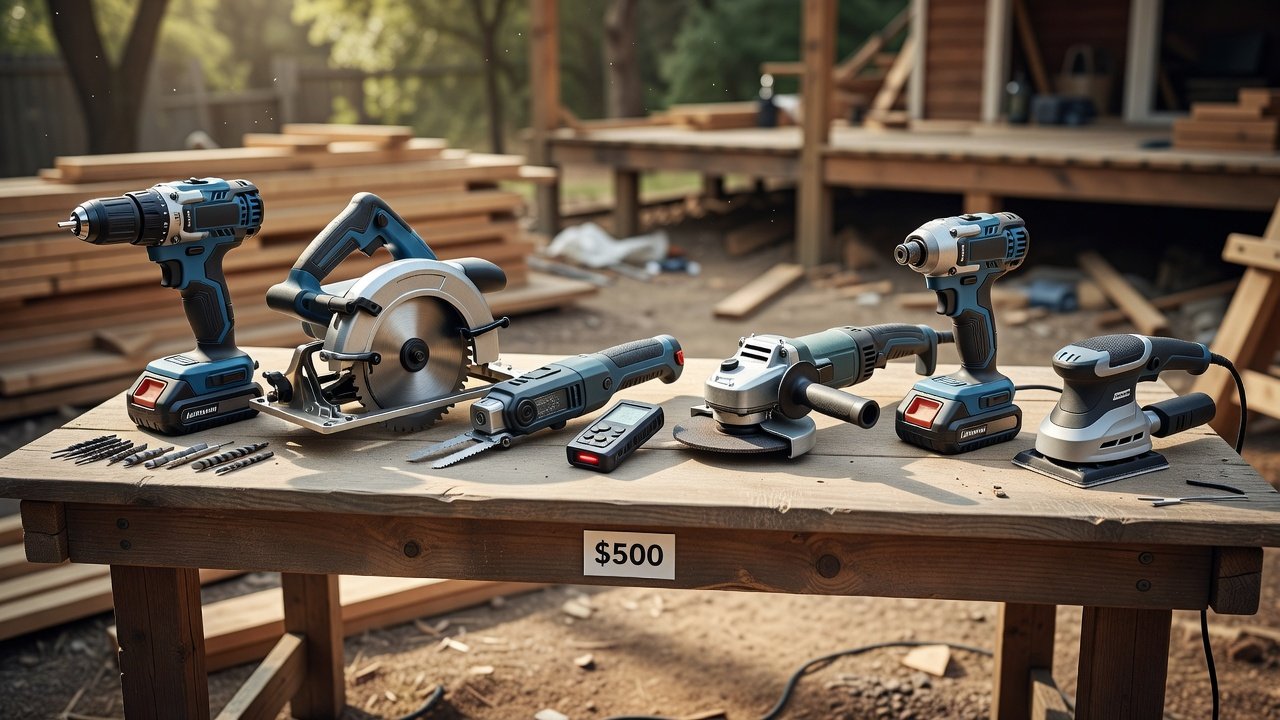
1. Cordless Drill/Driver
This versatile tool handles drilling pilot holes and driving screws for fastening tasks. Opt for models with adjustable torque settings to prevent over-tightening on wood or composite materials common in outdoor upgrades. Use it for assembling garden beds by pre-drilling to avoid splitting lumber, then switch to driving mode for secure joints.
2. Circular Saw
Ideal for straight cuts on lumber or plywood during deck builds. 2026 models feature improved laser guides for precision and lightweight designs that reduce user strain when making multiple cuts for railings or flooring.
3. Oscillating Multi-Tool
Perfect for detailed sanding, cutting, and scraping in tight spaces like fence repairs where a standard saw cannot reach. Its variable speed control allows delicate work on existing structures without damage.
4. Laser Measuring Tool
Replaces traditional tapes for quick, accurate distance readings on large patios or yards. It excels when calculating material needs for irregular shapes such as curved pathways or sloped terrain.
5. Angle Grinder
Handles grinding, cutting metal, and polishing stone surfaces in landscape features. Attach different discs to remove rust from old hardware or smooth concrete edges on new installations.
6. Cordless Impact Driver
Delivers high torque for stubborn fasteners in outdoor structures, making it faster than a standard drill for driving long lag screws into posts during pergola construction.
7. Random Orbital Sander
Prepares surfaces smoothly before staining or painting railings and furniture. Its random orbit pattern prevents swirl marks that could mar visible outdoor elements.

Cordless vs Corded Options: Practical Comparisons
Cordless tools provide mobility for working across a yard without extension cords, powered by 18V or 20V battery systems with enhanced runtime in recent releases. They excel in portability but may require spare batteries for extended sessions on demanding jobs. Corded versions deliver consistent power for heavy-duty cutting without battery anxiety, though they limit range and require careful cord management to avoid tripping hazards. For most homeowners, a hybrid approach—cordless for general use and corded for stationary tasks—offers the best flexibility. Test both types on sample projects to determine which suits your workflow, noting that cordless options have closed the performance gap significantly in 2026 through improved motor efficiency.
Budget Breakdown and Value Under Modest Investment
Assembling a core set remains achievable with strategic purchases focusing on essential items first. Prioritize quality over quantity to avoid frequent repairs or replacements. Factor in accessories like extra blades and bits that extend tool life across multiple seasons of outdoor use. Consider starter kits that bundle compatible batteries and chargers to stretch resources further while covering the main renovation needs without overspending on rarely used specialized equipment.
Integrating Safety Gear
Safety integrates directly with tool use. Always wear ANSI-rated eye protection, hearing defenders for power tools, and cut-resistant gloves when handling sharp materials. Dust masks or respirators protect against wood particles during sanding and cutting. Reference guidelines from OSHA for proper personal protective equipment selection in home projects. Additional recommendations from CDC emphasize hearing conservation and respiratory protection for prolonged exposure in dusty environments.
Step-by-Step Usage Examples
For measuring: Use a laser tool to mark deck post positions, double-checking diagonals for square alignment before digging holes. For cutting: Secure material on sawhorses, set circular saw depth to material thickness plus 1/8 inch, and guide steadily along the marked line while maintaining firm control. For fastening: Select the correct bit size, apply firm pressure with the impact driver, and drive screws flush without stripping the head. Practice these sequences on scrap pieces first to build confidence and accuracy before working on visible project components.
Maintenance Tips for Longevity
- Clean tools after each use to remove debris and prevent corrosion.
- Store batteries at room temperature and charge to approximately half capacity for long-term storage periods.
- Inspect cords, blades, and bits regularly for wear or damage and replace promptly.
- Lubricate moving parts per manufacturer instructions to maintain smooth operation.
- Calibrate laser tools periodically to ensure ongoing measurement accuracy.
Common Beginner Mistakes and Storage Solutions
FAQs address frequent issues: Beginners often skip reading manuals, leading to improper settings and reduced tool performance—always review instructions before first use on a new model. Overloading batteries shortens their lifespan; rotate multiple packs evenly during long projects. For small yards, wall-mounted pegboards or rolling tool chests keep items organized and protected from weather. Vertical racks maximize floor space efficiently while keeping frequently used items within easy reach. Another common error involves neglecting blade sharpness, which causes binding and potential kickback—replace or sharpen as needed. Proper storage in sealed containers prevents rust in humid outdoor environments, and labeling storage areas helps maintain an efficient workflow on future renovations.
Conclusion
With these seven tools and supporting practices, homeowners can confidently approach 2026 outdoor renovations. Start small, build skills through repeated practice on low-stakes tasks, and expand the collection as projects grow in complexity. Reliable equipment paired with safety awareness and regular maintenance delivers professional results on a homeowner scale. For additional safety resources, consult established authorities such as OSHA and CDC to stay informed on best practices.


No comments yet. Be the first!