 Fixated on Home
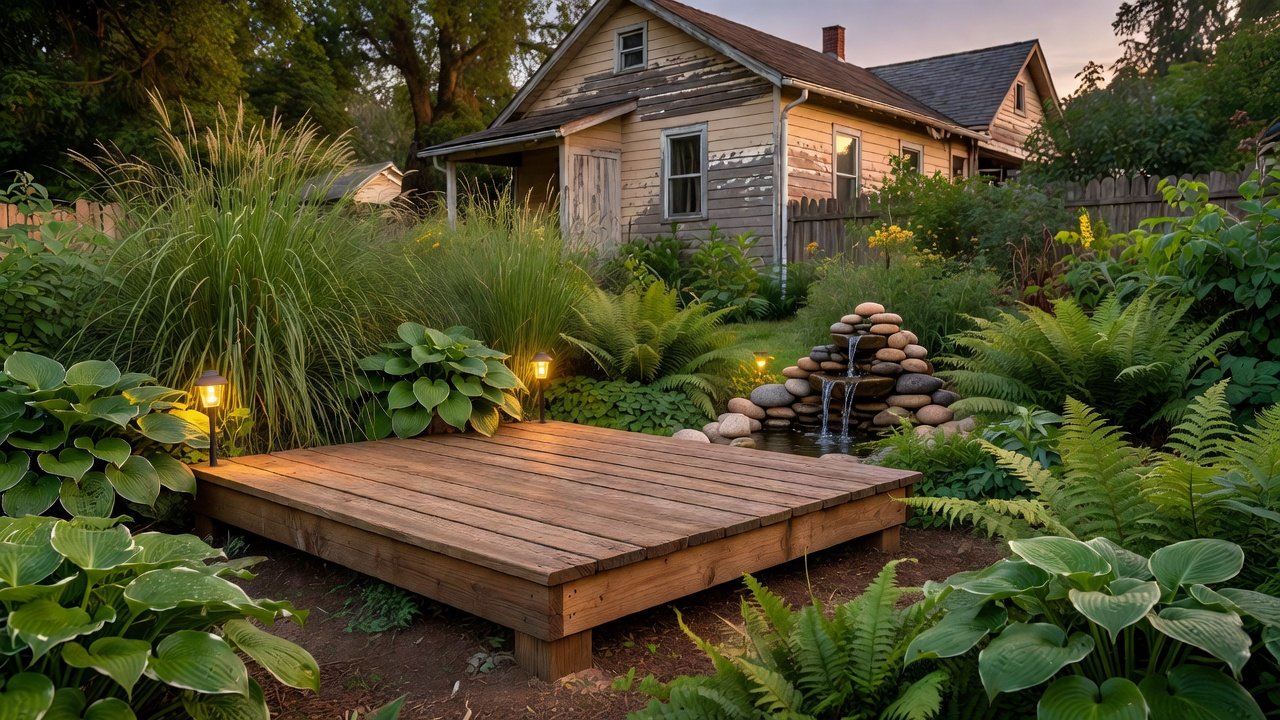
Introduction to 2026 DIY Outdoor Meditation Zones
Creating a personal outdoor meditation space transforms any fixer-upper property into a wellness sanctuary. In 2026, homeowners are blending relaxation with budget renovations to enhance mental health and property value. This beginner-friendly guide walks through planning, building, and customizing serene zones using affordable materials that support both daily mindfulness and long-term home improvements.
Whether your yard is small or expansive, these projects emphasize sustainable choices and simple construction techniques. Focus on blending natural elements with functional design for year-round use. Outdoor meditation zones have gained popularity as part of broader wellness trends, helping reduce stress while adding curb appeal to renovated homes. By following step-by-step instructions, you can achieve professional-looking results without hiring contractors.
Choosing the Ideal Site for Your Meditation Zone
Site selection determines the success of your outdoor meditation area. Look for level ground away from high-traffic zones like driveways or play areas. Consider sun exposure—morning light energizes while afternoon shade promotes calm. Assess privacy by noting neighboring views and existing trees or fences. Measure the space to ensure it fits your needs without crowding plants or pathways. Test soil drainage by digging a small hole and observing water absorption after rain. Poor drainage may require raised platforms to avoid mud issues.
Additional factors include wind patterns and proximity to utilities. In urban settings, position the zone near a quiet corner or behind existing shrubs. Rural properties might leverage natural slopes for tiered designs. Always check local regulations before starting any structural work.
Budget Planning and Material Lists Under $300
Keep costs manageable with strategic sourcing. A complete meditation zone can be built for under $300 as of 2026-09-15 using reclaimed or basic lumber, gravel, and native plants. Prioritize multi-use items like pressure-treated posts that double as benches. Shop local hardware stores or reuse materials from previous fixer-upper projects to stay within budget. Consider seasonal sales for plants and solar accessories.
- 4x4 wooden posts (8 feet): around $40 as of 2026-09-15
- Deck boards or composite planks: around $120 as of 2026-09-15
- Gravel and landscape fabric: around $50 as of 2026-09-15
- Native plants and mulch: around $60 as of 2026-09-15
- Solar lights and basic hardware: around $30 as of 2026-09-15
Alternatives include using pallet wood for edging or secondhand stones for accents. Track expenses in a simple spreadsheet to avoid overspending.
Step-by-Step Platform Construction
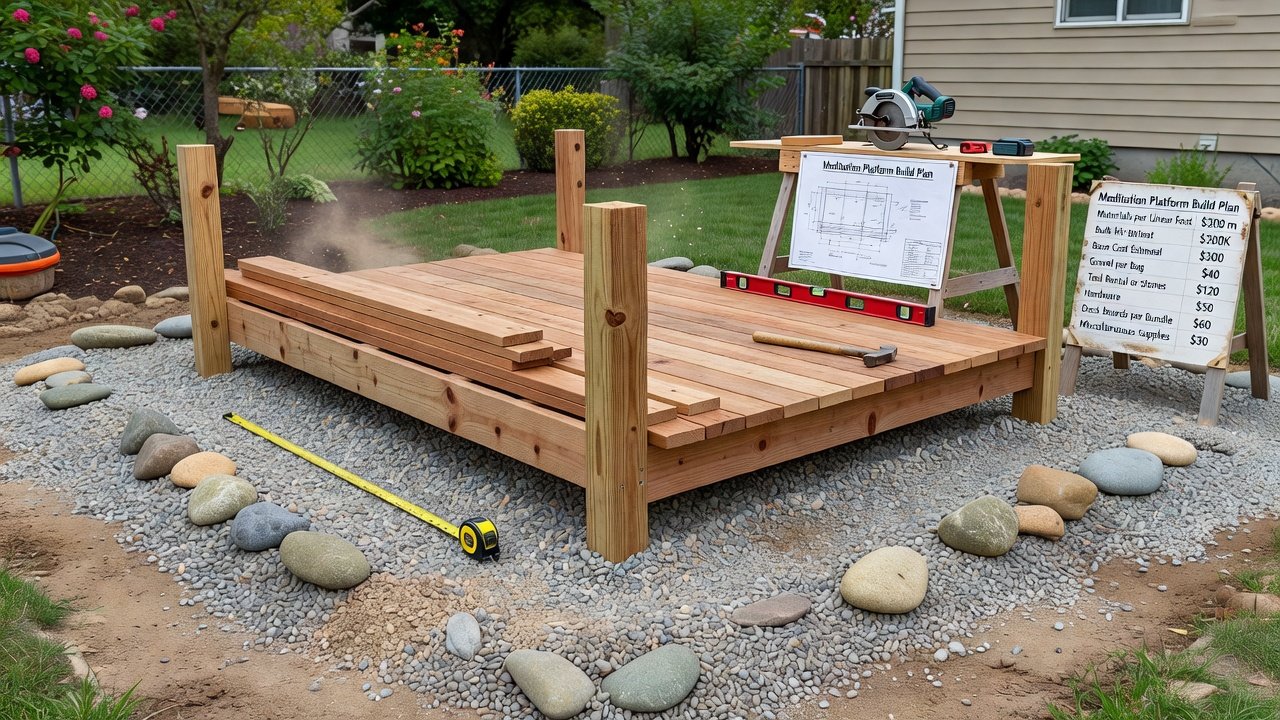
Build a simple raised platform for a stable meditation surface. Start by marking a 6x6 foot rectangle with stakes and string. Dig post holes 2 feet deep at each corner. Insert 4x4 posts, level them, and secure with concrete mix. Attach 2x6 joists around the perimeter, then add decking boards across the top. Sand all surfaces smooth and apply a weatherproof sealant. This base elevates you above damp ground and creates a defined space. Total build time is one weekend for most DIYers.
Prepare the ground first by clearing vegetation and laying landscape fabric to prevent weeds. Add a 4-inch gravel layer for stability. If building on a slope, adjust post heights accordingly. Safety tip: wear gloves and eye protection during cutting.
Incorporating Natural Elements Like Plants and Water Features
Enhance serenity with greenery and gentle water sounds. Choose low-maintenance native plants such as ferns, hostas, or lavender that thrive in your climate. Arrange them in clusters around the platform edges for a natural border. Add a small water feature using a recycled basin and pump. Position it nearby to mask ambient noise. Mulch pathways with wood chips to unify the design and suppress weeds.
For deeper guidance on plant selection, consult resources from the Arbor Day Foundation. Layer plants by height for visual depth, starting with ground covers and moving to taller shrubs. Water features can be solar-powered to eliminate wiring needs.
Lighting Options for Evening Meditation
Extend usability into evenings with subtle lighting. Solar-powered stake lights along paths provide gentle illumination without wiring. Add string lights overhead using existing trees or posts for a cozy canopy effect. Choose warm LED bulbs to avoid harsh glare. Timers ensure automatic shutoff for energy efficiency. This setup supports late-day mindfulness sessions while highlighting your fixer-upper transformation.
Experiment with lanterns or pathway markers for variety. Avoid bright floodlights that disrupt the peaceful ambiance.
Wood Versus Composite Base Comparison
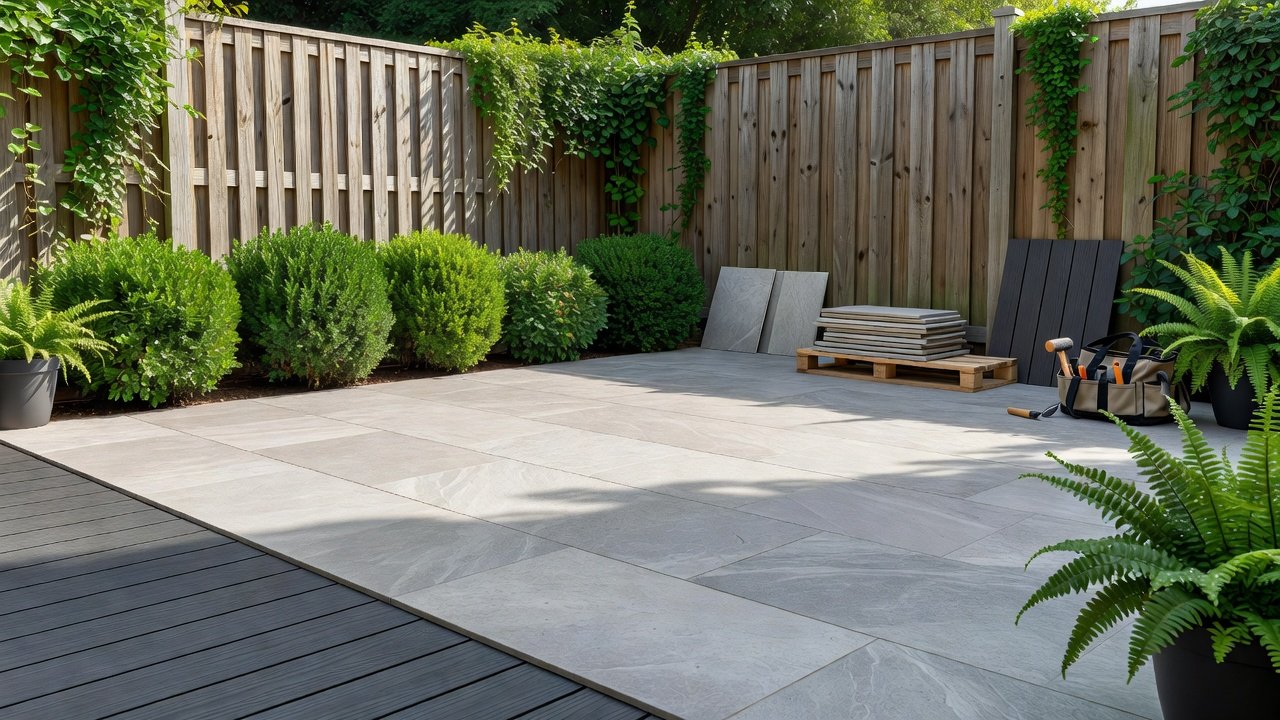
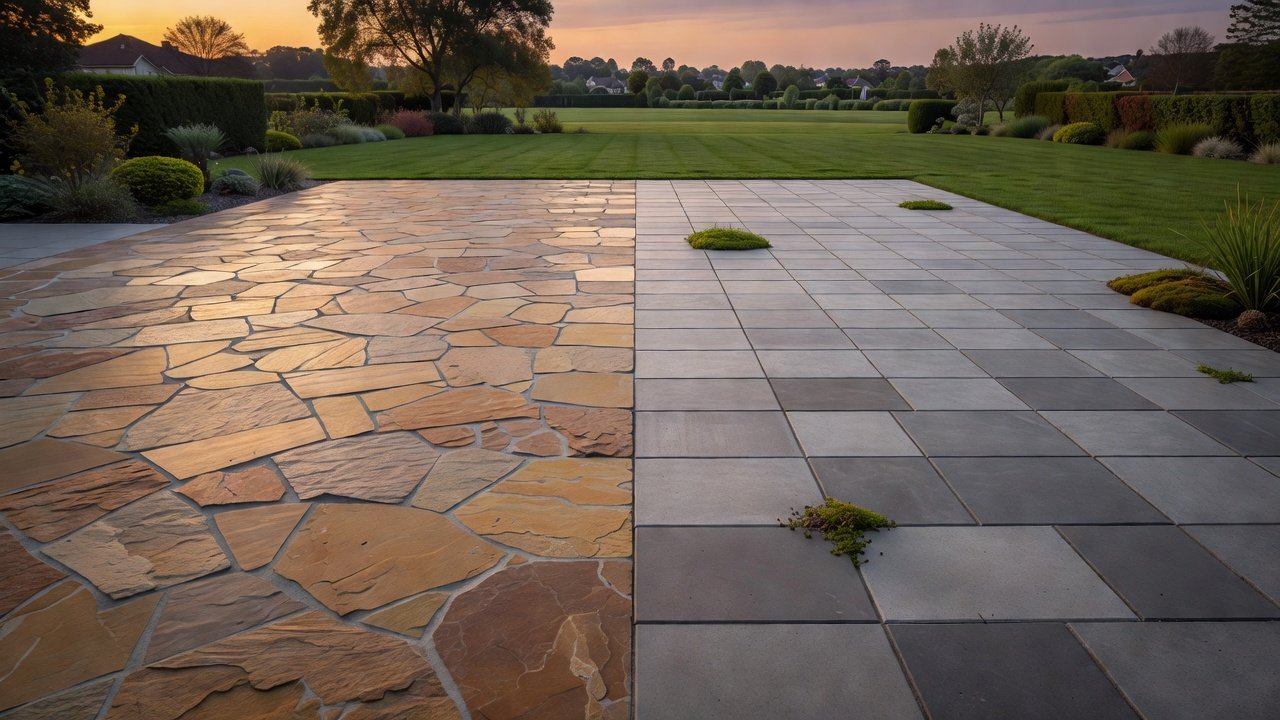
Wood offers classic aesthetics and lower upfront costs but requires annual sealing. Composite materials resist rot and fading with minimal upkeep, though they cost more initially. For budget projects, wood works well if properly treated. Composites suit high-moisture areas or those seeking longevity. Test both samples at a local supplier before deciding. Consider climate: wood performs better in dry regions, while composites excel in humid or coastal environments.
Before-and-After Examples and Scaling for Small Yards
One example transformed a neglected corner into a zen retreat: overgrown grass became a gravel base with a 4x6 platform, surrounded by potted bamboo. Another scaled down for a tiny urban yard by using a 4x4 platform and vertical planters. A third project in a suburban fixer-upper added a water element and seating, turning a bare patch into a family meditation spot. Adapt by reducing dimensions or incorporating wall-mounted elements. These changes maintain functionality while fitting tight spaces. Measure twice and start small if unsure about scale.
Maintenance, Weatherproofing, and FAQs
Regular upkeep keeps your zone inviting. Sweep debris weekly and inspect sealant every spring. For weatherproofing, elevate all wood and use UV-resistant fabrics on cushions. Store cushions indoors during harsh seasons.
Common Questions
How do I protect against rain and snow? Use covers or choose all-weather materials; elevate the platform at least 6 inches.
What if my yard is very small? Focus on vertical gardens and foldable seating to maximize limited square footage.
Is professional help needed? Most steps are beginner-friendly, but consult local codes for any structural additions.
How often should I replace plants? Native species typically last multiple seasons with proper watering.
Can I add seating or cushions? Yes, use weatherproof outdoor cushions stored when not in use.
Additional insights on outdoor wellness come from the EPA on sustainable landscaping practices. Explore further at USDA rural development resources for regional plant advice.
Conclusion
Building a 2026 DIY outdoor meditation zone merges fixer-upper creativity with wellness benefits. Follow these steps for a personalized space that supports daily calm and adds lasting value to your home. Start planning today to enjoy the results throughout the year.
No comments yet. Be the first!