 Fixated on Home
Introduction to Natural Stone and Pavers in Outdoor Renovations
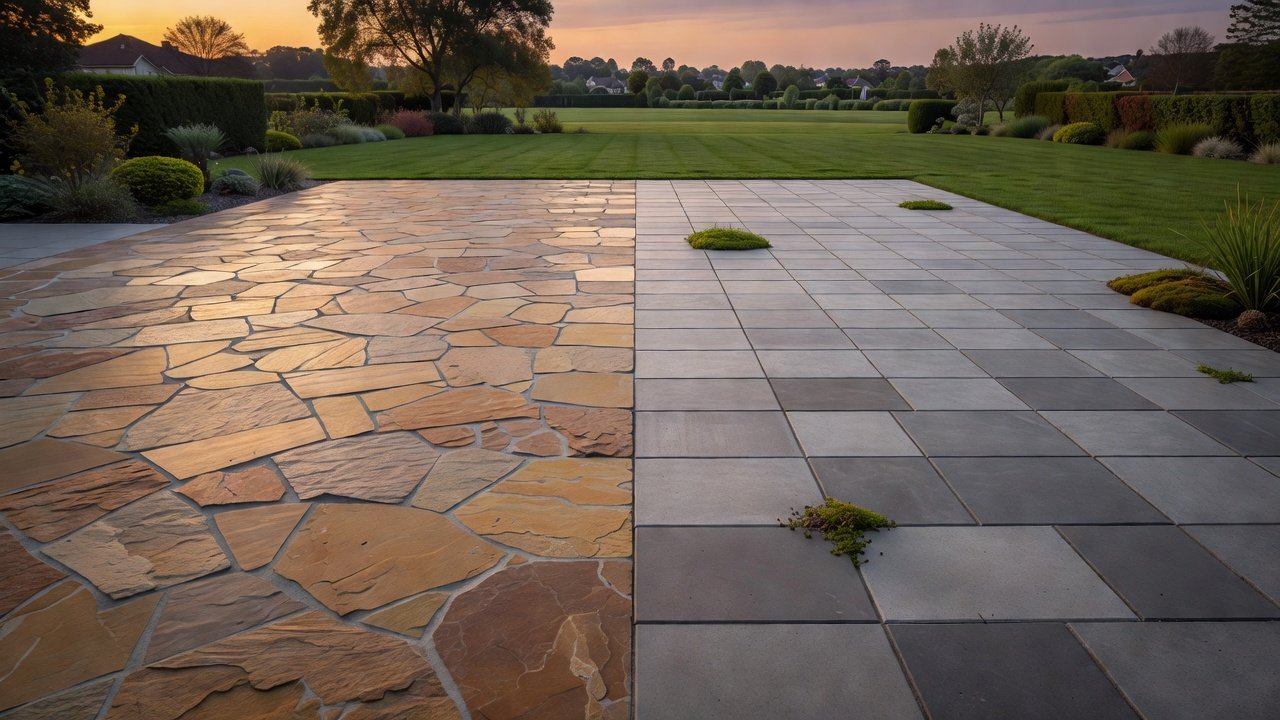
Homeowners tackling 2026 outdoor projects often weigh natural stone against pavers for patios, walkways, and driveways. Both materials deliver durability and curb appeal, yet they differ significantly in installation demands, upkeep, and adaptability to local conditions. This guide breaks down the key factors to help DIY enthusiasts and fixer-upper owners make informed choices that balance budget, longevity, and style. Whether you are refreshing a backyard patio or creating new pathways around a property, understanding these differences ensures your investment stands the test of time and enhances daily enjoyment of outdoor spaces.
Material Differences and Durability
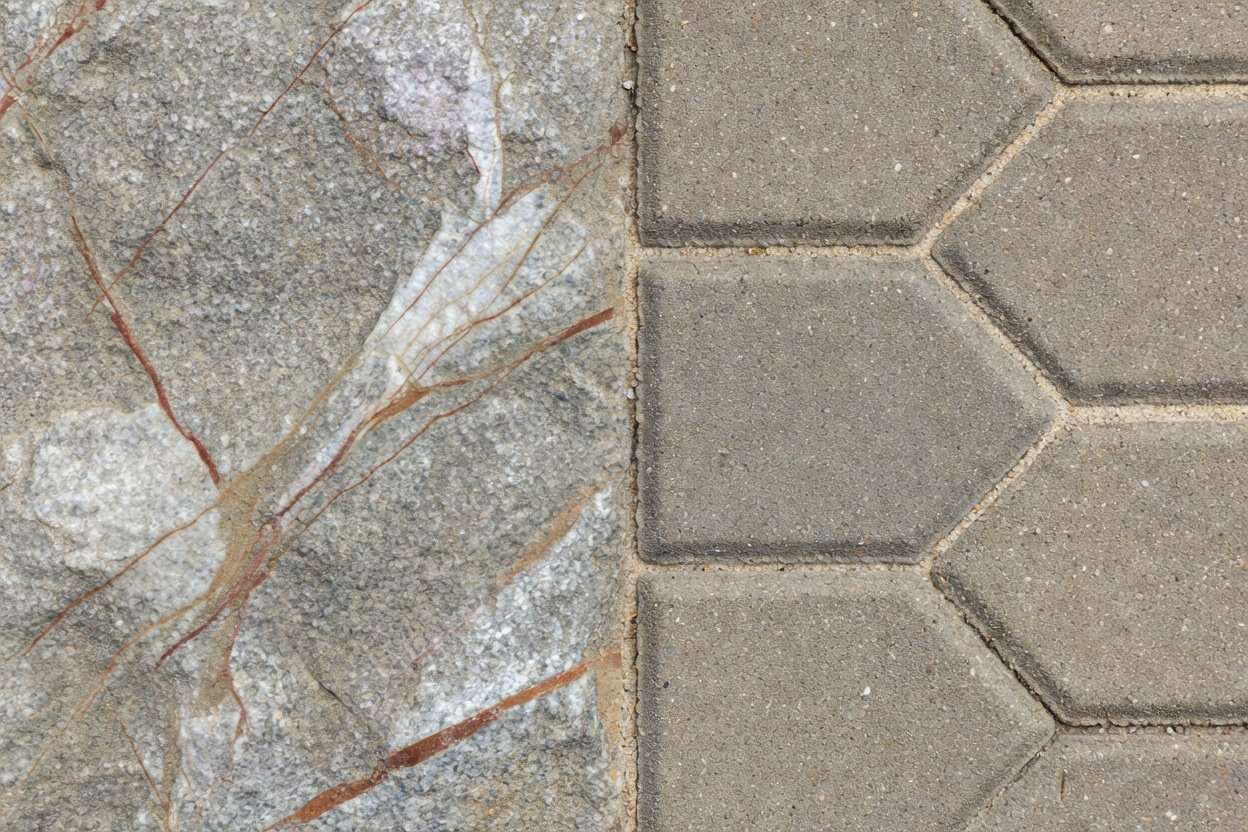
Natural stone includes options like flagstone, bluestone, and granite quarried directly from the earth. Each piece varies in color and texture, offering organic character that cannot be replicated. Pavers, typically made from concrete or clay, come in uniform shapes and sizes designed for interlocking installation. Natural stone generally withstands heavy foot traffic and freeze-thaw cycles better in many regions, while quality pavers resist cracking when properly installed with a solid base. Over years of exposure, natural stone develops a patina that many find desirable, whereas pavers maintain their original appearance longer if sealed periodically.
Real-World 2026 Fixer-Upper Examples
In a Midwest renovation project completed earlier this year, homeowners replaced a cracked concrete slab with irregular natural stone, creating a rustic patio that integrated seamlessly with existing landscaping. Conversely, a coastal California fixer-upper used interlocking concrete pavers to achieve a clean, modern look that handled salt air exposure effectively. Another example from the Pacific Northwest involved blending both materials: natural stone accents around a fire pit paired with paver surfaces for the main seating area, providing both visual interest and functional stability.
Installation Complexity for DIY Projects
Installing natural stone requires precise cutting and leveling because pieces vary in thickness. Beginners may find the process time-intensive, often needing specialized tools like wet saws and levels. Pavers offer a more forgiving approach with their consistent dimensions and snap-together designs, making them popular for weekend DIY efforts. Both demand proper excavation and a compacted gravel base to prevent shifting over time. For best results, start by marking the area, removing sod and soil to the required depth, then adding layers of crushed stone and sand before laying the surface material. Proper compaction at each stage prevents future settling and drainage problems.
Maintenance Needs Over Time
Natural stone benefits from occasional sealing to protect against stains and weathering, though it rarely needs replacement. Pavers may require re-sanding joints every few years and can develop weeds if not maintained. In both cases, routine sweeping and occasional power washing keep surfaces looking fresh for decades. Additional tips include addressing stains promptly with appropriate cleaners and inspecting for loose pieces after harsh winters. Homeowners who perform seasonal checks often extend the life of either material significantly.
Climate Considerations
Choose materials based on your region's weather patterns. Natural stone excels in areas with extreme temperature swings, while permeable pavers help manage heavy rainfall by allowing water infiltration. Homeowners in arid climates appreciate stone's heat retention properties for cooler evenings. In snowy regions, both options perform well when installed with adequate base preparation, but textured surfaces on either material improve traction during winter months. Coastal areas benefit from materials resistant to salt corrosion, where pavers often have an edge due to engineered formulations.
Aesthetic Versatility
Natural stone provides unmatched organic variation, suiting traditional or naturalistic designs. Pavers offer precise patterns and color consistency, ideal for contemporary layouts. Both can incorporate borders or accents to enhance visual interest. Mixing materials within one project creates custom looks, such as using stone for borders around paver fields or vice versa. Color choices range from earthy neutrals to vibrant hues, allowing homeowners to match existing architecture or create focal points.
Budget Breakdowns and Long-Term Value
While upfront material costs vary, natural stone often commands a premium for its unique appearance, whereas pavers provide an accessible entry point for larger areas. Long-term, both deliver strong returns through increased property appeal and reduced replacement frequency when installed correctly. Focus on sourcing locally to minimize transport expenses. Evaluating total project scope including base preparation and tools helps avoid unexpected outlays later.
Step-by-Step Selection Criteria
- Assess your site's soil type and drainage patterns through simple percolation tests.
- Evaluate foot traffic and vehicle use to determine load-bearing needs.
- Review local climate data for freeze-thaw risks and precipitation averages.
- Compare aesthetic goals with surrounding architecture and landscape features.
- Calculate total area and factor in potential labor if hiring assistance.
- Check availability of materials from regional suppliers for consistency.
Environmental Impact and Sustainability
Both options can support eco-friendly goals when chosen thoughtfully. Permeable pavers reduce runoff and support stormwater management practices promoted by environmental agencies. Natural stone, sourced responsibly, has a lower embodied energy in some cases. Homeowners interested in sustainability should inquire about recycled content in pavers or locally quarried stone to lower transportation emissions. Proper installation that promotes drainage also protects local waterways from pollutants.
Common Mistakes to Avoid
- Skipping proper base preparation, which leads to uneven settling within the first year.
- Choosing materials without considering sun exposure and how colors will weather.
- Ignoring local building codes that may dictate setbacks or permeability requirements.
- Underestimating the time needed for DIY installation on larger surfaces.
Pros and Cons Comparison
| Aspect | Natural Stone | Pavers |
|---|---|---|
| Durability | High, variable by type with natural resistance to elements | Consistent with good base and engineered strength |
| Installation | More complex for DIY requiring custom fitting | Easier for beginners with modular design |
| Maintenance | Low after initial sealing | Periodic joint care and weed prevention |
| Aesthetics | Organic and unique with natural variation | Uniform patterns and repeatable designs |
| Climate Fit | Excellent for temperature extremes | Strong for drainage in wet areas |
Beginner-Friendly Decision Flowchart
Start by measuring your project size. If under 200 square feet and you prefer organic looks, lean toward natural stone. For larger areas or quick timelines, select pavers. Check drainage next—if poor, prioritize permeable options. Review local codes before purchasing. Finally, gather samples and test them in your actual lighting conditions to confirm the desired appearance. This methodical approach reduces costly changes mid-project.
Tips for Sourcing Materials Affordably
Visit local quarries or suppliers for remnants and seconds. Online marketplaces and seasonal sales can yield savings. Always inspect samples in person to match color and texture expectations. Building relationships with suppliers often leads to better deals on bulk orders or delivery. Consider combining materials to stretch premium stone across smaller accent areas while using pavers for the majority of the surface.
FAQ Section
How do drainage issues affect choice?
Pavers with open joints promote better water flow, reducing pooling in wet climates and aligning with best practices outlined by environmental authorities.
Do I need permits for these projects?
Many municipalities require permits for hardscaping over certain sizes; consult your local building department early to avoid delays.
Which lasts longer?
Both can endure 20+ years with proper care, depending on installation quality and climate exposure. Regular maintenance plays a larger role than material type alone.
Can I mix natural stone and pavers in one project?
Yes, many successful designs combine both for visual contrast and functional benefits, such as stone borders framing paver fields.
Conclusion
Selecting between natural stone and pavers hinges on your specific site conditions, skill level, and design vision. By evaluating durability, maintenance, and climate factors through the criteria outlined, you can create an outdoor space that enhances your home for years ahead. Begin with a site assessment and consult local professionals for tailored advice that matches your 2026 renovation goals.
No comments yet. Be the first!