 Fixated on Home
Introduction: Planning Your 2026 Outdoor Fixer-Upper Project
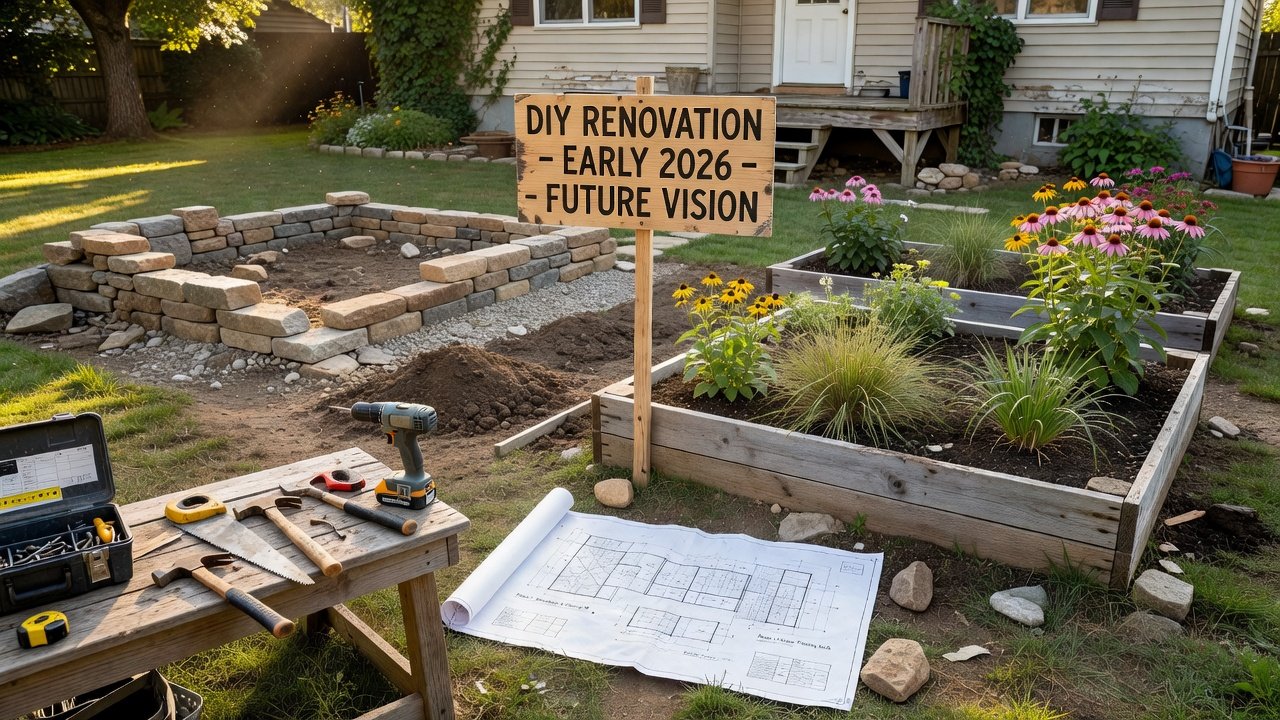
Embarking on a DIY outdoor renovation for a fixer-upper home in 2026 requires careful strategy to maximize impact while minimizing risks. This guide provides a complete framework for homeowners focused on preparation, from initial property evaluation to phased execution that blends efficiency with creativity. Whether you're tackling a neglected backyard or front yard overhaul, understanding search intent around home improvement means prioritizing practical steps over rushed decisions. Many fixer-upper owners overlook foundational planning, leading to budget overruns or incomplete projects, but a structured approach turns challenges into rewarding transformations that enhance property value and personal enjoyment.
Successful renovations start with realistic expectations. Consider how outdoor spaces integrate with indoor living, such as creating seamless transitions for entertaining or relaxation. In 2026, trends emphasize resilience against weather extremes and integration of technology for efficiency. This article dives deep into each element, offering actionable advice, real-world examples, and tools to help you succeed without professional crews.
Step 1: Conducting a Thorough Property Assessment
Begin by evaluating your outdoor space objectively. Walk the property and document issues like drainage problems, soil quality, existing structures, and vegetation health. Note structural elements such as decks, fences, and patios that may need repair or replacement. This assessment forms the foundation for all subsequent planning and helps identify quick wins versus major undertakings. Take photos from multiple angles and measure key dimensions to create accurate site maps that guide material estimates and design choices.
Tools for Effective Assessment
- Smartphone apps for measuring and photographing areas
- Soil testing kits to check pH and nutrient levels
- Professional inspection for hidden issues like foundation cracks if budget allows
- Drone footage or elevated views for larger properties to spot grading problems
Expand your assessment by testing water flow during rainfall and examining sun exposure patterns throughout the day. These details prevent future issues like plant failure or erosion.
Setting Clear Goals and Aligning with 2026 Outdoor Trends
Define your renovation objectives by considering lifestyle needs, such as creating an entertainment space or improving curb appeal. Align these with current trends like biophilic design, native landscaping, and smart irrigation systems that emphasize sustainability. Goal-setting ensures your project stays focused and scalable as a DIY endeavor. Break goals into categories: functional (seating areas), aesthetic (lighting and color schemes), and environmental (water conservation).
Compare your vision against neighborhood standards to maintain harmony while adding unique personal touches. Document goals in a written list to reference during decision-making phases.
Developing Phased Timelines for Efficient DIY Execution
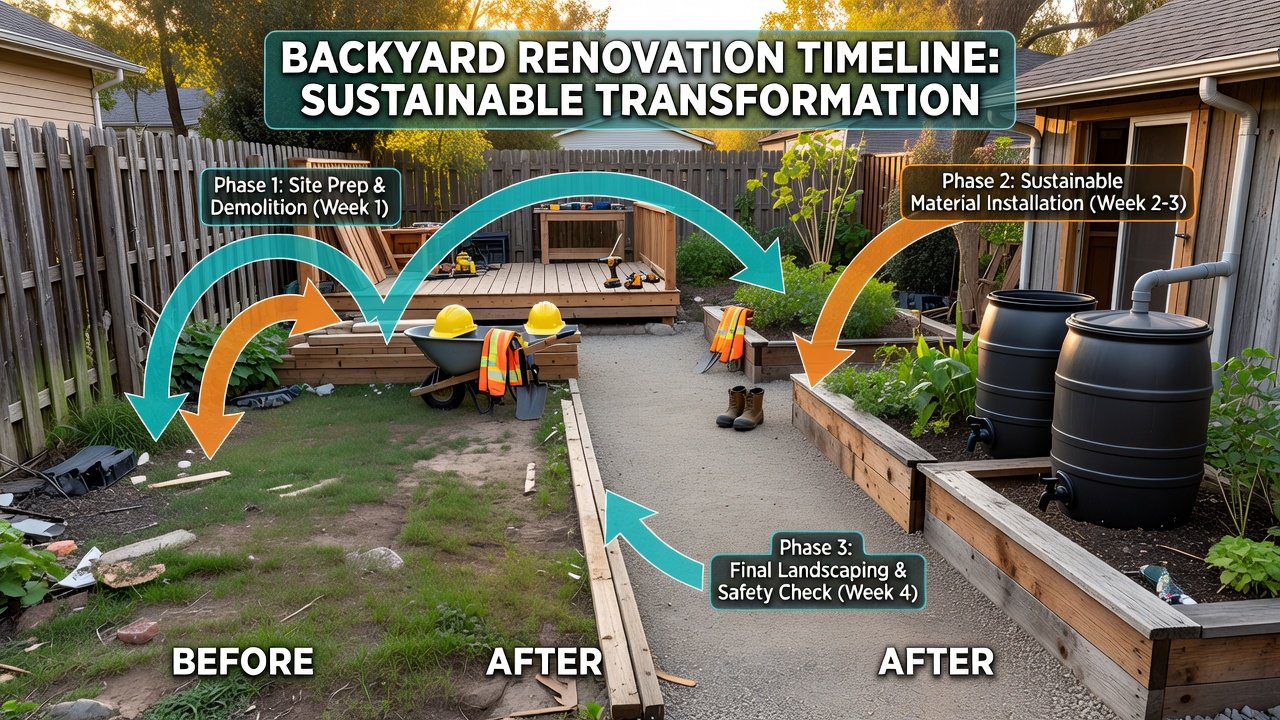
Break your project into phases to avoid overwhelm: Phase 1 for assessment and planning, Phase 2 for demolition and prep, Phase 3 for core builds, and Phase 4 for finishing and planting. Incorporate seasonal timing, aiming for spring starts in most climates to allow for growth cycles. Use timeline templates to track milestones and adjust for weather delays. Each phase should include buffer days for unexpected setbacks like material shortages or equipment issues.
Map dependencies clearly—for instance, complete grading before installing hardscaping. Weekly reviews keep momentum high and allow pivots based on progress.
Budgeting Strategies with Material Cost Comparisons
Create a realistic budget by comparing material options such as composite decking versus traditional wood, or recycled pavers over concrete. Factor in tools, permits, and contingencies. Focus on value-driven choices that support long-term durability without excess spending. Track expenses meticulously to stay on target throughout the project. Create separate line items for labor-saving tools that speed up DIY work and reduce physical strain.
Review material pros and cons side-by-side: composites offer low maintenance but higher upfront investment, while wood requires periodic sealing yet provides classic appeal. Allocate contingency funds for each phase to handle surprises gracefully.
Navigating Permits and Local Regulations
Research permit requirements early through your local building department. Many outdoor projects like fence installations or deck builds need approvals to ensure compliance with zoning laws. Delaying this step can lead to costly rework, so integrate permit timelines into your overall schedule. Gather required documents such as site plans and material specifications in advance to streamline submissions.
Consult neighbors if projects border shared property lines, fostering goodwill and avoiding disputes.
Implementing Robust Safety Protocols
Prioritize safety by following established guidelines from OSHA. Wear appropriate gear, secure ladders and tools, and never work alone on elevated tasks. DIY projects benefit from regular safety briefings and hazard identification to prevent accidents. Establish a dedicated first-aid station on site and review equipment manuals before use. Common risks include falls, cuts, and chemical exposure from treatments, so plan protective measures accordingly.
Embracing Sustainable Choices in Outdoor Renovations
Incorporate eco-friendly practices such as using reclaimed materials, installing rain barrels, and selecting drought-resistant plants. These align with 2026 trends and can reduce long-term maintenance. Resources from EPA offer guidance on sustainable landscaping that minimizes environmental impact. Explore additional support through USDA recommendations for regional plant selections that thrive naturally.
Track water usage post-installation to quantify savings and refine techniques over time.
Downloadable Checklists and Timeline Templates
Utilize customizable checklists for each phase, covering everything from material lists to post-project maintenance. Timeline templates help visualize dependencies and deadlines, making complex projects manageable for beginners scaling up DIY efforts. Include columns for assigned tasks, estimated hours, and completion status to maintain accountability.
Three Fixer-Upper Case Examples: Before-and-After Results
Case 1: Suburban Backyard Transformation
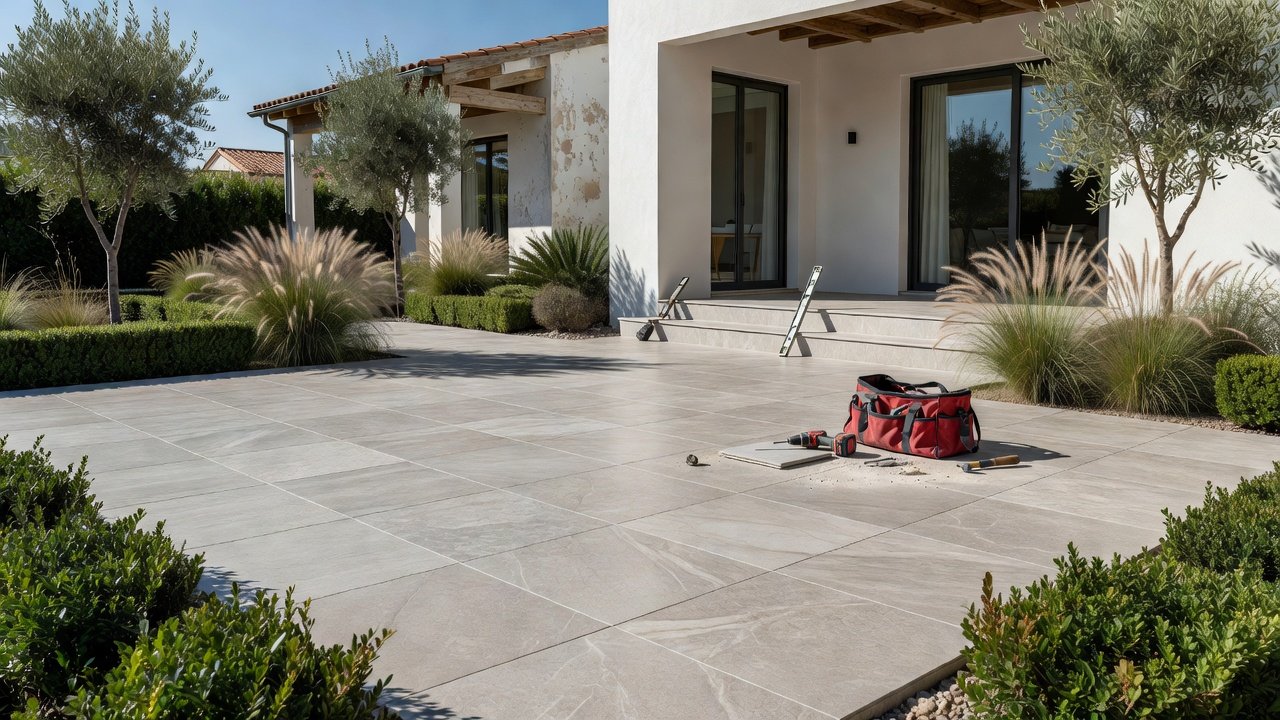
A neglected lawn with poor drainage became a functional patio and garden area through phased grading, permeable pavers, and native plantings, resulting in improved usability and lower water needs. The homeowners documented weekly progress photos, revealing how initial soil amendments prevented future settling issues.
Case 2: Urban Front Yard Revival
Overgrown shrubs and cracked walkways were replaced with low-maintenance hardscaping and vertical gardens, boosting curb appeal and property value in a compact space. Careful selection of modular planters allowed easy reconfiguration as needs changed.
Case 3: Rural Deck and Pergola Upgrade
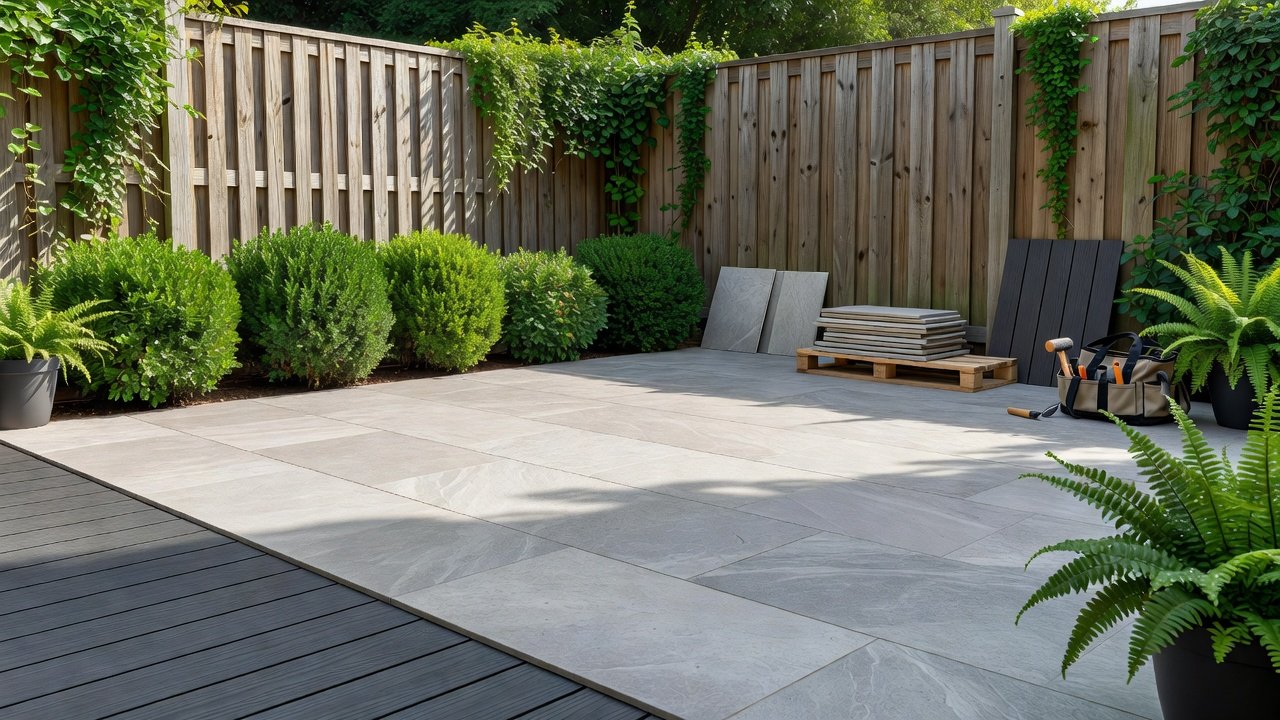
An old wooden deck was reinforced with sustainable composites and paired with a solar-powered pergola, creating an outdoor living extension that withstands seasonal changes effectively. The addition of integrated seating and lighting extended usability into evening hours year-round.
Mistakes to Avoid in DIY Outdoor Projects
Common pitfalls include underestimating soil conditions, skipping permit checks, and choosing trendy materials without considering maintenance. Always verify load-bearing capacities before building structures and test drainage solutions in advance. Avoid overcommitting to complex features early on; start simple and expand based on experience gained.
Post-Renovation Maintenance and Scaling Tips
Establish a seasonal maintenance schedule covering cleaning, inspections, and minor repairs. Scaling future projects becomes easier once foundational skills are developed through this initial renovation.
Conclusion: Scaling Your DIY Success
With structured planning, your 2026 outdoor renovation can deliver professional results on a DIY budget. Focus on assessment, phased execution, and sustainable practices to achieve lasting improvements.
FAQ: Common Beginner Questions on DIY Outdoor Projects
How do I start if I'm new to DIY renovations?
Begin with small assessment tasks and free online resources to build confidence before larger phases.
What if my project grows beyond initial plans?
Revisit your timeline template and prioritize core goals to maintain control without overextending.
Are permits always required for outdoor work?
Check local regulations, as many structural changes mandate permits while cosmetic updates often do not.
How can I ensure sustainability on a budget?
Opt for reclaimed materials and native plants, which typically cost less long-term while supporting eco-goals.
What tools should every beginner invest in first?
Start with a quality level, measuring tape, safety glasses, and gloves before expanding to power tools.
How do I handle unexpected weather delays?
Build flexible buffers into your timeline and protect materials with tarps during off periods.
No comments yet. Be the first!