 Fixated on Home
Introduction to Soil Preparation for Outdoor Success
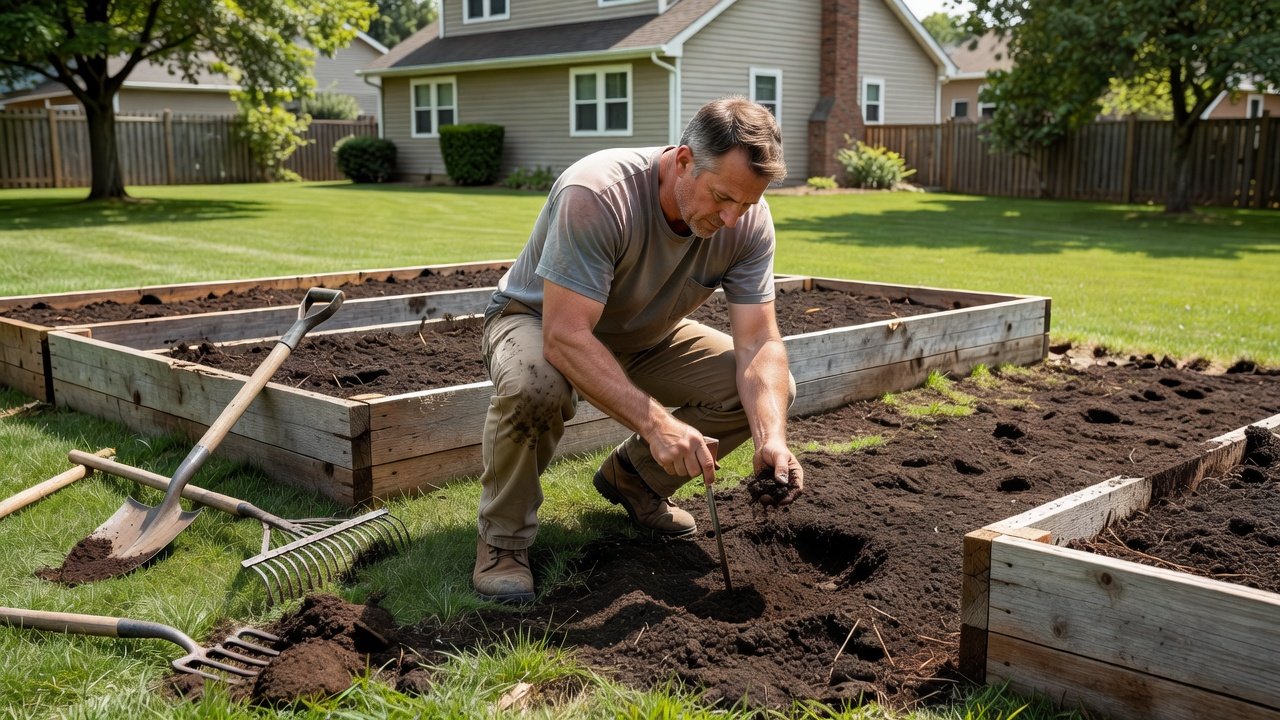
Proper soil preparation forms the bedrock of any successful outdoor renovation project. Homeowners tackling fixer-upper yards in 2026 need to prioritize soil health to ensure plants thrive, structures last, and landscapes remain low-maintenance. This guide delivers step-by-step instructions tailored for DIY enthusiasts, covering everything from basic testing to advanced drainage fixes. Skipping soil prep often leads to costly failures later, such as poor plant growth or shifting patios. Focus on affordable tools available at local hardware stores to achieve professional-grade results without hiring experts. Soil acts as the living foundation that supports every element of your outdoor space, from flower beds to walkways.
Whether you're installing a new patio, building raised beds, or revamping a lawn, understanding your soil's unique characteristics prevents future headaches. Many homeowners discover that their existing yard soil is compacted, nutrient-poor, or imbalanced, requiring targeted interventions before any visible upgrades begin.
Why Soil Testing Matters First
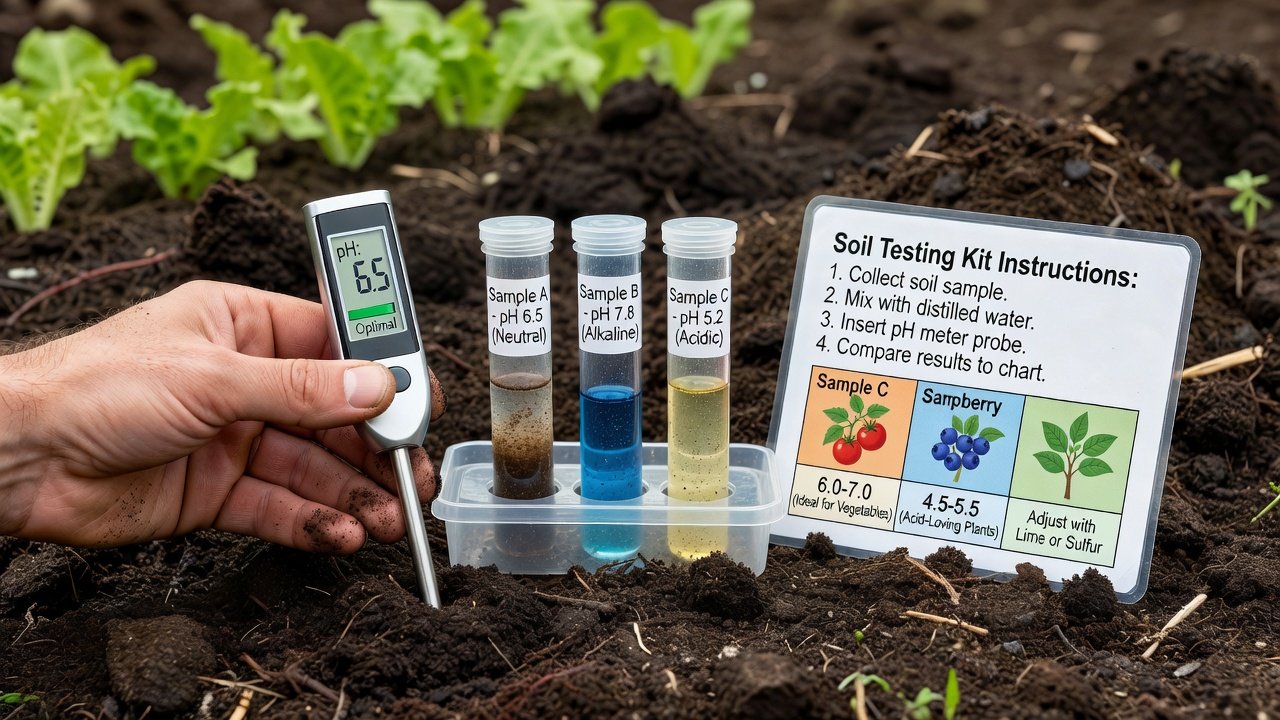
Begin every project with a soil test to understand nutrient levels, pH, and texture. Use an at-home kit or send samples to a local extension service. Testing reveals deficiencies that amendments can correct, preventing wasted effort on unsuitable ground. Without this step, you might add the wrong materials and exacerbate problems like toxicity or poor fertility.
Collect samples from multiple spots in your yard at 6-8 inches deep. Mix them thoroughly before analysis. This method gives a representative view of your entire space. Repeat tests annually to track improvements after amendments. For deeper insights into soil health practices, refer to resources from the USDA.
Balancing Soil pH Effectively
Most plants prefer a pH between 6.0 and 7.0. Acidic soils benefit from lime additions, while alkaline conditions improve with sulfur or organic matter. Apply amendments gradually and retest after a few weeks to avoid over-correction. Regional variations matter greatly—coastal soils often trend alkaline, while forested areas may be acidic.
Seasonal timing plays a key role in 2026 projects—test in early spring or fall for best results before major planting. Consider using dolomitic lime for magnesium-deficient soils or elemental sulfur for quicker pH drops in small areas.
Adding Organic Amendments Wisely
Incorporate compost, aged manure, or peat moss to boost fertility and structure. Aim for a 2-3 inch layer worked into the top 6-12 inches of soil. These materials improve water retention and microbial activity naturally. Different soil types demand specific approaches: clay soils need more organic bulk to loosen particles, while sandy soils benefit from materials that increase cohesion.
- Choose well-rotted compost to avoid burning roots.
- Blend in vermiculite for sandy soils needing better moisture hold.
- Avoid fresh manure that can introduce pathogens.
- Consider biochar for long-term carbon storage and nutrient holding.
Real-world examples show dramatic transformations: a compacted clay yard amended with compost became a lush vegetable garden within one season. Another project turned depleted suburban soil into a vibrant perennial border by layering multiple amendment types over two years.
Improving Drainage for Long-Term Stability
Poor drainage causes root rot and foundation issues. Assess your yard's slope and consider installing French drains or raised beds where water pools. Observe your property after heavy rain to identify problem zones accurately.
Mix in coarse sand or gravel for heavy clay areas. Aerate lawns annually to prevent compaction. These steps ensure outdoor features like decks or fire pits stay stable year-round. Compare options such as surface grading versus subsurface tiling based on your yard size and budget constraints.
Seasonal Timing Strategies for 2026
Plan soil work during mild weather. Spring prep suits cool-season crops, while fall allows amendments to settle over winter. Monitor local frost dates to align projects effectively. In northern regions, complete heavy tillage by late September; southern climates permit year-round work with attention to heat stress periods.
Common Mistakes to Avoid
Many DIYers rush without testing or use incorrect amendment ratios. Over-tilling disrupts soil structure, and ignoring drainage leads to repeated failures. Always work in small sections and document changes for future reference. Additional pitfalls include neglecting to remove invasive roots, applying amendments unevenly, or skipping the settling period before construction. Learning from these errors saves time and money across multiple seasons.
Practical Step-by-Step Instructions
- Clear debris and weeds from the area using a rake and hoe.
- Perform soil tests and interpret results carefully, noting any unusual textures.
- Apply pH adjusters and organic matter in measured amounts based on test data.
- Till or turn the soil thoroughly with a garden fork or rototiller to integrate materials evenly.
- Level the surface and check drainage by simulating rainfall with a hose.
- Allow settling time before planting or building, typically two to four weeks.
- Monitor moisture levels and add mulch to protect the prepared soil.
Product Recommendations and Tools
Invest in a reliable pH meter, garden fork, and compost spreader. Quality soil test kits from reputable brands provide accurate readings quickly. Pair these with wheelbarrows for moving bulk materials and landscape fabric for weed suppression in prepared beds.
Before-and-After Transformation Examples
One homeowner converted a barren, rocky patch into a thriving pollinator garden after targeted amendments. Another fixed drainage around a new patio, preventing water damage entirely. A third example involved a sloped backyard where terracing combined with soil amendments created usable flat zones for entertaining spaces.
FAQ: Addressing Regional Soil Challenges
Q: How do I handle heavy clay soil in the Midwest?
A: Add gypsum and organic matter repeatedly over multiple seasons for gradual improvement, combined with raised beds for immediate planting success.
Q: What about sandy soils common in coastal areas?
A: Focus on compost and mulch to increase nutrient retention and reduce erosion from wind and salt exposure.
Q: Can I prep soil in winter?
A: Yes, but focus on planning and amendments that break down slowly, such as leaf mold or cover crops.
Q: How does soil prep differ in arid western regions?
A: Emphasize water-conserving amendments like composted bark and check for salinity issues common in irrigation-heavy zones.
For more authoritative guidance, consult resources from the USDA on soil health practices. Additional insights are available via the EPA regarding sustainable land management and the FAO for global soil conservation techniques.
Conclusion
Investing time in thorough soil preparation pays dividends through vibrant outdoor spaces that endure. Follow these methods for your 2026 renovations and enjoy lasting success with healthier plants and more stable structures.
No comments yet. Be the first!