 Fixated on Home
Introduction to Advanced Outdoor DIY for Fixer-Uppers
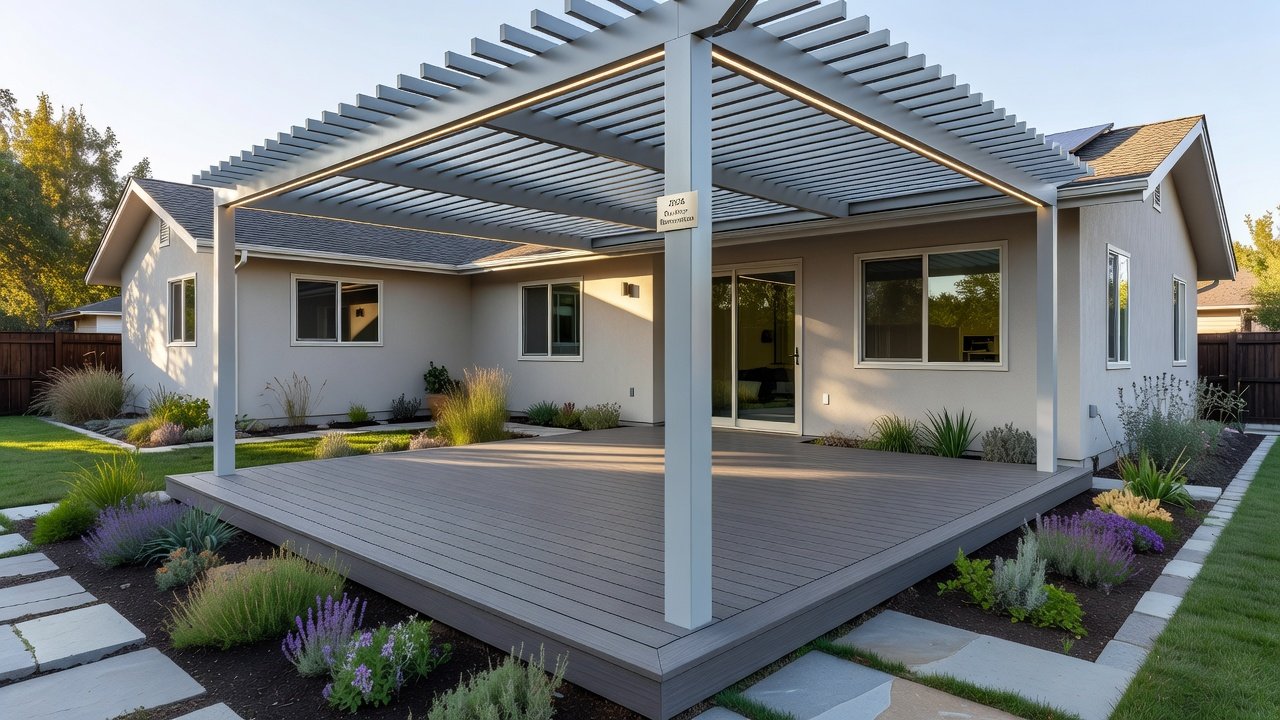
Fixer-upper homes frequently present unique opportunities to revitalize outdoor areas that have been overlooked or underutilized. In 2026, the emphasis in home improvement has shifted toward methods that prioritize sustainability, exceptional durability, and seamless incorporation of smart technologies. This comprehensive guide delves into advanced DIY techniques specifically designed for enhancing outdoor spaces on fixer-upper properties, enabling homeowners to create functional, eco-conscious extensions that blend seamlessly with the main residence.
These approaches surpass elementary tasks such as simple deck staining or basic fencing repairs. Instead, they focus on leveraging precision tools, high-performance materials, and innovative integration strategies aligned with emerging trends in sustainable living. Homeowners tackling projects in urban patios, suburban backyards, or rural lots will find actionable insights here. By following detailed steps and expert recommendations, you can achieve professional outcomes while minimizing environmental impact and maximizing long-term value.
Precision Cutting Methods for Outdoor Projects
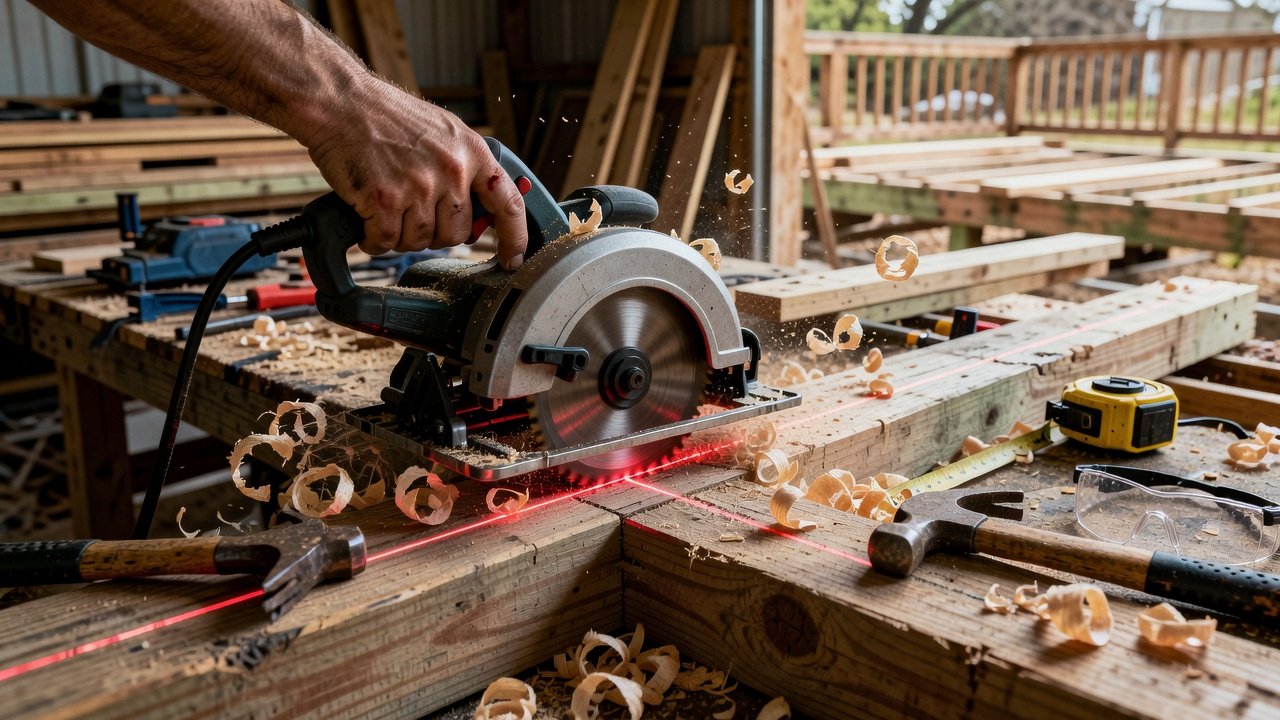
Precision cutting forms the cornerstone of high-quality outdoor renovations, ensuring structural integrity and aesthetic appeal. Modern DIY enthusiasts benefit from tools like laser-guided circular saws, digital miter saws with angle finders, and even portable CNC routers adapted for home use. These enable intricate patterns in deck boards, custom railings, and pergola components that rival contractor work.
Begin every project by taking multiple measurements of your space, accounting for expansions due to temperature changes. Mark cuts clearly using weather-resistant chalk lines or laser levels. When working with hardwoods or composites, select blades with high tooth counts to reduce tear-out. For curved elements in garden features, a jigsaw with variable speed settings allows controlled maneuvering.
Expert tips include performing test cuts on scrap material to fine-tune blade depth and speed settings. Always secure workpieces with clamps to prevent movement. This methodical process not only enhances safety but also reduces material waste substantially. In 2026 trends, many are combining these techniques with digital design software for pre-planning cut lists, leading to faster assembly and fewer errors.
Weatherproofing Strategies for Longevity
Effective weatherproofing is essential for protecting outdoor investments from rain, UV exposure, temperature fluctuations, and humidity. Advanced methods involve applying multi-stage sealant systems, including primer coats followed by elastomeric topcoats designed for exterior use. For wooden structures, focus on end-grain saturation using brush-on preservatives before assembly.
Concrete and masonry surfaces gain protection through silane-based penetrating sealers that repel water at a molecular level without altering appearance. Compare traditional approaches like linseed oil finishes, which provide a natural matte look but demand yearly maintenance, against newer nano-coating technologies that offer extended protection intervals and better resistance to mold growth.
Incorporate under-deck drainage membranes and vapor barriers during construction to address moisture from below. These layers prevent rot and extend the lifespan of support beams significantly. For metal elements, apply powder coatings or galvanization treatments prior to installation. EPA guidelines on low-VOC products help ensure your choices support environmental standards while delivering robust performance.
Integrating Smart Elements into Outdoor Spaces
Smart technology integration transforms outdoor areas into responsive, efficient environments. Key elements include automated irrigation controllers linked to soil moisture sensors, app-controlled LED lighting arrays with color temperature adjustments, and solar-powered security cameras mounted on pergolas or fences.
Detailed steps for a basic smart lighting installation: Map circuit locations, bury conduit for wiring runs, connect low-voltage transformers to a central hub, and program schedules via smartphone. Pair devices with weather APIs for automatic adjustments during storms. This setup aligns with 2026 home trends emphasizing energy conservation and convenience.
Additional examples involve embedding Bluetooth-enabled speakers in weatherproof enclosures or installing motorized retractable awnings triggered by wind sensors. Energy Department resources provide further guidance on optimizing these systems for minimal power consumption.
Material Comparisons and Selection
Material choice directly influences project durability, maintenance needs, and visual harmony. Composite decking, made from recycled plastics and wood fibers, resists fading and warping far better than traditional lumber. Aluminum framing offers corrosion resistance and lighter weight compared to steel alternatives.
- Pressure-treated pine: Cost-effective base option but susceptible to splitting over time without ongoing treatment.
- Thermally modified wood: Enhanced stability through heat processing, ideal for variable climates.
- Recycled plastic lumber: Zero maintenance, fully waterproof, though initial flexibility requires proper support spacing.
- Stone veneers: Premium aesthetic with excellent thermal mass for passive cooling effects.
Evaluate each based on local climate data, load requirements, and aesthetic goals. Prioritize certified sustainable sources to align with current eco-trends.
Practical Examples with Detailed Steps
Project one: Constructing a weatherproof smart deck extension. Step 1: Survey and level the site, excavating for footings. Step 2: Install precision-cut joists with integrated drainage channels. Step 3: Lay composite boards using hidden fasteners. Step 4: Mount solar panels and connect to a battery system for lighting and sensors. Step 5: Apply final sealant layers and test all smart functions.
Project two: Building terraced garden walls on sloped terrain. Begin with soil analysis and drainage planning. Cut retaining timbers to exact lengths using track saws. Assemble with rebar reinforcement, backfill in layers, and integrate drip irrigation lines controlled by timers. These examples demonstrate how advanced techniques scale across project complexities.
Scaling Projects for Different Yard Sizes
Adaptation is key for varying property dimensions. Compact urban yards thrive with modular vertical gardens featuring built-in LED grow lights and automated watering. Medium-sized lots support zoned patios combining seating areas with fire features and smart audio. Expansive properties allow comprehensive outdoor kitchens equipped with weather-sealed cabinetry and connected appliances.
Start with foundational elements like base lighting or irrigation, then layer additional features seasonally. Modular designs facilitate future expansions without major rework.
Safety Considerations and Common Mistakes to Avoid
Prioritize personal protection with appropriate gear including gloves, eye shields, and dust masks during cutting operations. Follow manufacturer guidelines for all power tools. OSHA safety standards outline best practices for ladder use and electrical handling in outdoor settings. Avoid common pitfalls such as inadequate foundation depth, mismatched material expansions, or skipping moisture barriers, which can lead to premature failure.
FAQs on Troubleshooting and Best Practices
How do I correct minor alignment issues after cutting? Use shims and adjustable brackets during assembly, followed by sanding and refinishing for seamless results.
What maintenance ensures smart components remain reliable? Schedule quarterly inspections of seals and connections, updating firmware as needed to prevent compatibility issues.
Are these methods suitable for older fixer-uppers? Conduct thorough structural assessments first, reinforcing load-bearing elements before adding new features.
How can projects be adjusted for extreme weather regions? Select reinforced materials and deeper anchoring systems tailored to wind or seismic activity in your area.
Conclusion
Implementing these advanced DIY outdoor renovation techniques equips your 2026 fixer-upper with resilient, modern outdoor spaces that enhance lifestyle and property appeal. Through careful planning, precise execution, and thoughtful material and technology choices, you achieve sustainable outcomes that stand the test of time. Begin with assessment and planning phases, proceed methodically, and enjoy the rewarding transformation of your home's exterior environment.
No comments yet. Be the first!