 Fixated on Home
5 Common Mistakes in 2026 Outdoor DIY Renovations
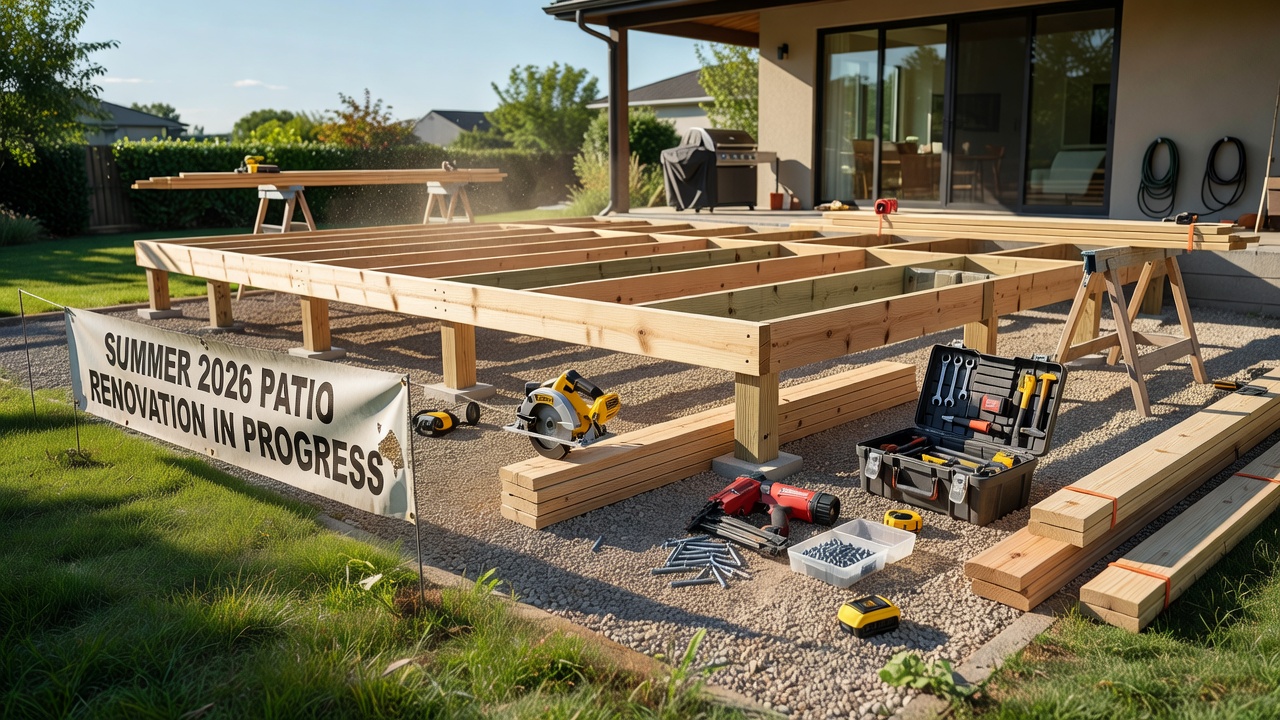
Outdoor DIY renovations continue to gain popularity in 2026 as more homeowners tackle fixer-upper projects to enhance curb appeal and increase property value. Whether building a new deck, installing a patio, or creating a garden retreat, success hinges on sidestepping common pitfalls that derail projects. This in-depth guide examines five frequent mistakes with real-world examples, side-by-side comparisons of successful versus failed approaches, and concrete prevention strategies. By understanding these issues, you can plan more effectively and achieve professional-looking results that stand the test of time.
1. Skipping Detailed Planning and Site Assessment
One of the most prevalent errors occurs when DIY enthusiasts rush into construction without thorough upfront planning. Outdoor spaces involve unique variables such as soil composition, drainage patterns, sun orientation, and local microclimates that indoor projects rarely face. Neglecting a proper site assessment often leads to structural failures, rework, or unsafe installations that require complete demolition later.
Consider a real-world case where a homeowner installed a raised garden bed system without testing soil pH or drainage. Within months, plants failed and the beds shifted due to poor foundation preparation. In contrast, a neighboring family spent two weekends conducting soil tests and mapping sunlight hours, resulting in thriving beds that required minimal adjustments over three seasons.
To prevent this mistake, begin with a comprehensive site evaluation. Measure the exact dimensions, photograph the area from multiple angles, and note potential obstacles like utility lines or tree roots. Create scaled drawings and break the project into phases with clear milestones. Incorporate buffer time for unexpected discoveries. Use free online tools from extension services to understand regional soil types before purchasing supplies. This methodical approach transforms chaotic builds into streamlined successes.
2. Underestimating Budgets and Overlooking Hidden Costs
Budget overruns rank among the top reasons outdoor DIY projects stall or get abandoned. Many homeowners focus solely on visible materials like lumber or pavers while ignoring ancillary expenses such as delivery charges, tool rentals, waste disposal, and protective coatings. In 2026, fluctuating material availability has made accurate forecasting even more critical.
A failed project example involved a couple who allocated funds only for basic decking boards and concrete footings. They later faced surprise costs for specialized fasteners, permit applications, and equipment rentals that doubled their total expenditure. Conversely, a prepared group itemized every category including contingency funds and sourced reclaimed lumber from local suppliers, completing their pergola project comfortably within the original allocation.
Build a detailed spreadsheet from day one and update it daily. Common hidden costs include site preparation, hardware upgrades for weather resistance, and post-project cleanup. Research current regional pricing trends before buying and consider buying in bulk where feasible. Compare at least three suppliers for each major item and always allocate 25 to 30 percent extra for contingencies. This disciplined tracking prevents financial stress and keeps momentum high throughout the renovation.
3. Ignoring Permit Requirements and Local Regulations
Overlooking permits and zoning rules creates expensive setbacks that can halt progress entirely. Many municipalities enforce strict guidelines for structures exceeding certain heights or square footage, as well as projects affecting stormwater runoff or property boundaries. Failing to secure approvals early often results in stop-work orders, fines, or forced removal.
In one documented case, a DIY fence installation proceeded without permits and drew complaints from neighbors, forcing complete teardown at significant cost. Successful renovators, however, contacted their local building department during the planning phase, submitted required drawings, and obtained approvals within three weeks, allowing uninterrupted construction.
Start by visiting your city or county planning office website to review current codes for outdoor structures. Factor permit processing times into the overall timeline and prepare all documentation in advance. Check EPA guidelines for environmental compliance related to runoff or protected areas. Document every conversation with officials and keep copies of approvals on site. Proactive compliance saves both time and money while protecting neighborhood relations.
4. Choosing the Wrong Materials for Climate and Use
Material selection errors frequently cause premature deterioration, especially in regions with extreme temperature swings or high humidity. Using interior-grade products outdoors or selecting wood species unsuited to local conditions leads to warping, rot, or fading within a single season. In 2026, advances in composite and treated materials offer better options, but only when matched correctly to the application.
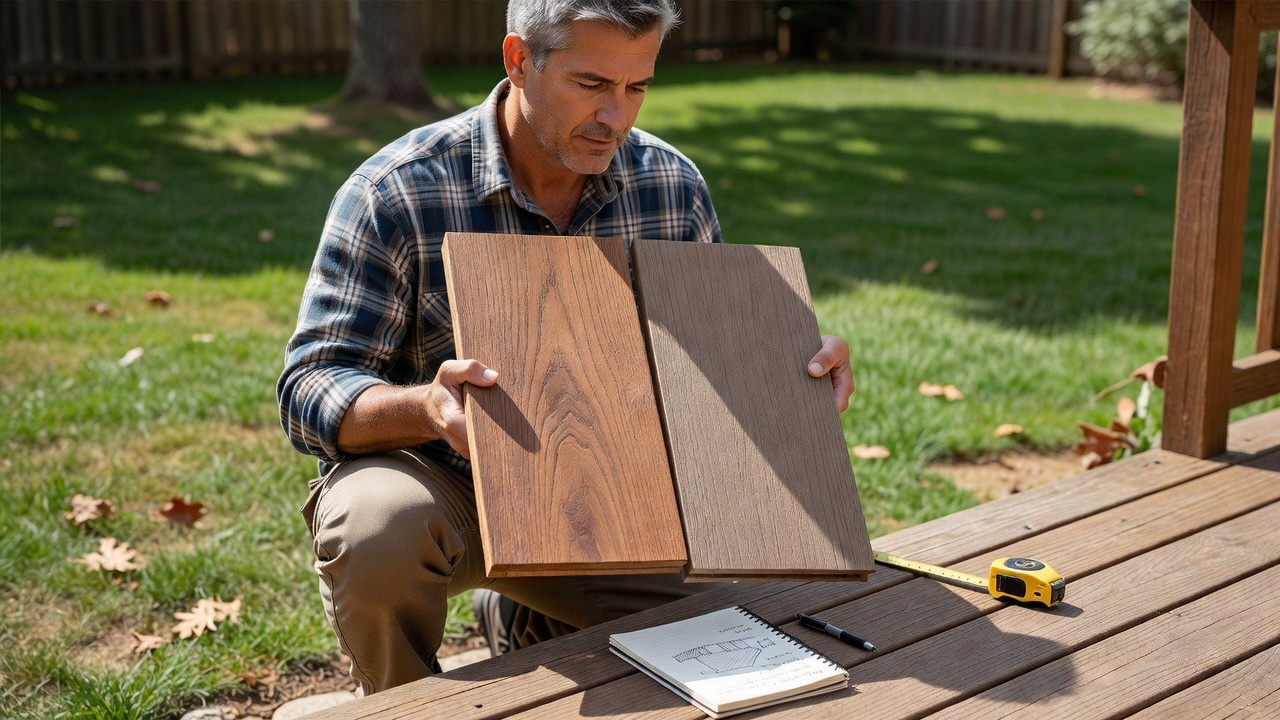
A clear comparison highlights the difference: A deck built with untreated pine in a coastal climate showed severe cupping and splintering after one winter, requiring full replacement. Nearby homeowners who selected pressure-treated southern yellow pine combined with composite decking rated for heavy foot traffic enjoyed a low-maintenance surface that retained its appearance for years with only occasional cleaning.
Prevention begins with climate-specific research. Consult manufacturer specifications for UV resistance, moisture tolerance, and load-bearing capacity. Request material samples to evaluate color, texture, and finish under actual sunlight conditions. Create a comparison list of pros and cons for each option, including long-term maintenance requirements. Factor in local availability to avoid shipping delays. Choosing the right materials upfront eliminates repeated repairs and delivers lasting satisfaction.
5. Misjudging Timelines and Weather Impacts
Weather-related delays and unrealistic scheduling represent another major source of frustration. Outdoor work depends heavily on temperature, precipitation, and wind conditions that can change rapidly. Attempting critical steps like concrete pours or staining during unfavorable forecasts often produces substandard results that require costly corrections.
One illustrative failure occurred when a patio slab was poured during an unexpected cold snap, resulting in surface cracking that necessitated removal and repouring. In comparison, a methodical team monitored extended forecasts, prepared indoor cutting and assembly tasks as backups, and used protective tarps to complete their project without defects despite two brief rain interruptions.
Develop a flexible timeline with built-in weather buffers of at least two weeks. Use reliable forecast sources such as NOAA weather services and schedule weather-sensitive tasks during historically stable periods. Maintain a list of indoor prep activities that can fill downtime. Review OSHA safety practices for working in variable outdoor conditions to protect both workers and finished surfaces. Consistent monitoring and adaptability keep projects on track regardless of seasonal challenges.
Conclusion
Successfully navigating outdoor DIY renovations in 2026 requires deliberate attention to planning, budgeting, regulatory compliance, material selection, and weather management. By learning from the mistakes outlined above and implementing the prevention strategies, homeowners can avoid common setbacks and create durable, attractive outdoor spaces that enhance daily living and property value for years to come.
FAQ
What is the most common outdoor DIY mistake?
Inadequate planning tops the list, often triggering cascading problems with budgets, permits, and material choices.
How far in advance should I apply for permits?
Begin the permit process four to six weeks before the planned start date to accommodate reviews and potential revisions.
Can I fix a material mismatch after installation?
Replacement is typically the only reliable solution; thorough research before purchase prevents expensive do-overs.
Should I work alone or hire occasional help?
Many successful projects combine solo prep work with hired assistance for heavy lifting or specialized tasks to maintain safety and quality.
No comments yet. Be the first!