 Fixated on Home
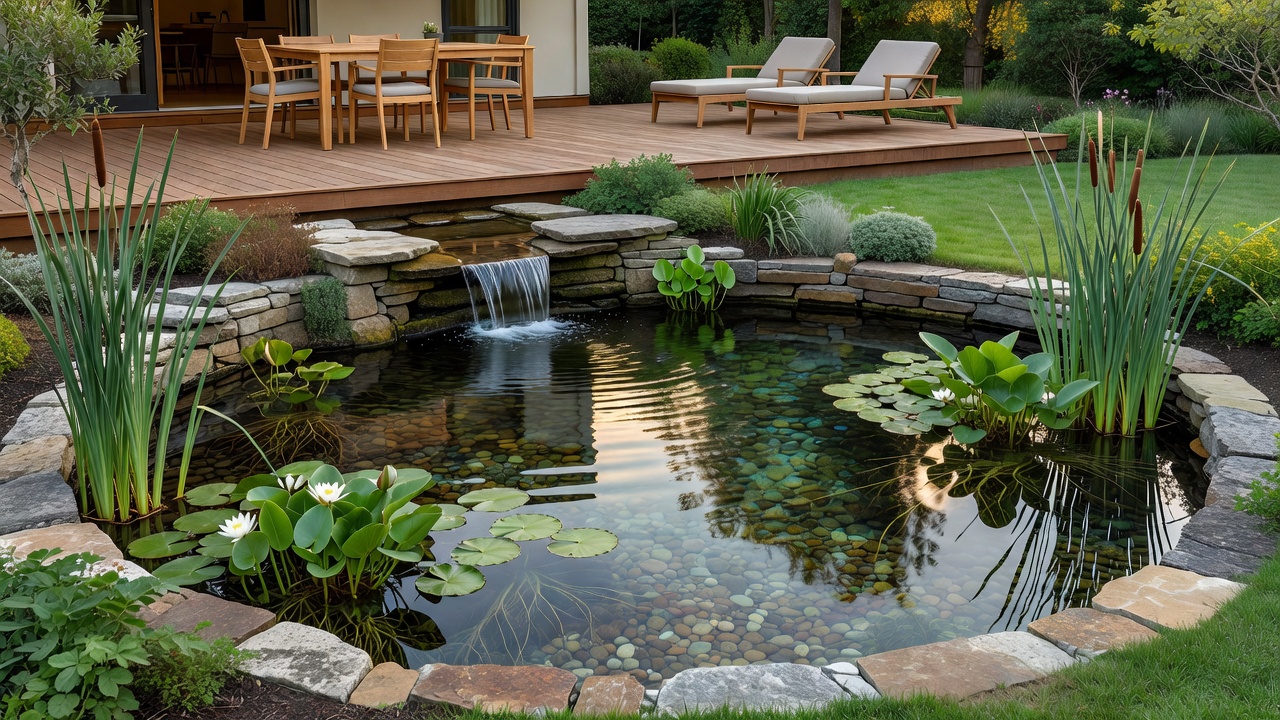
Introduction to DIY Backyard Pond Builds in 2026
Transforming a fixer-upper property often includes enhancing outdoor spaces with sustainable features like backyard ponds. These water elements add value, support local ecosystems, and provide a relaxing focal point. In 2026, homeowners are increasingly turning to DIY methods that balance cost, environmental impact, and functionality. This guide covers everything from planning to long-term care, targeting beginners to intermediate renovators focused on budget-friendly outdoor upgrades. Backyard ponds can improve property aesthetics while promoting biodiversity, making them ideal for sustainable renovation projects that align with modern eco-conscious trends.
Choosing the Ideal Site for Your Pond
Site selection is critical for pond success. Evaluate sunlight exposure, soil type, proximity to utilities, and drainage patterns. Aim for a location receiving 4-6 hours of sun daily to support aquatic plants without excessive algae growth. Avoid areas near large trees to minimize leaf debris. Test soil stability and ensure the site slopes gently for natural water flow. Consider local wildlife corridors to encourage biodiversity without inviting unwanted visitors. For fixer-uppers, assess how the pond integrates with existing landscaping, such as patios or garden beds. Measure the area carefully to avoid underground pipes or cables, and consult local zoning rules before digging. Examples from recent renovations show that corner lots with partial shade often yield the best results due to balanced light and wind protection.
Material Comparisons for Durability and Budget
Selecting the right materials impacts longevity and maintenance. Compare flexible liners like EPDM rubber versus rigid preformed shells. EPDM offers flexibility for custom shapes and resists UV damage, while preformed options simplify installation for beginners. For pumps, submersible models are quieter but harder to access, whereas external pumps provide easier servicing. Underlayment fabrics protect liners from punctures. Always prioritize UV-stabilized and fish-safe products for sustainable builds. Additional comparisons include geotextile underlays versus sand bases, and bio-filters versus mechanical ones. Homeowners often choose EPDM for irregular shapes common in fixer-upper yards, as it allows creative designs without seams. Consider climate factors, such as freeze-thaw cycles in northern regions, when selecting thickness and reinforcements.
Step-by-Step Construction Guide
Follow these steps for a reliable pond build suitable for fixer-uppers:
- Mark and excavate the site to desired depth, typically 18-24 inches for balanced ecosystems, using string lines and levels for precision.
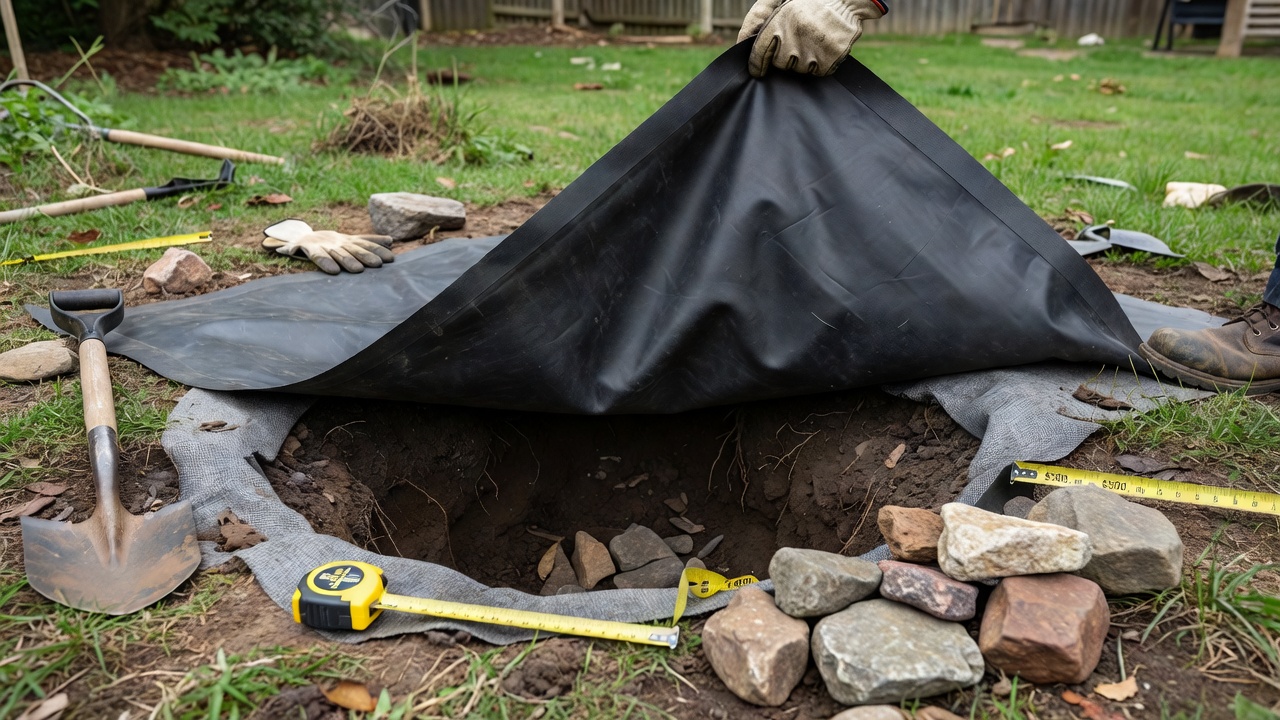
- Level the base and add a protective underlayment layer to prevent tears from rocks or roots.
- Install the liner, smoothing wrinkles and securing edges with rocks or soil, allowing extra material for adjustments.
- Set up the pump and filtration system before filling with water, testing flow rates in advance.
- Incorporate edging materials like natural stone for a seamless look that blends with surrounding terrain.
Work in stages over a weekend or two, enlisting help for heavy lifting. Beginners should start with smaller ponds under 100 square feet to build confidence. Practical tips include renting a mini-excavator for efficiency and double-checking all measurements twice before cutting materials.
Integrating Pump Systems Effectively
Pump systems circulate water, oxygenate it, and power features like fountains. Choose energy-efficient models rated for your pond volume. Position the pump near the deepest point for optimal circulation. Pair with biological filters to maintain clarity. In 2026 renovations, solar-powered pumps are popular for off-grid sustainability. Installation involves securing the unit on a flat base, running hidden tubing, and integrating timers for energy savings. Compare GPH ratings carefully and plan for backup power during outages. Real examples include pairing pumps with skimmers to reduce surface debris, enhancing overall water quality in high-pollen areas.
Plant Integration for a Thriving Ecosystem
Plants enhance aesthetics and water quality. Include oxygenators like hornwort, marginals such as irises, and floating varieties like water lilies. Plant in aquatic baskets to control spread. Position taller plants at the back for visual depth and shorter ones in foregrounds. This approach attracts beneficial insects while deterring mosquitoes naturally. Expand with details on spacing: place oxygenators in groups of three for faster coverage. Choose native species to support local pollinators and reduce maintenance. Examples from 2026 projects demonstrate how water lilies provide shade that cools the pond in summer heatwaves.
Cost Breakdowns and Budget Planning
DIY backyard ponds remain achievable for under $500 as of 2026-06-23 when sourcing from local suppliers and reusing materials. Key expenses include liners, basic pumps, and plants. Track spending by prioritizing essentials first and adding features later. Budget strategies involve salvaging stones from the property and shopping end-of-season sales for plants. Allocate funds across categories like excavation tools, water treatments, and edging to stay on track without surprises.
Safety Tips for Construction and Use
Prioritize safety with proper excavation tools, gloves, and eye protection. Fence off the area during building to protect children and pets. Install shallow shelves to allow easy exit if anyone falls in. Check local codes for electrical requirements around water features. Additional advice includes marking utilities before digging and using non-slip footwear on wet surfaces. For families, consider gradual slopes and signage to prevent accidents during the initial setup phase.
Seasonal Maintenance Schedules
- Spring: Inspect liners, clean filters, and divide overgrown plants while monitoring for winter damage.
- Summer: Monitor water levels and algae; add shade plants if needed and perform weekly debris removal.
- Fall: Remove debris and prepare pumps for winter storage by disconnecting hoses and draining lines.
- Winter: Use de-icers in cold climates to maintain oxygen levels and prevent ice buildup on surfaces.
These schedules help avoid common pitfalls like nutrient imbalances that lead to cloudy water.
Real-World Examples from 2026 Renovations
Homeowners in suburban areas have reported successful pond integrations that boosted property appeal. One project combined a pond with native plants, creating a low-maintenance habitat that reduced yard work significantly. Another fixer-upper in a rural setting incorporated a small waterfall feature using recycled materials, attracting birds and improving curb appeal. A third example involved integrating the pond into a larger patio renovation, using the water element as a natural divider between seating areas.
Mistakes to Avoid During Construction
Common errors include poor site leveling leading to uneven water levels, skipping underlayment which causes liner punctures, and overstocking plants without baskets resulting in uncontrolled growth. Always test pump performance before final filling and avoid placing the pond too close to property lines to prevent neighbor disputes. Learning from these avoids costly rework in later seasons.
FAQ: Addressing Common Pond Issues
How do I control algae?
Balance sunlight, add plants, and use barley straw extract for natural suppression while avoiding chemical overuse.
Will a pond attract wildlife?
Yes, birds and beneficial insects are drawn to well-planted ponds; install netting if concerned about larger animals like raccoons.
What if my liner leaks?
Patch with compatible repair kits after draining and drying the area, then reinforce with extra underlayment patches.
How often should I change the water?
Partial changes of 10-20% monthly during growing season maintain balance without disrupting the ecosystem.
Conclusion
Building a DIY backyard pond elevates fixer-upper renovations with lasting environmental and personal benefits. By following these advanced techniques, you create a sustainable outdoor feature that enhances your home for years to come. Start planning your project today for rewarding results that combine functionality with natural beauty. For further guidance on water conservation, visit the EPA website or explore plant resources at USDA.gov.

No comments yet. Be the first!