 Fixated on Home
Introduction: Weighing DIY and Professional Options for Outdoor Renovations
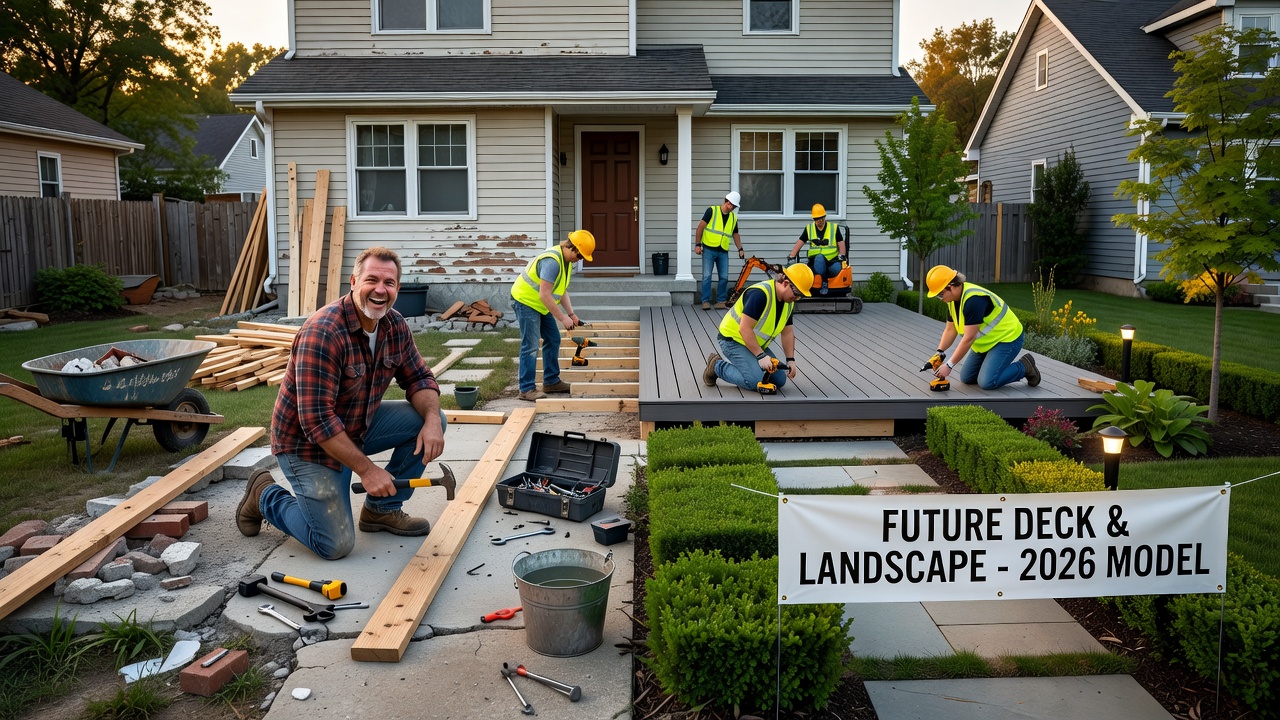
Homeowners tackling fixer-uppers often face tough decisions about outdoor spaces. From patios and decks to landscaping and fencing, outdoor renovations can dramatically boost curb appeal and property value. This guide compares DIY approaches with hiring professionals, focusing on 2026 realities for budget-conscious homeowners. We break down material sourcing, tool needs, hidden costs, timelines, skill levels, quality results, and return on investment to help you choose wisely. Outdoor projects differ from indoor ones because they face weather exposure, soil conditions, and local regulations that can complicate even simple upgrades. Beginners benefit from starting with low-stakes tasks while learning when to call in experts for structural integrity or code compliance. The decision ultimately rests on your available time, budget flexibility, and long-term goals for the property.
Whether you're a beginner or have some experience, understanding these factors empowers smarter choices. Professional help often shines when projects involve structural work or permits, while DIY works well for simpler tasks. Real-world examples show that many homeowners regret rushing into full DIY without assessing drainage or material durability first.
Budget Breakdown: Materials, Tools, and Hidden Expenses
Material costs form the foundation of any outdoor project. Sourcing lumber, concrete, or plants requires comparing big-box stores with specialty suppliers. DIYers can save on labor but must account for waste and delivery fees. For instance, choosing pressure-treated wood versus composite materials changes both upfront effort and future upkeep needs. Tool investments add up quickly. Basic kits suffice for minor jobs, yet power tools and safety equipment demand upfront spending that may not pay off if used only once. Hidden expenses include permit fees, waste disposal, and potential rework from mistakes such as improper leveling that leads to water pooling.
Professional bids bundle these elements, often including warranties that protect against early failures. Factor in long-term maintenance differences when calculating totals, because a poorly installed fence might need replacement sooner than one built by experienced crews. Consider bulk purchasing strategies and seasonal sales to stretch materials further in a DIY scenario. Always verify supplier reviews to avoid low-quality substitutes that compromise the entire project.
Timeline Differences Between DIY and Professional Work
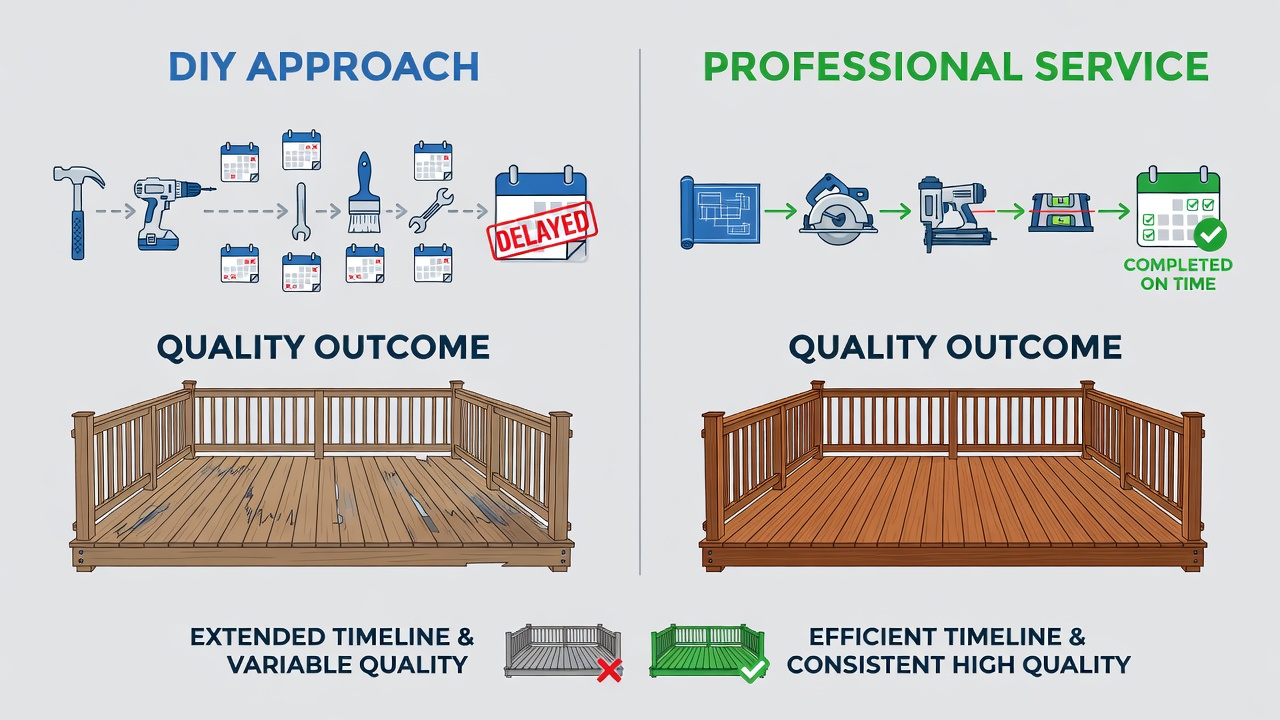
DIY projects typically stretch longer due to learning curves and limited daily hours. A deck build might take weekends over several months for novices who must pause for research or tool repairs. Weather plays a larger role when you control the schedule yourself, as rain can halt progress for days without a dedicated crew to pivot tasks.
Contractors complete the same work in days or weeks thanks to crews and experience. They coordinate multiple trades efficiently and handle unexpected site issues without restarting the learning process. Evaluate your availability before committing to DIY to avoid prolonged disruption to family routines or neighborhood access. In fixer-upper situations where you live on-site, extended timelines can also increase stress and temporary living costs during heavy construction phases.
Skill Requirements and Quality Outcomes
Skill levels vary widely across outdoor projects. Simple planting or painting suits beginners who follow online tutorials, while electrical or plumbing integrations need expertise to meet codes and avoid safety hazards. Quality outcomes depend on execution. DIY can achieve solid results with patience and tutorials, yet pros deliver consistent finishes and durability that withstand seasons of use. Beginners should practice techniques on small sections first, such as laying pavers in a test pattern before committing to a full patio surface.
Inspect past work samples when hiring to ensure alignment with your vision. Professionals bring specialized knowledge of soil testing and grading that prevents future settling or erosion issues. Mixing skill levels, such as handling planting yourself while subcontracting hardscaping, often yields the best balance of savings and quality.
ROI Calculations for Outdoor Improvements
Return on investment hinges on local market trends and project scope. Well-executed outdoor upgrades often recoup a good portion of costs through increased home value and enjoyment. Track expenses meticulously in both scenarios. Compare against recent comparable sales in your area for realistic projections. Outdoor living spaces have grown in popularity, making features like covered patios particularly attractive to future buyers.
Document every receipt and before-and-after photos to support insurance or resale discussions. HUD resources offer guidance on home improvement financing that impacts overall ROI. Consider how each choice affects energy efficiency, such as adding shade structures that reduce cooling needs during summer months.
Comparison Tables for Common Projects
| Project | DIY Approach | Professional Approach |
|---|---|---|
| Patio Installation | Lower material focus, extended timeline, risk of uneven settling | Integrated labor and permits, precise grading included |
| Deck Building | Tool purchases required, learning structural codes | Fast structural compliance, built-in warranties |
| Fencing | Basic skills sufficient for simple designs | Precise alignment and longevity with post-treatment |
| Landscaping | Plant selection and layout by hand | Irrigation systems and soil amendments handled |
Step-by-Step Decision Framework
- Assess project complexity and your skill level by listing required tasks and matching them against your past experience.
- Research local permit requirements early through city websites or planning offices to avoid mid-project halts.
- Gather multiple quotes from licensed contractors, asking for detailed line items on materials versus labor.
- Calculate total ownership costs including maintenance schedules over five years to compare true value.
- Start small with a test DIY project to build confidence before scaling to larger areas of the yard.
- Review safety protocols and insurance coverage for both approaches to protect your investment and family.
This framework helps avoid common oversights that derail many renovation plans.
Common Pitfalls: Permits, Maintenance, and More
Permits protect against legal issues but add time. Skipping them risks fines or forced removal that erases any savings. Maintenance planning ensures longevity regardless of method chosen. Other pitfalls include underestimating scope, ignoring drainage needs, or selecting materials unsuitable for your climate zone. Safety oversights during DIY, such as improper ladder use or electrical connections, can lead to injuries that far outweigh initial budget goals.
Always verify underground utilities before digging and factor in disposal of old materials. EPA guidelines provide insights on sustainable practices that reduce future upkeep while protecting local ecosystems. Sourcing mistakes, like buying untreated wood for ground contact, create rot problems within the first year.
Real-World Project Examples
Consider a typical backyard deck project. A DIY route involves measuring the space, sourcing joists and decking boards, renting a saw, and spending multiple weekends on assembly while learning proper fastening techniques. In contrast, professionals arrive with pre-cut materials, install footings in one day, and complete railing and staining quickly while handling inspections. Another example is fence replacement, where beginners might overlook post depth requirements that cause leaning over time, whereas pros use concrete anchors and level checks for straight, code-compliant results.
FAQs on Outdoor Renovation Choices
What permits are typically needed?
Most structural additions require building permits. Check city regulations before starting to confirm height, setback, and material rules.
How does DIY affect insurance?
Improper DIY may void certain coverage. Professionals often carry liability insurance that covers job-site incidents.
When does pro help maximize value?
Complex electrical, plumbing, or large-scale grading benefit most from experts who guarantee code compliance and durability.
What tools should beginners invest in first?
Start with a reliable drill, level, measuring tape, and safety glasses before expanding to specialty outdoor equipment.
How can I source materials affordably?
Compare local suppliers, consider reclaimed options for non-structural elements, and time purchases during off-season promotions.
Conclusion: Choosing the Right Path for Your Fixer-Upper
Balancing DIY savings against professional reliability leads to the best outcomes. Use the frameworks here to evaluate your next outdoor project confidently. For deeper energy efficiency tips, consult Department of Energy resources. Start planning today to transform your outdoor space effectively while protecting both your budget and long-term property value.
No comments yet. Be the first!