 Fixated on Home
DIY Greenhouse Builds: 2026 Fixer-Upper Outdoor Ideas
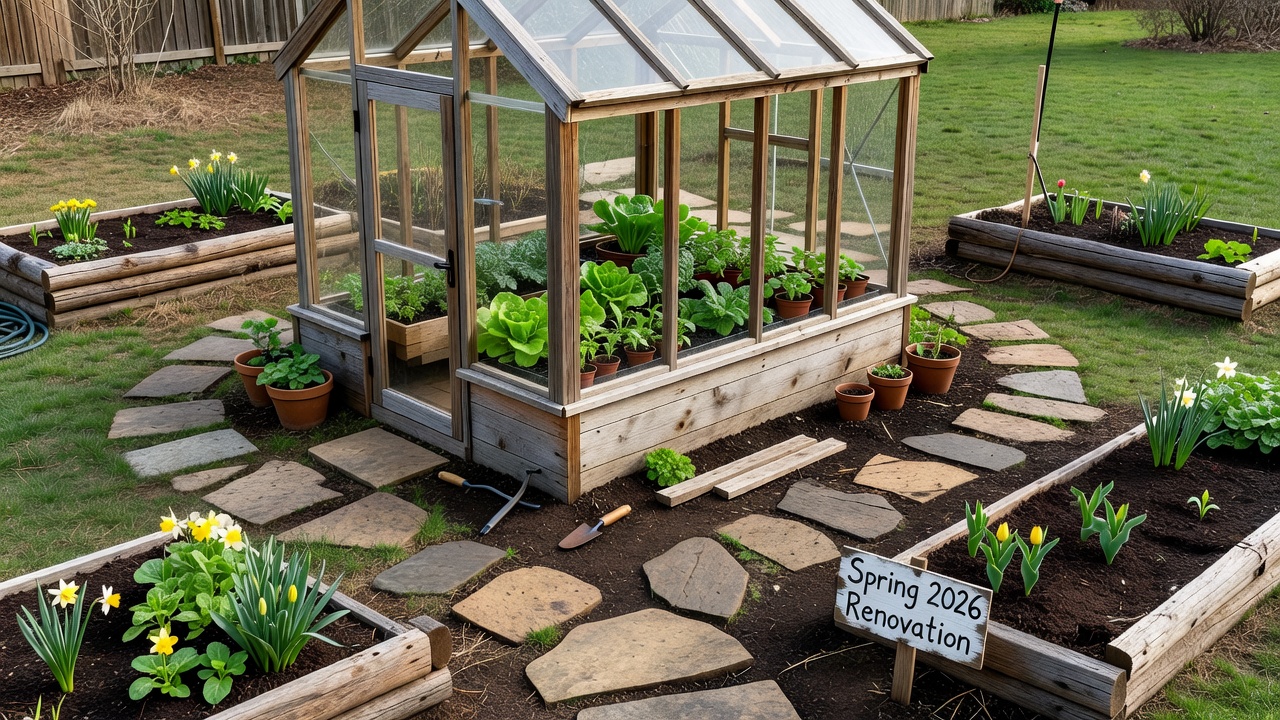
Transforming a neglected backyard into a productive greenhouse is one of the most rewarding outdoor renovation projects for 2026. With fixer-upper techniques and budget materials, homeowners can create functional growing spaces that boost property value and support year-round gardening. This guide covers every stage from initial planning to final landscaping integration, helping beginners avoid common pitfalls while optimizing for efficiency and durability in changing climates.
Choosing the Right Site for Your Greenhouse
Site selection determines the long-term success of any DIY greenhouse. Prioritize locations with maximum southern exposure for natural light, while ensuring protection from harsh winds and heavy snow loads common in many 2026 regions. Measure available space carefully and consider proximity to water sources and electricity for future automation. Avoid low-lying areas prone to flooding or frost pockets that could damage plants. Conduct a simple sun study by observing the area at different times of day over a week to confirm consistent light levels. Real-home examples show dramatic transformations: one suburban family converted a weedy corner lot into a thriving greenhouse that now supplies fresh produce monthly. Assess soil drainage by digging test holes before committing to a spot. Consider wind patterns and nearby trees that might cast shadows as seasons change.
Practical Site Assessment Steps
- Map the yard using a compass app to identify south-facing zones.
- Test soil with a basic kit to evaluate drainage and pH levels.
- Check local microclimates by noting temperature variations across the property.
- Factor in access for wheelbarrows and future maintenance paths.
Foundation Preparation Basics
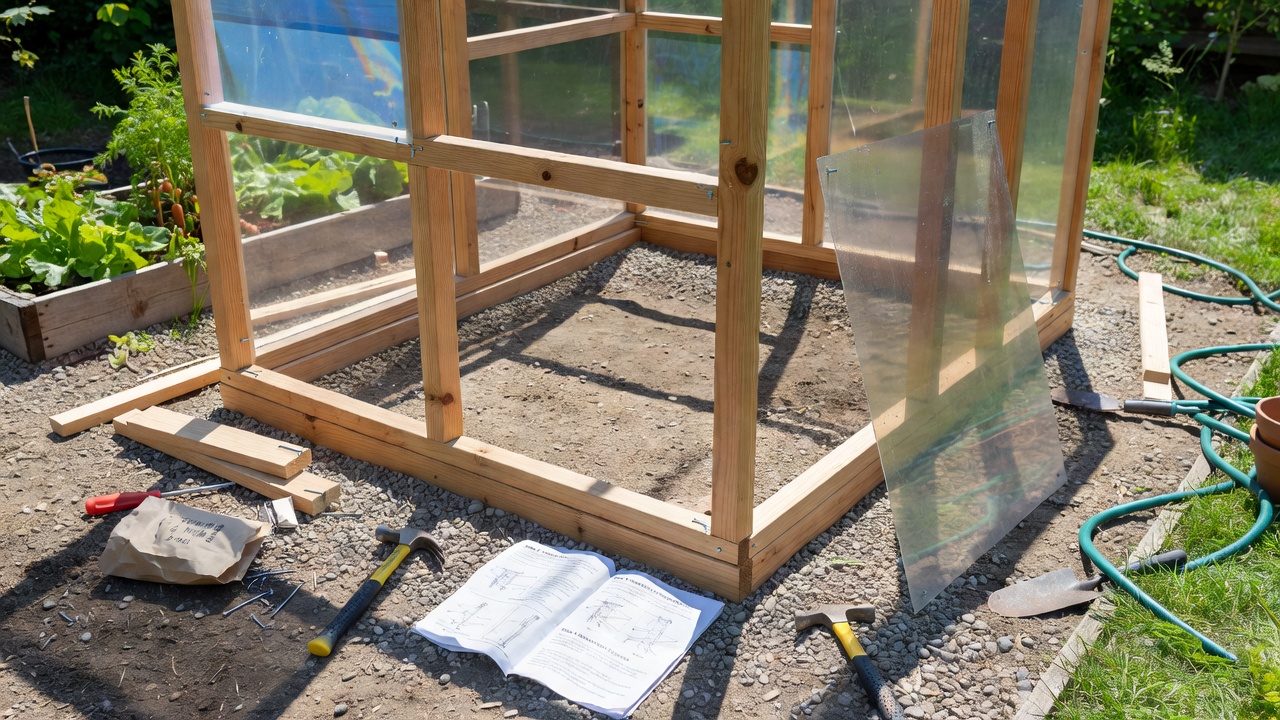
A stable foundation prevents shifting and extends the life of your structure. For fixer-upper builds, start with compacted gravel or concrete piers rather than full slabs to keep costs down. Level the ground thoroughly and install a vapor barrier to manage moisture. This step is critical for weatherproofing against increasingly variable 2026 weather patterns. Integrate the foundation with existing landscaping by edging it with native plants or reclaimed stone to create a seamless transition from yard to greenhouse. Begin by clearing debris and vegetation, then mark the perimeter with stakes and string. Compact the soil in layers using a manual tamper for even support. Add landscape fabric beneath gravel to suppress weeds while allowing water to drain properly.
Framing Options for Beginners
Wood frames offer affordability and ease of modification, while PVC or aluminum kits provide better longevity. Choose pressure-treated lumber for base plates and consider recycled materials from local salvage yards for a true fixer-upper approach. Secure all joints with galvanized hardware to resist corrosion. Compare options based on your climate: wood suits mild areas, while metal framing excels in high-wind zones. Always plan for future expansion when selecting frame dimensions. Beginners should start with simple A-frame or hoop designs that require minimal specialized tools. Salvaged windows can be incorporated into walls for added ventilation and character without extra expense.
Installing Effective Ventilation Systems
Proper airflow prevents overheating and disease. Install roof vents, side windows, and exhaust fans powered by solar options for energy efficiency. Automatic vent openers respond to temperature changes without electricity, making them ideal for DIY setups. In 2026 climates, add shade cloths during peak summer months and insulated panels for winter retention. Test the system thoroughly before planting. Position vents at opposite ends to encourage cross-breezes, and include a thermostat-controlled fan for days when manual adjustment is impractical. Consider adding circulation fans inside to prevent stagnant air pockets that encourage mold.
Material Sourcing and Cost Comparisons
Source polycarbonate panels, hardware, and lumber from local suppliers or online marketplaces specializing in surplus building materials. Reclaimed windows and doors from renovation projects add character while reducing waste. Focus on durable, UV-resistant coverings that withstand extended sun exposure. Compare traditional kits versus custom builds by evaluating longevity, ease of assembly, and adaptability to your yard's unique shape. Prioritize materials rated for outdoor use to minimize future repairs. Visit community reuse centers for discounted or free items like old doors that can serve as greenhouse entrances. Create a detailed materials list before shopping to avoid multiple trips and waste.
Integrating With Existing Landscaping
Blend the greenhouse into your outdoor space by surrounding it with raised beds, pathways, and irrigation lines that connect to the main garden. Use climbing vines on exterior walls for natural insulation and aesthetic appeal. This creates a cohesive renovation that enhances curb appeal. Install drip irrigation lines that extend from the greenhouse to nearby flower beds for unified watering. Choose native ground covers around the base to reduce erosion and blend the structure visually with the rest of the yard.
Overcoming Common Challenges in 2026 Climates
Weatherproofing remains essential. Seal all gaps with high-quality caulk and install gutters to divert rainwater. Regular maintenance includes inspecting seals seasonally and cleaning panels for optimal light transmission. Scale projects according to home size—smaller urban yards benefit from compact lean-to designs, while larger properties allow for freestanding structures. Address potential issues like snow load by reinforcing roof angles and using heavier-gauge materials in northern climates. Create a seasonal maintenance checklist that includes checking for pests, tightening hardware, and replacing worn seals.
Mistakes to Avoid
- Skipping proper leveling, which leads to uneven settling and door misalignment.
- Using non-UV-rated plastics that degrade quickly under intense sunlight.
- Neglecting drainage planning, resulting in standing water and root rot.
- Overlooking local permit requirements that can delay or halt projects.
Real-Home Transformation Examples
Many homeowners have revived unused yard corners into productive greenhouses. One case involved turning a cracked patio area into a 10x12 structure using salvaged framing, now producing vegetables throughout winter. Another example shows a narrow side yard converted into a lean-to greenhouse attached to an existing shed, providing both storage and growing space while maximizing limited square footage. These projects demonstrate how thoughtful planning turns fixer-uppers into assets that increase home enjoyment and sustainability.
FAQ
- Do I need permits for a DIY greenhouse? Requirements vary by location and size; check local building codes before starting construction.
- What plants are suitable for year-round growing? Leafy greens, herbs, and root vegetables thrive in controlled environments with proper temperature management. Consider microgreens and herbs for quick harvests in small spaces.
- How can I scale this project for different home sizes? Start small with a 6x8 footprint and expand using modular framing techniques as needs grow. Urban lots often suit vertical or wall-mounted designs.
- How do I maintain the greenhouse year-round? Clean glazing monthly, monitor humidity levels, and adjust ventilation seasonally to match outdoor conditions.
For more on sustainable outdoor practices, visit the USDA, EPA, and NOAA resources on climate-resilient gardening.
No comments yet. Be the first!