 Fixated on Home
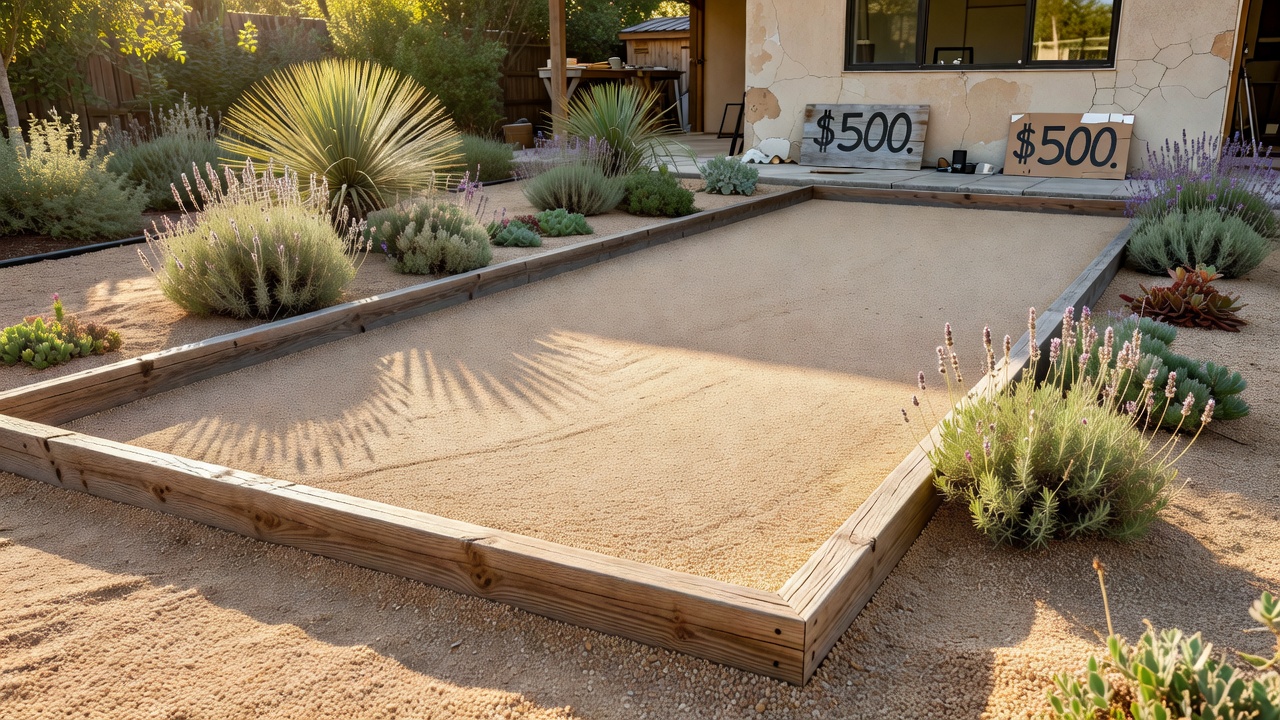
Introduction to Building Your Own Bocce Court
Homeowners tackling fixer-upper properties frequently look for affordable outdoor renovation projects that combine practical DIY skills with meaningful home improvement. A regulation bocce court delivers exactly that by converting underutilized or uneven backyard areas into a functional recreational space. This in-depth 2026 guide provides everything needed for a successful build, from initial planning through long-term upkeep, incorporating real-world examples and decision-making frameworks that help avoid common pitfalls.
Bocce appeals to all ages and requires minimal equipment beyond the balls themselves. For fixer-uppers, the project enhances property value while creating a social hub. The process emphasizes budget-conscious choices that stay under $500 as of 2026-09-01 when materials are sourced carefully and labor is handled in-house.
Site Selection and Preparation
Start by evaluating your yard for a suitable location. Regulation dimensions call for a playing surface of 76 feet by 13 feet, though many residential versions scale to 60 feet by 12 feet for space constraints. Identify areas with minimal tree cover to reduce leaf debris and ensure at least six hours of daily sunlight. Check soil composition by performing a simple percolation test: dig a 12-inch hole, fill with water, and measure drainage rate over one hour. Ideal sites drain within 30 minutes.
Clear vegetation, rocks, and roots thoroughly. Use a string line and stakes to mark boundaries precisely. For sloped fixer-upper yards, calculate the grade difference and plan terracing with retaining boards. Renting a sod cutter or tiller speeds preparation. 2026 renovation examples from Midwest homeowners show success when courts were placed parallel to existing fences, using the fence as a natural backstop while preserving garden sightlines.
Material Choices: Decomposed Granite versus Artificial Turf
Decomposed granite creates a traditional, fast-draining surface that compacts into a firm playing area. It costs less upfront and blends naturally with most landscapes. Artificial turf offers consistent bounce and requires less raking but can retain heat in sunny climates. Weigh factors such as local rainfall, foot traffic, and maintenance tolerance. Granite suits arid regions where it resists weeds when properly edged, while turf works better in humid zones prone to erosion.
Consider hybrid approaches that combine a granite base with turf borders for visual interest. Always verify material compatibility with your soil type to prevent shifting over time.
Step-by-Step Construction Process
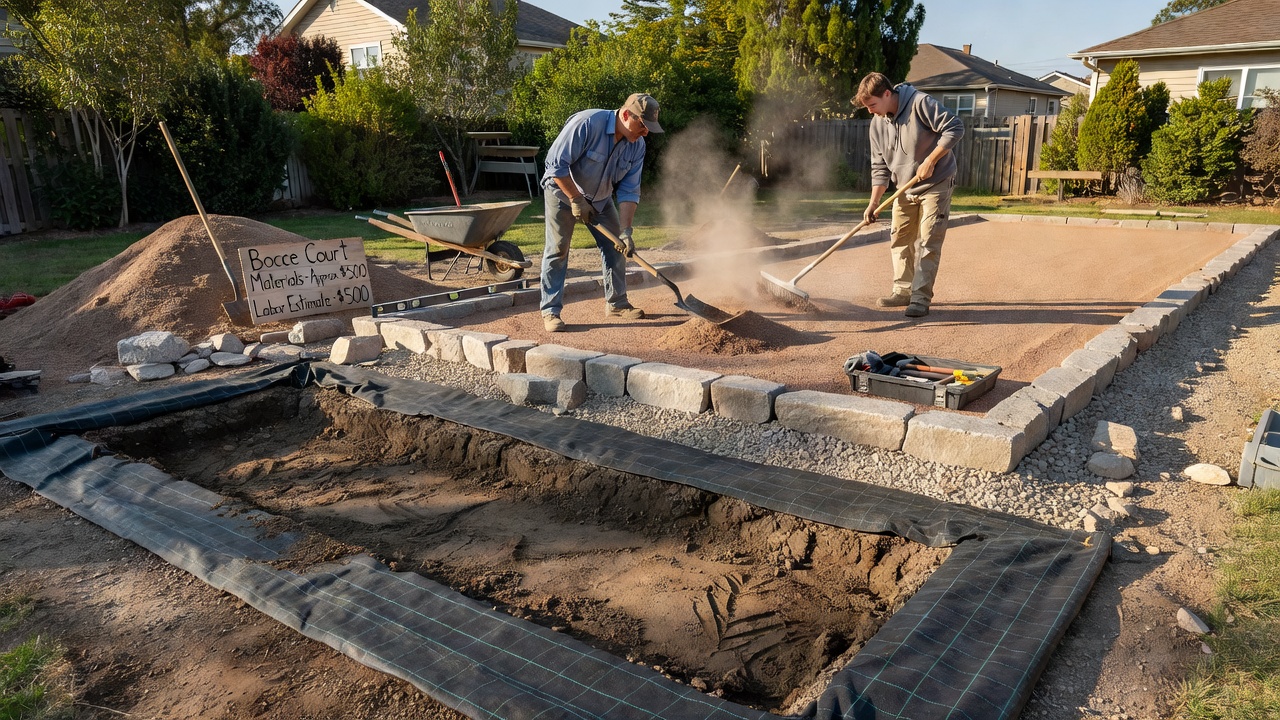
Begin excavation to a depth of four to six inches across the entire marked area. Remove excavated soil to a compost pile or low spot elsewhere in the yard. Lay down heavy-duty landscape fabric overlapping seams by six inches. Spread four inches of crushed stone or gravel as the base layer, raking it level before compacting with a plate compactor in overlapping passes. Top with two inches of decomposed granite or turf underlayment, again compacting thoroughly. Install edging before final surfacing to contain materials.
Allow the base to settle for 48 hours and re-compact any soft spots. Test the surface by rolling a bocce ball across it to confirm consistent speed and minimal deflection.
Drainage Solutions and Edging Techniques
Proper drainage prevents pooling that damages the court surface. Install a French drain along the lowest edge using perforated pipe wrapped in fabric and covered with gravel. Alternatively, create a gentle 1-2 percent slope directing water toward a rain garden or existing swale. Edging options include 2x6 pressure-treated lumber anchored with 18-inch rebar stakes every two feet, or composite boards that resist rot. These methods stop material creep and protect adjacent lawns or flower beds.
2026 projects often incorporate permeable edging that allows minor water passage while maintaining clean lines.
Cost Breakdowns Under $500
Successful budget builds using decomposed granite and reclaimed edging materials stay comfortably under $500 as of 2026-09-01. Allocate funds primarily to base gravel, fabric, and compacting tool rental. Reuse existing soil for backfill where possible and purchase materials in bulk from local landscape suppliers. Track expenses with a simple spreadsheet to stay on target.
Integration with Existing Landscaping
Blend the finished court into the broader yard by planting drought-tolerant shrubs or ornamental grasses along the perimeter. Create curved mulch paths connecting the court to patios or seating areas. 2026 renovation cases demonstrate how raised planter boxes placed strategically can double as spectator seating while softening hard edges.
Maintenance Routines for Long-Term Use
- Weekly raking to redistribute surface material and remove debris.
- Monthly inspection of edging stability and re-compaction of high-traffic zones.
- Seasonal application of organic weed preventer and checking for drainage clogs.
- Annual deep cleaning and top-dressing with fresh granite if settling occurs.
DIY versus Professional Builds Comparison
DIY construction offers substantial savings and personal satisfaction but demands physical labor and weekend time. Professional installation guarantees precise leveling and warranty coverage yet typically doubles overall expense. Fixer-upper owners often choose the DIY route when they already own basic tools and can enlist family help for the heavier phases.
Practical Examples from 2026 Renovations
A California couple converted a neglected side yard into a granite bocce court over three weekends, integrating it with native plant borders that reduced irrigation needs. In the Northeast, another family added a drainage swale that doubled as a pollinator garden, turning a wet low spot into an attractive feature. These projects highlight adaptability to regional climate challenges.
Tools and Equipment Needed
Essential items include a plate compactor, laser level, string line, rake, shovel, wheelbarrow, and tamper. Rent specialized equipment from home improvement centers to control costs. Safety gear such as gloves and dust masks protects during excavation and compaction.
Common Mistakes to Avoid
Skipping proper compaction leads to uneven play later. Overlooking local permitting requirements can cause setbacks. Using untreated wood for edging invites rot within two seasons. Always verify material quantities before purchase to prevent shortages mid-project.
FAQs: Addressing Common Issues
How do I level an uneven yard?
Use a laser level to identify high and low points. Add and compact fill material in thin layers, checking frequently until the surface reads within one-quarter inch across the court.
What about weatherproofing?
Select UV-stabilized materials and apply a protective sealant to wooden components annually. Store balls indoors during winter and cover the court with a breathable tarp during heavy storms.
Do I need permits?
Check municipal codes for structures over a certain size. Many residential courts under 100 square feet require none, but drainage alterations may trigger review.
Additional guidance on soil and water management appears on USDA resources. Stormwater best practices are detailed at EPA stormwater resources. Weather considerations for outdoor projects can be explored via NOAA climate tools.
Conclusion
A well-planned DIY bocce court transforms fixer-upper backyards into vibrant gathering spaces without exceeding modest budgets. Following these detailed steps ensures a durable, low-maintenance result that integrates beautifully with existing landscaping and provides years of enjoyment.
No comments yet. Be the first!