 Fixated on Home
Introduction to DIY Irrigation for Fixer-Uppers
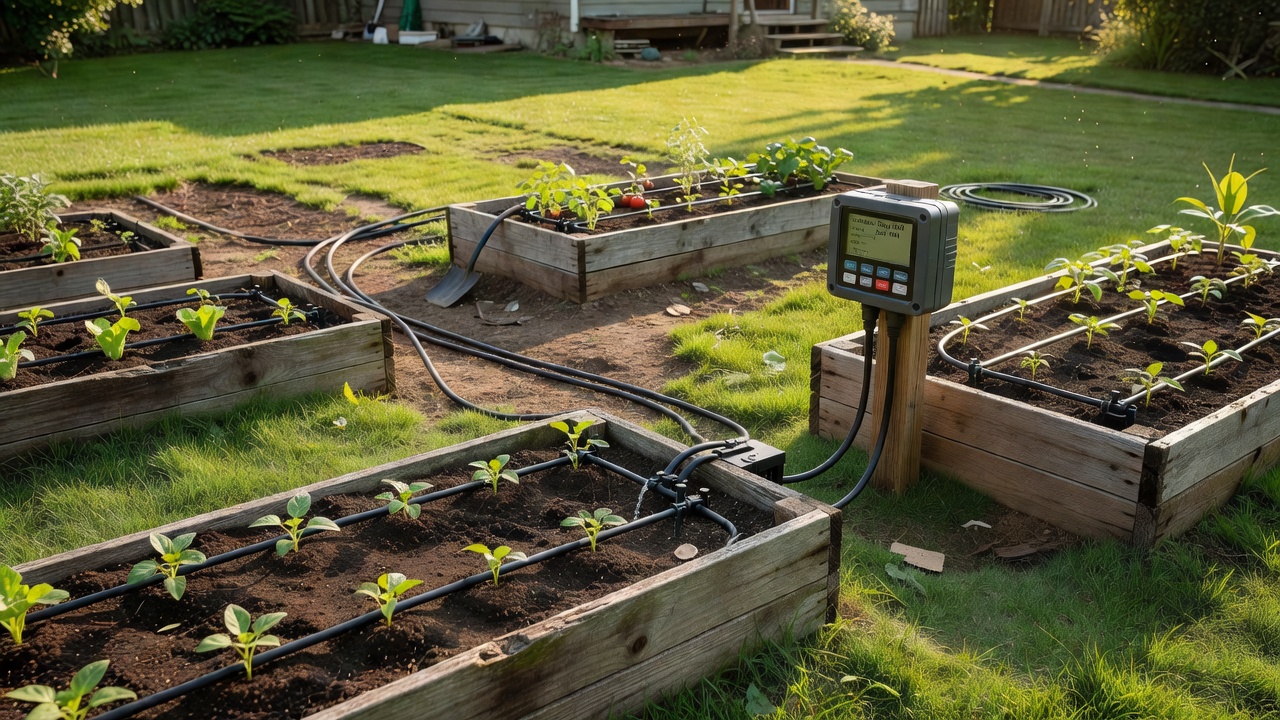
Building a custom outdoor irrigation system is one of the smartest upgrades for fixer-upper homes seeking water efficiency and low upkeep. This guide covers every stage from initial assessment to long-term maintenance, tailored for 2026 climate patterns with an emphasis on drought resilience and smart integration. Homeowners tackling older properties often face uneven yards, outdated plumbing, and varying plant needs, making a tailored DIY approach far superior to generic professional packages. By focusing on drip irrigation and automated controls, you can reduce water waste while creating a landscape that thrives with minimal intervention throughout the seasons.
Site Assessment and Planning
Start by mapping your yard's sun exposure, soil type, and existing plant zones. Measure slopes and note water sources. This prevents overwatering and ensures even coverage across different garden beds and lawns. Begin with a simple walk-through: divide the property into zones based on plant types, such as vegetable gardens needing frequent shallow watering versus established trees that prefer deep infrequent cycles. Test soil drainage by digging small holes and observing how quickly water absorbs. In fixer-upper scenarios, check for buried utilities or old sprinkler remnants that could interfere. Document everything with photos and sketches to guide component placement and avoid costly rework later.
Selecting the Right Components
Choose drip lines for targeted root watering, pressure regulators, and battery or solar-powered timers. Compare inline emitters versus soaker hoses based on your plant needs. Quality fittings reduce leaks over time. For 2026 projects, prioritize UV-resistant tubing and filters that handle sediment common in older municipal supplies. Automation options include Wi-Fi controllers that adjust schedules via weather data, helping align with variable 2026 rainfall forecasts. Consider adding backflow preventers to comply with local codes and protect household water quality. Real-world examples show that mixing 1/2-inch main lines with 1/4-inch feeder tubes works well for mixed beds containing both flowers and shrubs.
Step-by-Step Installation Process
1. Lay out the main supply line from your spigot using flexible polyethylene tubing rated for outdoor use.
2. Install valves and filters at the source to control flow and catch debris.
3. Run drip tubing along plant rows, securing with stakes every 12-18 inches.
4. Connect emitters at the base of each plant, spacing them according to root spread.
5. Attach a timer or controller and perform a full-system pressure test.
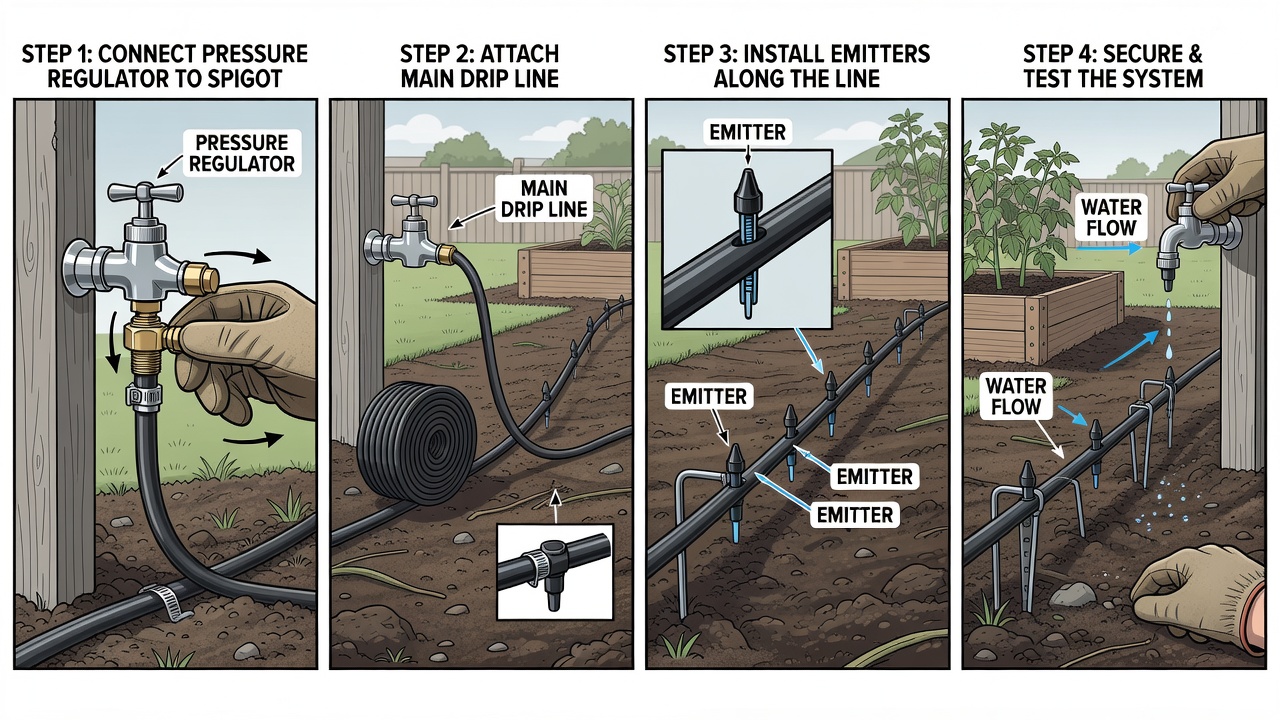
Always flush lines before final connections to remove debris. In practice, a fixer-upper with a 2,000-square-foot yard might complete the core layout in a weekend, followed by fine-tuning over the next week. Pay attention to elevation changes by adding extra regulators on downhill sections to maintain consistent flow.
Automation and Smart Upgrades
Integrate rain sensors and soil moisture probes for hands-off operation. These features cut water waste significantly while supporting sustainable landscaping goals. Pair the system with a basic weather station app that pulls local forecasts, allowing automatic shutoffs during unexpected storms common in shifting 2026 patterns. Many users add zone-specific valves so lawns receive different cycles than flower borders, improving overall plant health without extra daily effort.
Budget Comparisons and Real-World Examples
DIY builds typically cost less than professional services by focusing on modular kits and reused materials where possible. One homeowner in a Midwest fixer-upper converted an existing hose bib setup into a zoned drip system over three weekends, achieving noticeable lawn improvement within the first month. Another example involved retrofitting a sloped California property where professional quotes exceeded expectations, yet the DIY version used off-the-shelf parts for reliable coverage across terraced beds. Focus on long-term savings through reduced utility usage rather than upfront material lists.
Troubleshooting Common Issues
- Clogged emitters: Clean quarterly with vinegar solution and replace any damaged units promptly.
- Uneven pressure: Add regulators at branches and verify main line diameter matches your water source output.
- Timer failures: Check batteries monthly during peak season and test manual override functions before leaving for extended periods.
- Leaking connections: Use thread sealant tape on all threaded joints and inspect after heavy rain events.
- Animal damage: Bury shallow lines slightly or cover with mulch to deter chewing from rodents.
Maintenance Schedule for 2026 Climates
Inspect systems monthly in spring and fall. Winterize by draining lines in colder regions. Adjust timers seasonally based on evapotranspiration rates. Create a calendar that includes spring startup checks for winter damage, summer filter cleaning every four weeks, and autumn shutdown procedures involving compressed air to clear lines. In regions expecting increased heat waves in 2026, add extra mid-season audits to monitor soil moisture levels and prevent stress on new plantings.
Integration with Other DIY Projects
Pair irrigation with rainwater harvesting or raised bed builds for maximum efficiency. This creates cohesive outdoor living spaces that enhance property value. For instance, route overflow from a barrel system directly into the irrigation header for supplemental supply during dry spells. Combine with path installations or patio builds by running lines beneath walkways using protective conduit sleeves.
FAQ
How much water can a DIY system save? Well-designed drip setups often reduce usage by 30-50% compared to sprinklers when properly zoned.
What tools are essential? Pipe cutters, Teflon tape, a pressure gauge, and basic wrenches cover most installs without specialized equipment.
Can it work with existing sprinklers? Yes, hybrid conversions allow gradual upgrades by capping unused heads and adding drip laterals.
How often should filters be cleaned? Monthly during active seasons, or more frequently if your water source contains high mineral content.
Is professional help ever needed? For complex electrical automation or permit-required backflow devices, consulting a local expert ensures code compliance.
Conclusion
A thoughtfully built DIY irrigation system transforms fixer-upper yards into efficient, low-maintenance outdoor spaces. Follow these steps for lasting results that support both your home and the environment. For more guidance, visit epa.gov, usda.gov, and noaa.gov.
No comments yet. Be the first!