 Fixated on Home
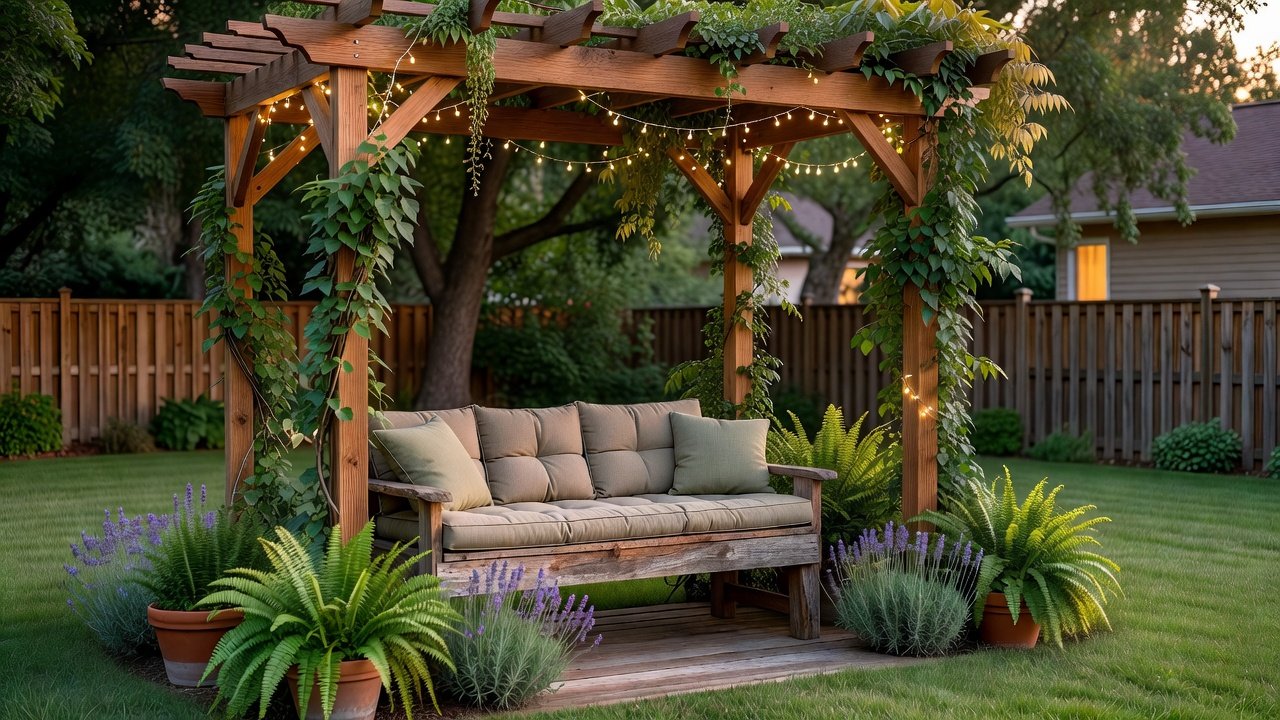
Creating Your Perfect Outdoor Reading Retreat in 2026
Homeowners tackling fixer-uppers are increasingly turning to custom outdoor reading nooks as a way to blend functionality with personal sanctuary. These secluded seating areas transform underused yards into inviting spaces for relaxation and focus. With 2026 trends emphasizing sustainability, reclaimed materials, and low-maintenance designs, building your own nook offers both creative fulfillment and long-term value. Whether your property features a compact urban lot or a sprawling suburban backyard, a well-planned reading nook can serve as an extension of your living space, encouraging daily outdoor time while boosting property appeal. Careful consideration of site conditions, material durability, and environmental integration ensures the project withstands years of use and weather exposure.
Before starting, assess your yard for zoning requirements and drainage issues. Local regulations may dictate setbacks from property lines, while proper grading prevents water pooling that could damage structures or plants. Walk the potential site at different times of day to note sun patterns, wind directions, and existing vegetation that might enhance or hinder the design. Document measurements and photograph the area to reference during planning.
Planning Your Secluded Seating Area
Begin by selecting a quiet corner shielded from neighbors or street views. Incorporate natural barriers like tall shrubs or existing fences. Factor in sun exposure—morning light suits early readers, while afternoon shade protects afternoon sessions. Consider how the nook will connect to the rest of the yard through pathways or adjacent features such as fire pits or garden beds. Sketch simple layouts on paper or use free design apps to visualize traffic flow and seating orientation. Account for accessibility if family members have mobility needs, ensuring wide enough paths and stable ground surfaces.
Integrate weatherproof storage for cushions and books using sealed cedar chests or built-in benches with hinged lids. Add solar-powered lighting for evening ambiance without wiring hassles. Think about power sources early if you plan to expand later with outlets or automated timers. This phase also involves evaluating soil type and slope to anticipate foundation requirements.
Material Choices and Sustainable Trends
Reclaimed wood from old pallets or barn boards leads 2026 sustainable home improvement trends. Pair it with recycled metal for accents. Compare options like pressure-treated lumber for longevity versus cedar for natural resistance to rot. Focus on locally sourced materials to reduce environmental impact, aligning with broader eco-friendly practices promoted by government sustainability guidelines. Explore salvaged items from local reclamation yards for unique character that new materials cannot replicate. Consider the lifecycle of each component, prioritizing those that can be disassembled and repurposed in future projects.
Pros and Cons of Common Materials
- Reclaimed wood: Offers rustic charm and lower environmental footprint but may require extra sanding and sealing for consistency.
- Cedar: Naturally insect-resistant and aromatic, though more expensive upfront than pine alternatives.
- Recycled composite decking: Low maintenance and splinter-free, yet heavier to work with during installation.
- Metal accents: Provide modern contrast and strength for frames, but need rust-proof coatings in humid climates.
Step-by-Step Bench Construction
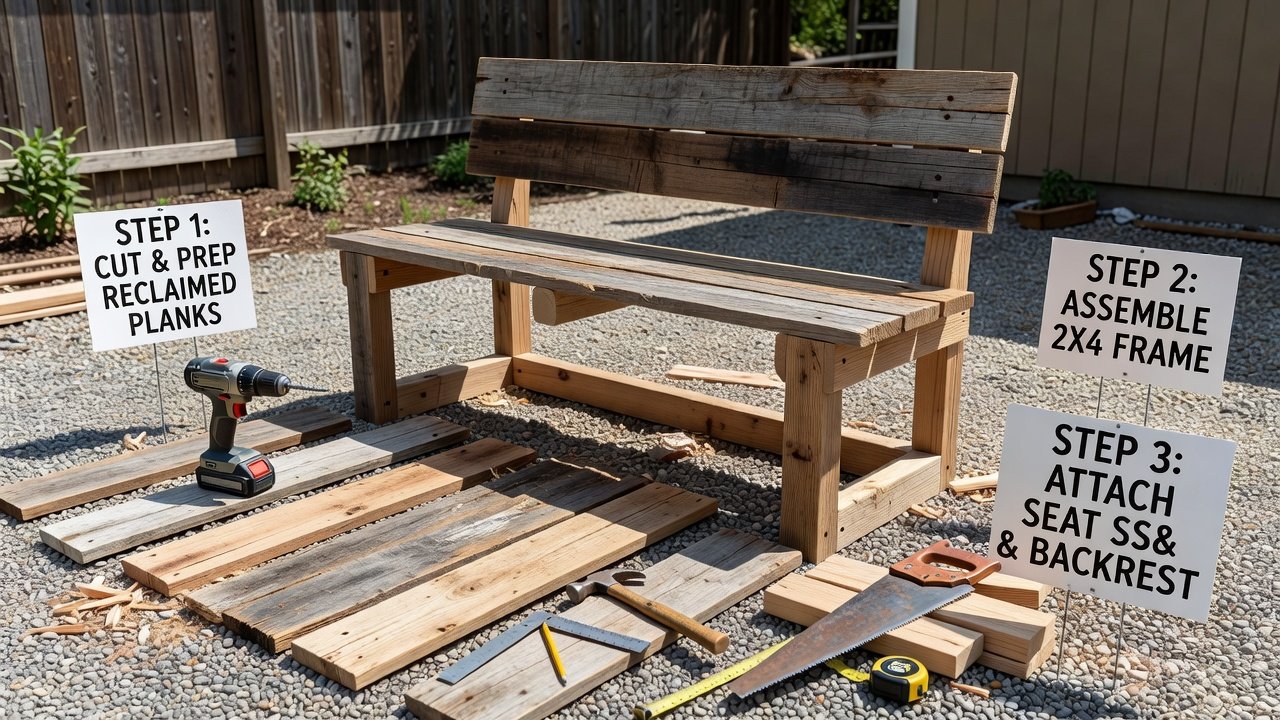
1. Measure and level your site, ensuring a slight slope for drainage. Use a long spirit level and adjust with gravel fill as needed.
2. Build a frame from 2x4s, securing with galvanized screws. Double-check all joints for squareness before proceeding.
3. Attach reclaimed planks for the seat and backrest. Pre-drill holes to prevent splitting in older wood.
4. Sand surfaces smooth and apply outdoor sealant. Allow full curing time before placing cushions or exposing to rain.
5. Add optional armrests or cup holders cut from scrap pieces for added comfort and functionality.
This creates a sturdy, comfortable base that withstands seasonal changes. Test the bench by sitting on it multiple times during construction to confirm stability and ergonomics.
Overhead Shade Structures and Cozy Accents
Construct a simple pergola using 4x4 posts and crossbeams, then drape with weather-resistant fabric or climbing vines. For smaller yards, a retractable awning provides flexibility. Anchor posts deeply into concrete footings to resist high winds common in many regions. Extend the structure slightly beyond the seating area to create a sense of enclosure without feeling cramped.
Add cozy accents like weatherproof throw pillows in neutral tones and a small side table from repurposed crates. These elements enhance comfort without high upkeep. Incorporate hanging planters or wall-mounted shelves for books and lanterns to keep surfaces clear. Layer textures with outdoor rugs or woven mats to define the space further and soften hard surfaces.
Selecting Low-Maintenance Plants for Ambiance
Choose native species such as lavender, ferns, or ornamental grasses that thrive in your climate zone. They require minimal watering once established and attract pollinators for a lively atmosphere. Consult resources from USDA plant hardiness guidance to match selections to your region. Arrange plants in layers—taller shrubs for privacy at the back, medium perennials for color, and ground covers to suppress weeds. Rotate seasonal blooms where possible to maintain visual interest year-round without constant replanting.
Addressing Drainage and Structural Safety
Install French drains or gravel bases around the nook to manage runoff. For structural integrity, use concrete footings for posts and check load-bearing capacity. Safety tips include wearing protective gear during cuts and verifying all connections are tight to prevent collapse in wind. Inspect the completed structure seasonally for loose hardware or wood movement caused by freeze-thaw cycles. If your area experiences heavy snow, design the roof pitch to shed accumulation easily.
2026 Trends in Sustainable Outdoor Upgrades
Expect growth in modular designs that adapt to changing needs and integration of smart sensors for automated lighting. These approaches reduce waste and energy use while boosting curb appeal for fixer-uppers. Pairing nooks with rainwater collection systems or pollinator gardens further aligns projects with emerging eco-certification standards promoted by federal energy efficiency resources.
Common Pitfalls to Avoid
- Skipping soil tests leading to unstable foundations.
- Overplanting without considering mature sizes that could crowd the seating area.
- Ignoring local permits, resulting in removal orders or fines.
- Using untreated wood that warps quickly under sun and rain exposure.
- Placing the nook too close to utilities or property boundaries without verification.
- Neglecting ventilation under seating, which can trap moisture and promote mold.
FAQ: Scaling Projects for Small Yards
How can I adapt these ideas to tiny spaces? Focus on vertical elements like wall-mounted shelves and compact folding chairs that store away when not in use.
What if drainage is poor? Elevate the entire platform on adjustable feet or add raised beds with built-in channels that direct water away from the structure.
Are permits always needed? Check with your municipality—small freestanding structures under a certain height often qualify for exemptions, but always confirm in writing.
Can I build this as a weekend project? A basic bench and simple shade can be completed in two days with pre-cut materials, but allow extra time for sealing and planting.
Conclusion
Building a DIY outdoor reading nook combines practicality with creativity, turning fixer-upper challenges into rewarding upgrades. By prioritizing reclaimed materials, thoughtful planning, and sustainable choices, you create a lasting retreat that enhances both your home and daily life. Start small, refine as you go, and enjoy the process of crafting a personalized outdoor haven.
No comments yet. Be the first!