 Fixated on Home
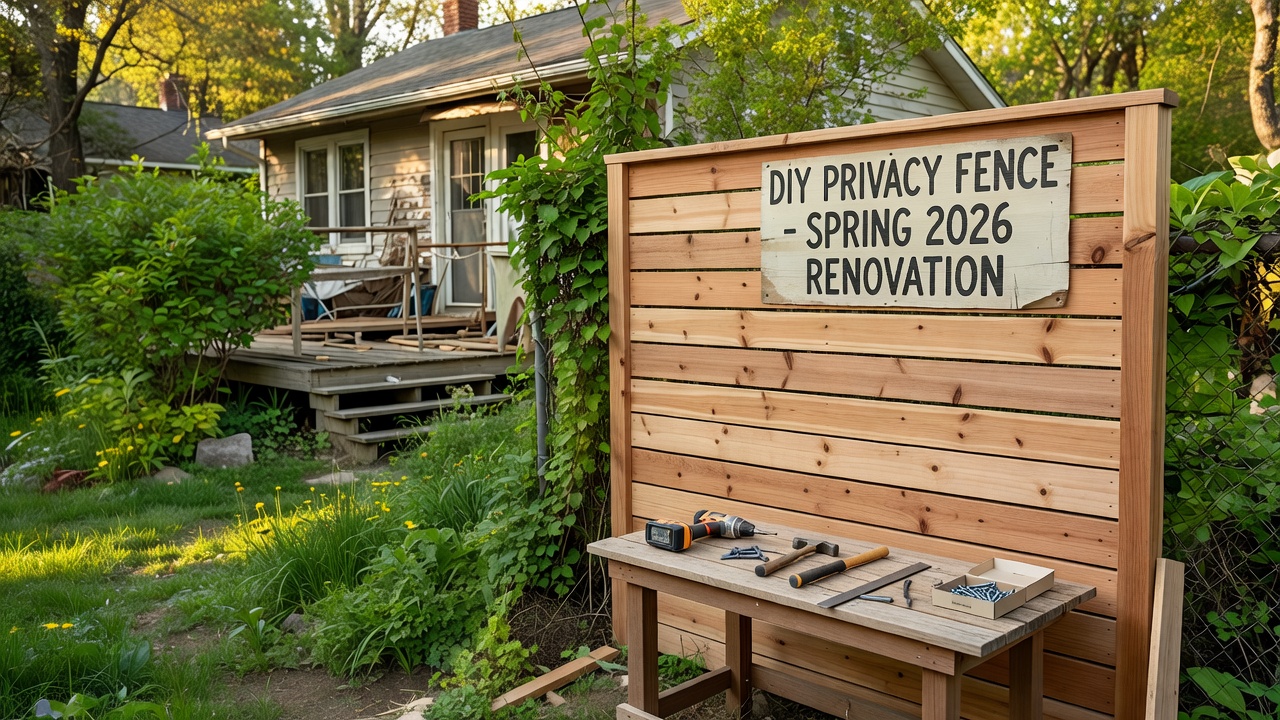
Introduction to DIY Privacy Fences for Fixer-Uppers
Privacy fences have become a staple in 2026 outdoor renovations, especially for homeowners tackling fixer-upper properties. These structures not only enhance seclusion but also boost curb appeal and property value through thoughtful home improvement and outdoor renovation strategies. With durable materials trending this year, DIY builds offer cost-effective ways to customize your yard without professional crews. In many fixer-upper scenarios, an outdated or missing boundary leaves yards exposed to neighbors, noise, and weather. Adding a privacy fence addresses these issues while aligning with broader renovation goals such as improving functionality and aesthetics.
Whether your space is compact or sprawling, integrating a privacy fence aligns perfectly with broader fixer-upper goals. This guide covers everything from material selection to long-term maintenance, helping you create functional, stylish barriers that withstand weather and time. Homeowners often find that a well-planned fence project serves as an entry point into larger outdoor upgrades, providing immediate privacy and a foundation for future landscaping or seating areas.
Comparing Popular Materials for 2026 Builds
Choosing the right materials is crucial for durability in outdoor renovations. In 2026, trends favor sustainable and low-maintenance options that balance aesthetics with strength. Wood remains popular for its classic appeal and ease of working with hand tools, while newer composites offer enhanced resistance to the elements. Vinyl continues to gain traction for its clean lines and minimal upkeep, and metal options provide a contemporary edge suitable for urban fixer-uppers.
- Wood: Classic cedar or pine offers natural beauty and easy customization. It blends well with fixer-upper landscapes but requires sealing for longevity. Many choose pressure-treated pine for budget-conscious projects because it accepts stains and paints readily.
- Vinyl: Highly durable and weather-resistant, vinyl mimics wood without the upkeep. Ideal for busy homeowners seeking modern looks, it resists fading and cracking even in harsh sun exposure.
- Composite: A mix of wood fibers and plastic, composites resist rot and insects while providing a premium finish. These materials often feature subtle textures that photograph well for before-and-after documentation.
- Metal: Aluminum or steel panels add industrial flair and extreme durability, suiting contemporary outdoor upgrades. They require less frequent replacement and can incorporate perforated designs for partial light filtration.
Each option supports creative designs like slatted patterns or mixed-media accents popular in current trends. When comparing, consider local climate factors such as humidity, wind loads, and soil conditions to ensure the chosen material performs well over decades.
Planning Your Project and Obtaining Permits
Before breaking ground, thorough planning prevents setbacks. Measure your property lines accurately using a professional survey if boundaries are unclear. Sketch multiple design options, factoring in gate placements, corner posts, and any height restrictions imposed by neighborhood covenants. Checking local building codes early saves time later, as many municipalities require permits for structures over a certain height. This step also ensures compliance with utility locating services to avoid damaging underground lines.
Step-by-Step Guide to Building Your Privacy Fence
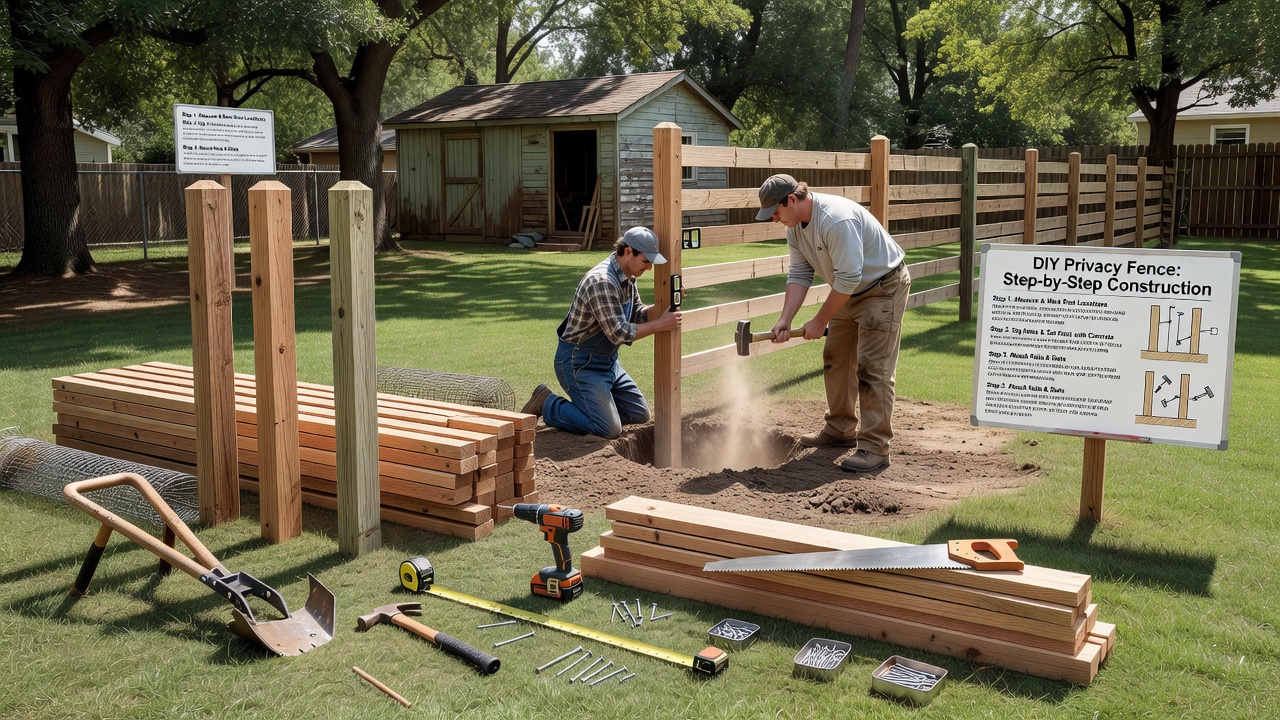
Follow these practical instructions for a successful DIY project. Always check local regulations before starting. Begin by clearing the work area of debris and vegetation, then mark post locations with stakes and string. Dig holes to a depth that accounts for frost lines in your region, typically 24 to 36 inches, and set posts in concrete for maximum stability.
- Plan your layout and measure the perimeter accurately, marking post locations every 6-8 feet.
- Gather tools including a post hole digger, level, saw, and drill. Wear appropriate safety equipment such as gloves and eye protection throughout the process.
- Install posts in concrete footings for stability, allowing time to set. Use a level on each post and brace them temporarily with scrap lumber.
- Attach rails between posts, then secure panels or pickets. Maintain consistent spacing to achieve full privacy without gaps.
- Finish with stain, paint, or sealant suited to your material choice. Apply multiple thin coats rather than one heavy layer for better penetration and longevity.
Take breaks to double-check alignments, as small errors compound over long runs. For sloped yards, adjust rail heights incrementally rather than forcing level panels that create uneven gaps at the bottom.
Budget Considerations and Material Sourcing
Successful projects balance quality with available resources. Focus on sourcing materials from reputable suppliers that offer warranties, and prioritize durable choices that reduce replacement frequency. Factor in delivery fees, tool rentals if needed, and contingency amounts for unexpected soil issues or design changes. Many DIYers complete solid privacy fences using mid-range materials that fit comfortably within typical outdoor renovation budgets for fixer-uppers.
Integrating Fences with Existing Yards
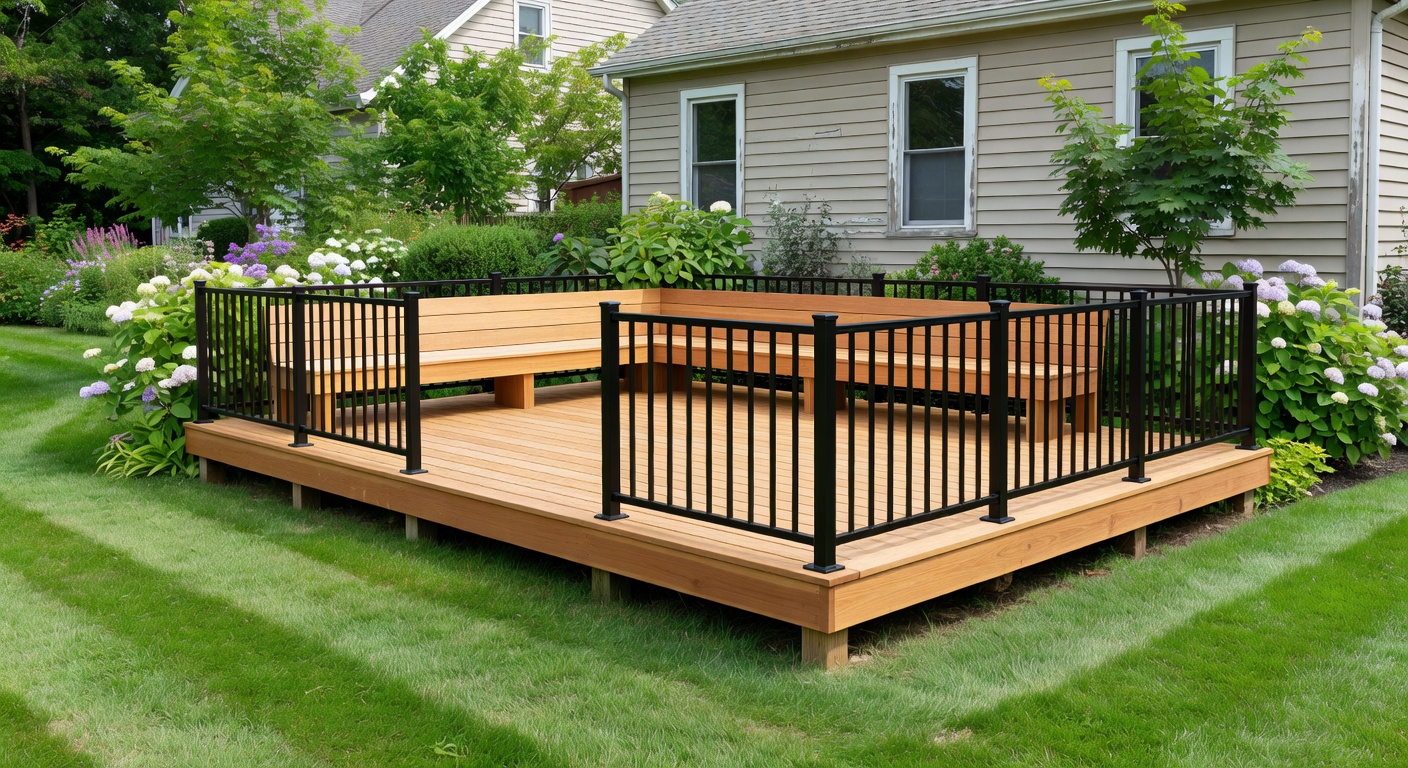
Seamless integration transforms your outdoor space. Align fence styles with existing decks or gardens for cohesive home improvement results. Consider adding gates or planters to enhance functionality during outdoor renovation phases. For example, a fence that matches the railing style on an existing deck creates visual continuity. Incorporate climbing plants along the base or install built-in lighting for evening usability. These touches turn a basic boundary into an extension of living space.
Recommended Tools and Common Pitfalls
Essential tools include safety gear, measuring tapes, and power drivers. A reliable post level, string line, and circular saw will handle most cuts. Renting a powered auger speeds up digging in compacted soil. Common mistakes include placing posts too close together, which wastes materials, or neglecting proper drainage around footings, leading to premature rot. Another frequent error is skipping the concrete curing time, resulting in leaning sections within the first season. Learn from these by testing small sections first and consulting experienced neighbors or online forums for regional tips. Always follow established safety guidelines from sources like OSHA when operating power tools.
Before-and-After Examples
Many homeowners report dramatic transformations: an open yard becomes a private retreat with added greenery. One suburban fixer-upper replaced a chain-link fence with a six-foot cedar privacy screen, instantly creating a quiet reading nook that previously felt exposed. Another project mixed vinyl panels with wood accents to complement a modernized ranch home, resulting in a yard that felt larger and more intentional. These examples highlight how simple builds elevate fixer-uppers into personalized sanctuaries while supporting sustainable material choices promoted by organizations such as EPA.
Maintenance and Customization for Long-Term Results
Regular upkeep extends the life of any fence. Clean surfaces seasonally, inspect for loose fasteners, and reapply protective coatings as recommended by the manufacturer. Customization options include adding trellises for vertical gardens, painting in trending earth tones, or installing decorative caps on posts. These modifications keep the structure fresh and tailored to evolving yard needs.
Conclusion
DIY privacy fences empower 2026 outdoor renovations with creativity and practicality. By focusing on durable materials and careful planning, your project delivers lasting value and enjoyment. Start small, measure twice, and enjoy the process of shaping a more private outdoor environment.
FAQ
How often should I maintain my privacy fence?
Inspect annually and reapply sealants every 2-3 years depending on material and climate exposure. Early detection of issues prevents larger repairs.
Can I customize my fence for better aesthetics?
Yes, incorporate lattice tops, climbing vines, or color accents to match your yard's theme. Mixed-material designs remain popular in 2026 renovations.
What if my yard has uneven terrain?
Use stepped designs or adjustable post heights to accommodate slopes effectively. Professional surveys help determine the best approach before digging begins.
Are there eco-friendly material options available?
Many manufacturers now offer composites made from recycled content and sustainably harvested woods certified by recognized forestry programs. These choices support both durability and environmental responsibility.
How do I handle gate installation for frequent access?
Reinforce gate posts with extra bracing and select heavy-duty hinges rated for the weight of your chosen panels. Proper alignment ensures smooth operation over years of use.
No comments yet. Be the first!