 Fixated on Home
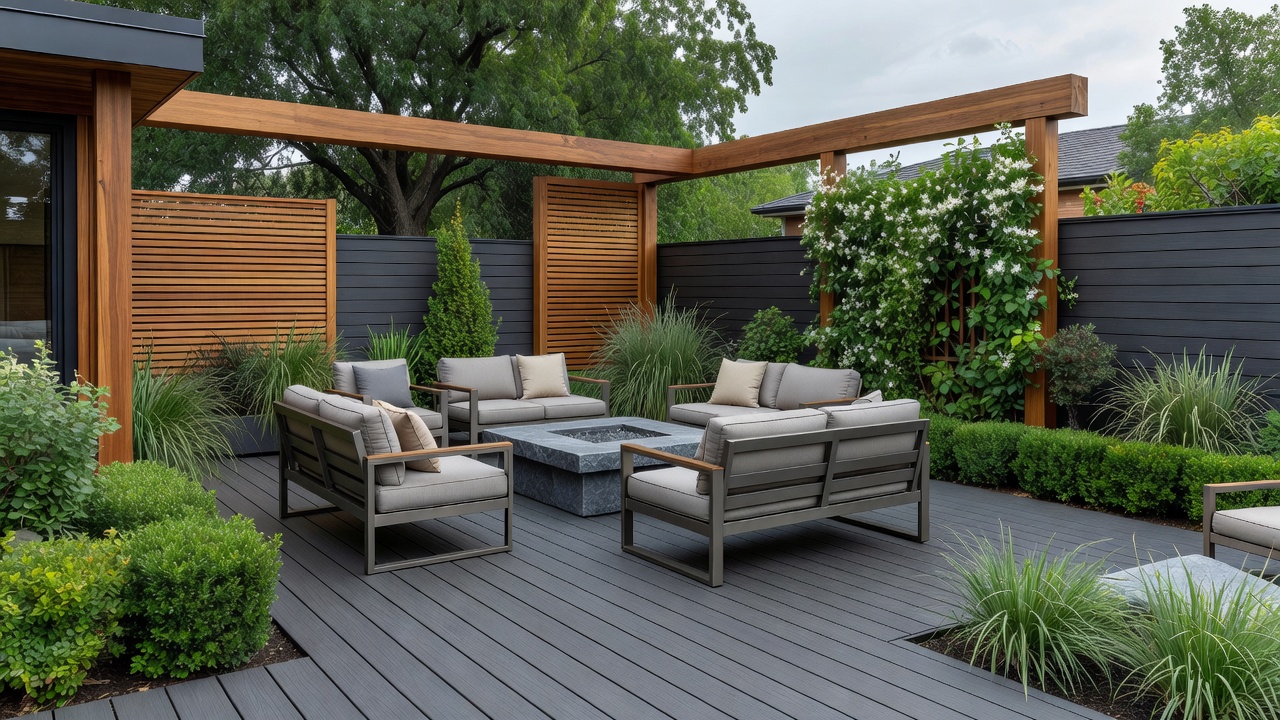
Introduction to Smart Material Choices in Outdoor Renovations
Homeowners tackling fixer-upper outdoor projects in 2026 face a unique opportunity to blend cost efficiency, long-term durability, and visual appeal. Selecting the right materials can transform neglected yards into functional, attractive spaces while withstanding diverse weather conditions. This guide walks beginners and intermediate DIYers through proven strategies for evaluating options like wood versus composites, applying protective finishes, and sourcing sustainable supplies. The focus remains on balancing practical performance with aesthetic goals, ensuring every choice supports both immediate project success and years of reliable service.
Whether you're building a deck, patio, fence, pergola, or garden feature, understanding local climate impacts is essential. Practical checklists and real-world examples illustrate how thoughtful material swaps have revitalized properties across various regions. By the end of this guide, you will have actionable frameworks to make informed decisions that reduce waste, control expenses over time, and deliver professional-looking results without requiring advanced skills.
Evaluating Local Climate Impacts on Material Performance
Before purchasing supplies, assess your region's temperature extremes, humidity levels, precipitation patterns, and UV exposure. This foundational step prevents premature failure and reduces long-term maintenance costs. Start with these actionable steps:
- Review historical weather data from reliable government sources to identify freeze-thaw cycles or heavy rainfall periods that could affect material expansion and contraction.
- Test soil drainage and sun exposure on your property using simple DIY measurements over a week, noting shaded versus full-sun zones that influence heat buildup and moisture retention.
- Match materials to conditions—for instance, high-humidity areas benefit from rot-resistant options, while arid climates prioritize UV-stable surfaces that resist cracking and fading.
- Consider wind patterns and seasonal snow loads if your location experiences harsh winters, as these factors dictate structural requirements for decks and raised structures.
Homeowners in coastal zones often prioritize salt-air resistance to combat corrosion, while those in northern latitudes focus on freeze protection and thermal stability. Southern regions may emphasize insect resistance and rapid drying after storms. Taking time to map these variables creates a personalized material shortlist that aligns perfectly with your microclimate.
Wood Versus Composite Options for Outdoor Projects
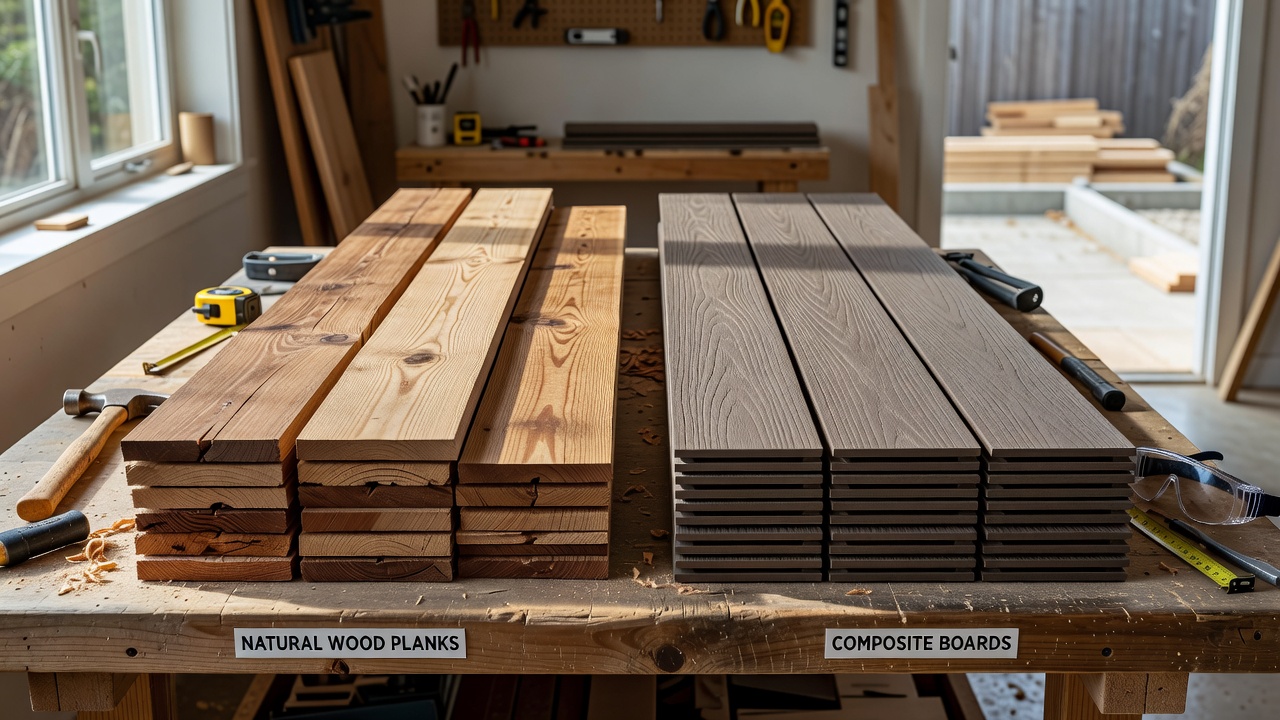
Traditional wood offers natural beauty and workability, but composites provide enhanced consistency and lower upkeep. Consider these key differences when planning your renovation:
- Wood: Cedar and redwood deliver classic aesthetics and good initial rot resistance. They require periodic sealing and can warp in fluctuating moisture, making them ideal for projects where authentic texture is desired.
- Composites: Engineered from recycled plastics and wood fibers, these resist fading, splintering, and insects. They maintain color longer but may feel warmer underfoot in direct sun, suiting modern minimalist designs.
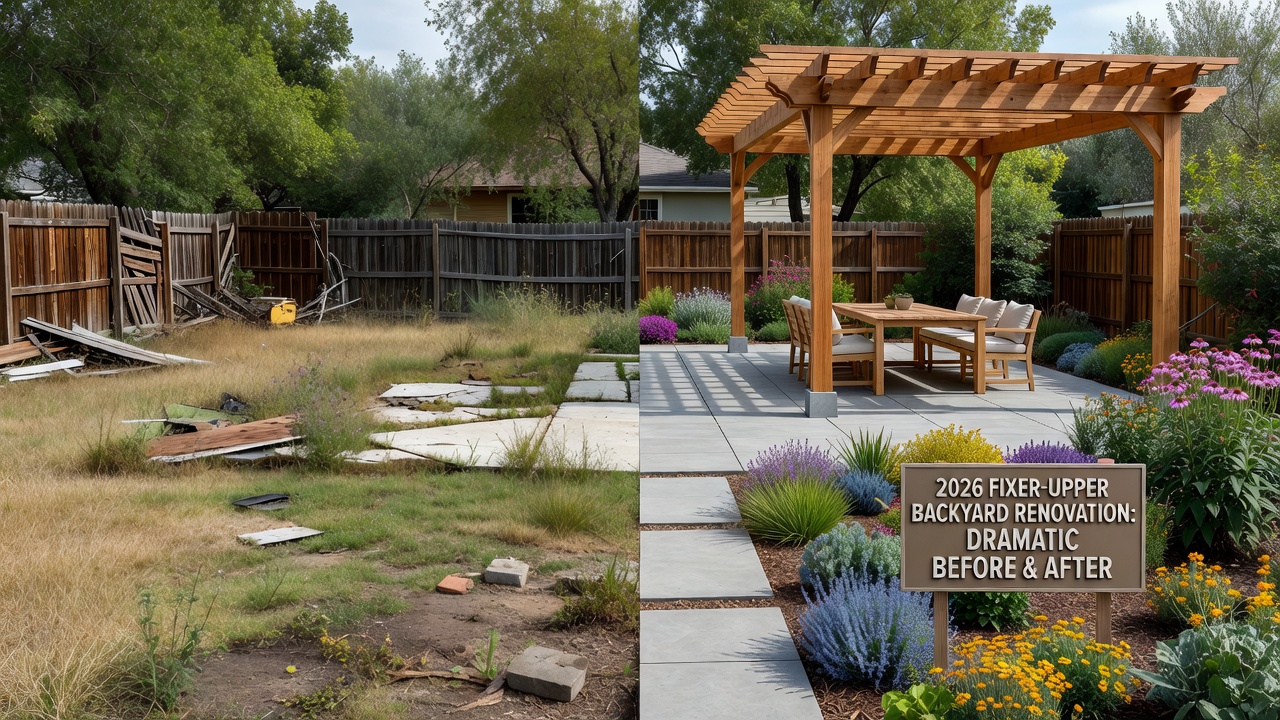
Real-world examples show successful swaps: A Minnesota homeowner replaced aging pine decking with composite boards, eliminating annual staining and achieving a uniform look that withstood harsh winters without cracking. In contrast, a Texas project retained pressure-treated pine for its affordability and authentic grain in a shaded pergola setting, where UV exposure was minimal. Another case in coastal Florida demonstrated how switching to capped composites prevented salt damage that had previously destroyed untreated lumber within three seasons. These transformations highlight how matching material properties to site conditions yields dramatic improvements in both appearance and longevity.
Weather-Resistant Finishes and Application Techniques
Finishes extend material lifespan significantly when applied correctly. Choose penetrating oils for wood breathability or film-forming sealers for composites that create a protective barrier. Detailed application involves cleaning surfaces thoroughly, applying in thin coats during mild temperatures between 50 and 80 degrees Fahrenheit, and allowing full curing between layers—typically 24 to 48 hours. Always follow manufacturer guidelines for best results and test small inconspicuous sections first to verify color and adhesion. Multiple thin coats outperform single heavy applications by reducing bubbling and ensuring even coverage across edges and end grains.
Sourcing Sustainable Supplies for DIY Projects
Prioritize responsibly harvested or recycled materials to minimize environmental impact while supporting local economies. Look for certifications like FSC for wood and check local suppliers for reclaimed options that add character without new resource extraction. Visit the EPA website for guidance on sustainable building practices. Additionally, consult USDA resources on forestry products to ensure ethical sourcing. Check NOAA climate data to align material durability with projected weather trends in your area. Building relationships with regional lumberyards often reveals off-cut deals and certified sustainable stocks that larger chains may not stock.
Cost Comparisons and 2026 Product Recommendations
While exact pricing fluctuates, composites typically command a higher upfront investment than wood but deliver savings through reduced maintenance. Focus on value rather than lowest initial cost—factor in expected lifespan when budgeting. Current 2026 recommendations include UV-stabilized composite lines from major manufacturers and naturally durable hardwoods treated with low-VOC finishes. Comparing options side-by-side using local supplier quotes helps identify the best fit for each project's scale and exposure level.
Step-by-Step Material Evaluation Checklist
Use this comprehensive checklist to guide every renovation phase:
- Measure and document your space, noting dimensions, slope, and existing structures.
- Cross-reference climate data with material specifications for resistance ratings.
- Obtain samples of at least three wood and three composite options for hands-on testing.
- Calculate total material needs including fasteners, underlayment, and finishing products.
- Verify local codes for permits, setbacks, and load requirements before ordering.
- Schedule delivery and storage to protect materials from weather during the project timeline.
Following this sequence ensures no critical detail is overlooked and supports smooth project execution from planning through completion.
Common Pitfalls to Avoid During Home Improvement
Many DIYers encounter setbacks from rushed decisions. Avoid these frequent mistakes:
- Skipping climate-specific research, leading to material degradation within two seasons and costly replacements.
- Overlooking proper substructure preparation, which causes uneven settling, squeaking, and safety hazards over time.
- Choosing aesthetics over performance, resulting in frequent replacements and frustration with ongoing upkeep.
- Ignoring local building codes for load-bearing or drainage requirements, potentially leading to failed inspections or insurance issues.
- Neglecting to account for thermal expansion in composite installations, which can cause buckling in hot climates.
Following a structured checklist before starting work helps sidestep these issues and ensures professional-grade outcomes that stand the test of time.
FAQ: Maintenance and Longevity Questions
How often should outdoor materials be cleaned?
Most composites need only seasonal rinsing with mild soap and water, while wood benefits from annual inspections and re-sealing every two to three years depending on exposure levels and climate severity.
What is the expected lifespan of popular choices?
Well-maintained cedar can last 15–20 years in moderate conditions; quality composites often exceed 25–30 years with minimal intervention, making them a strong long-term investment for high-traffic areas.
Are there eco-friendly alternatives gaining popularity in 2026?
Yes, bamboo composites and thermally modified woods are increasingly favored for their rapid renewability and enhanced stability against moisture and insects without chemical treatments.
How do I handle repairs on damaged sections?
Composites allow simple board swaps using matching stock, while wood repairs may involve sanding, patching, or selective replacement followed by re-finishing to blend seamlessly with surrounding areas.
What storage practices protect materials before installation?
Store lumber and composites off the ground under breathable covers in a shaded, dry location to prevent warping, mold growth, and UV damage prior to project start.
Conclusion
Thoughtful material selection empowers homeowners to create lasting outdoor upgrades that align with budget, climate, and style goals. By applying the evaluation steps, comparisons, checklists, and avoidance strategies outlined above, your 2026 renovation project can achieve both immediate transformation and enduring performance that enhances property value and enjoyment for years to come.
No comments yet. Be the first!