 Fixated on Home
Introduction
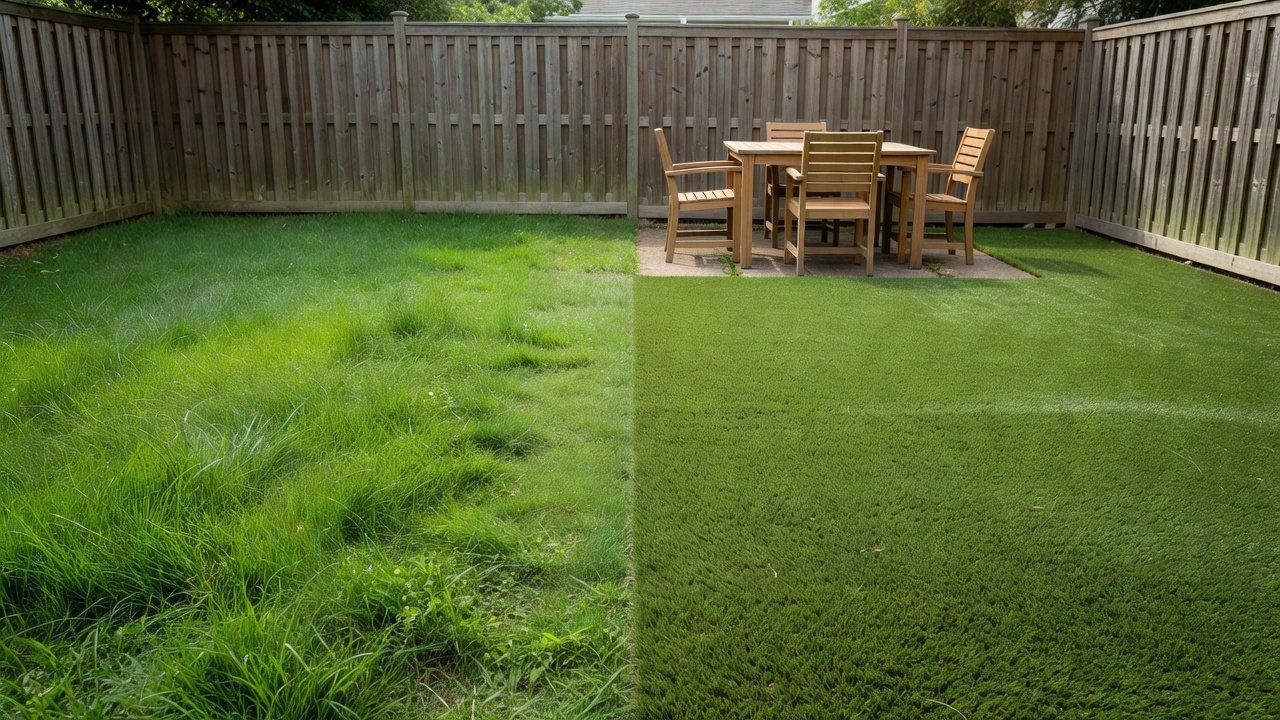
Homeowners tackling outdoor renovations in fixer-upper yards often face a key decision between natural grass and artificial turf. Both options deliver inviting outdoor spaces but differ in upfront effort, ongoing care, climate suitability, and long-term home improvement value. This comprehensive 2026 guide weighs the trade-offs to help you select the best solution for your property and lifestyle. Whether your priority is a living lawn that supports local wildlife or a low-maintenance surface that conserves resources, understanding every aspect ensures lasting satisfaction. We examine installation processes, maintenance routines, water usage impacts, real-world fixer-upper examples, and a practical decision checklist. Additional sections cover material sourcing, common mistakes to avoid, and frequently asked questions about durability and pet compatibility.
Understanding Natural Grass
Natural grass creates a living, cooling surface that improves air quality and supports biodiversity in residential landscapes. It provides a soft, traditional feel underfoot and blends seamlessly with surrounding gardens and trees. Success depends on selecting the right grass species for your region, preparing healthy soil, and committing to regular care. In fixer-upper projects, restoring or establishing natural grass can dramatically increase curb appeal while contributing to neighborhood character.
Pros and Cons of Artificial Turf
Artificial turf delivers a consistently green appearance year-round with drastically reduced watering and mowing requirements. Modern products resist fading and offer improved drainage, making them suitable for high-traffic family areas. Drawbacks include higher initial material costs, potential heat retention in direct sunlight, and the need for occasional infill replenishment or surface cleaning. Many homeowners appreciate the predictable look, yet others note that synthetic surfaces lack the natural cooling effect and ecological benefits of living turf.
Climate Considerations
Local weather patterns heavily influence the ideal choice. In arid southwestern regions, natural grass demands frequent irrigation to survive summer heat, while artificial turf maintains its appearance without added water. Northern climates with cold winters allow natural grass to go dormant naturally, reducing care needs during off-seasons. Coastal or humid areas may experience faster wear on synthetic fibers due to moisture and salt exposure. Homeowners should evaluate sun exposure, rainfall averages, and temperature extremes before deciding. Consulting regional extension services helps match the option to microclimate conditions for optimal results.
Installation Steps for Natural Grass
DIY natural grass installation begins with a thorough soil test to determine pH and nutrient levels. Remove existing weeds and debris, then amend the soil with organic matter to improve structure and drainage. Grade the area evenly to prevent pooling water. Lay sod for instant coverage or spread seed mixed with starter fertilizer, followed by light rolling to ensure seed-to-soil contact. Water gently but consistently during the first three weeks to encourage root development. Avoid heavy foot traffic until the lawn establishes fully, typically after four to six weeks. Proper timing with seasonal weather improves germination rates and reduces future weed pressure.
Installation Steps for Artificial Turf
Artificial turf installation requires careful base preparation for longevity. Excavate the site to a depth that accommodates a compacted gravel layer for drainage. Install landscape fabric to suppress weeds, then spread and compact crushed stone or decomposed granite. Unroll the turf panels, allowing them to acclimate in the sun before cutting. Secure edges with landscape nails or adhesive and seam the pieces together using specialized tape. Brush in infill material to keep blades upright and promote stability. Finish by trimming precisely around borders and obstacles. 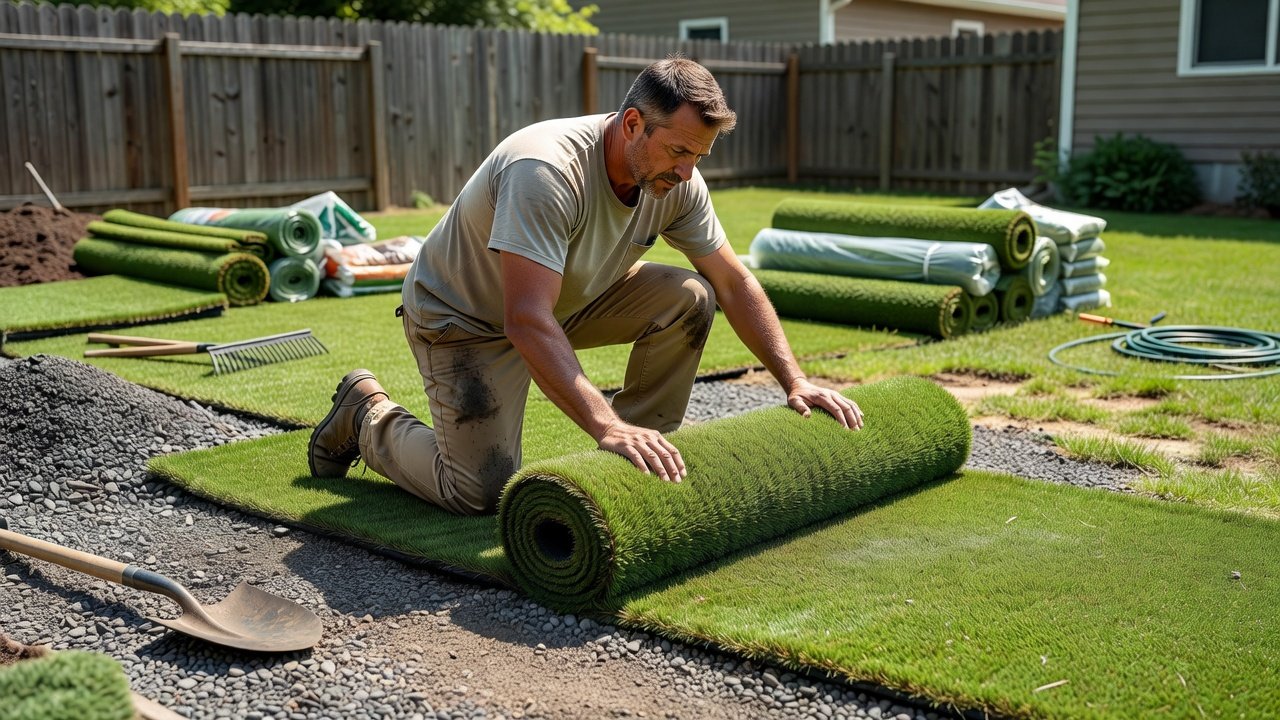
Maintenance Routines
Natural grass maintenance includes weekly mowing at the correct height, seasonal fertilizing, core aeration to relieve compaction, and overseeding in thin areas. Monitor for pests and diseases, applying targeted treatments only when necessary. Artificial turf requires less frequent attention but benefits from monthly brushing to redistribute infill, removal of leaves and debris, and periodic rinsing to prevent odor buildup. Both surfaces need annual inspections for drainage problems or surface irregularities that could worsen over time.
Water Usage Impacts
Natural grass typically consumes significant irrigation during dry months, affecting household water bills and local supply. Artificial turf nearly eliminates this demand, supporting water conservation goals in drought-prone communities. Environmental considerations extend beyond usage to include runoff management and chemical applications. For guidance on efficient outdoor water practices, refer to resources from the EPA and the USDA.
Real Fixer-Upper Case Examples
A suburban family transformed a compacted, patchy backyard into a resilient natural grass lawn by amending heavy clay soil and installing a shade-tolerant fescue blend. After one growing season, the yard became a vibrant play area that integrated with existing flower beds. Another homeowner replaced a struggling lawn with artificial turf in a sunny, south-facing lot, creating a durable surface for pets and gatherings while cutting weekly maintenance to simple debris removal. Both projects improved property appeal and demonstrated how thoughtful planning turns neglected outdoor spaces into functional extensions of the home.
Decision Checklist
- Evaluate your local climate, sun exposure, and soil type
- Estimate available DIY time versus hiring professionals
- Compare long-term water, fertilizer, and equipment expenses
- Assess family activities, pet traffic, and play requirements
- Check neighborhood covenants or HOA guidelines on turf materials
- Review end-of-life recycling options for synthetic products
- Factor in drainage needs and potential irrigation system modifications
- Consider aesthetic preferences for living versus uniform appearance
Material Sourcing Tips
Source natural grass seed or sod from local nurseries familiar with regional conditions for better adaptation and survival rates. Request information on disease resistance and drought tolerance. For artificial turf, visit established suppliers that provide product samples, warranty details, and installation instructions. Compare fiber density, backing strength, and drainage perforations. Always verify third-party safety certifications, especially when pets or children will use the surface regularly.
Long-Term Home Improvement Value
Both turf types can enhance resale appeal when properly installed and maintained. Natural grass often complements traditional landscaping and appeals to buyers seeking outdoor living connections. Artificial turf attracts those prioritizing minimal upkeep and consistent appearance. In either case, quality workmanship and integration with hardscaping features contribute positively to overall property value over time.
Common Mistakes to Avoid
Many DIYers underestimate soil preparation, leading to poor drainage or uneven settling. Skipping the acclimation period for artificial turf can cause buckling later. Over-fertilizing natural grass wastes resources and harms waterways. Always follow manufacturer guidelines and local regulations to prevent costly corrections.
FAQ
How durable is artificial turf with pets?
High-quality pet-friendly turf features antimicrobial backing and strong fibers that resist tearing. Regular rinsing and occasional deep cleaning maintain hygiene and prevent odors even with daily use.
Does natural grass hold up better in high-traffic areas?
With proper aeration, overseeding, and reinforced varieties, natural grass recovers well from foot traffic. Designated pathways or shade structures can further protect heavily used zones.
Which option adds more home value?
Both increase enjoyment and visual appeal. Natural grass tends to integrate better with mature landscaping, while artificial turf suits buyers seeking low-maintenance solutions in water-restricted areas.
Can either option be installed over existing surfaces?
Natural grass usually requires full soil preparation. Artificial turf can sometimes be laid over prepared concrete or compacted bases with proper drainage modifications.
Conclusion
Selecting between natural grass and artificial turf requires balancing climate realities, maintenance preferences, water conservation goals, and long-term property value. By following detailed installation steps, using the decision checklist, sourcing appropriate materials, and avoiding common pitfalls, homeowners can complete a successful outdoor renovation that delivers enjoyment and functionality for years ahead.
No comments yet. Be the first!